
No products in the cart.
Sale


AHK | CAS 126828-32-8 | Antioxidant Peptide for Hair Growth and Skin Regeneration
Original price was: $3.00.$2.00Current price is: $2.00.
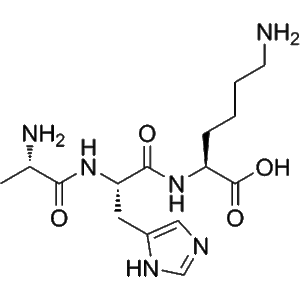
AHK (Alanine–Histidine–Lysine) is a naturally derived bioactive tripeptide recognized for its potent antioxidant and regenerative properties. It plays a crucial role in promoting dermal vitality, stimulating follicular activity, and supporting cellular repair in cosmetic research applications.
Description
Product Description
AHK (Alanine–Histidine–Lysine) is a short, naturally occurring tripeptide that has become a prominent molecule in cosmetic and dermatological research. This compound exhibits strong antioxidant capacity by scavenging free radicals, protecting cellular membranes, and enhancing enzymatic defense systems such as superoxide dismutase (SOD) and catalase. It is commonly studied as a component of copper-binding complexes (notably GHK-Cu analogs) for their capacity to restore skin elasticity, promote collagen deposition, and stimulate fibroblast proliferation.
In scientific investigations, AHK demonstrates a multifaceted mechanism that links oxidative stress modulation with hair-follicle activation and skin repair. The peptide’s histidine residue contributes to metal-ion chelation and reactive oxygen species (ROS) regulation, while lysine supports structural protein cross-linking within extracellular matrix networks. Together with alanine, these residues provide a stable molecular scaffold capable of influencing cellular communication and growth-factor responsiveness.
1. Antioxidant Function and Cellular Protection
AHK acts as a redox modulator that helps maintain intracellular balance under oxidative stress. Laboratory studies show that AHK reduces lipid peroxidation, stabilizes mitochondrial potential, and enhances ATP synthesis in keratinocytes and dermal fibroblasts. Its antioxidant effects extend to protecting DNA and cell-membrane phospholipids from oxidative fragmentation. By neutralizing ROS, AHK contributes to lowering inflammation and preventing premature cellular senescence, making it an ideal research candidate for anti-aging and rejuvenation models.
2. Hair-Follicle Activation and Growth Signaling
In follicular biology research, AHK has been demonstrated to promote hair-follicle cell proliferation and extend the anagen (growth) phase of the hair cycle. The peptide increases dermal papilla cell viability and upregulates growth factors such as VEGF and IGF-1. Additionally, AHK down-modulates pro-inflammatory cytokines that trigger follicular miniaturization. This dual modulation—stimulating anabolic pathways while suppressing catabolic inflammation—positions AHK as a valuable research molecule for exploring peptide-based hair-growth mechanisms.
3. Skin Regeneration and Collagen Homeostasis
AHK’s role in dermal regeneration is closely linked to its ability to enhance extracellular matrix (ECM) remodeling. In fibroblast cultures, AHK promotes the synthesis of collagen types I and III, elastin, and glycosaminoglycans, supporting the structural integrity of connective tissue. It also regulates metalloproteinase activity, preventing excessive ECM degradation. This balance between synthesis and breakdown ensures stable dermal architecture—critical for youthful skin morphology.
4. Cellular Communication and Gene Expression
Emerging transcriptomic data indicate that AHK modulates gene clusters associated with oxidative defense, inflammation control, and tissue regeneration. By influencing transcription factors like Nrf2 and NF-κB, AHK helps coordinate protective cellular responses. This regulation is crucial for maintaining redox equilibrium, enabling cells to resist external stressors such as UV exposure or pollution.
5. Neuro-Immuno-Cutaneous Modulation
Beyond direct antioxidant actions, AHK is implicated in neuro-immuno-cutaneous communication. The peptide may influence neurotransmitter-linked pathways and neurotrophic factor expression, supporting balanced sensory nerve signaling within the skin. This connection between neural tone and immune regulation has become a vital focus in modern cosmetic peptide research, especially in reducing stress-induced skin sensitivity and maintaining overall dermal homeostasis.
Overall, AHK represents a multifunctional molecule capable of connecting redox biology, cellular repair, and tissue regeneration. Its simplicity as a tripeptide belies its biochemical sophistication—providing a model system for studying how minimal sequences can produce complex biological effects relevant to both hair and skin research domains.
Product Specifications
| Property | Description |
|---|---|
| Product Name | AHK |
| CAS Number | 126828-32-8 |
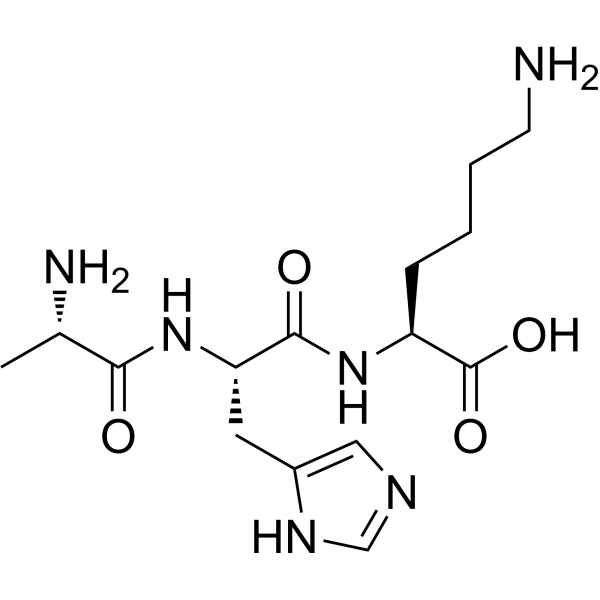
| Molecular Formula | C15H28N6O4 |
| Molecular Weight | 356.42 g/mol |
| Purity | ≥ 99 % |
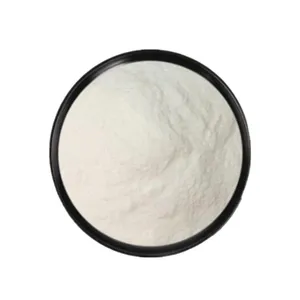
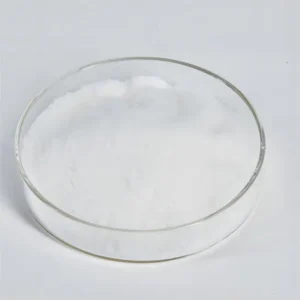
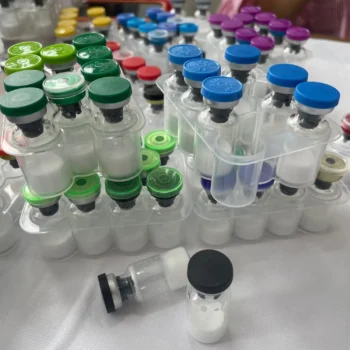
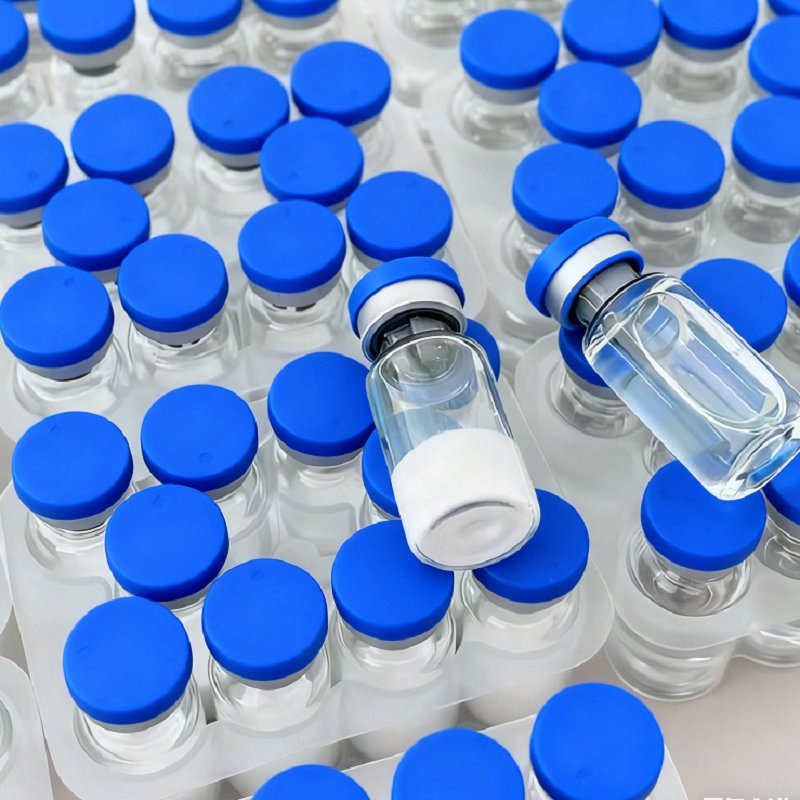
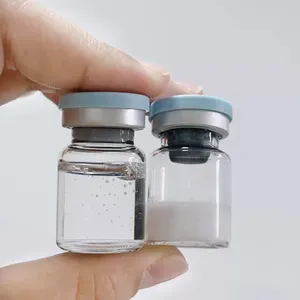
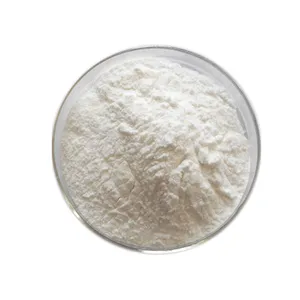
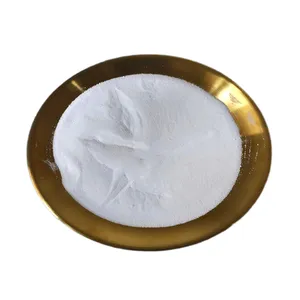
| Appearance | White to off-white lyophilized powder |
| Solubility | Soluble in water and most polar solvents |
| Storage Temperature | 2–8 °C |
| Category | Cosmetic Peptide |
| Synonyms | Alanine–Histidine–Lysine, Tripeptide-3 analog |
| Applications | Antioxidant research, skin-regeneration studies, follicular-activity assays |
| Research Area | Cosmetic biology, oxidative stress modulation, dermal repair |
| Supplier Type | Peptide manufacturer and research-grade supplier |
| Language | English |
| Intended Use | For laboratory research use only |
Mechanism of Action
AHK functions through multiple interconnected biochemical pathways that influence oxidative balance, cellular metabolism, and extracellular matrix turnover.
1. Free-Radical Scavenging and Metal Chelation
Histidine within AHK’s structure enables chelation of transition metals such as copper and iron, limiting Fenton-type reactions responsible for ROS formation. The peptide donates electrons to neutralize superoxide anions and hydroxyl radicals, preventing oxidative damage to cellular macromolecules. This activity underpins AHK’s ability to preserve mitochondrial integrity and DNA stability, fundamental for maintaining youthful skin phenotypes.
2. Upregulation of Antioxidant Enzymes
Experimental evidence suggests AHK activates the Nrf2–ARE signaling pathway, stimulating the transcription of antioxidant genes including glutathione peroxidase, heme oxygenase-1, and superoxide dismutase. By boosting intrinsic defense mechanisms, AHK ensures sustainable protection beyond direct radical scavenging, allowing long-term redox homeostasis.
3. Modulation of Inflammatory Cytokines
AHK modulates intercellular signaling by down-regulating pro-inflammatory cytokines such as IL-1β, TNF-α, and IL-6. It stabilizes the NF-κB signaling axis, reducing unnecessary inflammatory cascades that often contribute to tissue degradation and delayed wound healing. This anti-inflammatory capacity aligns with improved barrier function and decreased erythema observed in skin-cell models.
4. Activation of Growth and Differentiation Factors
Within dermal fibroblasts and dermal papilla cells, AHK enhances expression of growth mediators including TGF-β, IGF-1, and VEGF. These growth factors drive matrix protein synthesis, angiogenesis, and nutrient delivery to regenerating tissues. This mechanism explains AHK’s observed stimulation of both collagen formation and follicular activity in vitro.
5. Regulation of Extracellular Matrix Dynamics
AHK maintains the balance between synthesis and degradation of ECM components by suppressing matrix metalloproteinases (MMP-1 and MMP-3) while up-regulating their inhibitors (TIMP-1 and TIMP-2). This dual action supports resilient dermal architecture, mitigating wrinkle formation and enhancing firmness in experimental skin models.
6. Neuro-Cutaneous Interface Modulation
Recent research has highlighted that AHK can influence neuropeptide release—particularly substance P and calcitonin gene-related peptide (CGRP)—which are central mediators of skin sensitivity and neurogenic inflammation. By normalizing these mediators, AHK helps maintain the delicate equilibrium between sensory neurons and immune cells, contributing to reduced irritation and improved comfort perception.
7. Hair-Follicle Stimulation and Regeneration
In dermal papilla cell studies, AHK enhances proliferation and prolongs the growth phase of hair follicles by increasing β-catenin and Wnt signaling activity. It concurrently suppresses DHT-induced inhibitory factors, thus supporting the structural and metabolic environment needed for robust follicular regeneration.
Collectively, these mechanisms demonstrate that AHK is not a simple antioxidant but a multifunctional bio-signaling peptide integrating redox regulation, growth control, and neuro-immune balance.
Side Effects
In controlled laboratory settings, AHK has demonstrated a high degree of biocompatibility and stability. Cytotoxicity assays in fibroblast and keratinocyte cultures reveal no adverse morphological changes at concentrations typically used for cosmetic research.
Potential side effects under experimental conditions may include:
Mild transient oxidative shifts if concentrations greatly exceed physiological levels.
Possible interference with metal-dependent enzyme systems due to strong chelating capacity.
Minor pH-dependent solubility variations leading to formulation instability in in-vitro tests.
Proper formulation design and concentration optimization mitigate these risks. AHK remains a safe and reliable candidate for in-vitro investigations exploring antioxidant, regenerative, and follicular mechanisms in skin biology.
Keywords
AHK peptide, antioxidant tripeptide, hair-growth peptide, skin-regeneration research, cosmetic peptide supplier, peptide wholesale China, high-purity peptide manufacturer, cosmetic raw material factory, OEM & bulk peptide production, high purity cosmetic peptides.
Shipping Guarantee
All shipments are handled using validated cold-chain logistics to preserve peptide integrity. Each package is sealed in moisture-proof containers with secondary protective wrapping and continuous temperature monitoring. Products are shipped via express international couriers with full tracking and insurance coverage.
Trade Assurance
We ensure product authenticity, verified ≥ 99 % purity, and compliance with analytical standards (HPLC, MS, and NMR). Each batch is supplied with a Certificate of Analysis (CoA). Our trade-assurance policy guarantees replacement or refund for any deviation from listed specifications.
Payment Support
We provide flexible and secure global payment options to support international research transactions. Accepted payment methods include PayPal, major credit cards (Visa, MasterCard, American Express), telegraphic transfer (T/T), and cryptocurrencies (USDT, Bitcoin, Ethereum). All transactions are protected by industry-standard encryption and verified payment gateways to ensure confidentiality and fund security.
Disclaimer
All products listed are intended for laboratory research use only and not for human or veterinary use. They are not drugs, medical devices, or diagnostics and should not be administered to humans or animals. Researchers must handle all materials in accordance with institutional biosafety and chemical-safety guidelines. The information provided is for scientific reference only and does not imply therapeutic efficacy, safety, or regulatory approval.

Additional information
| Weight | 1.5 kg |
|---|---|
| Dimensions | 62 × 53 × 62 cm |
What is AHK peptide used for in cosmetic research?
AHK is studied for its antioxidant and regenerative effects, supporting investigations into skin rejuvenation and hair-follicle activation.
What makes AHK a high-purity cosmetic peptide?
Our AHK is verified ≥ 99 % purity by HPLC and MS analyses, ensuring reliable reproducibility for advanced cosmetic-research applications.
Can AHK be combined with other peptides in formulations?
Yes, it is often combined with copper peptides or collagen-stimulating peptides to study synergistic effects on dermal regeneration.
How should AHK be stored for maximum stability?
Store at 2–8 °C in a desiccated, light-protected environment. Avoid repeated freeze-thaw cycles.
Is AHK peptide soluble in aqueous media?
AHK is water-soluble and compatible with most polar solvents used in laboratory formulations.
Does AHK influence collagen production?
Yes, in vitro studies show enhanced expression of type I and III collagen, improving ECM stability and elasticity.
What research models benefit most from AHK?
Keratinocyte cultures, fibroblast assays, and hair-follicle organoids are commonly employed to evaluate its cellular and molecular effects.
Is AHK considered safe for in-vitro studies?
Within recommended concentrations, AHK demonstrates high cytocompatibility and low toxicity in laboratory tests.
How does AHK compare to GHK-Cu?
AHK shares structural similarities and antioxidant functions with GHK-Cu but offers simplified synthesis and enhanced stability for research use.
What is the origin of AHK peptide?
It is a synthetic analog derived from naturally occurring amino acids—alanine, histidine, and lysine.
Can AHK be used in bulk cosmetic peptide manufacturing?
Yes. Our facility supports OEM & bulk peptide production with strict quality control under GMP-like conditions.
What is the lead time for AHK peptide supply?
Standard lead time is 3–5 working days for analytical-grade quantities; bulk orders may require longer quality verification.
How do I verify authenticity from a China peptide manufacturer?
Each batch includes a CoA, HPLC & MS data, and traceable lot numbers, ensuring transparency from our factory peptide supplier network.
Can AHK help study oxidative-stress reduction in skin models?
Yes, it is commonly utilized to examine redox-homeostasis restoration and prevention of oxidative-induced cellular aging.
What shipping and payment options are supported for international orders?
We provide global express shipping with full tracking, and support PayPal, credit cards, T/T, and cryptocurrency payments for flexible transactions.
Related products
Oxytocin Acetate 2mg 5mg 10mg High purity Factory manufactured – low-price wholesale supply
High-purity Oxytocin Acetate (CAS 6233-83-6) produced in GMP-aligned facilities for laboratory research in receptor signaling, peptide interaction studies, and neuroendocrine regulatory investigations.(For research use only. Not for human or veterinary use.)
Original price was: $36.00.$32.00Current price is: $32.00.Exendin-4 Peptides Powder – High Purity Research Peptide for Laboratory Use
Exendin-4 Peptides Powder is a high-purity synthetic peptide designed for advanced laboratory research applications. Manufactured under GMP-compliant conditions, it offers consistent bioactivity, stability, and sterility for in vitro and in vivo studies. Bulk and OEM/customizable options are available, making it ideal for laboratories seeking cost-effective, high-quality peptide reagents for metabolic, pharmacological, and molecular signaling research. Original price was: $38.00.$26.00Current price is: $26.00.Salmon Calcitonin | 99% High purity Factory manufactured | low-price wholesale supply
High-purity Salmon Calcitonin (CAS 47931-85-1) supplied as freeze-dried peptide powder for controlled laboratory research. Engineered for biochemical pathway analysis, receptor-binding studies, peptide structural research, and analytical assay development. Factory-manufactured with consistent purity. Wholesale and OEM customization supported. Original price was: $95.00.$92.00Current price is: $92.00.Octreotide – Freeze-Dried Powder | High Purity | Factory Manufactured | Low-Price Wholesale Supply
High-purity Octreotide freeze-dried powder produced in GMP-aligned facilities, suitable for laboratory-only biochemical, receptor-binding, and molecular-mechanism research. Factory-direct pricing and bulk availability support large-scale institutional studies.(For research use only. Not for human or veterinary use.) Original price was: $42.00.$28.00Current price is: $28.00.

Reviews
There are no reviews yet.