$108.00Original price was: $108.00.$96.00Current price is: $96.00.
ADMAX Peptide (Adamax) is a high-purity research peptide consisting of 9 amino acids with an N-terminal acetylation. Structurally similar to Semax but with a longer peptide sequence, it is designed exclusively for laboratory research. Factory-manufactured freeze-dried powder ensures stability, reproducibility, and analytical consistency. Bulk and OEM options are available for research institutions.
ADMAX Peptide (Adamax) is a synthetic, N-terminal acetylated 9-amino-acid peptide developed specifically for laboratory research purposes. Structurally, it is similar to the well-characterized Semax peptide but incorporates a longer amino acid sequence, allowing broader applications in molecular, biochemical, and structural studies. The N-terminal acetylation enhances chemical stability, reduces degradation in experimental solutions, and provides a reliable reference standard for in vitro research workflows.
Produced through advanced solid-phase peptide synthesis and purified using high-performance chromatographic techniques, ADMAX Peptide achieves a high-purity profile (≥98%) suitable for reproducible laboratory assays. Its freeze-dried, lyophilized format ensures long-term stability and facilitates precise experimental preparation, whether used for receptor-binding studies, peptide–protein interactions, or analytical method validation.
ADMAX Peptide serves as a versatile tool in molecular biology research, providing consistent results in receptor-ligand interaction studies, secondary messenger pathway analyses, and conformational studies. Its defined sequence and chemical modification allow accurate benchmarking in structure–activity relationship (SAR) studies, peptide library evaluations, and receptor affinity assays. Researchers can also leverage the peptide for computational modeling, docking simulations, and structural mapping to investigate the influence of amino acid modifications on peptide behavior.
The peptide’s stability and predictable molecular properties make it suitable for analytical applications, including HPLC, LC-MS, and spectroscopy, where consistent retention times and fragmentation patterns are essential. ADMAX Peptide also facilitates comparative studies with other peptides, enabling the evaluation of analogs, structural motifs, and functional effects in controlled laboratory settings.
Supplied exclusively as a high-purity, factory-manufactured freeze-dried powder, ADMAX Peptide supports research scalability, bulk experimental workflows, and high-throughput studies. Its precise characterization ensures that each batch meets rigorous quality standards for in vitro experiments, making it an essential reagent for laboratories focusing on peptide research, molecular interactions, and structural-functional analysis.
Intended exclusively for laboratory research, ADMAX Peptide is not for human or veterinary use, and all handling should follow established laboratory safety protocols. Its reproducibility, stability, and well-defined chemical properties make it an indispensable tool for advanced research in peptide science, molecular biology, and analytical method development.
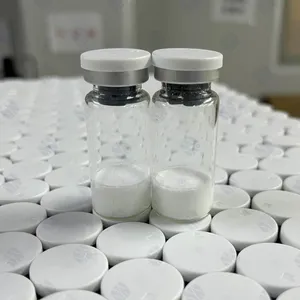
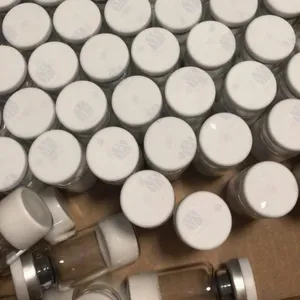
admax-adamax vial lyophilized peptide powder
Product Specifications
Attribute
Specification
Notes
Product Name
ADMAX Peptide (Adamax)
Synthetic, N-terminal acetylated 9-amino-acid peptide for research use.
Sequence
[Specify 9-AA sequence]
Acetylation at N-terminus; structurally similar to Semax.
CAS Number
Not assigned
Research peptide, cataloged internally.
Molecular Formula
CₓHₓNₓOₓ
Determined by amino acid composition and N-terminal modification.
Molecular Weight
~Calculated MW
Verified via mass spectrometry for each batch.
Peptide Purity
≥98% (HPLC)
Ensures reproducibility for research assays.
Appearance
White to off-white lyophilized powder
Slight color variation due to dry-state properties.
Form
Lyophilized powder
Maintains stability and ease of handling.
Storage Conditions
-20°C, dry, protected from light
Minimizes degradation and preserves structure.
Reconstitution Solvent
Sterile water or compatible buffer
Prepare fresh working solutions; avoid repeated freeze-thaw cycles.
Recommended Working Concentration
0.1–5 mg/mL
Optimized for in vitro studies and analytical assays.
Stability (Lyophilized)
≥12 months under recommended storage
Protect from moisture and light.
Stability (Reconstituted)
Use within 24–48 hours at 4°C
Minimize freeze-thaw cycles.
Packaging Options
1 mg, 5 mg, 10 mg, 50 mg, bulk
OEM and bulk packaging available.
Analytical Validation
HPLC, MS
Batch-specific verification of purity and identity.
Endotoxin Level
<1 EU/mg
Suitable for sensitive analytical and biochemical assays.
Intended Use
Research use only
Not for human or veterinary applications.
Solubility and Concentration Recommendations
Reconstitute in sterile water or compatible buffer.
Gently mix without vortexing to prevent aggregation.
Aliquot prepared solutions to avoid repeated freeze-thaw cycles.
Mechanism of Action
ADMAX Peptide (Adamax) functions as a model research peptide, providing a controlled platform for in vitro receptor-binding, signaling pathway analysis, structural studies, and analytical method development. Its N-terminal acetylation enhances peptide stability and resistance to enzymatic degradation, ensuring predictable behavior in laboratory assays.
Receptor Binding and Affinity
ADMAX serves as a model ligand for peptide receptor analogs in controlled experimental systems. Its well-defined 9-amino-acid sequence allows researchers to study ligand–receptor interactions, binding kinetics, and selectivity. By providing consistent binding properties, ADMAX facilitates comparative analysis of peptide analogs, structure–activity relationships (SAR), and receptor specificity in biochemical assays.
Signal Transduction Exploration
Although designed strictly for laboratory research, ADMAX provides a reproducible tool for exploring secondary messenger dynamics and peptide-mediated molecular signaling. Its interactions with receptor analogs can be leveraged to study in vitro biochemical cascades, including phosphorylation events and downstream effector responses. These controlled studies allow laboratories to model peptide activity and molecular pathway modulation without involving human or animal subjects.
Structural and Conformational Analysis
The peptide’s N-terminal acetylation and defined amino acid sequence support structural studies, including:
Nuclear Magnetic Resonance (NMR) spectroscopy for 3D conformational analysis
Circular Dichroism (CD) spectroscopy to monitor secondary structure
Fourier-Transform Infrared (FTIR) spectroscopy for molecular fingerprinting
Computational modeling and docking to simulate peptide–receptor interactions
These approaches enable detailed evaluation of peptide folding, stability, and receptor interface geometry, facilitating deeper understanding of structure-function relationships and molecular dynamics.
Analytical and Biophysical Applications
ADMAX Peptide is widely used as a high-purity standard for laboratory assays:
HPLC and LC-MS method development and calibration
Comparative evaluation of peptide library performance
Quantification studies in spectroscopy-based workflows
Biophysical interaction studies, including peptide-surface and peptide-protein binding analyses
Summary
Overall, ADMAX Peptide’s mechanism of action in research centers on predictable receptor engagement, reproducible structural behavior, and reliable biochemical signaling in controlled laboratory systems. Its stable N-terminal acetylated structure, high purity, and well-characterized sequence make it a versatile tool for researchers studying peptide–receptor interactions, structural conformation, biochemical assays, and analytical method development, while maintaining strict adherence to in vitro research applications.
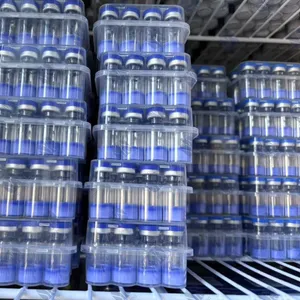
admax-adamax vial lyophilized peptide powder
Applications
ADMAX Peptide (Adamax) is a high-purity, N-terminal acetylated peptide designed for laboratory research. Its structural similarity to Semax, combined with a longer 9-amino-acid sequence, provides expanded opportunities for molecular, biochemical, structural, and analytical studies. ADMAX is intended exclusively for in vitro research, making it a versatile tool for a variety of experimental workflows.
1. Receptor-Binding and Molecular Studies
Acts as a model ligand for peptide receptor analogs in in vitro receptor-binding assays.
Facilitates evaluation of binding kinetics, affinity, and receptor selectivity under controlled laboratory conditions.
Supports comparative studies of peptide analogs, enabling structure–activity relationship (SAR) analyses and mechanistic insights.
2. Signal Transduction and Biochemical Research
Useful for exploring secondary messenger dynamics and intracellular biochemical cascades in research settings.
Enables monitoring of phosphorylation patterns, effector activation, and molecular signaling pathways without human or animal involvement.
Provides a reproducible platform for mechanistic modeling of peptide-mediated molecular interactions.
3. Structural and Conformational Applications
Compatible with NMR, CD spectroscopy, FTIR, and computational modeling to study peptide folding, stability, and conformational flexibility.
Supports investigation of peptide–receptor interface geometry and structural determinants of binding and activity.
Allows comparative evaluation of peptide libraries and analogs to correlate sequence modifications with structural outcomes.
4. Analytical Method Development
Serves as a high-purity reference standard in HPLC, LC-MS, and spectroscopy-based analytical workflows.
Supports assay validation, sensitivity, linearity, and reproducibility studies.
Facilitates calibration, method benchmarking, and optimization of peptide quantification protocols.
5. Biophysical and Laboratory Modeling Applications
Applicable in peptide-surface interaction studies, adsorption profiling, and interface characterization.
Functions as a standard in high-throughput in vitro assays, enabling reproducible experimental results.
Supports comparative evaluation of peptide binding and stability across substrates or assay conditions.
6. Integration with Computational and Multi-Omic Studies
Compatible with molecular docking, receptor modeling, and structure–activity simulations.
Facilitates integration into proteomic, transcriptomic, and systems biology workflows for mechanistic analysis.
Provides a stable reference peptide for computational modeling and cross-platform data comparison.
Summary: ADMAX Peptide supports a wide range of research applications, including receptor-binding studies, signaling pathway analysis, structural and conformational research, analytical method development, and computational modeling. Its predictable structure, acetylated N-terminus, and high purity make it a dependable tool for laboratories conducting advanced molecular, biochemical, and analytical investigations.
Research Models
ADMAX Peptide (Adamax) is a versatile tool for a variety of in vitro research models, providing reproducible and controlled experimental conditions. Its defined N-terminal acetylation, high purity, and well-characterized 9-amino-acid sequence make it suitable for laboratories exploring peptide–receptor interactions, signaling pathways, structural dynamics, and analytical method development.
1. Receptor-Ligand Binding Models
Serves as a model ligand for peptide receptor analogs in controlled in vitro binding studies.
Enables measurement of binding affinity, kinetics, and selectivity across peptide analogs.
Facilitates structure–activity relationship (SAR) evaluation for research peptides.
2. Signal Transduction and Secondary Messenger Models
Supports exploration of peptide-mediated molecular signaling under laboratory conditions.
Allows controlled assessment of downstream effectors, phosphorylation patterns, and secondary messenger responses.
Useful for modeling peptide-receptor interactions and pathway modulation in vitro.
3. Structural and Conformational Models
Compatible with NMR, CD spectroscopy, FTIR, and computational folding simulations.
Enables studies of peptide folding, structural stability, and receptor interface geometry.
Serves as a reference standard for comparative analysis of peptide analogs and structural modifications.
4. Analytical Method Development Models
Functions as a high-purity reference standard for HPLC, LC-MS, and spectroscopy-based assays.
Supports validation of assay sensitivity, linearity, and reproducibility.
Facilitates benchmarking of peptide quantification methods, surface-binding studies, and analytical optimization.
5. Biophysical and Laboratory Interaction Models
Enables controlled study of peptide-surface and peptide-material interactions.
Supports evaluation of adsorption kinetics, peptide stability, and binding consistency across different substrates.
Provides a reproducible platform for high-throughput laboratory assays.
6. Computational and Multi-Omic Models
Compatible with molecular docking, in silico receptor modeling, and structure–activity relationship simulations.
Supports integration into multi-omic workflows, including proteomics and systems biology research.
Acts as a stable reference for correlating experimental and computational observations.
Summary: ADMAX Peptide provides a flexible and reproducible platform for in vitro research models. Its stability, acetylated structure, and high purity enable reliable receptor-binding studies, structural analysis, signaling pathway investigation, and analytical method validation. Researchers can confidently use ADMAX for mechanistic studies, comparative peptide analysis, and computational modeling in controlled laboratory environments.
Experimental Design Considerations
ADMAX Peptide (Adamax) should be handled exclusively in controlled laboratory environments using appropriate personal protective equipment, including gloves, lab coat, and eye protection. Avoid inhalation of the powder and minimize direct contact with skin or eyes. Work in well-ventilated areas and follow standard laboratory safety protocols for chemical handling and spill management.
The peptide should be stored as a lyophilized powder at -20°C, dry, and protected from light to maintain stability and prevent degradation. Reconstituted solutions should be prepared fresh using sterile water or compatible buffers and aliquoted to avoid repeated freeze-thaw cycles, which can compromise structural integrity and reproducibility. Low-binding laboratory consumables are recommended to reduce peptide loss during preparation.
During experimental procedures, handle solutions gently to prevent aggregation. Use compatible buffers that maintain structural integrity, such as neutral pH buffers (PBS or HEPES), and ensure that the peptide is fully dissolved before use. Analytical assays, spectroscopy, and chromatography should be conducted following validated protocols to maintain accuracy and reproducibility.
All laboratory waste, including residues and used consumables, should be disposed of according to institutional chemical waste regulations. Researchers must strictly adhere to safety guidelines and maintain proper documentation of all handling, storage, and experimental procedures.
ADMAX Peptide is strictly for research use only and is not intended for human or veterinary applications. Following these guidelines ensures safe handling, maintains peptide quality, and supports reliable experimental results.
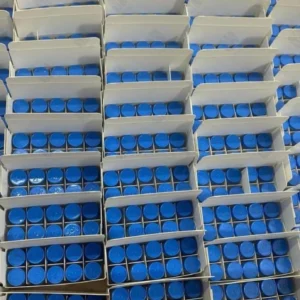
admax-adamax vial lyophilized peptide powder
Laboratory Safety & Handling Guidelines
ADMAX Peptide (Adamax) must be handled exclusively in controlled laboratory environments with appropriate personal protective equipment (PPE), including gloves, lab coat, and safety goggles. Direct contact with skin or eyes should be avoided, and inhalation of powder should be strictly prevented. Work should be conducted in well-ventilated areas or under fume hoods where appropriate, following institutional chemical safety protocols.
The peptide should be stored as a lyophilized powder at -20°C, dry, and protected from light to preserve chemical stability and structural integrity. Reconstituted solutions should be prepared using sterile water or compatible buffers and immediately aliquoted into single-use volumes to prevent repeated freeze-thaw cycles, which can compromise activity and reproducibility. Low-binding tubes and pipette tips are recommended to minimize peptide loss during handling.
During experimental procedures, solutions should be handled gently to avoid aggregation. Compatible buffers, such as neutral pH solutions (PBS, HEPES), should be used to maintain peptide stability. When applying ADMAX Peptide in analytical workflows—such as HPLC, LC-MS, or spectroscopy—standard validated protocols should be followed to ensure accuracy, reproducibility, and consistent results.
All residues, consumables, and reconstituted solutions should be disposed of according to institutional regulations for chemical waste. Proper documentation of lot numbers, COA references, buffer compositions, and experimental conditions is essential for reproducibility and traceability. Researchers should maintain rigorous safety practices and follow SOPs for peptide handling.
ADMAX Peptide is strictly for laboratory research use only and is not intended for human or veterinary applications. Following these guidelines ensures safe handling, preserves peptide quality, and supports reliable, reproducible experimental outcomes across in vitro, structural, and analytical studies.
admax-adamax vial lyophilized peptide powder
Integration with Multi-Omic & Computational Studies
ADMAX Peptide (Adamax) offers a versatile platform for integration into multi-omic and computational research workflows, enabling mechanistic exploration and predictive modeling in controlled laboratory settings. Its well-defined 9-amino-acid sequence and N-terminal acetylation provide chemical stability, reproducible receptor interaction profiles, and consistent structural properties, making it ideal for in silico, proteomic, and systems biology studies.
In proteomic applications, ADMAX can be incorporated as a standard for mapping peptide–protein interactions, evaluating binding specificity, and analyzing post-translational modifications. Researchers can utilize the peptide in controlled assays to investigate peptide-mediated signaling networks and downstream molecular events, providing experimental data that can be correlated with omics datasets.
For computational modeling, ADMAX serves as a reliable ligand in molecular docking, receptor modeling, and structure–activity relationship (SAR) simulations. Its defined structure allows accurate prediction of binding affinities, conformational dynamics, and interaction hotspots, supporting the validation of in silico peptide design and analog optimization.
Integration with multi-omic workflows—including proteomics, transcriptomics, and systems biology—enables researchers to correlate peptide structural features with functional outcomes across complex biological datasets. ADMAX can also act as a reference peptide for benchmarking computational pipelines, validating peptide–receptor interaction predictions, and supporting high-throughput in silico screening of peptide libraries.
Overall, ADMAX Peptide provides a stable and reproducible tool for bridging experimental and computational research, supporting cross-platform data integration, mechanistic studies, and predictive modeling. Its stability, high purity, and well-characterized properties make it a reliable reagent for laboratories combining in vitro experiments with computational and multi-omic analyses.
Global logistic coverage ensures reliable delivery
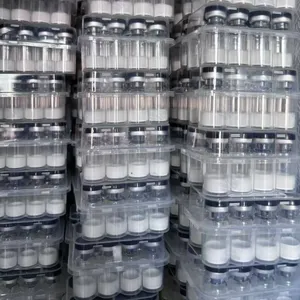
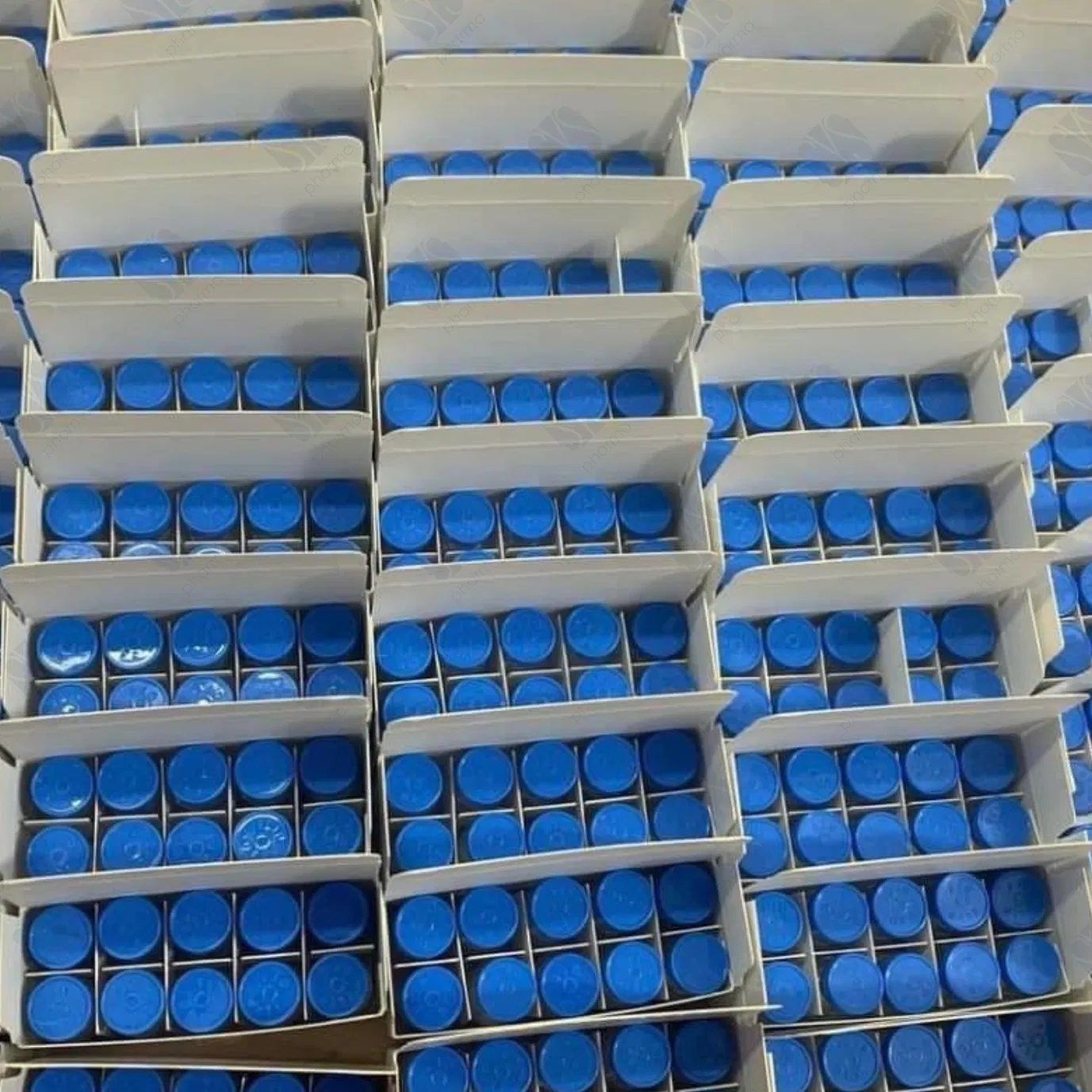
Bulk packaging options available for institutional research
Trade Assurance
Factory-direct sourcing ensures authenticity and high purity
Verified COA documents accompany every batch
Stable supply chain supports ongoing research needs
OEM customization available for institutional or commercial use
Payment Support
Accepts bank transfer, PayPal, and major credit cards
Supports corporate procurement channels for bulk or recurring orders
Flexible payment options facilitate smooth international transactions
Disclaimer
ADMAX Peptide is intended exclusively for laboratory research. It is not for human or veterinary use, and no clinical or therapeutic applications are implied. Researchers must follow all institutional safety and handling protocols.
Be the first to review “ADMAX (Adamax) – 99%High Purity Factory-Manufactured Freeze-Dried Peptide” Cancel reply
1. What is ADMAX Peptide?
ADMAX Peptide (Adamax) is a high-purity, N-terminal acetylated 9-amino-acid peptide designed for laboratory research. It shares structural similarity with Semax but has a longer peptide sequence.
2. What are the intended applications of ADMAX Peptide?
It is used for in vitro receptor-binding studies, peptide–protein interaction analysis, structural and conformational research, analytical method validation, and computational modeling.
3. Can ADMAX Peptide be used in humans or animals?
No. ADMAX Peptide is strictly for research use only and is not intended for human or veterinary applications.
4. What purity does ADMAX Peptide have?
Each batch is ≥98% pure, verified by HPLC and mass spectrometry.
5. Are certificates of analysis (COA) provided?
Yes. Each lot comes with a COA confirming peptide identity, purity, and analytical validation.
6. What form is ADMAX supplied in?
It is supplied as a freeze-dried, lyophilized powder for stability and ease of handling.
7. How should ADMAX Peptide be stored?
Store at -20°C, dry, and protected from light. Avoid repeated freeze-thaw cycles.
8. How should it be reconstituted?
Use sterile water or compatible buffers. Aliquot solutions to minimize freeze-thaw cycles.
9. Are there any special safety precautions?
Use gloves, lab coat, and eye protection. Handle powder carefully and follow laboratory safety protocols.
10. Can ADMAX be used for receptor-binding studies?
Yes. It serves as a model ligand for receptor analogs in controlled in vitro studies.
11. Is ADMAX suitable for structural studies?
Yes. Compatible with NMR, CD spectroscopy, FTIR, and computational modeling of peptide structure.
12. Can it be used for analytical method development?
Yes. ADMAX is ideal for HPLC, LC-MS, and spectroscopic assay validation and calibration.
13. What are the recommended working concentrations?
Typically 0.1–5 mg/mL depending on assay format and detection sensitivity.
14. Are bulk or wholesale options available?
Yes. Factory-direct supply supports bulk orders with verified purity documentation.
15. Are OEM or custom packaging options available?
Yes. Custom labeling and packaging are available for institutional or commercial research purposes.
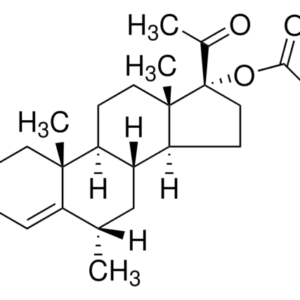
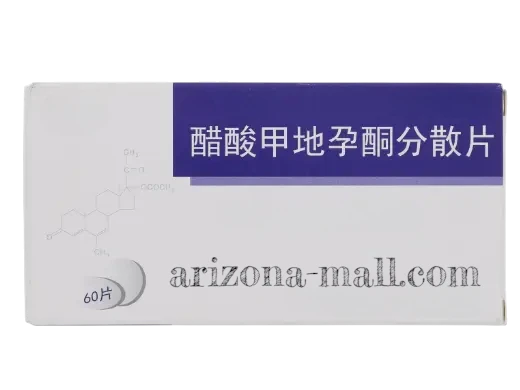
High-purity Medroxyprogesterone Acetate (CAS 71-58-9) for laboratory and preclinical research applications. Used to study steroid hormone signaling, receptor interaction, and gene expression modulation in controlled experimental models. Factory-direct supply with batch verification and bulk options for research laboratories.$32.00Original price was: $32.00.$25.00Current price is: $25.00.
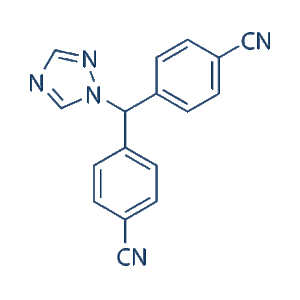
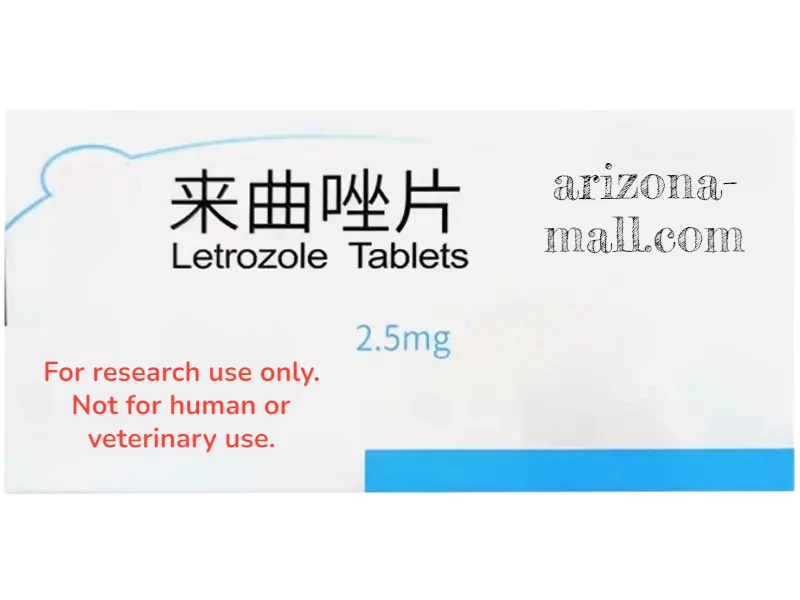
Letrozole (CAS 112809-51-5) is a high-purity, non-steroidal aromatase inhibitor widely used as a reference compound in oncology, endocrinology, metabolic disease, and multi-omic pathway research. Manufactured for laboratory R&D applications only.
$36.00Original price was: $36.00.$28.00Current price is: $28.00.



Reviews
There are no reviews yet.