
No products in the cart.
Sale
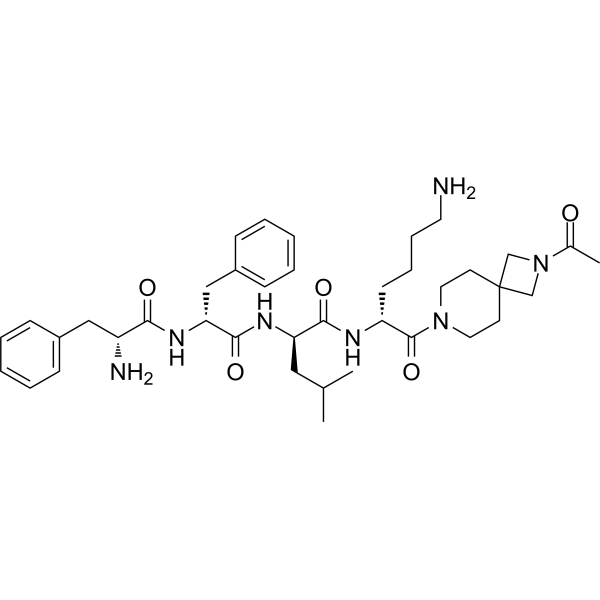
Anrikefon (CAS 2269511-95-5)
Original price was: $26.00.$18.00Current price is: $18.00.
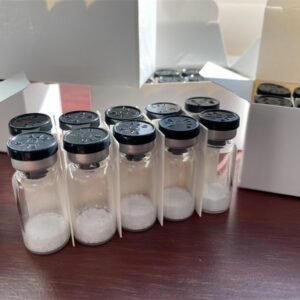
Anrikefon (HSK21542) is a selective kappa opioid receptor agonist with strong analgesic activity. It is used in preclinical studies to investigate pain modulation, opioid receptor pharmacology, and the development of non-addictive pain management strategies. GMP-grade quality ensures reliable results in laboratory research.
Description
Contents
hide
Product Description
Anrikefon (CAS 2269511-95-5), also known as HSK21542, is a synthetic research compound that functions as a kappa opioid receptor (KOR) agonist. Opioid receptors (mu, delta, and kappa) are critical regulators of pain perception, reward processing, and stress responses. Unlike mu-opioid receptor agonists, which are associated with addictive liability, kappa receptor agonists are under investigation as alternative analgesics with reduced abuse potential.
Background and Significance
The opioid system plays a central role in modulating nociception and stress responses. While classical opioids such as morphine primarily activate the mu-opioid receptor (MOR), leading to strong analgesia but also dependence and tolerance, selective kappa receptor agonists like Anrikefon provide a different pharmacological profile. KOR agonists offer analgesia through distinct signaling pathways without the same level of euphoric reinforcement, making them highly valuable for research in non-addictive pain therapeutics.
Anrikefon has been optimized for selectivity, potency, and safety in experimental models, providing a reliable pharmacological tool for studying opioid receptor signaling, neurobiology, and pain physiology.
Chemical Properties and Research Utility
Compound Class: Synthetic peptide-based opioid receptor agonist
Primary Target: Kappa opioid receptor (KOR)
Effect: Analgesia, antinociception, and modulation of stress-related signaling
Research Applications: Pain physiology, opioid receptor pharmacology, neuropsychiatric disorders
Anrikefon provides unique advantages compared to other opioid receptor ligands, allowing researchers to explore kappa-specific signaling without significant mu-receptor-mediated confounding effects.
Product Specifications
| Parameter | Details |
|---|---|
| Product Name | Anrikefon |
| Synonyms | HSK21542, Kappa opioid receptor agonist |
| CAS Number | 2269511-95-5 |
| Molecular Formula | Not disclosed (synthetic peptide analog) |
| Molecular Weight | Approximate, peptide-based |
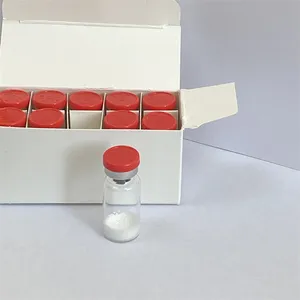
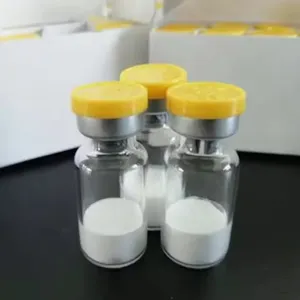
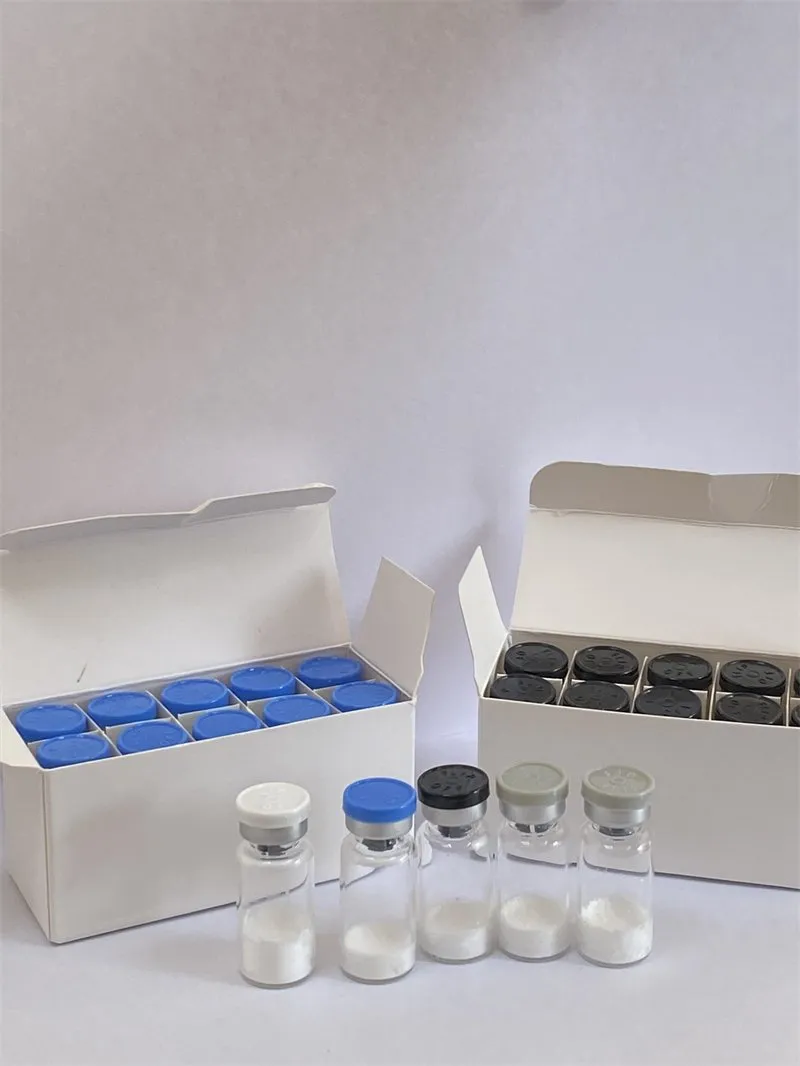
| Appearance | White to off-white lyophilized powder |
| Purity | ≥98% (HPLC) |
| Solubility | Soluble in water, PBS, and DMSO |
| Stability | Stable for ≥24 months at –20°C |
| Storage Conditions | Store at –20°C, avoid repeated freeze-thaw cycles |
| GMP Compliance | Produced under GMP-certified manufacturing |
| Applications | Pain research, opioid receptor pharmacology, CNS research |
| Availability | Retail & bulk quantities |
| Experimental Models | Rodent and non-human primate models of nociception and stress |
| Safety Considerations | For laboratory research use only; not for human or veterinary use |
Mechanism of Action & Research Applications
Mechanism of Action
Anrikefon acts as a selective kappa opioid receptor agonist, binding to KORs located in the central and peripheral nervous system. Upon activation:
Analgesic Effect: KOR agonism reduces nociceptive transmission in the spinal cord and brain regions associated with pain perception.
Anti-Pruritic Effect: KOR activation reduces itch signaling, making it useful for dermatological pain/itch models.
Stress and Mood Modulation: KOR agonism regulates stress pathways in the hypothalamic-pituitary-adrenal (HPA) axis.
Reduced Abuse Potential: Unlike MOR agonists, KOR agonists lack strong reinforcing effects, lowering addiction liability in preclinical models.
Research Applications
Pain and Analgesia Studies
Anrikefon is used to study central and peripheral pain mechanisms, including neuropathic and inflammatory pain models.Opioid Receptor Pharmacology
Provides insights into KOR signaling pathways compared to mu- and delta-opioid receptor ligands.Addiction Research
Helps evaluate potential opioid analgesics with reduced risk of dependence.Stress and Neuropsychiatric Disorders
KOR signaling is implicated in stress, depression, and anxiety models, making Anrikefon a tool for CNS research.Drug Development Models
Supports the design of next-generation non-addictive analgesics and KOR-selective therapeutics.
Side Effects (For Reference in Research Models)
In laboratory research models, the following effects have been noted for KOR agonists such as Anrikefon:
Dysphoria or Mood Alterations: Some animal models report aversive behavioral responses.
Motor Impairment: High doses may affect locomotor activity.
Sedation: CNS depression has been observed in experimental studies.
Stress Response Changes: Prolonged exposure may alter stress hormone signaling.
Species-Specific Sensitivity: Effects may differ across rodent and primate models.
Tolerance with Chronic Use: Extended dosing may reduce analgesic efficacy over time.
Disclaimer
For laboratory research use only. Not for human or veterinary use.
Keywords
Anrikefon HSK21542
Kappa opioid receptor agonist peptide
Non-addictive analgesic research compound
GMP-grade opioid receptor agonist
Anrikefon pain research peptide
KOR agonist for CNS research
Anrikefon bulk supplier
Laboratory-grade kappa opioid agonist
Research use only opioid receptor ligand
Additional information
| Weight | 0.8 kg |
|---|---|
| Dimensions | 26 × 53 × 26 cm |
Q1: What is Anrikefon?
A1: A selective kappa opioid receptor agonist with analgesic effects, used in laboratory research.
Q2: What is the CAS number of Anrikefon?
A2: CAS No. 2269511-95-5.
Q3: What is the synonym for Anrikefon?
A3: HSK21542.
Q4: What receptor does Anrikefon target?
A4: The kappa opioid receptor (KOR).
Q5: How does it produce analgesia?
A5: By reducing nociceptive transmission in the spinal cord and brain regions.
Q6: Is it addictive like morphine?
A6: No, KOR agonists like Anrikefon have lower abuse potential compared to mu-opioid agonists.
Q7: What research fields use Anrikefon?
A7: Pain physiology, CNS disorders, opioid pharmacology, and addiction research.
Q8: What are common experimental models?
A8: Rodent and primate models of pain, stress, and neuropsychiatric conditions.
Q9: What is its purity?
A9: ≥98% (HPLC).
Q10: How should Anrikefon be stored?
A10: At –20°C, protected from light and moisture.
Related products
Best Price with Peptides 10mg Vials – High-Purity Weight Loss Peptide in Stock with Safe Delivery
Weight Loss Peptide Moq: 10 vials per box Package: plastic or paper box Purity:99% Original price was: $36.00.$24.00Current price is: $24.00.Cosmetic Peptide Raw Material Factory – Low Price Wholesale Direct from China
Cosmetic Peptide Appearance: Lyophilized powder Dose 2mg 5mg 10mg 15mg 20mg Higher Original price was: $42.00.$22.00Current price is: $22.00.Semaglutide finished product (lyophilized powder) wholesale Supplier
Semaglutide finished product (lyophilized powder) wholesale $1.00Best-Selling Weight Loss Peptide: Slimming Peptide Reta with Safe Delivery
Weight Loss Peptide Lab-Tested Purity (99%+) – Ensures maximum effectiveness Original price was: $56.00.$23.00Current price is: $23.00.
Reviews
There are no reviews yet.