
No products in the cart.

Argireline | CAS 616204-22-9 | Anti-Wrinkle Peptide for Skin Rejuvenation and Anti-Aging Research
$2.00
Argireline (Acetyl hexapeptide-3) is a non-toxic, skin-permeable anti-wrinkle peptide that modulates neurotransmitter release to reduce facial expression lines. Widely used in cosmetic peptide research for skin rejuvenation and anti-aging applications.
Description
Product Description
Argireline (Acetyl hexapeptide-3) is one of the most extensively studied cosmetic peptides in dermatological research. As a synthetic peptide designed to mimic the N-terminal end of SNAP-25, a key component of the SNARE complex, Argireline functions by modulating neurotransmitter release mechanisms in the neuromuscular junction. Through this mechanism, Argireline can effectively reduce the intensity of facial muscle contractions that contribute to wrinkle formation, particularly in expression-prone areas such as the forehead, periorbital, and nasolabial regions.
In skin science and cosmetic research, Argireline has been characterized as a non-toxic, biocompatible, and skin-permeable neuropeptide that produces botulinum toxin-like effects without the invasive nature or cytotoxicity associated with neurotoxins. It offers a safer, reversible, and tunable alternative for studying wrinkle formation and facial tension mechanisms.
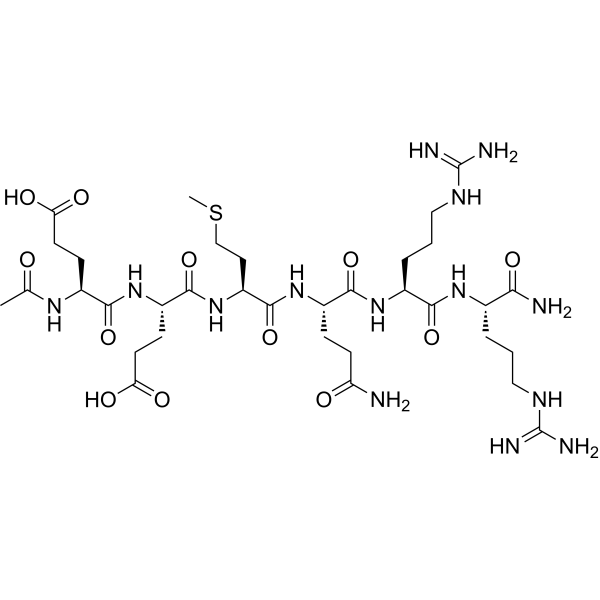
The peptide sequence of Argireline (Ac-Glu-Glu-Met-Gln-Arg-Arg-NH₂) enables specific binding to SNARE-associated receptors, leading to reversible inhibition of catecholamine and acetylcholine exocytosis. This results in decreased muscle innervation signaling, thus allowing dermal tissues to remain relaxed and reducing the appearance of dynamic wrinkles over time.
In cellular models, Argireline has demonstrated the ability to reduce the depth and density of facial expression lines, regulate calcium ion-dependent neurotransmitter exocytosis, and improve the viscoelastic properties of the dermis. These results have led to its growing use in cosmetic science, dermatological peptide research, and formulation development of topical anti-aging compounds.
From a biochemical perspective, Argireline acts as a modulator of neuromuscular junction signaling. It downregulates vesicular fusion between synaptic vesicles and neuronal membranes, resulting in lower levels of acetylcholine release. The overall effect is a relaxation of facial muscle tone, contributing to smoother skin texture and reduced wrinkle depth.
Beyond its neuromodulatory function, Argireline also influences extracellular matrix dynamics by enhancing collagen I and III synthesis. This dual mechanism—neuropeptide modulation combined with collagen stimulation—makes it an ideal subject for studies on skin elasticity, wrinkle prevention, and anti-aging interventions.
In research contexts, Argireline is evaluated using human dermal fibroblast models, reconstructed skin equivalents, and neuroepithelial culture systems. Investigators analyze its effects on neuropeptide signaling, oxidative stress balance, and the molecular pathways governing skin barrier integrity.
Ongoing studies explore Argireline’s synergistic behavior with other cosmetic peptides, including palmitoyl tripeptides, acetyl tetrapeptides, and antioxidant peptides such as glutathione and carnosine. These multi-peptide systems may offer complementary effects in reducing visible signs of skin aging by targeting multiple molecular pathways simultaneously.
Overall, Argireline represents a benchmark in non-invasive anti-wrinkle peptide research, offering mechanistic insights into neuropeptide regulation, collagen remodeling, and dermal relaxation. Its low cytotoxicity, excellent stability in aqueous formulations, and skin permeability make it a highly valuable peptide model for the study of cosmetic biochemistry, aging biology, and topical formulation science.
Product Specifications
| Property | Description |
|---|---|
| Product Name | Argireline |
| CAS Number | 616204-22-9 |
| Synonyms | Acetyl Hexapeptide-3; Acetyl Hexapeptide-8 |
| Molecular Formula | C34H60N14O12 |
| Molecular Weight | 888.91 g/mol |
| Purity | ≥99% |
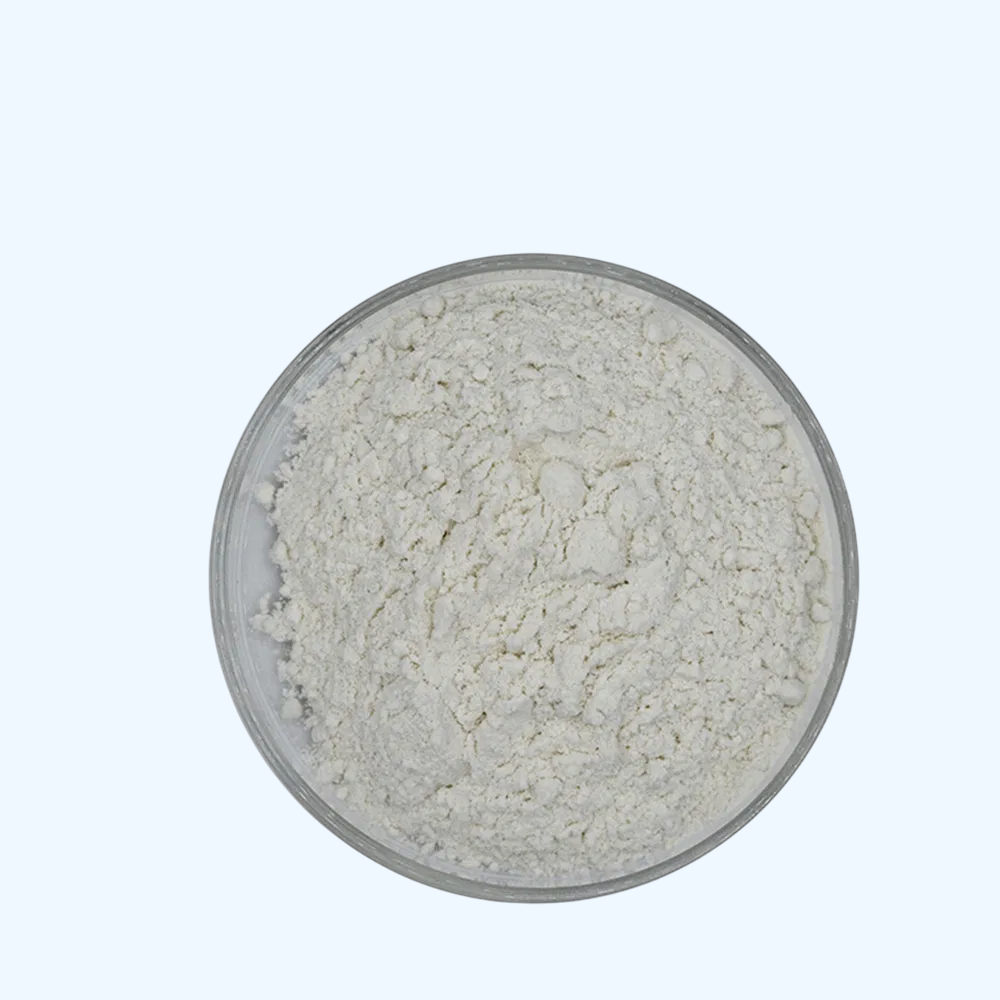
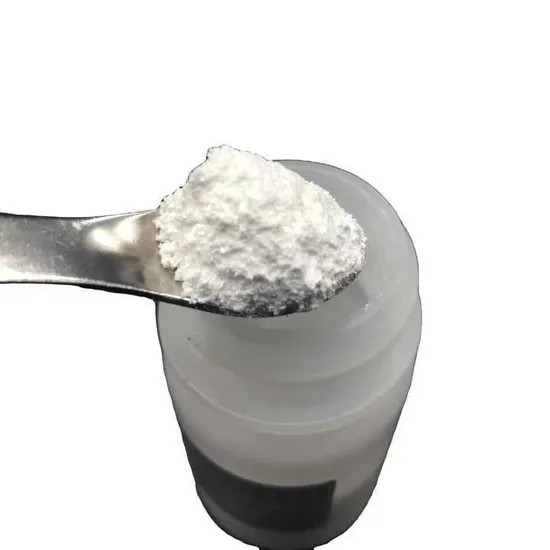
| Appearance | White to off-white lyophilized powder |
| Solubility | Soluble in water and aqueous buffers |
| Storage | -20°C, protected from light and moisture |
| Stability | Stable for up to 3 years under recommended conditions |
| Category | Cosmetic Peptides |
| Applications | Anti-wrinkle, anti-aging, skin rejuvenation, neuromuscular modulation, collagen synthesis research |
| Research Area | Dermatological Research, Anti-Aging Mechanisms, Neuropeptide Signaling |
| Intended Use | For laboratory research use only |
Mechanism of Action
Argireline’s mechanism of action is centered around neuropeptide modulation, specifically its ability to interfere with the SNARE complex involved in neurotransmitter vesicle fusion. The SNARE complex (composed of SNAP-25, syntaxin, and synaptobrevin) mediates vesicular docking and fusion events in neuronal exocytosis.
Argireline mimics the N-terminal domain of SNAP-25 and competes for binding to the SNARE complex, preventing full vesicle fusion. As a result, the release of acetylcholine and catecholamines at the neuromuscular junction is reduced. This diminished neurotransmission leads to decreased muscle contractions, producing visible effects such as smoother skin and reduction in expression-induced wrinkles.
The mechanism also involves Ca²⁺-dependent inhibition, where Argireline modulates intracellular calcium signaling pathways, contributing to controlled neurotransmitter exocytosis suppression.
In addition to its neuromodulatory effects, Argireline influences extracellular matrix remodeling. Research shows that it can upregulate collagen I and III production in fibroblasts and reduce MMP-1 (matrix metalloproteinase-1) activity, thus maintaining dermal matrix density.
Argireline’s dual pathway—neurotransmission inhibition and ECM modulation—positions it as an ideal peptide for research on non-invasive anti-aging mechanisms. Compared to botulinum toxin type A (BoNT/A), Argireline exhibits a similar inhibitory profile on SNARE-mediated release but without inducing irreversible paralysis or neurotoxicity.
These properties make Argireline a unique subject for studying peptide-based neuromodulators, wrinkle attenuation, and skin physiology regulation. Researchers often combine Argireline with antioxidants or hydration-enhancing peptides to investigate synergistic effects on skin elasticity, moisture retention, and oxidative stress balance.

Side Effects
In controlled in vitro and ex vivo models, Argireline has demonstrated a favorable safety profile with negligible cytotoxicity and no evidence of genotoxic or mutagenic effects. As a peptide composed of naturally occurring amino acids, it is biodegradable and non-immunogenic.
Potential side effects in experimental settings are minimal and usually limited to transient irritation at high concentrations (>5 mM). Unlike botulinum-derived neurotoxins, Argireline does not cause permanent muscle paralysis or tissue necrosis.
No systemic absorption has been detected under standard in vitro diffusion conditions, confirming its dermal safety and localized action. Nonetheless, research use should always adhere to proper laboratory safety and handling protocols, ensuring peptide integrity and experimental accuracy.
Keywords
CAS 616204-22-9,Cosmetic Peptides, Anti-Wrinkle Peptide, Argireline, Acetyl Hexapeptide-3, Facial Expression Lines, Neuropeptide Modulation, Skin Rejuvenation, Collagen Synthesis, Wrinkle Reduction, Anti-Aging Peptide Research
Shipping Guarantee
All shipments are handled using validated cold-chain logistics to preserve peptide integrity. Each package is sealed in moisture-proof containers with secondary protective wrapping and continuous temperature monitoring. Products are shipped via express international couriers with full tracking and insurance coverage.
Trade Assurance
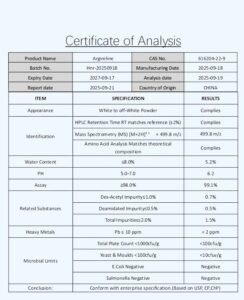
We ensure product authenticity, verified ≥99% purity, and compliance with analytical standards (HPLC, MS, and NMR). Each batch is supplied with a Certificate of Analysis (CoA). Our trade assurance policy guarantees replacement or refund for any deviation from listed specifications.
Payment Support
We provide flexible and secure global payment options to support international research transactions. Accepted payment methods include PayPal, major credit cards (Visa, MasterCard, American Express), telegraphic transfer (T/T), and cryptocurrencies (USDT, Bitcoin, Ethereum). All transactions are protected by industry-standard encryption and verified payment gateways to ensure confidentiality and fund security.
Disclaimer
All products listed are intended for laboratory research use only and not for human or veterinary use. They are not drugs, medical devices, or diagnostics and should not be administered to humans or animals. Researchers must handle all materials in accordance with institutional biosafety and chemical safety guidelines. The information provided is for scientific reference only and does not imply therapeutic efficacy, safety, or regulatory approval.

Additional information
| Weight | 0.8 kg |
|---|---|
| Dimensions | 22 × 28 × 22 cm |
What is Argireline used for in cosmetic research?
It is used to study non-invasive peptide-based wrinkle reduction and neuromodulatory mechanisms.
How does Argireline differ from botulinum toxin?
It mimics the mechanism of BoNT/A by reducing neurotransmitter release but without toxicity or paralysis.
What is its purity level?
Verified ≥99%, confirmed by HPLC and MS analysis.
Is Argireline stable in topical formulations?
Yes, it remains stable for up to 24 months under standard cosmetic formulation conditions.
Does it enhance collagen production?
Research shows increased collagen I and III synthesis in fibroblast cultures.
Can Argireline be used with antioxidants?
Yes, it is often studied in combination with peptides like glutathione or carnosine for synergistic effects.
Is it safe for skin models?
Demonstrated to be non-toxic, non-irritating, and non-sensitizing in skin model studies.
What concentration is recommended for in vitro use?
Typically 0.1–1 mM depending on assay type and cellular model.
Is this product intended for human application?
No. It is strictly for laboratory research use only.
What documentation is provided?
Each batch includes a Certificate of Analysis (CoA) and technical data sheet.
Related products
Tripeptide-41 | CAS 1093241-16-7 | Lipolytic Signal Peptide for Anti-Fat and Firming Skin
Tripeptide-41 (CG-Lipoxyn) is a cosmetic research peptide that promotes lipolysis and helps improve skin firmness by activating intracellular signaling pathways associated with fat metabolism. Original price was: $3.00.$1.00Current price is: $1.00.Glycyl-L-histidyl-L-lysine | CAS 49557-75-7 | Regenerative Tripeptide Precursor for Skin Repair and Anti-Aging Research
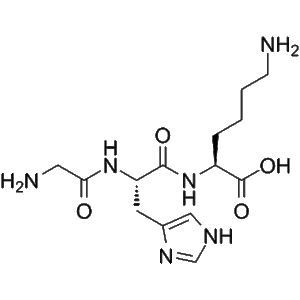
Glycyl-L-histidyl-L-lysine (GHK) is a naturally occurring tripeptide composed of glycine, histidine, and lysine. It plays a pivotal role in skin regeneration, collagen synthesis, and antioxidant protection, making it a cornerstone compound in cosmetic peptide research. Original price was: $28.00.$16.00Current price is: $16.00.Nonapeptide-1 acetate | CAS 158563-45-2 | Melanin-Inhibiting Peptide for Skin Brightening and Pigmentation Research
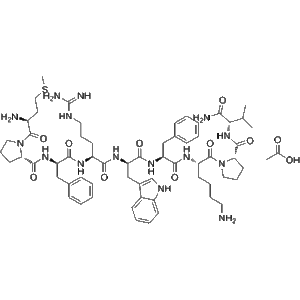
Nonapeptide-1 acetate (Melanostatine-5) is a synthetic cosmetic peptide that selectively inhibits α-MSH-induced melanogenesis. It is widely used in research for skin brightening, melanin inhibition, and pigmentation modulation, making it a core molecule in dermatological peptide studies. Original price was: $26.00.$22.00Current price is: $22.00.Trifluoroacetyl Tripeptide-2 | CAS 64577-63-5 | Anti-Wrinkle Peptide for Skin Firming and Elasticity
Trifluoroacetyl Tripeptide-2 is a bioactive cosmetic peptide that regulates progerin synthesis, supports extracellular matrix regeneration, and enhances skin firmness. It is widely used in anti-aging, wrinkle reduction, and elasticity-improvement research. Original price was: $3.00.$1.00Current price is: $1.00.
Reviews
There are no reviews yet.