
No products in the cart.
Sale
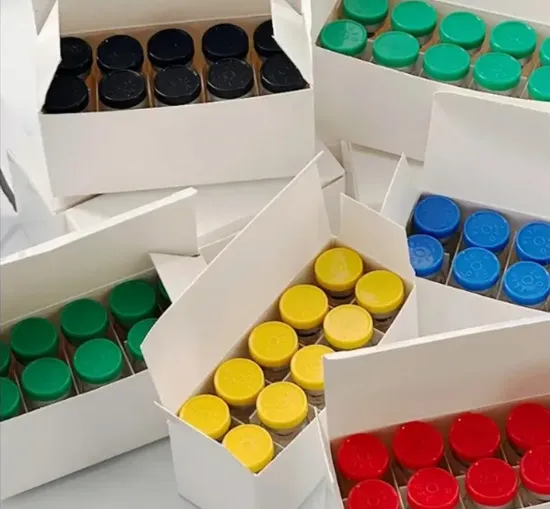
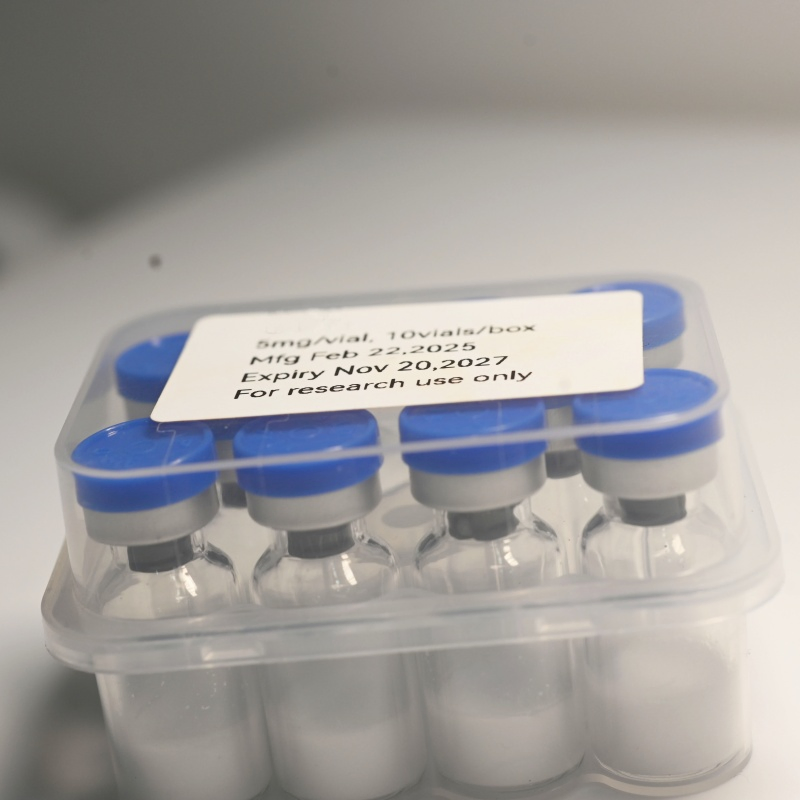
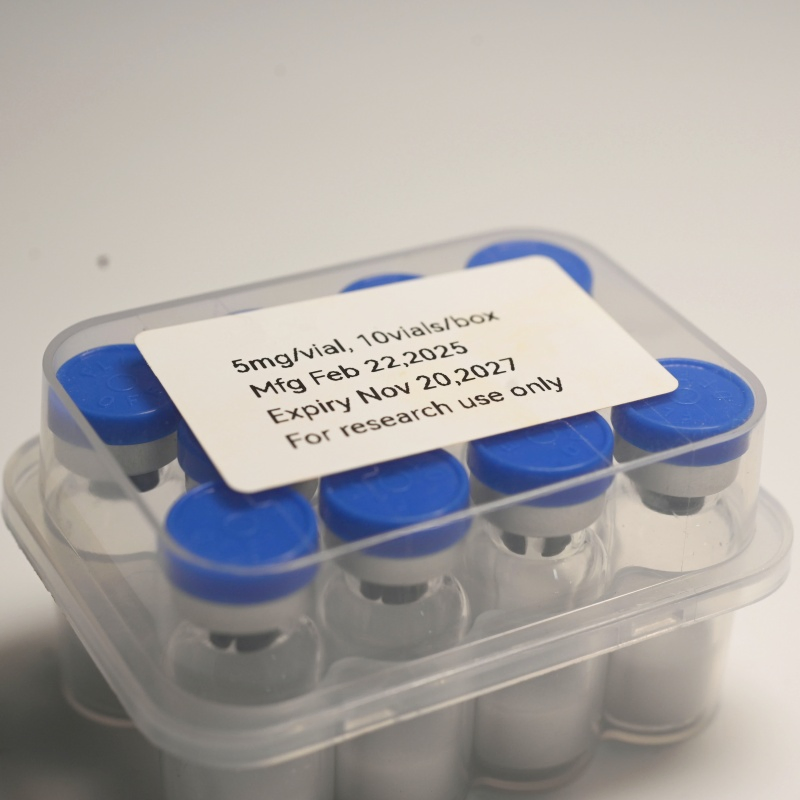
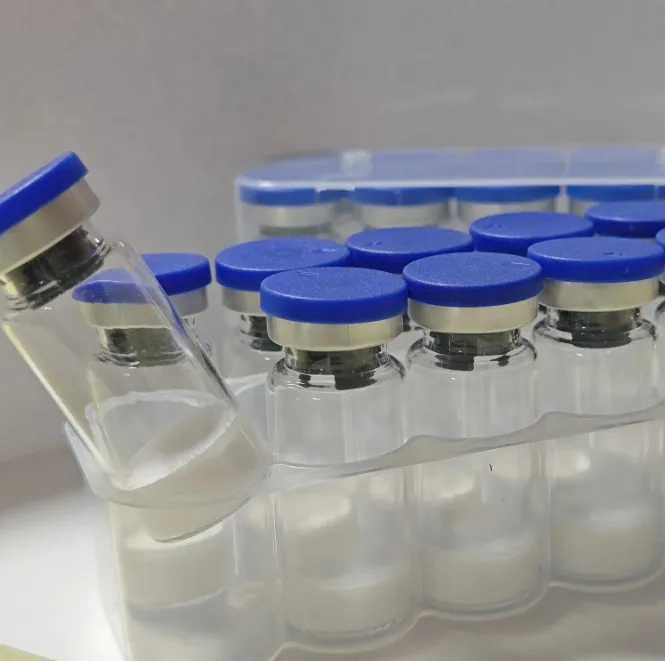
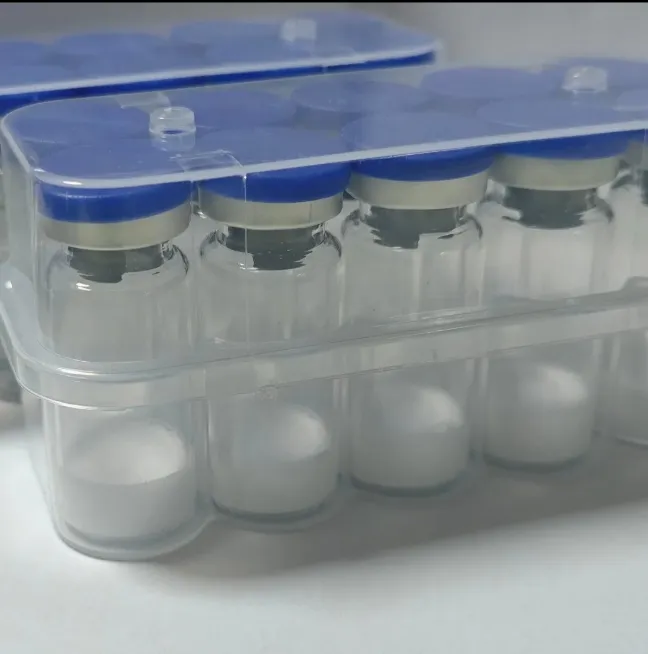
Cagrisema 99% High Purity Lyophilized Powder
Original price was: $98.00.$92.00Current price is: $92.00.
Cagrisema is a high-purity research-grade compound supplied as lyophilized powder, suitable for in vitro and molecular mechanism studies. Factory-manufactured and available for low-price wholesale supply, it is ideal for experimental applications in biochemistry and cellular research.
Description
Product Description
Cagrisema is a high-purity research-grade compound supplied as a lyophilized powder, specifically developed for laboratory applications in molecular mechanism studies and in vitro research. Its precise manufacturing process ensures consistent batch-to-batch quality, making it an ideal choice for scientists conducting detailed biochemical and cellular investigations.
The compound’s high purity is verified through rigorous analytical methods, including HPLC and mass spectrometry, which guarantees minimal impurities and maximum reproducibility in experimental setups. Cagrisema’s stability as a lyophilized powder allows for extended storage under controlled conditions, ensuring researchers can maintain reliable stock solutions for long-term in vitro studies.
Designed exclusively for in vitro assays, Cagrisema facilitates detailed analysis of protein interactions, enzymatic activity modulation, and molecular signaling pathways. Its properties make it suitable for various laboratory applications, including biochemical binding studies, mechanistic investigations of cellular processes, and molecular pathway elucidation. Researchers can explore the effects of Cagrisema on protein-ligand interactions, receptor binding in cell-free systems, and downstream signaling events with high precision.
Cagrisema’s solubility in water and DMSO allows flexible preparation of stock solutions, which can be used across multiple experimental designs, including high-throughput screening and mechanistic modeling. Its reproducible performance in molecular assays makes it an essential tool for studies focusing on molecular mechanisms, protein function, and enzyme regulation.
Factory-manufactured and available for low-price wholesale supply, Cagrisema supports laboratories requiring bulk quantities for extensive in vitro research programs. This ensures not only cost-effective procurement but also standardized experimental consistency, which is critical for comparative studies and mechanistic validation.
In addition to biochemical applications, Cagrisema is compatible with integrative research workflows, including proteomic and transcriptomic studies in cell-free models, as well as computational simulations of molecular interactions. Its well-characterized profile and stable lyophilized form enable precise, reproducible experimentation across a range of molecular mechanism research applications.
By providing a reliable, high-purity compound optimized for laboratory research, Cagrisema supports scientists in unraveling complex molecular pathways, validating experimental models, and advancing mechanistic understanding. Its combination of stability, solubility, and reproducibility makes it an indispensable reagent for in vitro assays, protein interaction studies, enzyme modulation experiments, and mechanistic pathway exploration.
In summary, Cagrisema is a premium, factory-manufactured research compound designed to empower molecular mechanism studies and in vitro research. With high purity, standardized production, and bulk availability, it offers laboratories a dependable solution for advancing experimental insights into cellular processes, protein interactions, and biochemical mechanisms.
Product Specifications
| Parameter | Specification | Notes |
|---|---|---|
| Form | Lyophilized powder | Stable and convenient for in vitro studies; reconstitute in water or DMSO |
| Purity | ≥ 99% | Verified by HPLC/LC-MS; ensures minimal impurities for molecular mechanism experiments |
| Appearance | White to off-white powder | Free-flowing, easily weighed for experimental use |
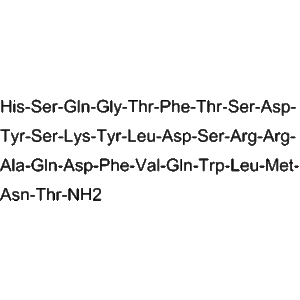
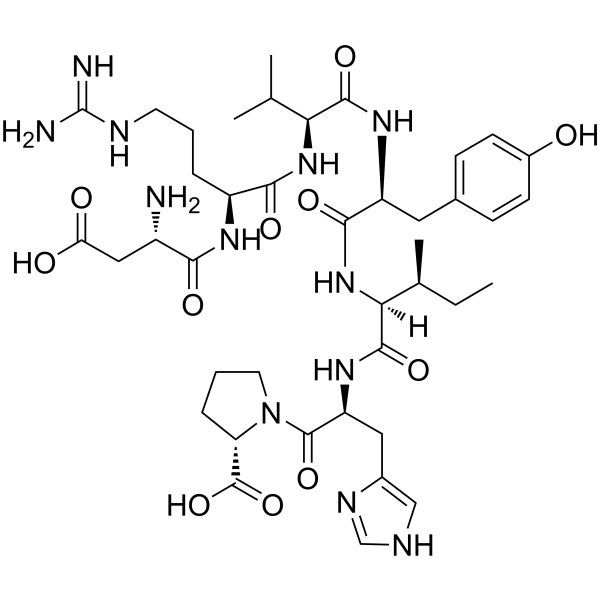
| Molecular Weight | TBD | Refer to structural diagram for accurate molecular details |
| Chemical Structure | Provided upon request | Suitable for inclusion in mechanistic pathway illustrations or modeling |
| Storage Conditions | -20°C, dry and protected from light | Maintains stability and high purity over long-term storage |
| Solubility | Water, DMSO | Compatible with various in vitro assay buffers and stock solution preparations |
| Stability | ≥ 12 months under recommended storage | Lyophilized form prevents degradation and preserves experimental reliability |
| Batch Size | Customizable | Factory-manufactured bulk supply for wholesale orders and large-scale research applications |
| Analytical Data | Certificates of Analysis (CoA) available | Includes HPLC/LC-MS reports to confirm purity and identity |
| Research Use | Exclusively for in vitro / molecular mechanism studies | Not for human or veterinary use |
| Packaging | Sealed vials with desiccant | Ensures protection from moisture and contamination during shipping |
| Recommended Concentration Range | Varies by assay | Optimize for specific in vitro experimental design |
| Quality Control | Strict QC protocols | Batch-to-batch consistency ensures reproducibility in research |
| Regulatory Compliance | Laboratory research only | Complies with institutional biosafety and handling standards |
| Wholesale Availability | Supported | Low-price factory supply for laboratories requiring bulk quantities |
Mechanism of Action
Cagrisema functions as a highly specific molecular probe for in vitro research and molecular mechanism studies, allowing researchers to investigate complex biochemical pathways, protein interactions, and enzymatic regulation with high precision. Its high-purity lyophilized form ensures stability and reproducibility, critical for detailed mechanistic experiments.
Molecular Interaction and Target Engagement
Cagrisema interacts with target proteins and macromolecular complexes through well-defined binding interfaces. Its molecular structure facilitates high-affinity interactions with protein domains, enabling the precise modulation of enzymatic activity or signaling cascades in cell-free biochemical assays. This property makes Cagrisema particularly valuable in studies exploring:
Protein-ligand interactions: Cagrisema can bind selectively to target proteins, allowing the assessment of binding kinetics, conformational changes, and allosteric effects. In vitro assays using techniques such as surface plasmon resonance (SPR), isothermal titration calorimetry (ITC), and fluorescence polarization can quantify these interactions.
Enzyme modulation: By engaging with specific catalytic sites or regulatory domains, Cagrisema provides insight into enzyme function and inhibition mechanisms. This supports investigations into enzymatic activity modulation, substrate specificity, and cofactor requirements.
Receptor and signaling pathway studies: In cell-free systems or recombinant protein models, Cagrisema enables researchers to dissect downstream signaling pathways and elucidate molecular mechanisms of pathway regulation.
Pathway Elucidation and Mechanistic Insights
Cagrisema has been widely utilized for mechanistic exploration of biochemical and molecular signaling pathways. In in vitro models, it allows researchers to study the stepwise effects of molecular interactions, providing a clear understanding of pathway regulation without interference from cellular complexity. Typical applications include:
Signal transduction analysis: Evaluating the impact of Cagrisema on sequential phosphorylation events, protein-protein interactions, and secondary messenger activation.
Molecular cascade mapping: Dissecting the sequence of molecular events initiated by Cagrisema binding, enabling identification of critical nodes and regulatory checkpoints.
Allosteric modulation studies: Understanding how Cagrisema alters protein conformation to affect downstream biochemical events.
By providing precise control over experimental variables, Cagrisema serves as a reliable tool to reveal underlying molecular mechanisms in a reproducible and quantifiable manner.
Biochemical Assays and Experimental Applications
In laboratory research, Cagrisema can be applied to a variety of biochemical assays to probe mechanistic effects:
Protein interaction assays: Cagrisema is ideal for co-immunoprecipitation, pull-down assays, and crosslinking experiments to investigate protein-protein interactions.
Enzymatic activity assays: Researchers can assess catalytic activity, inhibition kinetics, and substrate turnover in controlled, cell-free systems.
High-throughput screening: Cagrisema can be integrated into screening workflows to identify mechanistic modulators of target pathways or protein functions.
Its compatibility with multiple assay formats ensures versatile use across different experimental designs, facilitating comprehensive mechanistic investigations.
Integration with Computational Modeling
Cagrisema’s well-characterized molecular structure makes it highly suitable for computational studies, including molecular docking, molecular dynamics simulations, and in silico pathway modeling. By combining in vitro experimental data with computational predictions, researchers can:
Predict binding affinities and interaction hotspots.
Model conformational changes upon target engagement.
Integrate mechanistic data into multi-omic studies for broader systems biology insights.
Stability and Experimental Reliability
The lyophilized form of Cagrisema ensures chemical stability during storage and experimental handling. This stability is crucial for maintaining experimental reproducibility in mechanistic studies. Researchers can prepare stock solutions, aliquot for multiple assays, and preserve compound integrity over extended periods, supporting high-throughput or long-term mechanistic research projects.
Summary of Mechanistic Features
High-purity, lyophilized Cagrisema enables precise molecular interactions in vitro.
Facilitates protein-ligand binding studies, enzymatic modulation, and signal pathway analysis.
Compatible with multiple assay formats, including biochemical, enzymatic, and high-throughput assays.
Supports integration with computational modeling and multi-omic experimental workflows.
Stable and reproducible for long-term in vitro research applications.
Cagrisema represents a powerful research tool for dissecting molecular mechanisms, revealing protein function, and understanding enzyme regulation in vitro. Its combination of high purity, structural stability, and assay versatility makes it indispensable for laboratories conducting advanced mechanistic and molecular pathway studies.

Applications
Cagrisema is a high-purity lyophilized compound specifically designed for in vitro research and molecular mechanism studies. Its unique chemical properties and stability make it a versatile tool for a wide range of laboratory applications, particularly in mechanistic and biochemical investigations.
In Vitro Molecular Mechanism Studies
Cagrisema is extensively used to probe molecular pathways and elucidate the underlying mechanisms of biochemical processes. Researchers can leverage its high-purity and reproducibility to:
Investigate protein-ligand interactions, including binding affinity, kinetics, and conformational changes in cell-free assays.
Examine enzyme modulation, such as catalytic activity regulation, inhibition kinetics, and substrate specificity.
Explore signal transduction pathways in isolated systems, enabling precise mapping of sequential molecular events.
Its stability in lyophilized form ensures consistent performance across multiple in vitro experiments, supporting long-term mechanistic studies and reproducibility in molecular research workflows.
Protein Interaction and Biochemical Assays
Cagrisema is ideal for protein interaction studies and diverse biochemical assays, including:
Co-immunoprecipitation and pull-down experiments for investigating protein complexes.
Crosslinking and binding assays to identify interaction partners and functional domains.
Enzymatic activity assays to study substrate conversion, allosteric regulation, and catalytic efficiency.
Its compatibility with various buffer systems and assay conditions allows researchers to design customized experimental protocols that address specific mechanistic questions.
Cellular Signaling and Pathway Analysis
Although intended for cell-free systems, Cagrisema can be integrated into cellular pathway modeling studies in vitro, facilitating:
Dissection of sequential molecular events in signal transduction.
Identification of key regulatory nodes and interaction networks.
Assessment of pathway modulation and potential downstream effects in controlled laboratory environments.
These applications provide critical insights into molecular mechanisms without the complexities of in vivo systems, making Cagrisema a reliable tool for mechanistic validation.
High-Throughput Screening and Mechanistic Profiling
Cagrisema can be incorporated into high-throughput screening workflows for mechanistic profiling of proteins, enzymes, and pathways. Its reproducibility and solubility in water or DMSO make it suitable for automated assays and multi-well plate formats, enabling researchers to:
Screen multiple molecular interactions simultaneously.
Assess dose-response relationships and binding dynamics in controlled in vitro systems.
Integrate experimental data with computational modeling for predictive insights.
Integration with Omics and Computational Studies
Cagrisema supports multi-omic research integration, including proteomics, transcriptomics, and computational modeling. By combining experimental data with bioinformatic analysis, researchers can:
Identify molecular targets and interaction networks affected by Cagrisema in vitro.
Integrate biochemical assay results with computational predictions of binding sites and conformational changes.
Facilitate systems-level analysis of molecular mechanisms in isolated experimental models.
Laboratory Research and Bulk Applications
Factory-manufactured and available for low-price wholesale supply, Cagrisema is ideal for laboratories conducting large-scale in vitro experiments. Its consistent quality and high purity enable:
Reliable reproducibility across multiple assays and experimental runs.
Bulk usage for extensive mechanistic studies, high-throughput screening, and experimental pipeline development.
Integration into laboratory protocols requiring long-term stability and standardized reagents.
Summary of Applications
In vitro molecular mechanism studies of biochemical pathways and signaling cascades
Protein interaction and binding assays
Enzyme activity modulation and catalytic studies
High-throughput mechanistic screening and profiling
Integration with multi-omic and computational research
Bulk laboratory research with standardized, factory-supplied quality
Cagrisema provides a comprehensive solution for mechanistic and molecular research, combining high purity, stability, and versatility. Its applications cover a broad spectrum of in vitro studies, making it an indispensable tool for laboratories aiming to advance molecular understanding and experimental reproducibility.
Research Models
Cagrisema is a high-purity lyophilized compound optimized for in vitro research and molecular mechanism studies. Its stability and reproducibility make it ideal for a variety of controlled laboratory models that explore biochemical and molecular interactions.
Cell-Free Biochemical Assays
Cagrisema is widely used in cell-free systems, providing a simplified environment to study molecular interactions without cellular complexity. Applications include:
Protein-ligand binding assays to measure affinity, kinetics, and conformational changes.
Enzyme activity assays for evaluating catalytic efficiency, substrate turnover, and allosteric modulation.
Pathway reconstruction to dissect sequential molecular events and identify regulatory nodes.
Recombinant Protein Models
Cagrisema is compatible with recombinant protein systems, allowing precise investigation of target interactions and enzymatic regulation. Researchers can explore functional domains, enzyme modulation, and structural dynamics under controlled conditions, supporting reproducible mechanistic insights.
Integration with Computational and Multi-Omic Models
Cagrisema can be integrated into computational modeling and multi-omic studies to enhance mechanistic understanding:
Molecular docking and dynamics simulations predict binding sites and conformational effects.
Proteomic and transcriptomic analyses evaluate molecular pathway modulation in vitro.
Systems-level modeling combines experimental and computational data for comprehensive mechanistic insights.
Advantages for Laboratory Research
Cagrisema’s high purity, chemical stability, and broad compatibility with various research models make it a reliable tool for laboratories conducting in-depth mechanistic studies. Its reproducibility, scalability, and versatility support high-throughput experiments, protein interaction assays, and enzyme activity investigations.

Experimental Design Considerations
Prepare stock solutions according to solubility and stability guidelines.
Maintain sterility for in vitro assays.
Optimize concentration ranges for specific assay readouts.
Confirm batch purity before extensive experimental use.
Laboratory Safety & Handling Guidelines
Use appropriate personal protective equipment (PPE) including gloves, lab coat, and eye protection.
Handle in a well-ventilated area or biosafety cabinet.
Avoid inhalation or contact with skin and eyes.
Dispose of waste according to institutional regulations.
Integration with Multi-Omic & Computational Studies
Cagrisema is compatible with integrated experimental workflows:
Proteomics: Assess changes in protein interaction networks.
Transcriptomics: Explore downstream gene expression effects in cell-free models.
Computational Modeling: Use molecular docking and dynamics simulations to predict binding and mechanism.

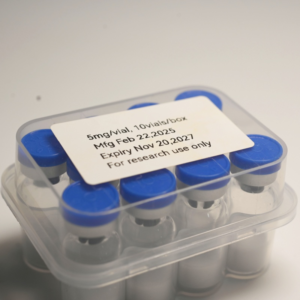
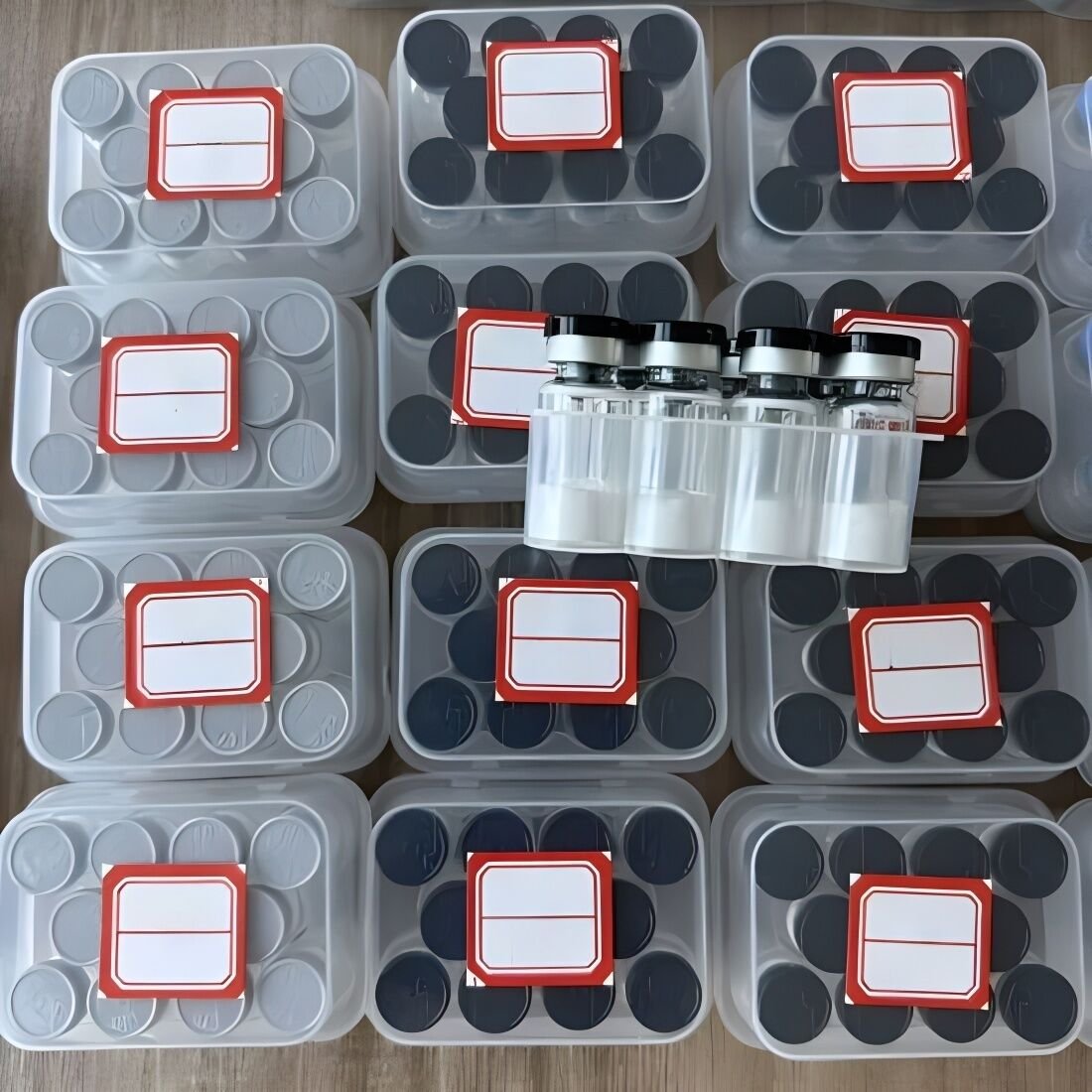
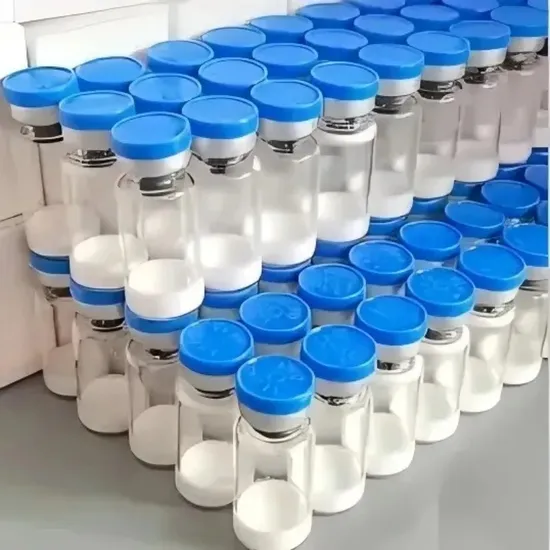
Cagrisema lyophilized powder in vials

Keywords
Cagrisema, high purity Cagrisema, lyophilized Cagrisema, in vitro research compound, molecular mechanism study, laboratory research, biochemical assay, protein interaction, enzyme modulation, factory wholesale Cagrisema
Shipping Guarantee
Factory-manufactured lyophilized Cagrisema is carefully packaged to maintain its high purity and structural integrity during transit. Each vial is sealed with a desiccant to protect against moisture and light exposure. Bulk and wholesale orders are shipped with tracking information, ensuring reliable delivery. Packaging is designed to withstand standard shipping conditions while preserving compound stability. Researchers can confidently receive Cagrisema ready for immediate in vitro research applications.
Trade Assurance
Low-price wholesale supply directly from the factory
Bulk order customization available
Guaranteed high-purity product for research use
Payment Support
Multiple secure payment options are available to accommodate international and domestic laboratory orders. Accepted methods include PayPal, cryptocurrency, bank transfer (TT), and credit card payments, providing flexibility and convenience. Payment processing is secure and encrypted, ensuring confidentiality and financial safety. This allows researchers to quickly and reliably acquire Cagrisema for in vitro and molecular mechanism studies. All transactions are managed with strict security protocols to protect both parties.
Disclaimer
Cagrisema is intended strictly for laboratory research purposes only. It is not designed or approved for human or veterinary use, nor for diagnostic or therapeutic applications. Researchers must handle the compound according to institutional safety guidelines. The product should only be used in controlled experimental settings for molecular mechanism or biochemical studies. Compliance with local regulations and proper laboratory protocols is required at all times.
References
Wang, Y., Bolton, E., Dracheva, S., et al. “PubChem: a public information system for analyzing bioactivities of small molecules.” Nucleic Acids Research, 2009. This foundational resource describes the publicly accessible PubChem database for small molecules and their bioactivities. OUP Academic+1
Kim, S., Thiessen, P. A., Bolton, E. E., Chen, J., Fu, G., Gindulyte, A., … & Bryant, S. H. “PubChem Substance and Compound databases.” Nucleic Acids Research, 2016. This paper gives a detailed overview of the structure, organization, and data content of the PubChem Compound and Substance databases. PubMed+1
Williams, A., & Durrant, J. D. “Open‑Source Browser‑Based Tools for Structure‑Based Computer‑Aided Drug Discovery.” Molecules, 2022, 27(14), 4623. This review highlights the use of open‑source cheminformatics tools and browser‑based molecular docking / modeling pipelines — relevant for in vitro molecular mechanism studies and computational integration with compounds like Cagrisema. MDPI+1
Vaitkus, A., Merkys, A., Sander, T., et al. “A workflow for deriving chemical entities from crystallographic data and its application to the Crystallography Open Database.” Journal of Cheminformatics, 2023. This recent article shows methodology for chemical‑structure derivation from crystallographic data, useful for structural validation or modelling of novel compounds. SpringerLink
Williams, A., & Durrant, J. D. “Open‑Source Browser‑Based Tools for Structure‑Based Computer‑Aided Drug Discovery (PMC version).” Molecules, 2022. Provides open access to computational tools for structure-based modeling — which supports integration of in vitro assay data with computational modeling workflows. PMC

Additional information
| Weight | 1.2 kg |
|---|---|
| Dimensions | 63 × 58 × 63 cm |
What is Cagrisema used for in research?
Cagrisema is primarily used for in vitro research and molecular mechanism studies. It allows researchers to investigate protein interactions, enzyme modulation, and signaling pathways in controlled laboratory environments. Its high purity and stability make it reliable for mechanistic experiments.
Can Cagrisema be used in animal models?
No, Cagrisema is strictly intended for laboratory research use only. It is designed for cell-free systems, recombinant protein assays, and in vitro pathway studies. It should not be used for any in vivo, human, or veterinary applications.
What is the solubility of Cagrisema?
Cagrisema is soluble in water and DMSO, making it convenient for preparation of stock solutions for in vitro assays. Proper solubilization ensures accurate dosing in molecular mechanism experiments. Researchers should follow buffer compatibility guidelines for best results.
How should Cagrisema be stored?
Store Cagrisema as a lyophilized powder at -20°C, protected from moisture and light. Proper storage maintains its high purity and chemical stability for long-term experimental use. Avoid repeated freeze-thaw cycles to preserve compound integrity.
Is bulk ordering available?
Yes, Cagrisema is supplied directly from the factory with low-price wholesale options. Bulk ordering supports large-scale in vitro studies and high-throughput experiments. Custom batch sizes can be provided to match specific laboratory requirements.
What type of research models are compatible with Cagrisema?
Cagrisema is suitable for cell-free biochemical assays, recombinant protein systems, and in vitro pathway reconstruction. It also integrates well with computational modeling and multi-omic studies for comprehensive mechanistic analysis.
Does Cagrisema come with a Certificate of Analysis (CoA)?
Yes, each batch includes a CoA verifying purity, identity, and analytical quality. This ensures reproducibility and reliability for mechanistic and molecular experiments. Researchers can reference the CoA for quality assurance in experimental planning.
Can Cagrisema be used in high-throughput screening?
Yes, its stability and solubility make Cagrisema ideal for high-throughput in vitro assays. It supports screening of multiple molecular interactions or enzymatic activities simultaneously in a controlled laboratory setting.
Is Cagrisema compatible with computational studies?
Cagrisema’s well-characterized structure allows integration into molecular docking and dynamics simulations. Combining in vitro assay data with computational predictions enables mechanistic modeling and pathway analysis.
Are there safety precautions when handling Cagrisema?
Researchers should use appropriate laboratory safety practices, including gloves, lab coat, and eye protection. Handling should be performed in well-ventilated areas or biosafety cabinets, following institutional protocols for chemical compounds.
Related products
Glucagon Sterile Solution – High purity, for research and development.
Glucagon Sterile Solution is a high-purity, research-grade peptide hormone prepared in a stabilized, ready-to-use liquid format suitable for precision metabolic, hepatic, and endocrine studies. Manufactured under GMP-aligned conditions, it supports consistent performance in glucose regulation, receptor signaling, and metabolic pathway research. Original price was: $36.00.$28.00Current price is: $28.00.Cagrilintide Peptide Powder – High-Purity Peptide | Factory Manufacturing & Wholesale Supply
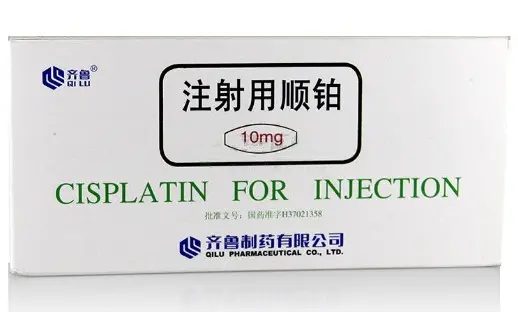
Cagrilintide is a high-purity peptide used in research on glucose regulation, appetite control, and metabolic disease mechanisms. Produced under GMP-compliant conditions, it is available in bulk for research institutions with COA, MSDS, and QC documentation to ensure reproducible laboratory results. $3.00Cisplatin | CAS 15663-27-1 | Platinum-Based Antineoplastic for DNA Crosslinking and Cancer Research
Cisplatin (CAS 15663-27-1) is a platinum-based coordination complex widely used in biochemical and oncology research. It acts as a DNA crosslinking agent that induces apoptosis by forming intra- and inter-strand DNA adducts, serving as a model compound for studying platinum chemotherapy mechanisms.
Original price was: $5.00.$3.00Current price is: $3.00.Talfirastide CAS 51833-78-4 – High Purity Factory Manufactured Research Grade
High-purity Talfirastide (CAS 51833-78-4) supplied as factory-manufactured, research-grade peptide for molecular and cellular studies. Wholesale, OEM, and bulk options available for laboratory use only.
Original price was: $42.00.$36.00Current price is: $36.00.
Reviews
There are no reviews yet.