
No products in the cart.
Sale
Dipeptide-2 | CAS 24587-37-9 | Bioactive Cosmetic Peptide for Anti-Aging and Skin Firming Research
Original price was: $3.00.$2.00Current price is: $2.00.
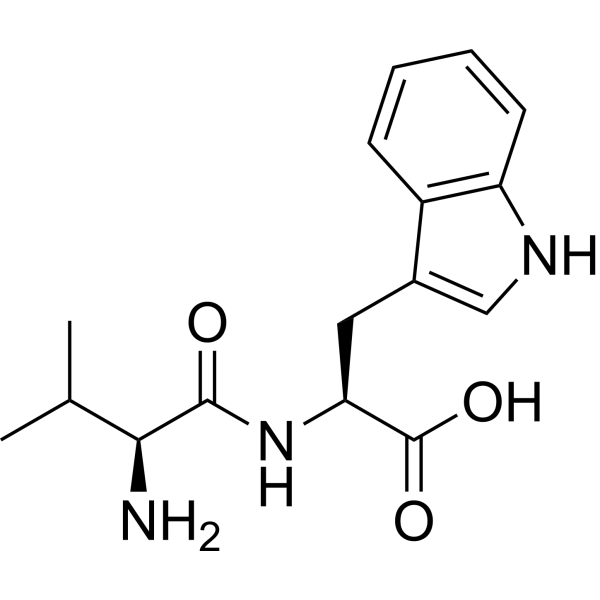
Dipeptide-2 (N-Valyltryptophan; Val-Trp) is a synthetic bioactive peptide widely studied for its anti-aging and skin-rejuvenating properties. It supports lymphatic drainage and skin firmness, making it a valuable ingredient in cosmetic research focused on reducing puffiness and under-eye bags.
Description
Product Description
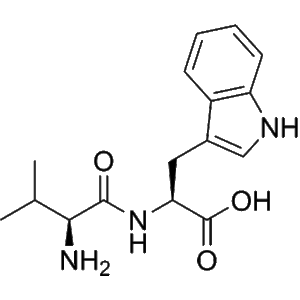
Dipeptide-2 (N-Valyltryptophan; Val-Trp) is a synthetic dipeptide composed of valine and tryptophan residues linked via a peptide bond. It is a low-molecular-weight bioactive compound primarily studied in cosmetic science for its role in reducing visible signs of aging, improving lymphatic circulation, and promoting skin firmness.
Originally developed for dermatological and cosmeceutical research, Dipeptide-2 has gained significant attention due to its ability to enhance microcirculation and support the skin’s natural drainage system. This helps decrease the accumulation of fluids under the eyes, reducing puffiness and promoting a smoother, more rejuvenated appearance in experimental models.
The peptide is also known to exhibit mild angiotensin-converting enzyme (ACE) inhibitory properties, which may influence local vascular responses and cellular signaling related to skin tone and texture. Through these pathways, Dipeptide-2 contributes to maintaining elasticity and combating dullness associated with fatigue or aging.
Its stable structure and compatibility with a wide range of cosmetic ingredients, including liposomes and emulsifiers, make Dipeptide-2 suitable for formulation studies in anti-aging creams, serums, and eye contour products. Furthermore, its synergistic use with other peptides—such as Palmitoyl Tetrapeptide-7 or Acetyl Hexapeptide-8—has been shown in research to amplify overall skin revitalization effects.
Dipeptide-2’s small molecular size enables deep dermal penetration, allowing it to effectively interact with fibroblast and keratinocyte cells. This interaction promotes increased skin metabolism, potentially improving firmness and smoothness. Consequently, it has become a benchmark ingredient for cosmetic research targeting lymphatic drainage, anti-aging, and fatigue-reducing applications.
Product Specifications
| Property | Description |
|---|---|
| Product Name | Dipeptide-2 |
| CAS Number | 24587-37-9 |
| Purity | ≥99% |
| Synonyms | N-Valyltryptophan, Val-Trp |
| Molecular Formula | C14H19N3O3 |
| Molecular Weight | 277.32 g/mol |
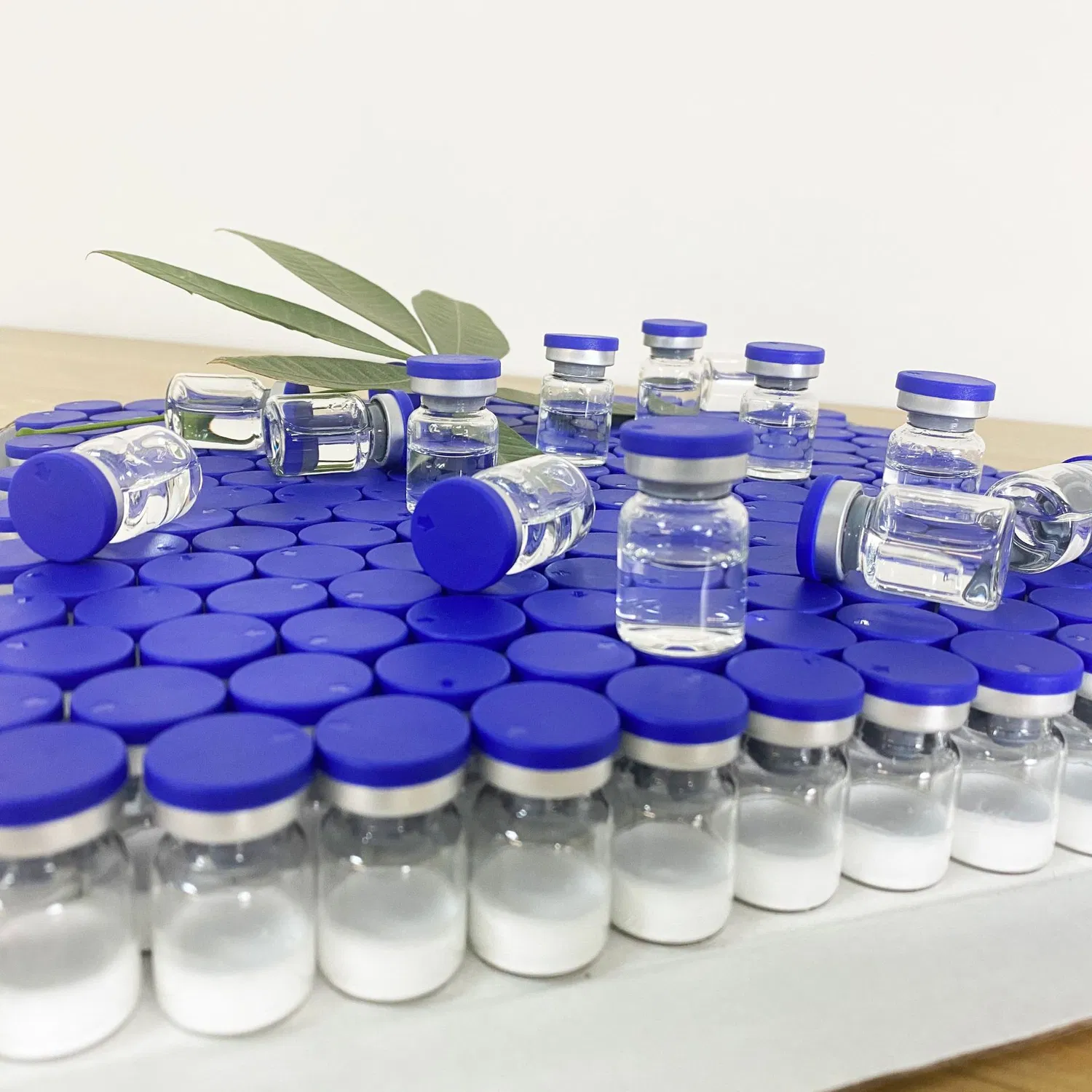
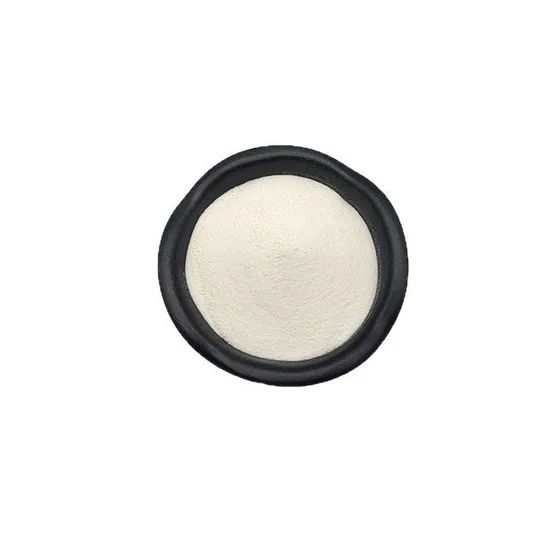
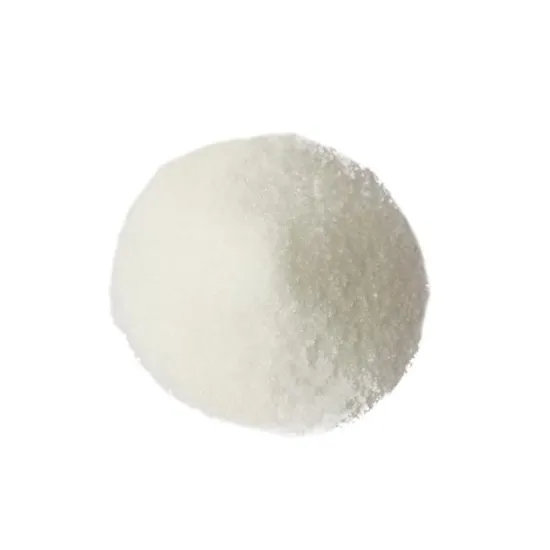
| Appearance | White to off-white powder |
| Solubility | Soluble in water and aqueous buffers |
| Category | Cosmetic Peptide / Anti-aging Peptide |
| Storage | Store at -20°C, protected from light and moisture |
| Shelf Life | 3 years under proper storage conditions |
Mechanism of Action
Dipeptide-2 operates via a multifaceted biological mechanism centered on enhancing microcirculation and modulating enzymatic activity in the dermal and subdermal layers. As an angiotensin-converting enzyme (ACE) modulator, it influences vascular tone and permeability, supporting efficient lymphatic drainage. This effect reduces the pooling of fluids and inflammatory mediators, especially in delicate periorbital regions.
In addition to its vascular effects, Dipeptide-2 demonstrates antioxidant and anti-glycation activity in research studies. These properties help protect skin proteins such as collagen and elastin from oxidative degradation and cross-linking, which are major contributors to visible aging. By maintaining the structural integrity of connective tissues, the peptide contributes to firmer, more elastic skin.
Dipeptide-2 may also influence fibroblast activity, stimulating extracellular matrix remodeling and improving skin resilience. The presence of tryptophan in its structure provides aromatic stability and enhances its interaction with lipid membranes, increasing its bioavailability in topical formulations.
In research formulations, Dipeptide-2 is often incorporated alongside other peptides targeting different pathways of skin aging—such as Matrixyl (Palmitoyl Pentapeptide-4) and Palmitoyl Tripeptide-1—to produce a synergistic lifting and smoothing effect. Its non-irritant nature and biochemical stability make it ideal for studies involving chronic exposure or repeated topical application models.
Side Effects
In laboratory evaluations, Dipeptide-2 is reported to have excellent tolerability and biocompatibility. It does not typically induce irritation, erythema, or sensitivity when tested under controlled cosmetic research conditions. However, concentration and formulation type should always be optimized according to study protocols.
No significant cytotoxicity or mutagenic activity has been reported in vitro. Nonetheless, as with all cosmetic research materials, researchers must handle the peptide under standard laboratory conditions and ensure it is not used in any clinical or human application.
Keywords
Dipeptide-2, N-Valyltryptophan, Val-Trp, anti-aging peptide, cosmetic peptide, under-eye puffiness peptide, peptide supplier China, high-purity cosmetic peptides, factory peptide manufacturer, cosmetic raw material supplier, peptide bulk wholesale, low-price peptide supplier.
Shipping Guarantee
All shipments are handled using validated cold-chain logistics to preserve peptide integrity. Each package is sealed in moisture-proof containers with secondary protective wrapping and continuous temperature monitoring. Products are shipped via express international couriers with full tracking and insurance coverage.
Trade Assurance
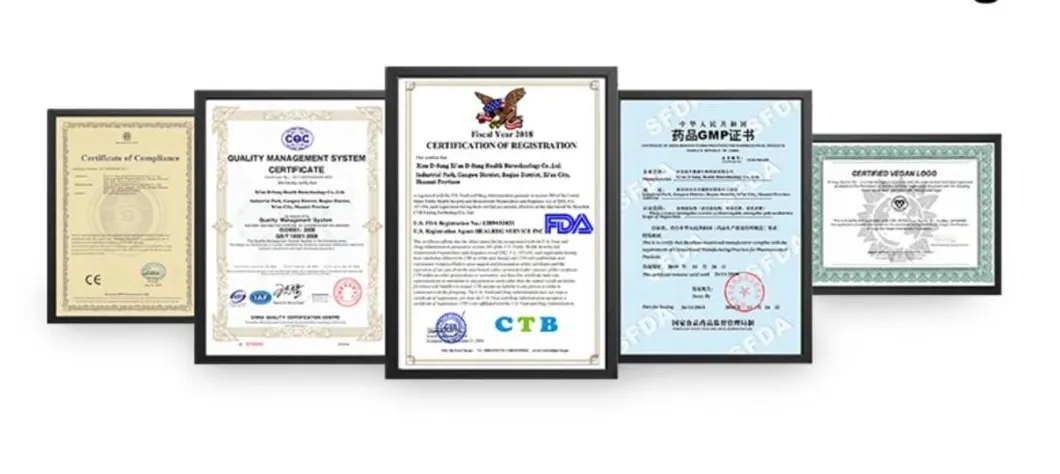
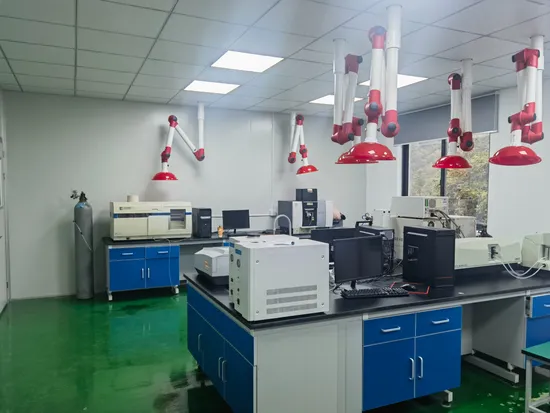
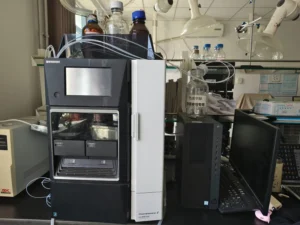
We ensure product authenticity, verified ≥99% purity, and compliance with analytical standards (HPLC, MS, and NMR). Each batch is supplied with a Certificate of Analysis (CoA). Our trade assurance policy guarantees replacement or refund for any deviation from listed specifications.
Payment Support
We provide flexible and secure global payment options to support international research transactions. Accepted payment methods include PayPal, major credit cards (Visa, MasterCard, American Express), telegraphic transfer (T/T), and cryptocurrencies (USDT, Bitcoin, Ethereum). All transactions are protected by industry-standard encryption and verified payment gateways to ensure confidentiality and fund security.
Disclaimer
All products listed are intended for laboratory research use only and not for human or veterinary use. They are not drugs, medical devices, or diagnostics and should not be administered to humans or animals. Researchers must handle all materials in accordance with institutional biosafety and chemical safety guidelines. The information provided is for scientific reference only and does not imply therapeutic efficacy, safety, or regulatory approval.

Additional information
| Weight | 0.8 kg |
|---|---|
| Dimensions | 56 × 28 × 56 cm |
What is Dipeptide-2 used for in cosmetic research?
It is studied for its anti-aging, anti-puffiness, and lymphatic drainage-supporting properties, particularly in eye-area formulations.
How does Dipeptide-2 reduce puffiness around the eyes?
It promotes lymphatic circulation and reduces fluid retention, helping decrease under-eye swelling.
Is Dipeptide-2 suitable for anti-aging skin care studies?
Yes. It helps support collagen preservation and improves skin elasticity in research models.
What is the purity level of Dipeptide-2?
Our Dipeptide-2 is ≥99% pure, verified by HPLC, MS, and NMR analyses.
Can it be combined with other peptides?
Yes. It is often paired with Palmitoyl Tetrapeptide-7, Palmitoyl Tripeptide-1, or Acetyl Hexapeptide-8 in research formulations.
Do you supply peptides in bulk quantities?
Yes, we are a factory peptide supplier offering peptide wholesale from China for global cosmetic research.
Is Dipeptide-2 stable in cosmetic formulations?
It is chemically stable and compatible with both aqueous and lipid-based cosmetic systems.
Do you provide customized peptide synthesis?
Yes, we offer OEM & custom peptide synthesis services tailored to cosmetic peptide research.
Can you supply Dipeptide-2 at low prices?
We provide low-price peptide wholesale directly from our China peptide manufacturing facility.
Does Dipeptide-2 have antioxidant effects?
Research indicates it may protect against oxidative stress and support collagen integrity.
How should Dipeptide-2 be stored?
Store it at -20°C, away from light and moisture, to preserve peptide stability.
Do you provide analytical data or CoA?
Yes. Each batch includes a full Certificate of Analysis verifying purity and molecular identity.
What is your minimum order quantity (MOQ)?
MOQ is flexible depending on research needs. Small quantities are available for lab-scale testing.
Are you a verified cosmetic raw material supplier?
Yes, we are a China-based peptide manufacturer and cosmetic raw material supplier specializing in high-purity peptides.
Why choose your company for peptide supply?
We ensure factory-direct pricing, ≥99% purity, global shipping, and secure payment support for all peptide research needs.
Related products
Argireline | CAS 616204-22-9 | Anti-Wrinkle Peptide for Skin Rejuvenation and Anti-Aging Research
Argireline (Acetyl hexapeptide-3) is a non-toxic, skin-permeable anti-wrinkle peptide that modulates neurotransmitter release to reduce facial expression lines. Widely used in cosmetic peptide research for skin rejuvenation and anti-aging applications. $2.00Acetyl tetrapeptide-2 | CAS 757942-88-4 | Bioactive Peptide for Collagen Stimulation
Acetyl tetrapeptide-2 (CAS 757942-88-4) is a bioactive cosmetic peptide known for its potent anti-aging properties. It enhances collagen and elastin synthesis, restores skin firmness, and improves structural resilience in aging skin. Original price was: $2.00.$1.00Current price is: $1.00.Tripeptide-41 | CAS 1093241-16-7 | Lipolytic Signal Peptide for Anti-Fat and Firming Skin
Tripeptide-41 (CG-Lipoxyn) is a cosmetic research peptide that promotes lipolysis and helps improve skin firmness by activating intracellular signaling pathways associated with fat metabolism. Original price was: $3.00.$1.00Current price is: $1.00.Copper tripeptide-3 | CAS 767286-83-9 | Bioactive Peptide for Hair Growth and Skin Regeneration Research
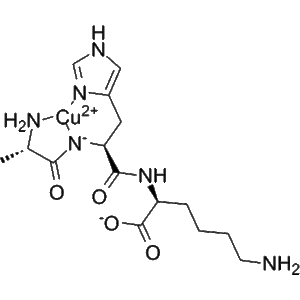
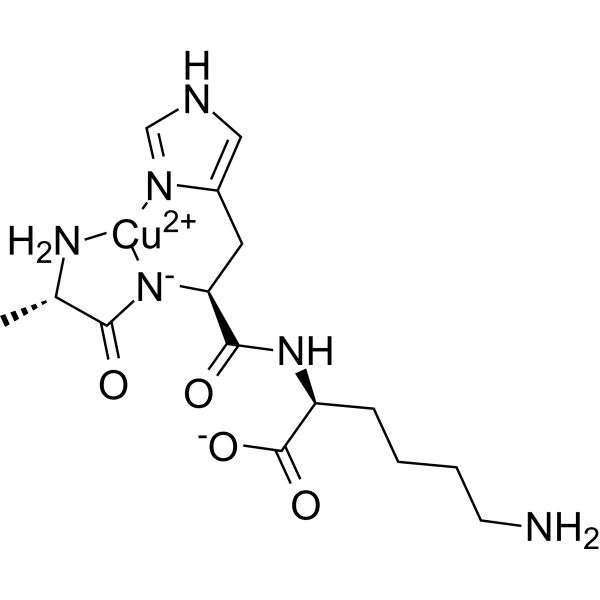
Copper tripeptide-3 (AHK-Cu) is a bioactive cosmetic peptide known for promoting hair growth, enhancing skin regeneration, and stimulating collagen synthesis. It supports dermal cell proliferation, improves extracellular matrix renewal, and revitalizes aging skin and scalp tissues. Original price was: $3.00.$1.00Current price is: $1.00.


Reviews
There are no reviews yet.