
No products in the cart.
Sale
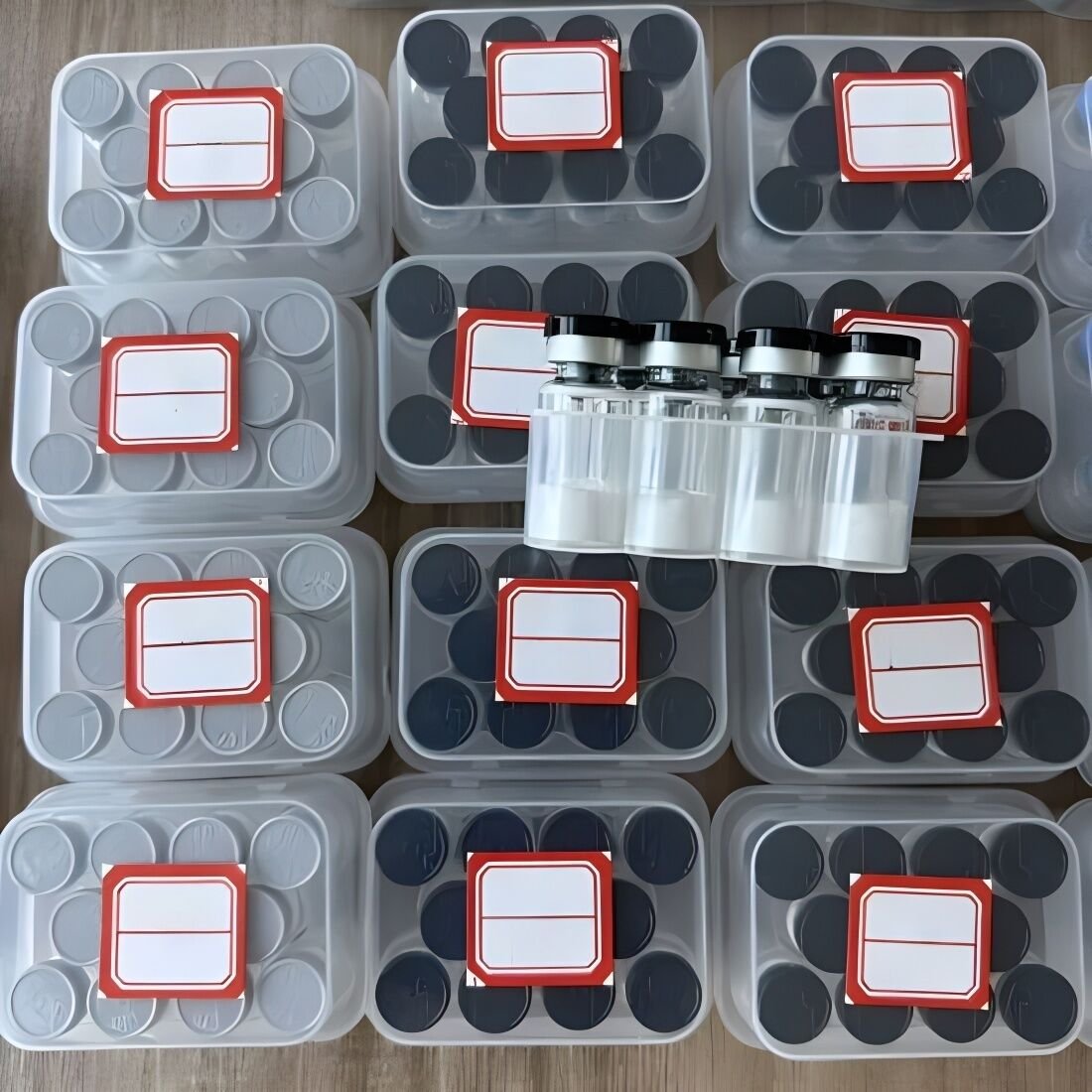
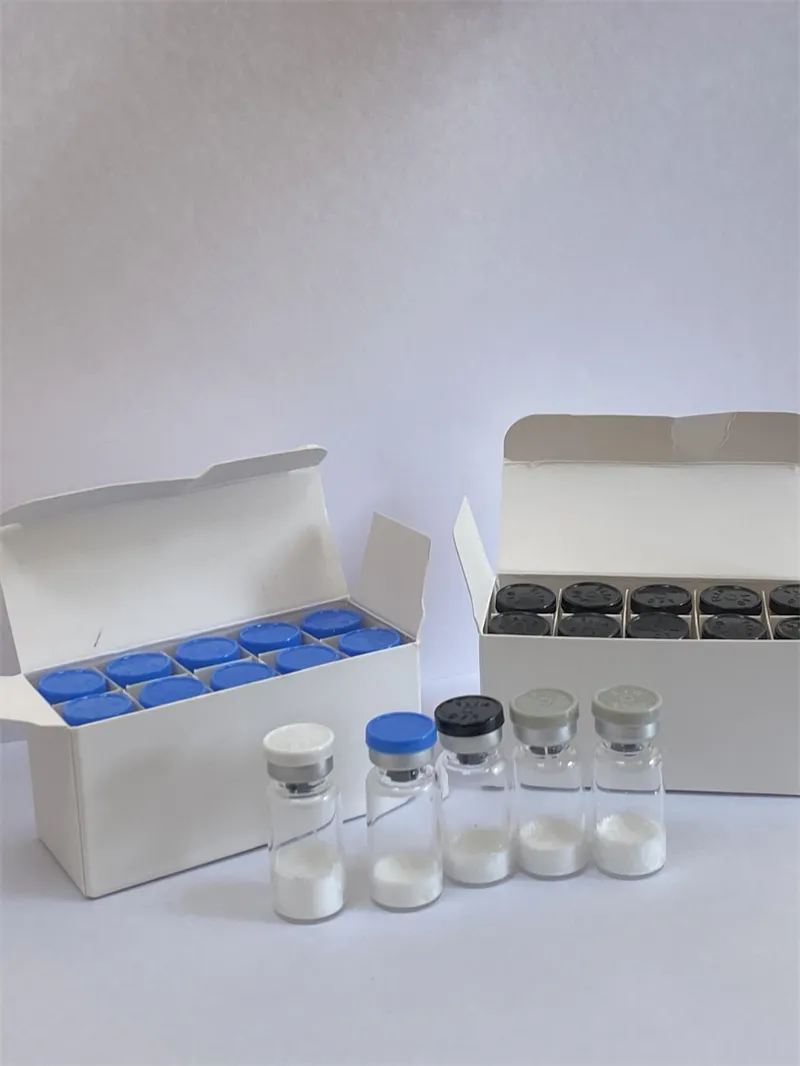
Glucagon Sterile Solution – High purity, for research and development.
Original price was: $36.00.$28.00Current price is: $28.00.
Glucagon Sterile Solution is a high-purity, research-grade peptide hormone prepared in a stabilized, ready-to-use liquid format suitable for precision metabolic, hepatic, and endocrine studies. Manufactured under GMP-aligned conditions, it supports consistent performance in glucose regulation, receptor signaling, and metabolic pathway research.
Description
Contents
hide
Product Description
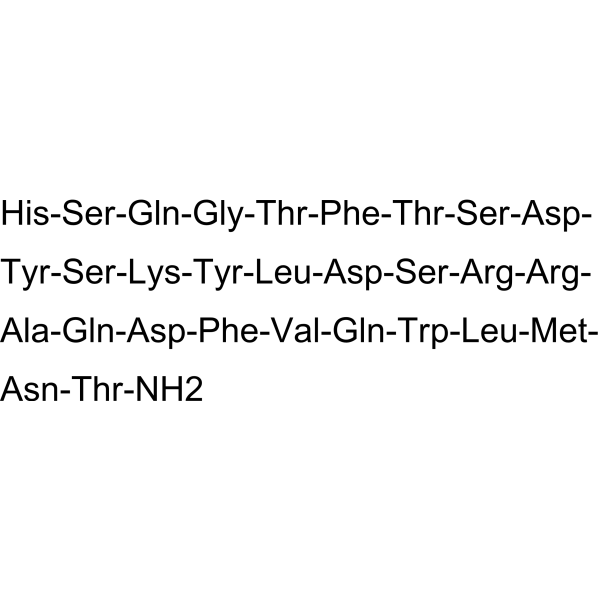
Glucagon Sterile Solution is a research-grade preparation of the native 29-amino-acid peptide hormone responsible for regulating glucose homeostasis through its well-characterized role as the primary counter-regulatory hormone to insulin. This sterile, stabilized solution is designed specifically for laboratory and preclinical studies requiring precise dosing, high purity, and reliable receptor-level activity. Unlike lyophilized peptide formats that require reconstitution and risk variability between preparations, this sterile solution offers exceptional consistency across experiments, making it ideal for metabolic research programs focused on glucoregulatory processes, hepatic energy mobilization, gluconeogenic flux, and hormone-receptor interactions.
In metabolic physiology, glucagon activates the glucagon receptor (GCGR), a G-protein–coupled receptor (GPCR) highly expressed in hepatocytes. Upon activation, GCGR stimulates intracellular cAMP accumulation through Gαs activation, triggering downstream pathways such as protein kinase A (PKA), CREB phosphorylation, and enhanced transcription of gluconeogenic enzymes. These mechanistic properties make glucagon indispensable for research models exploring diabetic dysregulation, hypoglycemia counter-regulation, islet α-cell physiology, hepatic metabolic stress, and metabolic pharmacology.
This Glucagon Sterile Solution is produced under GMP-aligned quality standards using validated synthesis, purification, and sterile filtration workflows to ensure structural integrity and batch-to-batch reproducibility. Extensive analytical testing—including HPLC purity analysis, endotoxin screening, mass spectrometry confirmation, and sterility validation—supports its use in high-precision research applications. Bulk and OEM/ODM production options are available for laboratories, biotech companies, and therapeutic development groups requiring large-volume or custom-formulated peptide solutions.
Designed for advanced research environments, this sterile formulation minimizes degradation pathways common to peptide solutions, including deamidation, oxidation, and proteolytic breakdown, ensuring optimal performance across in vitro, ex vivo, and in vivo experiments. Because glucagon plays a central role in hepatic glucose release, amino acid metabolism, and inter-organ energy balance, this sterile solution supports multi-omic research approaches, receptor pharmacology studies, and computational metabolic modeling. From metabolic stress paradigms to endocrine pathway analysis and drug-screening workflows, Glucagon Sterile Solution provides a dependable, high-purity reagent for modern research platforms.
Product Specifications
| Parameter | Details |
|---|---|
| Product Name | Glucagon Sterile Solution |
| CAS Number | 16941-32-5 |
| Molecular Formula | C153H225N43O49S |
| Molecular Weight | 3483.8 g/mol |
| Sequence | HSQGTFTSDYSKYLDSRRAQDFVQWLMNT |
| Form | Sterile aqueous solution |
| Purity | ≥ 98% (HPLC) |
| Concentration | Customizable (e.g., 0.1 mg/mL, 1 mg/mL) |
| Appearance | Clear, colorless solution |
| Sterility | 0.22 μm sterile-filtered |
| Endotoxin | < 0.1 EU/µg |
| pH Range | 3.0–4.5 (stabilized) |
| Storage Conditions | –20°C for long-term storage |
| Shelf Life | 12–24 months (depending on concentration) |
| Packaging Options | 1 mL–100 mL vials; OEM bulk containers |
| COA, MSDS, QC Reports | Included with each batch |
Notes:
All batches undergo mass spectrometry identity confirmation, amino acid analysis, and purity verification using orthogonal chromatographic methods. Bulk and factory-direct production allows customization of concentration, excipient profile, buffer system, and vial configuration, ensuring compatibility with specialized research setups and automated platforms.
Mechanism of Action
Glucagon Sterile Solution functions through a well-characterized endocrine signaling pathway centered on activation of the glucagon receptor (GCGR), a Class B G-protein–coupled receptor (GPCR) widely expressed in hepatocytes and select metabolic tissues. Upon binding to GCGR, glucagon triggers a conformational change that engages Gαs proteins, resulting in rapid stimulation of adenylate cyclase and subsequent elevation of intracellular cyclic AMP (cAMP) levels. This rise in cAMP acts as a pivotal second messenger that drives the activation of protein kinase A (PKA), which phosphorylates numerous metabolic enzymes, transcription factors, and regulatory proteins to shift cellular processes toward energy release rather than energy storage.
One of the most extensively studied downstream targets of PKA is cAMP response element-binding protein (CREB), a transcription factor responsible for upregulating genes involved in gluconeogenesis, amino acid metabolism, and hepatic energy mobilization. This includes increased expression of phosphoenolpyruvate carboxykinase (PEPCK), glucose-6-phosphatase (G6Pase), and fructose-1,6-bisphosphatase, which support glucose production during fasting or metabolic stress. These transcriptional changes form the core of glucagon’s role as the principal physiological counter-regulator to insulin, ensuring that circulating glucose levels remain sufficient when carbohydrate availability is limited.
In addition to its classical role in elevating blood glucose, glucagon orchestrates several complementary metabolic pathways. Through PKA-mediated phosphorylation, glucagon activates glycogen phosphorylase and simultaneously inhibits glycogen synthase, efficiently shifting the liver from glycogen storage to glycogen breakdown. Glucagon also influences lipid metabolism, promoting hepatic fatty acid oxidation and ketogenesis by inhibiting acetyl-CoA carboxylase and enhancing mitochondrial substrate flux. These lipid-modulating effects make glucagon a central component of metabolic adaptation to fasting, prolonged exercise, and caloric deficit.
Glucagon’s actions are not confined solely to the liver. In adipose tissue, glucagon indirectly contributes to lipolysis by permissively supporting catecholamine-driven pathways. In the pancreas, glucagon participates in intra-islet signaling, influencing both β-cell insulin secretion and δ-cell somatostatin release. Its receptor is also expressed in select regions of the brain, where glucagon contributes to satiety modulation, feeding behavior, and autonomic regulation.
Glucagon Sterile Solution exhibits high functional significance in research settings because its peptide structure interacts with GCGR with high specificity and predictable pharmacodynamics. Once administered in vitro or in vivo, the peptide rapidly diffuses through extracellular compartments and binds its receptor without requiring additional processing. The sterile solution format eliminates variability caused by peptide reconstitution techniques, ensuring uniform receptor binding kinetics and reproducible cAMP responses across experiments.
At the systems biology level, glucagon integrates hormonal, nutrient, and neural signals to maintain energy balance. Research employing Glucagon Sterile Solution frequently demonstrates rapid, dose-dependent alterations in hepatic metabolite profiles, mitochondrial respiration, amino acid turnover, and glucose flux. These effects are especially valuable in metabolic disorder research, where glucagon signaling is often dysregulated in conditions such as type 2 diabetes, obesity, insulin resistance, and nonalcoholic fatty liver disease.
Recent multi-omic investigations have further highlighted glucagon’s influence on transcriptomic, metabolomic, and lipidomic landscapes, revealing its role in reshaping global metabolic networks. Through coordinated regulation of metabolic gene expression, enzymatic activity, mitochondrial function, and hormonal feedback loops, glucagon remains an indispensable tool for dissecting complex metabolic pathways in modern biomedical research.
Applications
Glucagon Sterile Solution is widely utilized in metabolic, endocrine, hepatic, and pharmacological research due to its central role in regulating glucose homeostasis and systemic energy balance. One of its primary applications is in metabolic disorder studies, where it is used to model hyperglycemia, assess counter-regulatory hormone responses, and evaluate insulin sensitivity under controlled experimental conditions. Because glucagon serves as the key physiological antagonist to insulin, researchers frequently incorporate it into studies involving diabetes, insulin resistance, and metabolic syndrome to better understand dysregulated hepatic glucose production and impaired hormonal signaling.
In liver physiology and hepatocyte research, Glucagon Sterile Solution functions as a reliable tool for activating GCGR-dependent cAMP pathways to evaluate gluconeogenesis, glycogenolysis, amino acid catabolism, and mitochondrial metabolic changes. These experiments help scientists quantify dose–response profiles, transcriptional activation patterns, and metabolic flux under fasting-mimicking conditions. The sterile solution format enables researchers to perform high-precision time-course studies where rapid and consistent peptide delivery is critical for accurate measurement of downstream hepatic events.
Glucagon is also widely used in pharmacology and drug discovery, particularly in the development of dual- or multi-agonist peptides that target glucagon-like pathways (such as GLP-1/GIP/Glucagon tri-agonists). Glucagon Sterile Solution serves as a reference standard to benchmark receptor-binding activity, potency, and cAMP-stimulating capacity for novel compounds. Additionally, it plays an important role in evaluating GCGR antagonists designed to reduce hepatic glucose output in diabetes research.
In endocrine science and pancreatic islet biology, glucagon is employed to study α-cell function, intra-islet paracrine communication, and glucose-sensing mechanisms. It also supports research into hypoglycemia counter-regulation, glucagon dysregulation in diabetic states, and hormone interaction networks that coordinate whole-body energy balance. Beyond traditional metabolic studies, Glucagon Sterile Solution is incorporated into multi-omic and systems-level studies, enabling researchers to profile transcriptomic, proteomic, and metabolomic changes associated with glucagon exposure.
Finally, Glucagon Sterile Solution is routinely utilized in in vivo rodent models, primary hepatocyte cultures, pancreatic islets, liver organoids, and bioengineered metabolic systems. Its high purity, consistent receptor activity, and stable sterile formulation make it suitable for controlled metabolic manipulations, dynamic flux measurements, hormone-signaling assays, and precision endocrine research across multiple experimental platforms.
Research Models
Glucagon Sterile Solution is widely applied across a diverse range of research models due to its essential role in metabolic regulation and hepatic energy mobilization. In in vivo rodent models, glucagon is frequently used to simulate hyperglycemic states, examine counter-regulatory responses to insulin-induced hypoglycemia, and quantify hepatic glucose output under fasting or stress conditions. These models enable researchers to assess glucose kinetics, glucoregulatory hormone dynamics, and the physiological interplay between insulin and glucagon in both healthy and diabetic states. Because glucagon acts rapidly upon administration, it is particularly suited for time-sensitive metabolic flux assays and glucose tolerance studies.
In hepatocyte-based in vitro systems, including primary mouse, rat, or human hepatocytes, Glucagon Sterile Solution is used to activate the GCGR signaling pathway and evaluate cAMP response, PKA activation, glycogen breakdown, gluconeogenic enzyme expression, and mitochondrial metabolic shifts. These controlled environments are ideal for quantifying dose-dependent effects, testing pathway-specific inhibitors, and conducting high-resolution metabolic profiling through transcriptomic or metabolomic assays. Hepatocyte spheroids and liver organoids further extend these applications by enabling long-term glucagon exposure experiments and multi-cellular metabolic modeling.
Within pancreatic islet research, glucagon serves as a key tool for studying α-cell biology, dysregulated glucagon secretion in diabetes, and intercellular communication among α-, β-, and δ-cells. Glucagon administration allows investigators to explore hormone–hormone crosstalk, paracrine feedback loops, and the mechanisms behind impaired counter-regulatory responses in insulin-dependent diabetes.
Glucagon Sterile Solution is also integrated into systems-level metabolic studies, such as stable isotope tracing, metabolomic mapping, and multi-hormone endocrine network modeling. In these advanced frameworks, glucagon provides a predictable metabolic shift that facilitates analysis of glucose–amino acid cycling, hepatic substrate prioritization, and whole-body energy flux.
Finally, drug discovery and pharmacological screening platforms rely heavily on glucagon as a reference ligand for evaluating the efficacy of GCGR agonists, antagonists, and multi-agonist peptides targeting obesity and type 2 diabetes. Its consistent receptor-activation profile makes it an indispensable control molecule in metabolic therapeutic development.
Experimental Design Considerations
Designing experiments with Glucagon Sterile Solution requires careful attention to dosing precision, timing, receptor saturation, and metabolic context to ensure accurate interpretation of glucagon’s physiological and biochemical effects. Because glucagon induces rapid shifts in hepatic signaling, researchers should establish tightly controlled administration schedules, particularly in studies involving glucose kinetics, metabolic flux, or hormone–receptor interactions. Time-course sampling at intervals such as 2, 5, 15, and 30 minutes is often essential for capturing early cAMP elevations, PKA activation, and transcriptional changes associated with glucagon receptor engagement.
When determining dosing strategies, investigators should consider factors such as species, metabolic state, fasting duration, tissue perfusion, and receptor expression levels. In vivo dosing may require weight-based adjustments, while in vitro applications should account for cell density, receptor abundance, and media composition. Because glucagon’s effects are strongly influenced by nutrient status, experiments involving hepatocytes or islets should control for glucose concentration, amino acid availability, and hormonal milieu to avoid confounding outcomes. For example, high-glucose media may blunt glucagon responsiveness, while amino acid–rich environments may exaggerate gluconeogenic responses.
It is essential to implement strict peptide-handling protocols, given that glucagon is highly susceptible to degradation through oxidation, deamidation, and adsorption to plastic surfaces. Researchers should minimize freeze–thaw cycles, utilize low-binding tubes, and work on ice whenever possible. The sterile solution format reduces preparation variability but still benefits from rapid aliquoting and consistent storage at recommended temperatures.
In multi-hormone experiments, glucagon should be applied using clearly defined timing relative to insulin, GLP-1, or other metabolic peptides to avoid overlapping or ambiguous signaling outcomes. When evaluating downstream signaling, researchers may pair glucagon treatment with pharmacological inhibitors targeting adenylate cyclase, PKA, CREB, or mitochondrial metabolic pathways to dissect pathway-specific contributions. Additionally, studies using multi-omic techniques should ensure synchronized sample collection and standardized extraction protocols to maintain data clarity and reproducibility.
Integration with Multi-Omic & Computational Studies
The integration of Glucagon Sterile Solution into multi-omic platforms—genomics, transcriptomics, proteomics, metabolomics, and lipidomics—provides a multidimensional perspective on glucagon-mediated metabolic regulation. This sterile format is particularly suitable for controlled in-vitro and in-vivo studies where precise dosing and contamination-free conditions are required. Utilizing high-resolution transcriptomics, researchers can map glucagon-dependent gene expression programs involving gluconeogenesis, amino acid metabolism, and hepatic stress pathways. Metabolomic workflows further highlight rapid glucagon-triggered shifts in glucose output, fatty acid oxidation, lactate utilization, and tricarboxylic acid cycle intermediates.
Proteomic profiling enables quantification of downstream effectors such as PKA-regulated phosphoproteins, CREB-linked transcriptional regulators, and metabolic enzymes modified in response to elevated cAMP levels. When integrated with lipidomics, glucagon-induced modifications in hepatic lipid droplet dynamics and β-oxidation flux can be characterized at unprecedented depth. Glucagon Sterile Solution is also compatible with machine-learning pipelines and network-based metabolic modeling, facilitating prediction of metabolic flux alterations across different physiological states.
Advanced computational simulations enable the construction of glucagon-responsive regulatory circuits that capture nonlinear relationships between hormone levels, receptor sensitivity, and metabolic outputs. These models help identify previously unappreciated control nodes and enable virtual perturbation experiments for metabolic disease research. Overall, the use of Glucagon Sterile Solution within multi-omic and computational frameworks provides a rigorous foundation for dissecting systemic metabolic control mechanisms driven by glucagon.
Side Effects (Research Observations Only)
When used in controlled laboratory settings, Glucagon Sterile Solution has been associated with several reproducible research-related observations in animal and cellular models. These findings are not indicative of clinical effects in humans, as the product is designated strictly for investigative applications. In rodent studies, transient hyperglycemia is one of the most frequently documented outcomes, reflecting glucagon’s role in hepatic glucose output. Depending on dosage, duration, and metabolic baseline, glucose excursions can vary considerably, with high-dose regimens producing rapid and pronounced elevations.
Some models demonstrate a temporary increase in heart rate and blood pressure due to glucagon-mediated stimulation of cardiovascular β-adrenergic pathways. These effects are typically short-lived and resolve after hormone clearance. Gastrointestinal responses—such as transient nausea-like behaviors, gastric stasis, or altered intestinal motility—have also been observed in certain animal strains, particularly in studies utilizing higher concentrations of Glucagon Sterile Solution.
Cell-based models may exhibit elevated intracellular cAMP, enhanced CREB phosphorylation, or metabolic stress signatures under sustained glucagon exposure. Prolonged or repeated dosing in vivo has been associated with hepatic gene expression changes related to gluconeogenic overload, amino acid catabolism, and oxidative stress, though the magnitude of these observations varies across species.
Researchers should also be aware of rare reports of localized tissue irritation at injection sites in animal studies, particularly when large-volume administrations are used. As with any biologically active peptide hormone, careful dose–response optimization is crucial to minimize off-target physiological disturbances. All research observations remain context-dependent, and results should not be extrapolated to clinical settings.
Keywords
sterile glucagon solution, metabolic hormone research, peptide hormone, gluconeogenesis modulator, cAMP signaling, hepatic metabolism studies, glucagon receptor activation, endocrine research reagent, metabolic flux analysis, glucagon biochemical assays.
Shipping Guarantee
We provide secure, temperature-controlled packaging to ensure the integrity of Sterile Solution during transit. All shipments include validated cold-chain materials, tamper-evident seals, and stability-preserving containers to maintain sterility and peptide activity. Global express delivery options are available for time-sensitive research requirements.
Trade Assurance
Bulk, OEM, and institutional supply programs are supported with transparent quality assurance documentation, batch COA availability, GMP-aligned production standards, and refund or replacement guarantees for any shipment that fails to meet predetermined quality specifications.
Payment Support
Various payment methods are available, including bank transfer, purchase orders for qualified institutions, international wire services, and digital invoicing systems. Multi-unit and long-term supply agreements are eligible for customized billing arrangements.
Disclaimer
Glucagon Sterile Solution is strictly for laboratory research use only. Not for human or veterinary use. Not for therapeutic, diagnostic, or clinical applications. Researchers must follow local regulatory guidelines and institutional biosafety protocols when handling this product.
References
Glucagon: Physiology and Role in Glucose Homeostasis
A comprehensive overview of glucagon’s role as a counter-regulatory hormone to insulin, detailing receptor signaling, hepatic metabolism, and endocrine regulation.
NCBI BookshelfGlucagon (PubChem Compound Summary)
Provides chemical properties, structure, and biological activity of glucagon, including molecular weight, sequence, and peptide characteristics.
PubChemUniProt Entry for Human Glucagon (P01275)
Contains curated protein information, functional annotation, post-translational modifications, and sequence details for glucagon.
UniProtCrystal Structure of Glucagon Bound to Its Receptor
Structural biology study elucidating glucagon-GCGR interactions, receptor binding conformation, and molecular mechanisms of signal transduction.
RCSB PDB – 1GCNGlucagon Signaling and Metabolic Effects
Review article summarizing glucagon-mediated pathways in hepatocytes, effects on gluconeogenesis, glycogenolysis, and implications for metabolic disease research.
ScienceDirect

Additional information
| Weight | 0.6 kg |
|---|---|
| Dimensions | 36 × 23 × 36 cm |
Q1: What is Glucagon Sterile Solution used for in research?
Glucagon Sterile Solution is primarily used to study glucose homeostasis, hepatic metabolic pathways, and endocrine hormone signaling. It allows researchers to simulate hyperglycemia, examine insulin counter-regulation, and investigate receptor-mediated signaling in hepatocytes and pancreatic islets. The sterile solution ensures consistent dosing and reliable experimental outcomes across in vitro, ex vivo, and in vivo models.
Q2: How should Glucagon Sterile Solution be stored?
The solution should be stored at –20°C or lower to maintain stability and activity. Avoid repeated freeze–thaw cycles, protect from light, and use low-binding tubes to minimize peptide loss. Proper storage ensures reproducibility and preserves the structural integrity of the glucagon peptide for extended experimental use.
Q3: Can Glucagon Sterile Solution be used in cell-based assays?
Yes, it is compatible with hepatocytes, pancreatic islets, and other metabolic cell models. Researchers can monitor receptor activation, cAMP accumulation, and downstream signaling pathways. The sterile solution format minimizes contamination risk and supports precise dose-response studies.
Q4: Does the sterile solution require filtration before use?
No additional filtration is required as the product is produced under sterile conditions. It is ready for direct use in experimental applications. This ensures both convenience and reduced variability in cell culture or in vivo administration.
Q5: Is this product suitable for dose-response metabolic studies?
Absolutely. Its high purity and stable formulation allow accurate titration across a wide range of concentrations. This is ideal for investigating hepatic glucose output, receptor sensitivity, and metabolic flux in controlled experimental settings.
Q6: Can Glucagon Sterile Solution be used in rodent models?
Yes, it is commonly used in mice and rat models to study hyperglycemia, hypoglycemia counter-regulation, and hepatic metabolism. Dosing should be adjusted based on body weight and experimental design to achieve reproducible outcomes. The solution enables precise timing and measurement of dynamic metabolic responses.
Q7: What concentrations are recommended for in vitro studies?
Typical in vitro concentrations range from nanomolar to low micromolar, depending on cell type and experimental goals. Dose-response studies are encouraged to identify the optimal concentration. The solution’s stability ensures consistent activity across repeated experiments.
Q8: Can Glucagon Sterile Solution be used with multi-omic studies?
Yes, it is ideal for transcriptomic, proteomic, metabolomic, and lipidomic studies. Researchers can evaluate glucagon-induced changes in gene expression, enzyme activity, metabolic flux, and signaling networks. The sterile solution provides reproducible stimulation for precise multi-omic data collection.
Q9: Are there any observed effects in animal models?
In research settings, transient hyperglycemia, temporary increases in heart rate, or mild gastrointestinal effects have been observed, reflecting glucagon’s physiological activity. These effects are dose-dependent and reversible. Such observations provide insights into glucagon’s systemic metabolic effects without implying clinical safety.
Q10: Is Glucagon Sterile Solution suitable for pharmacology and drug screening?
Yes, it serves as a reference ligand for GCGR agonists, antagonists, and multi-agonist peptide development. Its predictable receptor activation and high purity support accurate evaluation of compound potency, efficacy, and signaling dynamics. This makes it invaluable in preclinical metabolic therapeutic research.
Related products
99.9% Effective Weight Loss Shaping Peptide – Beauty Peptide Factory Direct Low Price Wholesale
Peptide Purity 99% Specification 5mg/vial, 10mg/vial, 15mg/vial Original price was: $38.00.$23.00Current price is: $23.00.GLP-1/GIP/glucagon combination therapy The Future of Metabolic Treatment (Wholesale Supplier Guide)
GLP-1/GIP/glucagon combination therapy Original price was: $38.00.$23.00Current price is: $23.00.Retatrutide cost with insurance
Retatrutide cost with insurance Original price was: $38.00.$26.00Current price is: $26.00.Top Quality Peptides Lyophilized Powder – Reta Trutide Fitness and Weight Loss Peptide in Stock | Factory Wholesale
Peptides Function Weight Loss Peptides Moq:10 vials per box Original price was: $38.00.$22.00Current price is: $22.00.



Reviews
There are no reviews yet.