
No products in the cart.
Sale

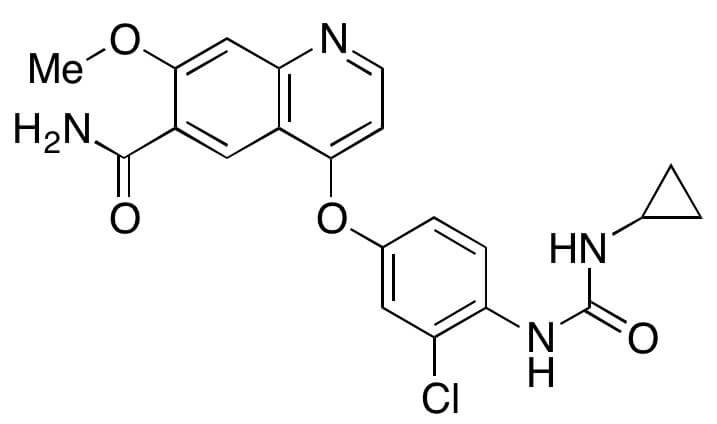
Lenvatinib Mesilate CAS 417716-92-8 – Factory Manufactured, Low Price Wholesale | Supply Buy Online
Original price was: $150.00.$126.00Current price is: $126.00.
High-quality Lenvatinib Mesilate (CAS 417716-92-8), factory-manufactured and available for low-price wholesale supply. Ideal for research applications targeting VEGFR, FGFR, PDGFRα, RET, and KIT signaling pathways. Bulk supply ensures cost-effective solutions for laboratories, pharmaceutical research, and translational oncology studies.
Description
Contents
hide
Product Description
1. Overview and Multi-Target Inhibition
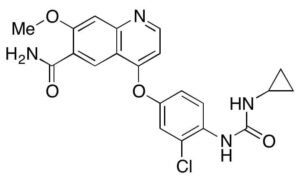
Lenvatinib Mesilate (CAS 417716-92-8) is a high-purity, factory-manufactured research-grade tyrosine kinase inhibitor widely used in oncology and translational research. Provided in its mesylate salt form, lenvatinib mesilate offers enhanced chemical stability, improved solubility, and consistent batch-to-batch reproducibility, making it an essential tool for laboratories conducting advanced studies on tumor growth, angiogenesis, and molecular signaling pathways. It effectively inhibits multiple receptor tyrosine kinases, including VEGFR1–3, FGFR1–4, PDGFRα, RET, and KIT, which are key regulators of tumor proliferation, metastasis, and resistance mechanisms.
2. Mechanism of Action and Research Applications
The compound’s primary mode of action involves suppression of VEGFR signaling, reducing endothelial cell proliferation, migration, and tube formation, thereby impairing tumor angiogenesis and vascular remodeling. In addition, FGFR inhibition enables the study of tumor plasticity, epithelial–mesenchymal transition (EMT), and drug resistance pathways. RET and KIT inhibition supports research on thyroid carcinoma, neuroendocrine tumors, and gastrointestinal stromal tumors (GIST), while PDGFRα modulation influences tumor stroma and extracellular matrix remodeling. Lenvatinib mesilate is widely used in combination therapy research with immunotherapeutics, chemotherapeutics, or other kinase inhibitors to explore synergistic effects, adaptive signaling, and feedback loop activation. Its multi-target profile makes it ideal for in vitro assays, 3D spheroids, organoid cultures, and in vivo xenograft and PDX models.
3. Quality, Reproducibility, and Bulk Supply
Factory-manufactured lenvatinib mesilate ensures high purity (≥98%) verified by HPLC, LC–MS, and NMR, providing reproducible results for cellular assays, kinase inhibition studies, and pharmacokinetic experiments. Its solubility in DMSO facilitates preparation of stock solutions for biochemical studies and high-throughput screening. Bulk supply options and low-price wholesale availability make lenvatinib mesilate a reliable and cost-effective choice for laboratories and institutions conducting large-scale research. Comprehensive documentation, including Certificates of Analysis, ensures consistency across multiple experiments and supports regulatory compliance in research settings.
4. Summary and Advantages for Research
In summary, Lenvatinib Mesilate (CAS 417716-92-8) is a versatile and high-quality tyrosine kinase inhibitor suitable for advanced oncology research. Its potent inhibition of VEGFR, FGFR, RET, KIT, and PDGFRα, combined with stable chemical properties and factory-controlled production, guarantees reliability and reproducibility. Researchers benefit from its broad applicability in tumor biology, angiogenesis, drug resistance studies, and combination therapy experiments, making lenvatinib mesilate an indispensable compound for translational science and preclinical research.

Product Specifications
Lenvatinib Mesilate (CAS 417716-92-8) is produced under strict quality control standards to ensure reproducibility, stability, and high purity for laboratory use. This compound is widely applied in VEGFR, FGFR, PDGFRα, RET, and KIT signaling studies, supporting research on tumor proliferation, angiogenesis, metastasis, and resistance pathways.
| Specification | Details |
|---|---|
| CAS Number | 417716-92-8 |
| Molecular Formula | C₂₁H₁₉ClN₄O₄·CH₄O₃S |
| Molecular Weight | 426.9 g/mol |
| Appearance | White to off-white crystalline powder |
| Purity | ≥98% (HPLC) |
| Solubility | Soluble in DMSO and ethanol; limited water solubility |
| Storage | –20°C, protected from light and moisture |
| Batch Documentation | COA, HPLC, LC–MS, NMR provided |
| Packaging | Factory-sealed bulk powder; custom packaging available |
Lenvatinib mesilate’s solubility and stability enable preparation of stock solutions for cellular assays, kinase inhibition experiments, and pharmacokinetic studies. Bulk supply and low-price wholesale options provide a reliable, cost-effective source for laboratories conducting large-scale VEGFR/FGFR/RET research.
Mechanism of Action
Lenvatinib Mesilate (CAS 417716-92-8) is a potent multi-target tyrosine kinase inhibitor that exerts its pharmacological effects primarily by blocking several key receptor tyrosine kinases involved in tumor angiogenesis, proliferation, and survival. Its main targets include VEGFR1, VEGFR2, VEGFR3, FGFR1–4, PDGFRα, RET, and KIT, making it an ideal compound for preclinical oncology research and translational studies.
1. VEGFR Inhibition
Lenvatinib mesilate effectively binds to and inhibits VEGFR1–3, which are critical regulators of angiogenesis. By blocking VEGFR signaling, the compound reduces endothelial cell proliferation, migration, and tube formation, thereby impairing the formation of new blood vessels in tumor microenvironments. This anti-angiogenic activity limits oxygen and nutrient delivery to tumor tissues, resulting in suppressed tumor growth and reduced metastasis potential. VEGFR inhibition by lenvatinib mesilate also modulates downstream PI3K/AKT and MAPK/ERK pathways, providing a mechanistic basis for its anti-proliferative effects in both in vitro and in vivo models.
2. FGFR Suppression
FGFR1–4 signaling plays a critical role in tumor cell plasticity, epithelial–mesenchymal transition (EMT), proliferation, and survival. Lenvatinib mesilate inhibits FGFR phosphorylation, which interrupts these signaling pathways and reduces tumor adaptability and resistance to therapy. By targeting FGFR, the compound enables researchers to study compensatory signaling mechanisms, drug resistance pathways, and the interplay between tumor cells and the microenvironment, making it invaluable for combination therapy and multi-omic studies.
3. RET and KIT Inhibition
Lenvatinib mesilate also inhibits RET and KIT, receptor tyrosine kinases frequently implicated in thyroid carcinoma, neuroendocrine tumors, and gastrointestinal stromal tumors (GIST). RET inhibition helps to explore oncogenic RET mutations and their downstream signaling, while KIT suppression disrupts SCF-mediated tumor proliferation and survival pathways. These effects are essential for researchers studying targeted therapies, resistance mechanisms, and tumor progression models.
4. PDGFRα Modulation
In addition to VEGFR, FGFR, RET, and KIT, lenvatinib mesilate modulates PDGFRα activity. PDGFRα is involved in stromal cell proliferation, extracellular matrix remodeling, and angiogenesis, making its inhibition critical for understanding tumor-stroma interactions and metastatic niche formation.
In summary, lenvatinib mesilate (CAS 417716-92-8) exerts multi-target inhibition through VEGFR, FGFR, RET, KIT, and PDGFRα pathways, providing a robust platform for studying angiogenesis, tumor growth, metastasis, and drug resistance mechanisms. Its ability to modulate multiple signaling networks simultaneously makes it an essential tool for oncology research, combination therapy experiments, and translational studies investigating tumor microenvironment interactions. The compound’s potency, selectivity, and reproducibility render it indispensable for high-quality, mechanistic research using in vitro, in vivo, and multi-omic experimental models.
Applications
1. In Vitro Research Applications
Lenvatinib Mesilate (CAS 417716-92-8) is widely used in cellular research to investigate the molecular mechanisms of VEGFR, FGFR, RET, KIT, and PDGFRα signaling pathways. In vitro studies often include kinase phosphorylation assays, cell viability and proliferation assays, migration and invasion experiments, and three-dimensional spheroid cultures. Its high solubility in DMSO facilitates preparation of stock solutions for precise dosing, enabling reproducible studies of receptor inhibition and downstream signaling effects. Researchers can utilize lenvatinib mesilate to study tumor plasticity, epithelial–mesenchymal transition (EMT), and adaptive responses to targeted therapies, making it essential for mechanistic and pharmacological research.
2. In Vivo and Translational Studies
Lenvatinib mesilate is suitable for in vivo applications, including xenograft, syngeneic, and patient-derived xenograft (PDX) tumor models. By targeting VEGFR and FGFR signaling, it reduces tumor vascularization and growth, allowing researchers to study anti-angiogenic effects, tumor progression, and therapeutic resistance. RET and KIT inhibition provides valuable insight into thyroid carcinoma, neuroendocrine tumors, and gastrointestinal stromal tumor (GIST) models. PDGFRα modulation further enables analysis of tumor stroma interactions and extracellular matrix remodeling. These features make lenvatinib mesilate an indispensable tool in translational oncology research and preclinical studies.
3. Combination Therapy and Multi-Omic Research
Lenvatinib mesilate’s multi-target profile supports combination therapy research with immunotherapy agents, chemotherapeutics, or other kinase inhibitors. Researchers can investigate synergistic effects, compensatory pathway activation, and resistance mechanisms in complex tumor models. Additionally, lenvatinib mesilate is compatible with multi-omic approaches, including transcriptomics, proteomics, phosphoproteomics, and metabolomics, facilitating comprehensive pathway mapping and systems biology analyses. Its versatility allows integration into high-throughput screening, organoid studies, and tumor-on-chip platforms, enhancing the understanding of tumor biology and drug response.
4. Summary of Research Utility
Overall, lenvatinib mesilate (CAS 417716-92-8) serves as a robust and versatile research tool for studying VEGFR, FGFR, RET, KIT, and PDGFRα signaling in both in vitro and in vivo models. Its applications span mechanistic studies, translational research, combination therapy experiments, and multi-omic analyses, making it a critical compound for oncology research, drug development, and tumor microenvironment investigations.
Research Models
Lenvatinib Mesilate (CAS 417716-92-8) is utilized across a wide range of research models to study VEGFR, FGFR, RET, KIT, and PDGFRα signaling in cancer biology, angiogenesis, and drug resistance. In vitro models include human cancer cell lines derived from thyroid, liver, endometrial, renal, and gastrointestinal stromal tumors (GIST). These cell lines are ideal for kinase phosphorylation assays, cell viability, migration, invasion, and proliferation studies, allowing researchers to explore multi-target inhibition and downstream signaling pathways.
3D spheroids and organoid cultures provide more physiologically relevant models to investigate tumor microenvironment interactions, vascular remodeling, and adaptive resistance mechanisms under lenvatinib mesilate treatment. These models enable comprehensive analysis of VEGFR and FGFR pathway modulation in a controlled microenvironment.
In vivo models include xenograft, syngeneic, and patient-derived xenograft (PDX) tumors, which allow evaluation of angiogenesis inhibition, tumor growth suppression, and combination therapy efficacy. Additionally, CRISPR-edited cell lines targeting RET, KIT, or FGFR genes facilitate mechanistic studies of resistance pathways and tumor adaptation.
By combining in vitro, 3D, and in vivo models, lenvatinib mesilate supports translational oncology research, preclinical drug testing, and multi-omic studies. Its versatility makes it a critical tool for investigating complex tumor biology and targeted therapy mechanisms.
Experimental Design Considerations
When designing experiments with Lenvatinib Mesilate (CAS 417716-92-8), researchers should consider several key factors to ensure reproducibility, accuracy, and relevance to VEGFR, FGFR, RET, KIT, and PDGFRα signaling studies. Compound preparation is critical: lenvatinib mesilate is highly soluble in DMSO, allowing for the preparation of precise stock solutions. Proper storage at –20°C, protected from light and moisture, maintains stability and activity throughout the study.
Concentration selection should be guided by reported IC50 values for VEGFR and FGFR inhibition and adjusted for cell type and assay conditions. Time-course studies are recommended to evaluate both immediate and long-term effects of tyrosine kinase inhibition, including compensatory pathway activation and cellular adaptation.
In vivo experimental considerations include dose optimization, formulation, and administration schedule to achieve effective plasma concentrations while minimizing off-target effects. Monitoring tumor growth, vascularization, and pharmacokinetics is essential for translational relevance.
Combination studies with other kinase inhibitors, chemotherapeutics, or immunotherapeutic agents require careful planning to evaluate synergy, additive effects, or resistance mechanisms. Multi-omic approaches, including transcriptomics and phosphoproteomics, can provide additional mechanistic insight.
By adhering to these experimental design principles, lenvatinib mesilate ensures reliable, reproducible, and biologically meaningful results in both in vitro and in vivo models, making it an indispensable tool for preclinical oncology and translational research.
Laboratory Safety & Handling Guidelines
Lenvatinib Mesilate (CAS 417716-92-8) is a potent tyrosine kinase inhibitor targeting VEGFR, FGFR, RET, KIT, and PDGFRα. Proper laboratory safety and handling practices are essential to maintain researcher safety and compound integrity. Personal protective equipment (PPE) is required at all times, including lab coat, gloves, and safety goggles, to prevent skin contact or accidental exposure. Work in a well-ventilated area, ideally using a chemical fume hood, to avoid inhalation of dust or aerosols.
Handling and storage considerations include keeping lenvatinib mesilate in its original container, tightly sealed, and stored at –20°C, away from light and moisture. Avoid repeated freeze-thaw cycles, which may compromise chemical stability. Prepare stock solutions in DMSO or other compatible solvents, and filter sterilize if required for cellular or in vivo applications.
Spill and waste management should follow institutional protocols. Any spills should be contained immediately, and contaminated materials disposed of as hazardous chemical waste. Avoid flushing into drains or releasing into the environment.
Training and documentation are critical; all personnel must be familiar with the Safety Data Sheet (SDS) for lenvatinib mesilate. Proper labeling, inventory tracking, and batch documentation ensure reproducibility and safety compliance.
By adhering to these laboratory safety and handling guidelines, researchers can safely work with lenvatinib mesilate while maintaining its chemical integrity for high-quality VEGFR, FGFR, and multi-target tyrosine kinase inhibition studies.
Integration with Multi-Omic & Computational Studies
Lenvatinib Mesilate (CAS 417716-92-8) is a versatile multi-target tyrosine kinase inhibitor, ideal for integration with multi-omic and computational approaches in cancer research. Its potent inhibition of VEGFR, FGFR, RET, KIT, and PDGFRα allows researchers to investigate complex signaling networks and tumor microenvironment interactions using advanced experimental and computational platforms.
Transcriptomics and Proteomics: Treatment with lenvatinib mesilate enables RNA sequencing (RNA-seq) and proteomic analyses to map changes in gene expression and protein phosphorylation. These approaches elucidate VEGFR and FGFR signaling modulation, compensatory pathways, and resistance mechanisms.
Phosphoproteomics and Metabolomics: Lenvatinib mesilate can be applied to phosphoproteomic profiling, allowing detailed analysis of kinase activity and downstream effectors. Metabolomic studies further reveal metabolic adaptations and stress responses induced by multi-target tyrosine kinase inhibition.
Single-cell and Spatial Omics: Researchers can utilize single-cell RNA-seq and spatial transcriptomics to explore heterogeneous tumor populations and microenvironmental interactions under lenvatinib mesilate treatment.
Computational Modeling and Systems Biology: The compound’s multi-target profile allows for in silico docking, network simulations, and systems biology modeling to predict signaling dynamics, pathway cross-talk, and therapeutic resistance. Integration with experimental multi-omic datasets strengthens mechanistic insights and translational applications.
Overall, lenvatinib mesilate (CAS 417716-92-8) supports comprehensive multi-omic and computational studies, providing a robust platform to analyze VEGFR, FGFR, and other tyrosine kinase signaling pathways for advanced cancer research and preclinical drug development.
Side Effects (Research Observations)
Lenvatinib Mesilate (CAS 417716-92-8) is a potent multi-target tyrosine kinase inhibitor primarily used for research purposes to study VEGFR, FGFR, RET, KIT, and PDGFRα signaling. While it is not intended for human or veterinary use, several side effects have been consistently observed in preclinical studies and experimental models.
1. Cellular and Molecular Effects
Treatment with lenvatinib mesilate can reduce endothelial cell proliferation and tube formation due to VEGFR inhibition. FGFR pathway suppression may lead to decreased tumor cell plasticity and alterations in epithelial–mesenchymal transition (EMT), affecting cell migration and invasion. In sensitive cell lines, lenvatinib mesilate has been reported to induce cell cycle arrest and promote apoptosis.
2. Tumor Microenvironment Modulation
In in vivo models, lenvatinib mesilate can alter tumor vasculature, reduce microvascular density, and modulate stromal interactions through PDGFRα inhibition. These changes may contribute to adaptive signaling in tumor cells and activation of compensatory growth pathways.
3. Research Considerations
Researchers should monitor experimental outcomes carefully, as feedback activation and pathway cross-talk can influence observed effects. Lenvatinib mesilate’s multi-target activity allows detailed studies of tumor biology, angiogenesis, and drug resistance mechanisms, but requires careful dose selection and experimental planning to interpret results accurately.
Overall, these research observations highlight lenvatinib mesilate as a valuable tool for studying kinase signaling and tumor biology while emphasizing the need for controlled experimental design and careful data analysis.
Keywords
lenvatinib mesilate wholesale; factory supply lenvatinib; buy lenvatinib mesilate online; low price lenvatinib CAS 417716-92-8; bulk lenvatinib for research; VEGFR FGFR inhibitor; tyrosine kinase inhibitor; RET inhibitor; PDGFRα inhibitor; research compound bulk supply;Tumor Research
Shipping Guarantee
We provide global express shipping for Lenvatinib Mesilate (CAS 417716-92-8), ensuring that all orders are delivered safely and efficiently. Each package includes full tracking so researchers can monitor shipment status in real-time. Temperature-controlled packaging is used to maintain compound stability during transit. Additionally, moisture-resistant sealing protects the integrity of the compound, guaranteeing consistent quality upon arrival for experimental use.
Trade Assurance
Bulk orders of Lenvatinib Mesilate are fully supported with verified Certificates of Analysis (COA), HPLC, and LC–MS documentation for each batch. This ensures high purity, consistent activity, and reproducibility in research applications. We provide secure commercial contracts for institutional clients to guarantee delivery and order reliability. Our trade assurance program allows laboratories and research institutions to purchase large quantities with confidence in quality and supply consistency.
Payment Support
We accept multiple payment methods including bank transfer, PayPal, TT, LC, and corporate invoicing to accommodate global clients. Flexible payment options are available for both small sample orders and large-scale bulk purchases. Our system ensures secure and traceable transactions, providing peace of mind for institutional and commercial orders. Researchers can focus on experimental work while financial processes are handled efficiently and safely.
Disclaimer
Lenvatinib Mesilate (CAS 417716-92-8) is intended strictly for research use only. It is not approved for human or veterinary applications. Researchers must handle the compound following all institutional safety protocols. Experimental data should not be used to guide clinical or therapeutic decisions, and all studies should comply with local regulations and ethical guidelines.
References
“Lenvatinib Mesylate,” National Cancer Institute (NCI) Drug Dictionary. Accessed: 10 July 2025.

Additional information
| Weight | 1.1 kg |
|---|---|
| Dimensions | 18 × 16 × 18 cm |
What is Lenvatinib Mesilate (CAS 417716‑92‑8) used for?
Lenvatinib Mesilate is a potent multi‑target tyrosine kinase inhibitor used in research to study VEGFR, FGFR, RET, KIT, and PDGFRα signaling. Researchers apply it in both in vitro and in vivo models to probe tumor angiogenesis, proliferation, and resistance mechanisms. Its broad kinase inhibition profile makes it highly valuable for translational oncology and drug development studies.
How does Lenvatinib Mesilate inhibit VEGFR and FGFR?
Lenvatinib Mesilate binds to VEGFR1–3 and FGFR1–4, blocking their kinase activity and downstream signaling pathways like PI3K/AKT and MAPK/ERK. By inhibiting VEGFR, it suppresses angiogenesis, while FGFR inhibition affects tumor plasticity and drug resistance. This dual inhibition makes it a powerful tyrosine kinase inhibitor for mechanistic research.
What concentration of Lenvatinib Mesilate should I use in cell assays?
The optimal concentration depends on your cell type and target pathway, but many researchers start with a range around reported IC₅₀ values for VEGFR or FGFR. Conducting a dose-response curve is recommended to determine effective inhibition without excessive cytotoxicity. Time-course studies also help to distinguish immediate signaling effects from longer‑term adaptive responses.
Can Lenvatinib Mesilate be used in animal models?
Yes. It is frequently used in in vivo research models such as xenograft, syngeneic, and PDX tumors to study angiogenesis inhibition, tumor growth suppression, and microenvironment modulation. Researchers should optimize dosing, formulation, and scheduling to match effective kinase inhibition while minimizing toxicity in animal models.
Is Lenvatinib Mesilate soluble in water?
Lenvatinib Mesilate has limited water solubility, but it dissolves well in DMSO, ethanol, or other compatible organic solvents. For biological assays, it’s common to prepare a stock solution in DMSO and then dilute into the assay buffer just before use. Proper preparation ensures accurate and reproducible results in kinase inhibition or cell‑based assays.
What safety precautions should be taken when handling Lenvatinib Mesilate?
Because Lenvatinib Mesilate is a bioactive small molecule, always use appropriate PPE (lab coat, gloves, goggles) when handling it. Work in a ventilated area or fume hood to avoid inhalation of dust. Store the compound at –20°C, protected from light and moisture, and discard any waste according to your institutional hazardous chemical protocols.
Can Lenvatinib Mesilate be used in combination with other drugs?
Yes — its multi‑target nature makes it ideal for combination studies with immunotherapy, chemotherapy, or additional kinase inhibitors. Researchers often explore synergistic or additive effects as well as feedback mechanisms or adaptive resistance. Detailed experimental design, including dose and schedule, is important to differentiate between true synergy and off‑target toxicity.
How do I verify the quality and batch consistency of the compound?
Our Lenvatinib Mesilate is factory manufactured and supplied with full batch documentation, including Certificate of Analysis (COA), HPLC, LC–MS, and NMR data. This ensures that each lot meets the same high-purity specification (≥ 98%) so experimental reproducibility is maintained. You can request these documents for every bulk order.
Can Lenvatinib Mesilate be used in multi-omic studies?
Absolutely. Its ability to inhibit multiple receptor tyrosine kinases (VEGFR, FGFR, etc.) makes it very useful in transcriptomics, phosphoproteomics, metabolomics, and single-cell sequencing. Researchers can treat cells or tissues, then collect samples for RNA-seq or phosphoproteomic profiling to map pathway modulation and adaptive signaling networks.
Is Lenvatinib Mesilate for clinical or therapeutic use?
No. Our Lenvatinib Mesilate (CAS 417716‑92‑8) is strictly for research use only, not approved for human or veterinary therapy. It should only be used in well-controlled laboratory experiments and animal studies under appropriate ethical and regulatory frameworks.
Related products
Lenalidomide Capsules (Qipuyi) – 25mg
Lenalidomide (brand name Qipuyi) is an immunomodulatory drug (IMiD) produced by Qilu Pharmaceutical Co., Ltd. Each box contains 21 capsules of 25mg each. Approved by China's NMPA under H20193115, and product code 86904021003685 (barcodes: 6915798005257, 6915798005721). Strictly for laboratory research use only $1.00Aprepitant Capsules
Aprepitant Capsules (Kangrenping), 125mg ×1 + 80mg ×2 per box. For laboratory research use only $1.00Regorafenib Tablets
Regorafenib (Reodixin®) is an oral multi-kinase inhibitor targeting angiogenesis, proliferation, metastasis, and tumor immunity. FDA-approved for several advanced solid tumors. Here offered as 40mg tablets in a 28-count bottle—strictly for laboratory research use only $1.00Temozolomide Capsules
Temozolomide 100mg capsules, 5 count box, produced by Shanghai ChuanNuo Pharmaceuticals Co., Ltd., approved under NMPA H20234716. A key alkylating agent for glioblastoma and astrocytoma research—ideal for preclinical oncology models. $1.00







Reviews
There are no reviews yet.