
No products in the cart.
Sale
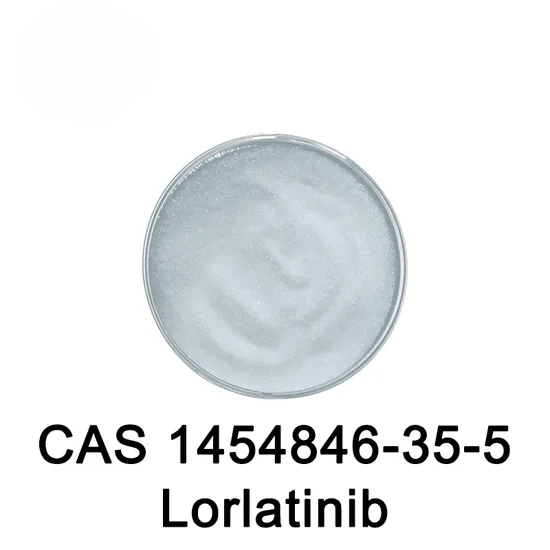


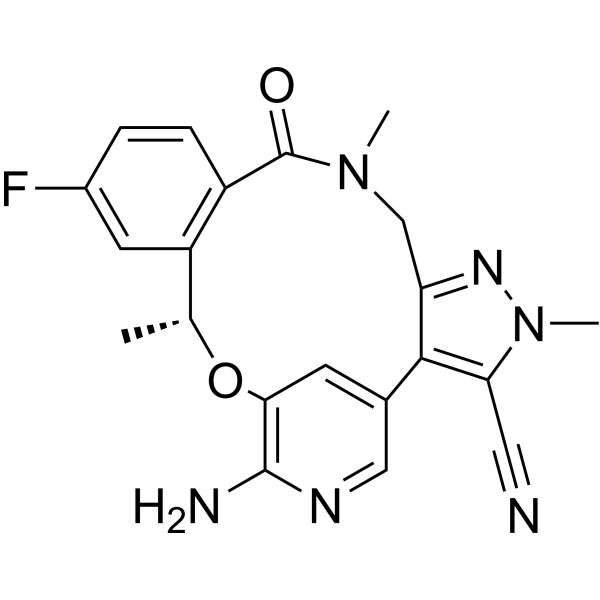
Lorlatinib | CAS No. 1454846-35-5| GMP factory manufacturing supplier
Original price was: $26.00.$18.00Current price is: $18.00.
Lorlatinib (PF-06463922) is a potent, selective, brain-penetrant ROS1/ALK inhibitor with ATP-competitive mechanism. It inhibits wild-type and mutant ALK/ROS1 kinases and is widely used for preclinical oncology research, including studies on non-small cell lung cancer and CNS metastases.
Description
Product Description
Lorlatinib (PF-06463922) is a highly potent, orally active, and selective small-molecule inhibitor targeting ALK and ROS1 kinases. Designed for oncology research, Lorlatinib exhibits strong activity against both wild-type and mutant forms of ALK, including clinically relevant resistance mutations such as ALKL1196M, ALKG1269A, ALK1151Tins, and ALKG1202R. Its ATP-competitive mechanism allows it to block kinase activity effectively, inhibiting downstream signaling pathways that promote tumor cell proliferation, survival, and metastasis.
The compound is characterized by high brain penetration, enabling research into central nervous system (CNS) metastases, particularly in ALK- and ROS1-driven non-small cell lung cancer (NSCLC). Lorlatinib has Kis of <0.025 nM, <0.07 nM, and 0.7 nM for ROS1, wild-type ALK, and ALKL1196M, respectively, demonstrating exceptional potency. Preclinical studies also show IC50s of 14–113 nM against various ALK mutants, confirming its strong inhibitory effects across multiple oncogenic variants.
Lorlatinib has been applied in diverse preclinical oncology research scenarios. Its selectivity profile reduces off-target interactions, making it a valuable tool to study ALK/ROS1 signaling, evaluate drug resistance mechanisms, and investigate combination therapeutic strategies. Researchers utilize Lorlatinib to model ALK- or ROS1-positive tumors, examine pharmacodynamics and pharmacokinetics, and understand molecular mechanisms driving tumor growth and metastasis.
The compound’s high potency, selectivity, and brain-penetrant properties have facilitated numerous in vitro and in vivo studies. For example, Lorlatinib can be used to study kinase inhibition in cancer cell lines expressing ALK or ROS1 fusion proteins, assess resistance mutations, and evaluate tumor progression in xenograft models. Its effectiveness in preclinical CNS metastasis models provides insights into therapeutic approaches for patients with brain tumors secondary to ALK/ROS1-driven cancers.
In addition to oncology research, Lorlatinib serves as a valuable tool to investigate kinase biology. It enables mechanistic studies of ALK/ROS1-dependent pathways, cellular proliferation, apoptosis, and signal transduction. Researchers can employ Lorlatinib to explore combination therapies with chemotherapeutic agents, immunotherapies, or targeted inhibitors, supporting translational research and potential drug development.
Overall, Lorlatinib is a versatile research compound, offering robust inhibition of ALK and ROS1 kinases, high selectivity, brain penetration, and broad applicability in preclinical cancer studies. Its properties make it ideal for investigating drug resistance, combination treatments, tumor biology, and CNS metastases, establishing it as a critical tool in oncology research pipelines.

Product Specifications
| Parameter | Specification |
|---|---|
| Product Name | Lorlatinib |
| CAS Number | 1454846-35-5 |
| Molecular Formula | C<sub>21</sub>H<sub>19</sub>FN<sub>6</sub>O<sub>2</sub> |
| Molecular Weight | 406.42 g/mol |
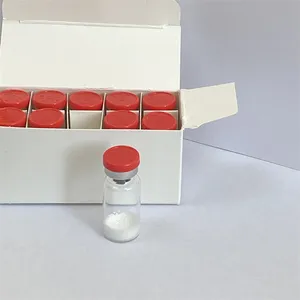
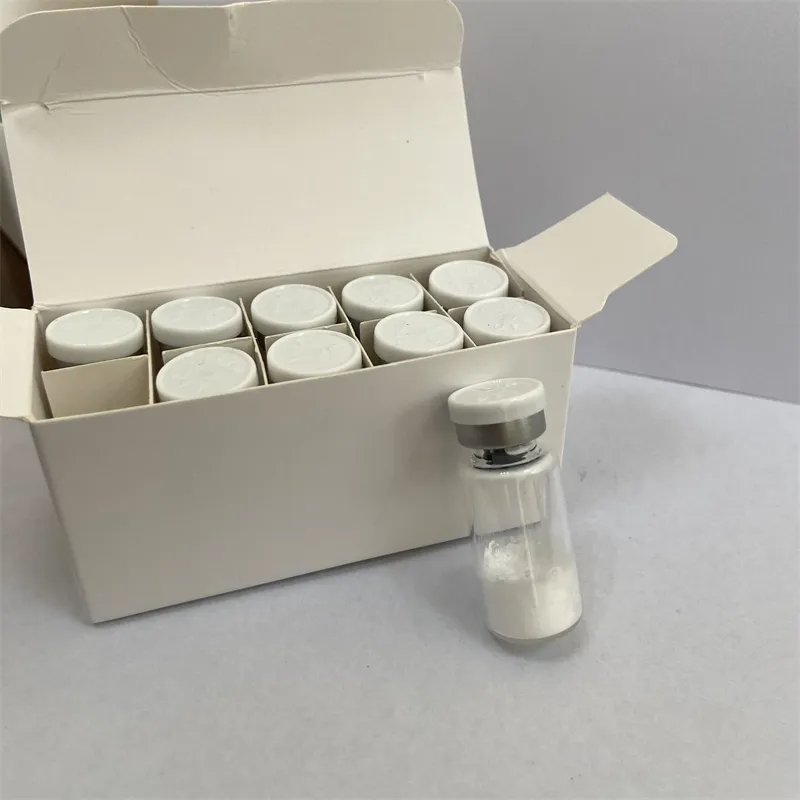
| Appearance | White to off-white powder |
| Purity | ≥99% |
| Solubility | Soluble in DMSO; partially soluble in aqueous buffers |
| Storage Temperature | 2–8 °C |
| Applications | Preclinical research on ALK/ROS1-driven cancers, kinase signaling, CNS metastasis models, drug resistance studies |
| Mechanism | ATP-competitive ROS1/ALK inhibitor |
| Form | Powder |
| Analytical Methods | HPLC, MS, NMR |
| Supplier Type | Research-grade compound |
| Intended Use | For laboratory research use only |
Mechanism of Action
Lorlatinib exerts its pharmacological activity primarily through ATP-competitive inhibition of ALK and ROS1 kinases. By occupying the ATP-binding site, Lorlatinib prevents phosphorylation of ALK/ROS1 substrates, thereby blocking downstream signaling pathways that mediate tumor cell proliferation, survival, angiogenesis, and metastasis.
Lorlatinib’s high selectivity for ALK and ROS1 minimizes off-target kinase interactions, providing researchers with a reliable tool to study oncogenic signaling. It is effective against both wild-type and mutant ALK variants, including:
ALKL1196M: A gatekeeper mutation that confers resistance to first-generation ALK inhibitors.
ALKG1269A: A mutation leading to reduced efficacy of crizotinib and ceritinib.
ALK1151Tins: An insertion mutation associated with clinical resistance.
ALKG1202R: A rare mutation observed in patients with relapsed ALK-positive NSCLC.
The compound’s brain-penetrant properties enable it to target tumors within the CNS, which is critical for studying brain metastases in ALK- or ROS1-positive cancers. Lorlatinib effectively reduces tumor burden in CNS xenograft models, demonstrating its preclinical relevance.
In addition to kinase inhibition, Lorlatinib can modulate downstream signaling pathways, including PI3K/AKT, RAS/MEK/ERK, and STAT3. By suppressing these pathways, Lorlatinib influences cell cycle progression, apoptosis, and angiogenesis, providing researchers with a comprehensive tool for mechanistic studies.
Lorlatinib has been used in combination with other targeted inhibitors to explore synergistic effects and overcome resistance mechanisms in preclinical models. Its ATP-competitive mechanism, combined with high selectivity and CNS penetration, makes it a versatile compound for exploring kinase biology, resistance pathways, and potential combination therapeutic strategies.
Side Effects
As a laboratory research compound, Lorlatinib should be handled with appropriate biosafety and chemical safety procedures. Preclinical studies suggest that exposure at high concentrations can lead to cytotoxic effects in vitro. It is essential to follow institutional protocols for safe handling, storage, and disposal.
Side effects observed in preclinical models may include cell growth inhibition or apoptosis in non-target cell populations at high doses. Lorlatinib is not intended for clinical use or human administration. Researchers should employ proper protective equipment and containment procedures during experiments.
Keywords
Lorlatinib, PF-06463922, ROS1 inhibitor, ALK inhibitor, ALK mutant, brain-penetrant kinase inhibitor, anticancer research, NSCLC research, preclinical oncology, kinase signaling, CNS metastases, drug resistance, ATP-competitive inhibitor,High quality peptides
Shipping Guarantee
All shipments are handled using validated cold-chain logistics to preserve compound integrity. Each package is sealed in moisture-proof containers with secondary protective wrapping and continuous temperature monitoring. Products are shipped via express international couriers with full tracking and insurance coverage.

Trade Assurance
We ensure product authenticity, verified ≥99% purity, and compliance with analytical standards (HPLC, MS, and NMR). Each batch is supplied with a Certificate of Analysis (CoA). Our trade assurance policy guarantees replacement or refund for any deviation from listed specifications.
Payment Support
We provide flexible and secure global payment options to support international research transactions. Accepted payment methods include PayPal, major credit cards (Visa, MasterCard, American Express), telegraphic transfer (T/T), and cryptocurrencies (USDT, Bitcoin, Ethereum). All transactions are protected by industry-standard encryption and verified payment gateways to ensure confidentiality and fund security.
Disclaimer
All products listed are intended for laboratory research use only and not for human or veterinary use. They are not drugs, medical devices, or diagnostics and should not be administered to humans or animals. Researchers must handle all materials in accordance with institutional biosafety and chemical safety guidelines. The information provided is for scientific reference only and does not imply therapeutic efficacy, safety, or regulatory approval.

Additional information
| Weight | 0.8 kg |
|---|---|
| Dimensions | 56 × 43 × 56 cm |
1. What is Lorlatinib?
A third-generation small-molecule inhibitor targeting ALK and ROS1.
2. What is its CAS number?
CAS No. 1454846-35-5.
3. What makes Lorlatinib different from earlier ALK inhibitors?
It overcomes resistance mutations and penetrates the CNS effectively.
4. Which cancers is it used to study?
Primarily ALK/ROS1-positive NSCLC, but also other cancers with these fusions.
5. What resistance mutations does it inhibit?
L1196M, G1269A, 1151Tins, and G1202R.
6. What is its potency?
Ki < 0.025 nM for ROS1, <0.07 nM for wild-type ALK, 0.7 nM for ALK L1196M.
7. How does it affect downstream signaling?
Suppresses MAPK, PI3K/AKT, and JAK/STAT pathways.
8. Does it cross the blood-brain barrier?
Yes, it is highly brain-penetrant.
9. Is it safe for human use?
No, this product is strictly for research purposes only.
10. How should it be stored?
At -20°C, desiccated, away from light.
11. What applications does it have in drug discovery?
Used in resistance studies, structural biology, and targeted therapy models.
What is Lorlatinib used for in research?
Lorlatinib is primarily used for preclinical studies targeting ALK- and ROS1-driven cancers, including non-small cell lung cancer (NSCLC) and CNS metastasis models.
How potent is Lorlatinib against ALK and ROS1?
Lorlatinib exhibits high potency with Kis of <0.025 nM for ROS1, <0.07 nM for wild-type ALK, and 0.7 nM for ALKL1196M, making it an effective tool for kinase inhibition research.
Does Lorlatinib cross the blood-brain barrier?
Yes, Lorlatinib is a brain-penetrant compound, allowing researchers to study CNS metastases and evaluate kinase activity in neural tissue models.
What is the recommended storage condition for Lorlatinib?
Lorlatinib should be stored at 2–8 °C in a dry, dark environment to maintain stability and high purity.
In what form is Lorlatinib supplied?
Lorlatinib is supplied as a high-purity white to off-white powder suitable for research use.
Can Lorlatinib be used to study resistance mutations?
Yes, it effectively inhibits various ALK resistance mutants including ALKL1196M, ALKG1269A, ALK1151Tins, and ALKG1202R in preclinical models.
Is Lorlatinib suitable for combination therapy studies?
Researchers often use Lorlatinib in combination with other targeted inhibitors or chemotherapeutic agents to explore synergistic effects and drug resistance mechanisms.
What analytical methods are used to confirm Lorlatinib purity?
Lorlatinib purity is verified using HPLC, mass spectrometry (MS), and NMR, ensuring high-purity quality for research applications.
Can Lorlatinib be used in vivo in animal models?
Yes, Lorlatinib is suitable for in vivo studies, including xenograft and CNS metastasis models, under appropriate ethical and biosafety guidelines.
Does Lorlatinib have any off-target effects?
Lorlatinib exhibits high selectivity for ALK and ROS1 kinases, minimizing off-target interactions, though proper experimental controls are recommended.
Can Lorlatinib be ordered in bulk?
Yes, we provide Lorlatinib in bulk quantities for preclinical research, maintaining high-purity standards and verified quality.
Is Lorlatinib soluble in aqueous solutions?
Lorlatinib is soluble in DMSO and partially soluble in aqueous buffers; solubility may vary depending on experimental conditions.
Where is Lorlatinib manufactured?
Lorlatinib is produced under strict quality control standards by a reliable research-grade chemical manufacturer, ensuring consistent high purity.
What precautions should be taken while handling Lorlatinib?
Use proper personal protective equipment (PPE), follow chemical safety protocols, and avoid direct exposure; Lorlatinib is for research use only.
Does Lorlatinib come with a Certificate of Analysis (CoA)?
Yes, each batch of Lorlatinib is supplied with a CoA, verifying ≥99% purity and compliance with analytical standards.
Related products
Semaglutide finished product (lyophilized powder) wholesale Supplier
Semaglutide finished product (lyophilized powder) wholesale $1.00Best Price with Peptides 10mg Vials – High-Purity Weight Loss Peptide in Stock with Safe Delivery
Weight Loss Peptide Moq: 10 vials per box Package: plastic or paper box Purity:99% Original price was: $36.00.$24.00Current price is: $24.00.Semaglutide Raw Material Factory: Low-Price Wholesale for High-Purity Peptides
Semaglutide Compound CID: 56843331 MF: C187H291N45O59Purity: 99%
Form: Lyophilized powder
Dosage Options: 5mg, 10mg, 15mg per vial
Packaging: Secure box packaging
Shelf Life: 2 years (store in a cool, dry place)
MOQ: 1 box
Retatrutide cost with insurance
Retatrutide cost with insurance Original price was: $38.00.$26.00Current price is: $26.00.

Reviews
There are no reviews yet.