Medroxyprogesterone Acetate CAS 71-58-9 | Factory Manufactured | Wholesale Supply
$32.00Original price was: $32.00.$25.00Current price is: $25.00.
High-purity Medroxyprogesterone Acetate (CAS 71-58-9) for laboratory and preclinical research applications. Used to study steroid hormone signaling, receptor interaction, and gene expression modulation in controlled experimental models. Factory-direct supply with batch verification and bulk options for research laboratories.
Medroxyprogesterone Acetate (CAS 71-58-9) is a high-purity synthetic progestin analog designed for use in laboratory and preclinical research. It provides researchers with a reliable reagent to study steroid hormone receptor signaling, gene expression modulation, and receptor-mediated transcriptional regulation in controlled experimental models. Its high purity and stable formulation ensure reproducible results across multiple experimental systems, making it an indispensable tool for mechanistic studies of hormone-responsive pathways.
In cellular biology experiments, Medroxyprogesterone Acetate enables the study of progesterone receptor-ligand interactions, transcription factor recruitment, and downstream signaling events. Researchers can explore the effects of progestin analogs on gene expression, cellular differentiation, and protein complex formation, providing insight into molecular mechanisms that govern steroid hormone responsiveness. Its ready-to-use solution or powder formulation allows precise dosing, facilitating reproducible results in in vitro models.
For molecular pathway analyses, this compound is applied to dissect epigenetic regulation, cofactor recruitment, and nuclear receptor-mediated transcription. Researchers can integrate it into experimental workflows involving chromatin immunoprecipitation, reporter assays, and protein-DNA interaction studies, enabling a detailed examination of molecular responses to synthetic progestins. Its stable, high-quality formulation supports rigorous mechanistic studies without introducing variability.
In preclinical laboratory models, Medroxyprogesterone Acetate is used to investigate cellular signaling dynamics, transcriptional regulation, and receptor-mediated molecular networks. Researchers can explore the dose-dependent effects on gene expression, signaling cascade modulation, and receptor responsiveness under strictly controlled laboratory conditions. The compound is not intended for clinical use and provides a safe and reproducible tool for studying steroid hormone biology at the molecular level.
Overall, Medroxyprogesterone Acetate offers researchers a robust, reproducible, and versatile platform for examining progesterone receptor signaling, transcriptional regulation, and hormone-mediated molecular mechanisms. Its consistent quality, high purity, and flexible formulation make it suitable for in vitro assays, mechanistic pathway studies, and preclinical laboratory research, providing reliable data for understanding steroid hormone biology in experimental contexts.
Product Specifications
Item
Details
Product Name
Medroxyprogesterone Acetate
CAS Number
71-58-9
Form
Powder or solution (customizable)
Purity
≥ 98% (HPLC), research-grade
Molecular Type
Synthetic progestin analog
Molecular Weight
386.5 g/mol
Appearance
White to off-white crystalline powder or clear solution
Solvent / Buffer
DMSO, ethanol, or isotonic buffer depending on formulation
Storage Conditions
–20°C long-term; 2–8°C short-term; protect from light
Laboratory research only; not for human or veterinary use
Notes: Medroxyprogesterone Acetate is formulated to ensure high stability, batch-to-batch consistency, and reproducible experimental performance. The powder and solution formats allow precise dosing for cell culture studies, transcriptional assays, and mechanistic pathway analyses, minimizing variability in laboratory experiments.
Each batch is accompanied by a Certificate of Analysis (COA), HPLC, and LC–MS data to verify purity and identity, supporting reliable interpretation of experimental results. The storage recommendations—–20°C for long-term, 2–8°C for short-term use, and protection from light—preserve compound integrity and maintain activity across multiple studies.
The solution format is compatible with high-throughput assays, organoid systems, and mechanistic pathway studies, enabling reproducible dosing and seamless integration into complex experimental workflows. Bulk or custom concentrations are available to support extensive preclinical laboratory research projects.
Overall, Medroxyprogesterone Acetate provides a robust, reproducible, and well-documented reagent for investigating steroid hormone signaling, transcriptional regulation, and receptor-mediated molecular pathways in laboratory research models.
Mechanism of Action
Medroxyprogesterone Acetate (CAS 71-58-9) functions as a synthetic progestin analog in preclinical and laboratory research, interacting with progesterone receptors (PRs) in a controlled experimental context. Upon binding, it modulates receptor-mediated transcriptional activity, influencing the recruitment of coactivators, corepressors, and other transcriptional regulators. This mechanism allows researchers to study hormone-responsive gene expression, receptor signaling dynamics, and downstream molecular pathways in in vitro and preclinical systems.
In cellular models, Medroxyprogesterone Acetate can activate or repress progesterone receptor target genes, providing a platform to investigate gene network regulation, receptor-ligand specificity, and transcriptional modulation. Its effects can be quantified using reporter assays, qPCR, chromatin immunoprecipitation (ChIP), and protein-DNA interaction studies, making it a valuable tool for dissecting steroid hormone receptor signaling at the molecular level.
Beyond direct transcriptional modulation, this compound can influence epigenetic marks and chromatin accessibility, enabling studies of cofactor recruitment, histone modification, and promoter/enhancer regulation. These properties make Medroxyprogesterone Acetate particularly useful for researchers examining nuclear receptor biology, receptor-mediated signaling cascades, and transcription factor networks.
Additionally, the solution or powder format allows precise experimental control over concentration and exposure time, facilitating dose-response and time-course studies. This enables mechanistic investigations of receptor activation thresholds, transcriptional dynamics, and signaling cascade engagement.
Overall, Medroxyprogesterone Acetate’s mechanism of action in laboratory research is centered on controlled receptor-mediated transcriptional regulation, epigenetic modulation, and downstream pathway analysis, providing a reproducible platform for exploring steroid hormone biology in preclinical experimental models.
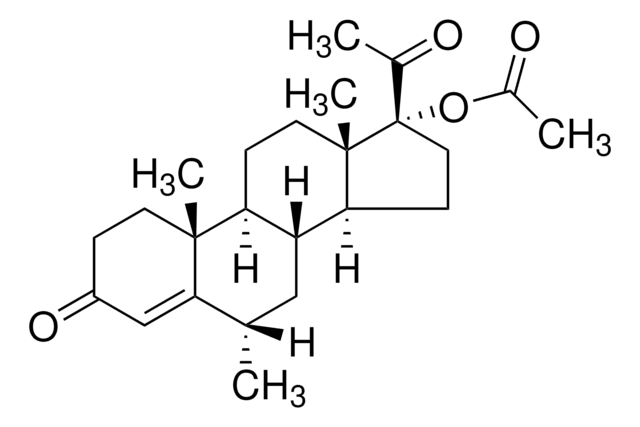
Medroxyprogesterone Acetate Chemistry Structure
Applications
Steroid Hormone Signaling Studies: Used to model progesterone receptor-mediated transcription, receptor-ligand interactions, and gene expression regulation in preclinical systems.
Molecular Mechanistic Analyses: Enables investigation of receptor cofactor recruitment, epigenetic modifications, and intracellular signaling pathways.
Cellular Response Modeling: Supports studies on proliferation, differentiation, and hormone-responsive cellular pathways in vitro.
Multi-Omic Integration: Compatible with transcriptomic, proteomic, and metabolomic studies to analyze system-level hormone effects.
Preclinical Laboratory Models: Applied in controlled research models to explore receptor activity, transcriptional regulation, and molecular signaling networks without clinical implications.
Research Models
Medroxyprogesterone Acetate (CAS 71-58-9) is widely employed in preclinical and laboratory research models to study steroid hormone signaling, receptor activation, and transcriptional regulation. Its high purity and stable formulation make it suitable for a broad range of in vitro and ex vivo experimental systems, enabling reproducible mechanistic studies in diverse cellular contexts.
Cell Line Models: The solution or powder can be applied to immortalized cell lines, primary cells, and engineered cell systems to investigate progesterone receptor-mediated signaling. Researchers can analyze receptor binding, transcription factor recruitment, and downstream molecular pathway activation. Dose-response and time-course experiments allow detailed studies of gene expression modulation and receptor dynamics.
3D Culture and Organoid Models: Medroxyprogesterone Acetate supports three-dimensional culture systems and organoids, providing a physiologically relevant platform for studying hormone-induced transcriptional regulation and cellular response networks. These models enable observation of steroid signaling effects within organized tissue-like structures, including changes in proliferation, differentiation, or gene network activation.
Reporter and Molecular Pathway Models: The compound is compatible with luciferase reporter assays, chromatin immunoprecipitation (ChIP), and protein-DNA interaction studies. Researchers can dissect nuclear receptor recruitment, epigenetic modifications, and transcriptional activation in a controlled preclinical setting.
Ex Vivo Experimental Systems: While strictly limited to laboratory research, Medroxyprogesterone Acetate can be applied in controlled tissue explants or primary culture models to study receptor-mediated gene regulation, transcriptional responses, and molecular signaling networks.
Overall, Medroxyprogesterone Acetate provides a versatile and reproducible tool for investigating steroid hormone biology, nuclear receptor signaling, and transcriptional regulation across a wide variety of preclinical research models, supporting high-quality mechanistic studies and molecular pathway analyses.
Experimental Design Considerations
When planning experiments with Medroxyprogesterone Acetate (CAS 71-58-9) in laboratory research, careful attention to dose, exposure time, model selection, and analytical endpoints is essential to ensure reproducibility and meaningful interpretation of results. This compound is designed exclusively for preclinical and mechanistic studies, providing controlled modulation of progesterone receptor-mediated pathways.
Dose Optimization: The effects of Medroxyprogesterone Acetate on receptor-mediated transcription and downstream signaling are concentration-dependent. Preliminary titration experiments are recommended to determine the optimal concentration range that elicits measurable receptor activation without non-specific or cytotoxic effects. Proper dose optimization ensures that observed molecular responses are directly related to receptor-ligand interactions rather than experimental artifacts.
Exposure Duration and Time-Course Studies: Time-dependent responses are critical for understanding transcriptional activation, cofactor recruitment, and downstream signaling cascade engagement. Researchers should design experiments with multiple time points to capture early, intermediate, and late molecular events, enabling comprehensive analysis of hormone-responsive pathways.
Control Conditions: Include appropriate vehicle controls, untreated samples, and negative controls to distinguish specific effects of Medroxyprogesterone Acetate from baseline variability. In multi-omic studies, replicate experiments and batch-matched controls enhance reliability and reproducibility.
Model System Selection: Different cell types or experimental systems may show variable sensitivity to progestin analogs. Selection of appropriate cell lines, primary cultures, or organoid models is critical for achieving detectable receptor-mediated responses and ensuring relevance to the molecular pathways under investigation.
Assay Integration: Medroxyprogesterone Acetate is compatible with a variety of experimental assays, including luciferase reporter assays, qPCR, Western blotting, immunofluorescence, and chromatin immunoprecipitation (ChIP). Integration with these techniques facilitates mechanistic dissection of receptor activation, transcriptional modulation, and downstream signaling events.
Handling and Storage: Maintain compound stability by following storage guidelines (–20°C long-term, 2–8°C short-term) and minimizing freeze-thaw cycles. Proper handling ensures consistent experimental outcomes and reproducibility across studies.
By considering these design principles, researchers can conduct robust, reproducible experiments with Medroxyprogesterone Acetate, enabling precise studies of progesterone receptor signaling, transcriptional regulation, and molecular pathway dynamics in preclinical laboratory models.
Laboratory Safety & Handling Guidelines
Medroxyprogesterone Acetate (CAS 71-58-9) is intended strictly for laboratory and preclinical research. Safe handling and adherence to institutional biosafety protocols are essential to protect researchers and maintain experimental integrity.
Personal Protective Equipment (PPE): Always wear lab coats, gloves, and eye protection when handling the compound. Depending on experimental procedures, additional protective gear such as face shields or respirators may be warranted to prevent accidental exposure. Proper PPE reduces the risk of contact with skin, eyes, and mucous membranes.
Handling Procedures: Work with the compound in a well-ventilated area or biosafety cabinet to minimize potential aerosol exposure. Use appropriate laboratory tools for precise dosing and avoid direct contact. Immediately clean any spills using institutional spill protocols, and properly document any accidental exposure.
Storage Guidelines: Store Medroxyprogesterone Acetate at –20°C for long-term use or 2–8°C for short-term experimental applications. Protect from light and moisture to maintain chemical stability and experimental consistency. Containers should be clearly labeled with CAS number, batch number, concentration, and intended use.
Waste Disposal: Dispose of all contaminated materials—including pipette tips, tubes, and plates—according to institutional chemical and biohazard waste protocols. Decontaminate work surfaces and laboratory equipment after handling to prevent cross-contamination.
Spill and Accident Procedures: In the event of a spill, contain and clean using absorbent materials while wearing appropriate PPE. For skin or eye exposure, rinse thoroughly with water and follow institutional emergency guidelines. Ensure proper documentation of incidents in laboratory safety records.
Training and Supervision: Only trained personnel should handle Medroxyprogesterone Acetate. All laboratory staff must be familiar with safety data sheets (SDS), biosafety protocols, and emergency procedures related to steroid hormone analogs.
By following these safety and handling guidelines, researchers can ensure that Medroxyprogesterone Acetate is used safely and effectively, maintaining reagent integrity, reproducibility of experiments, and overall laboratory safety.
Integration with Multi‑Omic & Computational Studies
Medroxyprogesterone Acetate (CAS 71-58-9) is highly compatible with multi-omic and computational research approaches, allowing researchers to explore steroid hormone signaling, receptor-mediated transcription, and downstream molecular pathways across multiple layers of biological information. Its high purity and stable formulation enable precise experimental control, which is critical for generating reliable and reproducible datasets suitable for systems-level analyses.
Transcriptomic Analysis: Researchers can assess gene expression changes induced by Medroxyprogesterone Acetate in various cell models. This allows investigation of progesterone receptor target genes, transcription factor networks, and hormone-responsive pathways, providing insights into receptor-mediated transcriptional regulation.
Proteomic and Phosphoproteomic Studies: The compound supports studies examining protein abundance, post-translational modifications, and signaling pathway activation in response to steroid hormone analog exposure. Multi-layered proteomic data can help elucidate cofactor recruitment, receptor complex formation, and intracellular signaling events.
Epigenomic and Chromatin Studies: Medroxyprogesterone Acetate can be integrated into chromatin immunoprecipitation (ChIP), ATAC-seq, and histone modification assays, enabling researchers to explore epigenetic regulation, chromatin accessibility, and transcriptional control mechanisms influenced by progesterone receptor activation.
Metabolomic Profiling: Hormone analog exposure may induce subtle metabolic shifts, which can be monitored through metabolomic analyses. Studying these changes helps link receptor-mediated transcriptional events to cellular metabolism and biochemical pathway regulation in preclinical models.
Computational Modeling and Systems Biology: Data generated from transcriptomic, proteomic, epigenomic, and metabolomic analyses can be integrated into computational models to simulate receptor-ligand interactions, transcriptional networks, and downstream signaling cascades. This approach enables predictive modeling of molecular responses and identification of key regulatory nodes.
High-Throughput and Multi-Layer Integration: Medroxyprogesterone Acetate is compatible with high-throughput experimental platforms, allowing simultaneous analysis across multiple molecular layers. Integration of multi-omic datasets facilitates a systems-level understanding of hormone receptor signaling and transcriptional regulation in preclinical research.
Overall, using Medroxyprogesterone Acetate in multi-omic and computational studies provides researchers with a versatile platform to investigate mechanistic insights into steroid hormone biology, receptor signaling dynamics, and molecular pathway regulation, enabling robust and reproducible preclinical research outcomes.
Side Effects (Research Observations)
In experimental models, Medroxyprogesterone Acetate can induce:
Receptor-mediated transcriptional modulation, observed as changes in gene expression.
Altered signaling pathway activity, including cofactor recruitment and epigenetic modification.
Dose-dependent cellular responses, such as modulation of proliferation or differentiation markers.
All effects are strictly experimental outcomes within controlled laboratory settings and do not imply clinical or therapeutic applications.
Keywords
Medroxyprogesterone Acetate, CAS 71-58-9, synthetic progestin analog, steroid hormone signaling, progesterone receptor, transcriptional regulation, gene expression modulation, laboratory research reagent, preclinical study, in vitro modeling, Tumor Research
Shipping Guarantee
We provide global express shipping with full tracking to ensure timely and secure delivery of Medroxyprogesterone Acetate (CAS 71-58-9) to research laboratories worldwide. Temperature-controlled packaging and moisture-resistant sealing preserve the integrity and stability of the compound during transit. Each shipment is accompanied by a batch-specific Certificate of Analysis (COA) to ensure reproducibility, traceability, and experimental reliability. Researchers can rely on consistent product quality for precise preclinical studies and mechanistic experiments.
Medroxyprogesterone Acetate
Trade Assurance
Our factory-managed production ensures high-quality Medroxyprogesterone Acetate with strict batch-to-batch consistency. We support bulk orders and provide verified COA, HPLC, and LC–MS documentation for each batch, giving laboratories confidence in compound identity and purity. Secure commercial agreements are available for institutional clients and large-scale laboratory supply, facilitating long-term research planning and uninterrupted experimental workflows. All measures prioritize reliability, quality control, and reproducible research outcomes.
Payment Support
We offer multiple flexible payment options, including bank transfer, PayPal, TT, LC, and corporate invoicing, to accommodate the diverse procurement needs of research laboratories. These options are suitable for both small-scale assay samples and bulk orders, ensuring that experiments can proceed without delays. Transparent and secure transactions enable laboratories to maintain efficient budgeting and timely access to high-purity Medroxyprogesterone Acetate for preclinical studies.
Disclaimer
Medroxyprogesterone Acetate is intended exclusively for laboratory research and preclinical experimental use. It is not suitable for human or veterinary administration under any circumstances. The compound must be handled only by trained personnel following institutional biosafety procedures, and all experiments must adhere to laboratory safety protocols. This product is strictly for mechanistic studies, receptor signaling research, and molecular pathway analysis; no clinical or therapeutic use is implied or permitted.
References
Stanczyk FZ, et al. Progestins in laboratory research: molecular mechanisms and receptor interactions. PubMed (pubmed.ncbi.nlm.nih.gov)
Labrie F, Synthetic progestins and transcriptional regulation mechanisms. PubMed (pubmed.ncbi.nlm.nih.gov)
Wiebe JP, Medroxyprogesterone acetate effects in vitro on receptor-mediated pathways. PubMed (pubmed.ncbi.nlm.nih.gov)
Chabbert-Buffet N, Laboratory applications of synthetic progestins for molecular pathway analysis. PubMed (pubmed.ncbi.nlm.nih.gov)
Additional information
Weight
1.1 kg
Dimensions
18 × 16 × 16 cm
Reviews
There are no reviews yet.
Be the first to review “Medroxyprogesterone Acetate CAS 71-58-9 | Factory Manufactured | Wholesale Supply” Cancel reply
1. What is Medroxyprogesterone Acetate used for in research?
Medroxyprogesterone Acetate is used exclusively in laboratory and preclinical research to study steroid hormone receptor signaling, transcriptional regulation, and gene expression modulation. It allows researchers to explore mechanistic pathways of progesterone receptor activation in controlled experimental systems.
2. Can it be applied in cell culture studies?
Yes, it is suitable for in vitro cell culture experiments, reporter assays, and mechanistic pathway studies. Its stable solution or powder formulation enables precise dosing and reproducible responses in a variety of cell types.
3. How should it be stored?
Store at –20°C for long-term preservation or 2–8°C for short-term use, protected from light and moisture. Proper storage ensures compound stability and consistent experimental results.
4. Is batch documentation available?
Yes. Each batch comes with a Certificate of Analysis (COA), HPLC, and LC–MS reports, verifying purity, identity, and suitability for preclinical research. These documents support reproducible experimental outcomes.
5. Can it be integrated into multi-omic studies?
Absolutely. Medroxyprogesterone Acetate can be used in transcriptomics, proteomics, epigenomics, and metabolomics workflows. Integration enables comprehensive mechanistic insights into receptor signaling and molecular pathway regulation.
6. Are there safety precautions?
Yes. Always wear personal protective equipment (PPE), handle in a biosafety cabinet, and follow institutional safety protocols. Avoid ingestion, inhalation, and skin contact to ensure laboratory safety.
7. Which experimental models are compatible?
It is compatible with immortalized cell lines, primary cultures, organoids, and 3D tissue models. These systems allow detailed investigation of progesterone receptor signaling, transcriptional regulation, and hormone-responsive molecular networks.
8. How is the compound supplied?
Medroxyprogesterone Acetate is available as a powder or solution, with vial sizes ranging from 5 mg to 100 mg, and bulk orders are available. Each shipment includes batch-specific documentation for research use.
9. Can it be used in high-throughput screening?
Yes. Its stable formulation supports multi-well plate assays and high-throughput experimental setups, allowing reproducible dosing across multiple samples.
10. Does it affect cell viability?
Medroxyprogesterone Acetate may induce receptor-mediated transcriptional responses that influence cellular pathways. Dose optimization is important to avoid non-specific cytotoxic effects and ensure mechanistic clarity.
11. Is it suitable for organoid studies?
Yes. It can be applied in 3D organoid models to study hormone receptor signaling, transcriptional modulation, and cellular response in more physiologically relevant systems.
12. How can reagent purity be verified?
Purity is confirmed via COA, HPLC, and LC–MS documentation, ensuring reliable data for reproducible preclinical studies.
13. Can it be used to study epigenetic regulation?
Yes. Medroxyprogesterone Acetate allows investigation of chromatin remodeling, cofactor recruitment, and histone modification in receptor-mediated transcriptional studies.
14. Are there precautions for long-term storage?
Maintain at –20°C in a tightly sealed, light-protected container. Minimize freeze-thaw cycles and avoid moisture exposure to preserve compound stability and reproducibility.
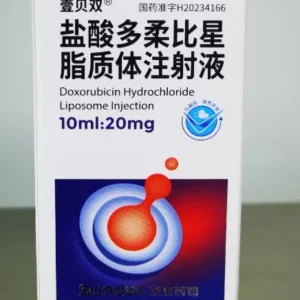
is a liposomal formulation of doxorubicin, offering enhanced circulation time and reduced cardiotoxicity compared to the traditional form. Supplied as 20mg per 10mL vial, it is strictly for laboratory research use only—not for clinical or human application. Please consult the staff for other purposes.
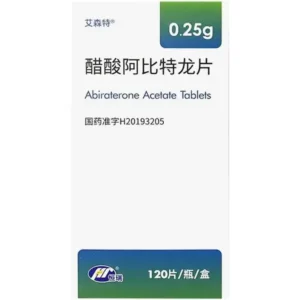
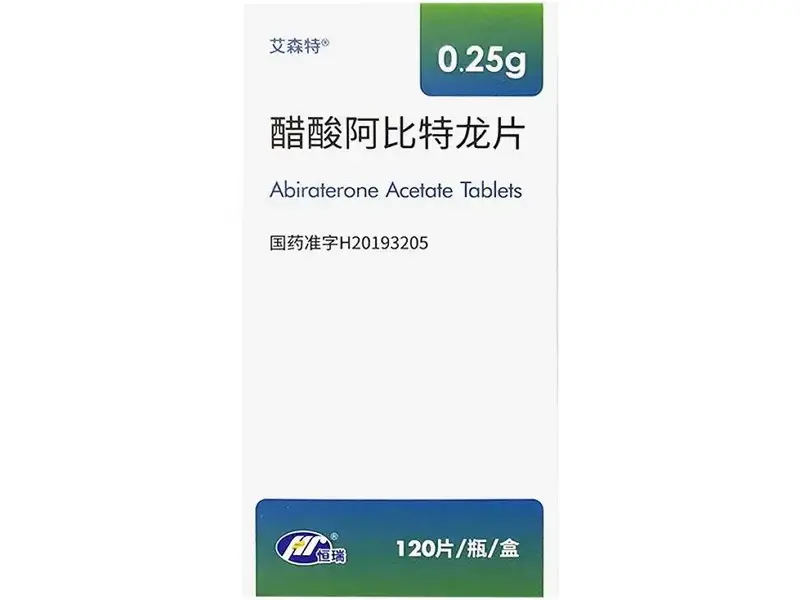
Abiraterone acetate is a potent CYP17A1 inhibitor used clinically to suppress androgen synthesis in prostate cancer. Manufactured by Chengdu Shengdi Pharmaceutical Co., Ltd., with China NMPA approval under H20193205 (product code: 86980435000069). This product is for laboratory research and development use only—not for clinical or therapeutic use.
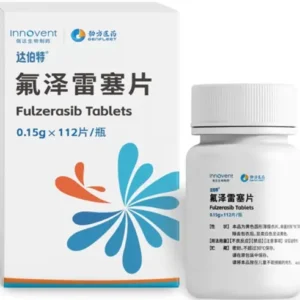
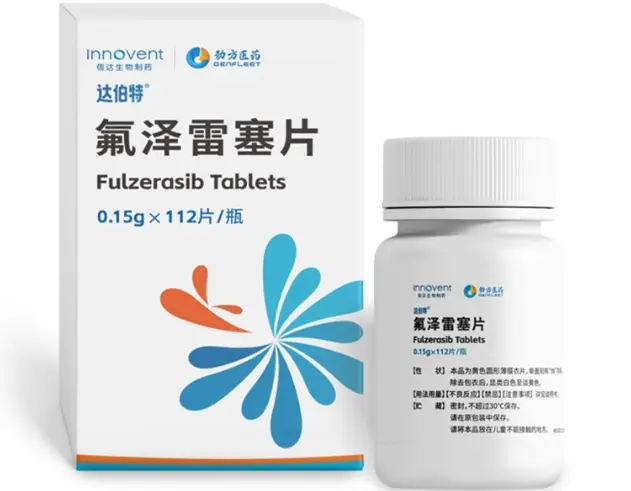
Fulzerasib (Dupert) is an orally active KRAS G12C inhibitor, conditionally approved in China for advanced non–small-cell lung cancer (NSCLC) with KRAS G12C mutation. Manufactured by CindaBio, NMPA approved under H20240035 (drug code: 86985200000015). Strictly for laboratory research use only—NOT for clinical or human consumption.
Mechlorethamine hydrochloride (HaiPu®) is a potent DNA-alkylating agent from the nitrogen mustard class, supplied as a 1mL vial containing 5mg. Manufactured by Shanghai Xudong Haipu Pharmaceutical Co., Ltd., with NMPA approval H31020897 and product code 86900808000625. Strictly for laboratory research use.Please consult the staff for other purposes.




Reviews
There are no reviews yet.