
No products in the cart.
Sale
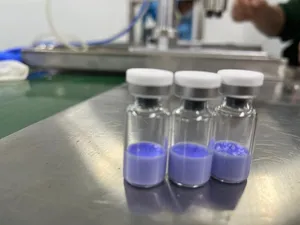
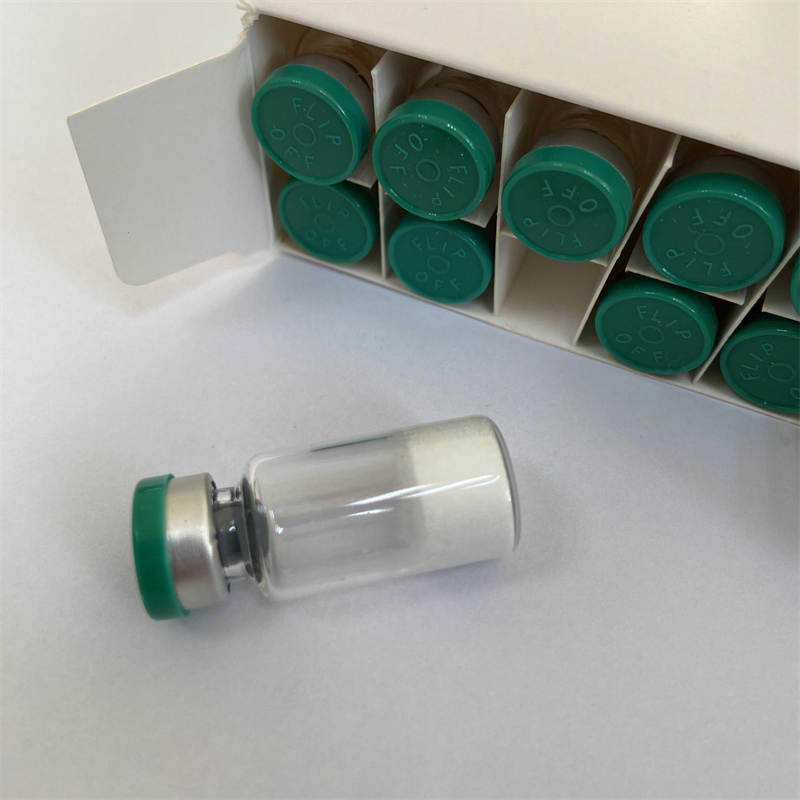
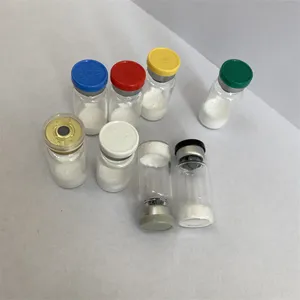
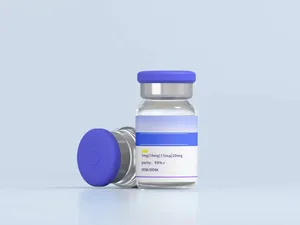
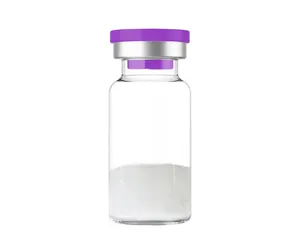
Retatrutide | CAS 2381089-83-2 | Dual GLP-1/GIP/Glucagon Receptor Agonist
Original price was: $3.00.$2.00Current price is: $2.00.
Retatrutide (CAS 2381089-83-2) is a potent triple agonist targeting GLP-1, GIP, and glucagon receptors. It is widely used in metabolic and obesity research for its ability to modulate glucose homeostasis, lipid metabolism, and energy expenditure.
Description
Product Description
Retatrutide (CAS 2381089-83-2) is a novel synthetic peptide that functions as a potent and balanced triple agonist of GLP-1, GIP, and glucagon receptors, making it a valuable tool in the investigation of metabolic regulation and obesity mechanisms. Designed for laboratory research use only, Retatrutide has demonstrated strong efficacy in studies examining energy homeostasis, glucose metabolism, and lipid oxidation pathways.
In metabolic research, Retatrutide represents a significant advancement beyond earlier dual receptor agonists. Its triple-targeted activity offers unique insight into the synergistic modulation of endocrine and hepatic signaling networks that govern body weight, thermogenesis, and insulin secretion. By concurrently activating GLP-1, GIP, and glucagon receptors, Retatrutide allows researchers to study the dynamic interplay between appetite regulation, pancreatic beta-cell function, and hepatic glucose output.
The GLP-1 receptor component contributes to enhanced insulin secretion and appetite suppression, while GIP receptor activation provides additional incretin support and promotes efficient glucose utilization. The glucagon receptor activity, meanwhile, facilitates increased energy expenditure and lipid oxidation, leading to a comprehensive metabolic enhancement profile. Retatrutide thus serves as a versatile reference compound for dissecting the molecular basis of energy balance, adipose tissue remodeling, and hepatic metabolism.
Laboratory data indicate that Retatrutide effectively reduces body fat accumulation, increases thermogenic gene expression in brown adipose tissue, and improves mitochondrial oxidative efficiency. These features make it an essential peptide for studies focused on metabolic disorders, insulin resistance, and nonalcoholic fatty liver disease (NAFLD). Furthermore, due to its high receptor affinity and extended half-life, it enables long-duration in vitro and in vivo metabolic experiments under controlled laboratory conditions.
Researchers frequently employ Retatrutide in comparative mechanistic studies alongside other incretin-based peptides such as semaglutide, tirzepatide, and cotadutide to evaluate receptor-specific signal amplification and downstream cAMP responses. The compound’s integrated receptor engagement provides an unparalleled model for evaluating multi-pathway synergy in metabolic signaling and the development of next-generation metabolic research agents.

Product Specifications
| Item | Details |
|---|---|
| Product Name | Retatrutide |
| CAS Number | 2381089-83-2 |
| Molecular Formula | C₁₈₁H₂₈₉N₄₇O₅₃ |
| Molecular Weight | 3971.5 g/mol |
| Purity | ≥99% |
| Sequence | Custom peptide sequence (GLP-1/GIP/glucagon receptor triagonist) |
| Synonyms | LY3437943 |
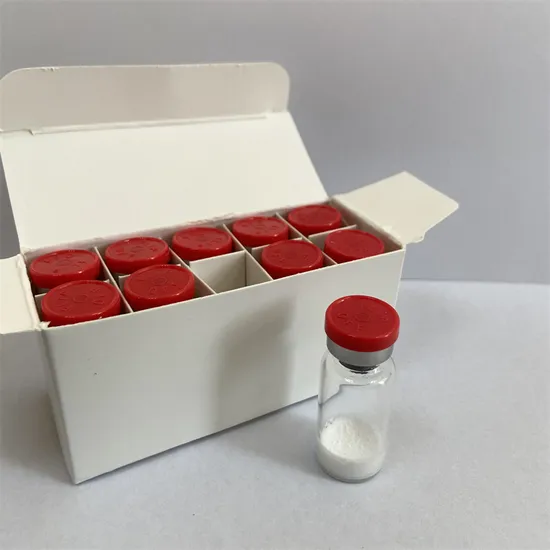
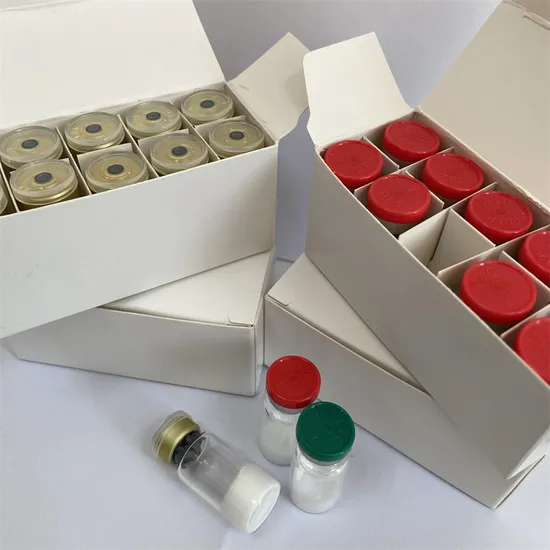
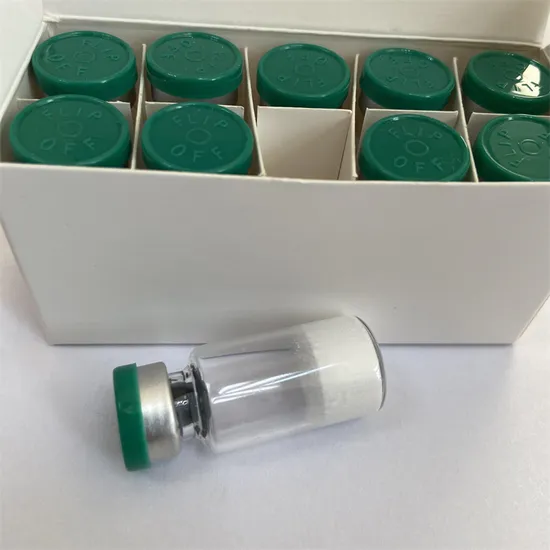
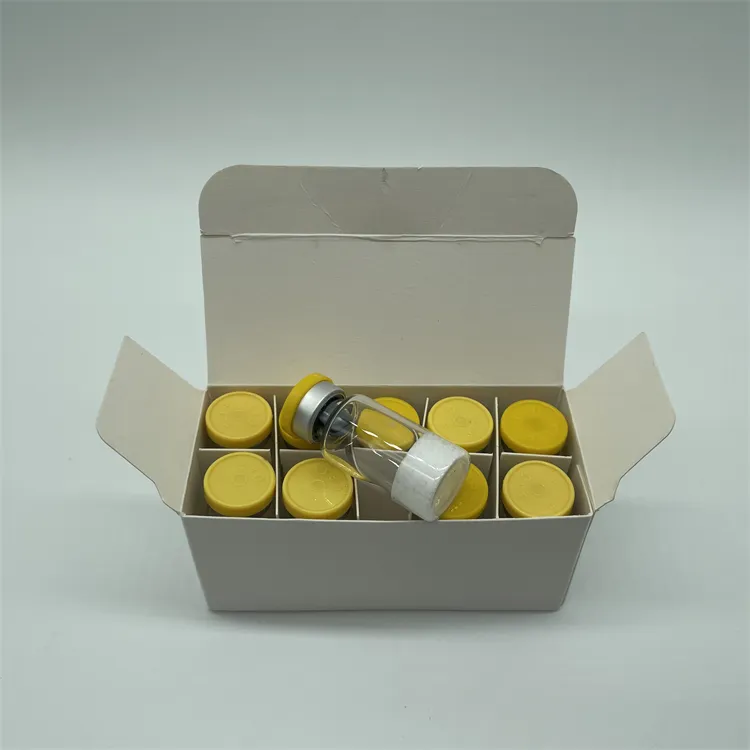
| Appearance | White to off-white lyophilized powder |
| Solubility | Soluble in water or PBS buffer |
| Storage | -20°C, protected from light and moisture |
| Category | Metabolic and obesity research peptide |
| Applications | Studies of metabolic regulation, glucose control, lipid oxidation, and energy expenditure |
| Research Area | Metabolic disorders, obesity, insulin resistance, nonalcoholic fatty liver disease |
| Intended Use | For laboratory research use only |
Mechanism of Action
Retatrutide acts as a balanced triple agonist at the GLP-1 (glucagon-like peptide-1), GIP (glucose-dependent insulinotropic polypeptide), and glucagon receptors. This combination of receptor activation enables comprehensive modulation of metabolic signaling cascades and energy regulation.
Upon GLP-1 receptor activation, Retatrutide enhances insulin secretion in a glucose-dependent manner, suppresses glucagon release, and slows gastric emptying. These effects collectively contribute to reduced appetite and improved glucose tolerance. The GIP receptor agonism complements these actions by amplifying insulinotropic signaling in pancreatic beta cells, thereby improving glucose uptake and utilization.
In addition, glucagon receptor activation increases hepatic glucose output and stimulates fatty acid oxidation, leading to elevated basal metabolic rate and enhanced thermogenesis. This balance between anabolic and catabolic signaling results in a coordinated improvement of systemic energy metabolism.
Retatrutide also influences intracellular signaling networks through the cAMP-PKA pathway, leading to phosphorylation of CREB and upregulation of genes involved in mitochondrial biogenesis and lipid catabolism. The integration of these receptor pathways provides researchers with an ideal model to study multi-receptor cross talk and its role in regulating energy expenditure, body weight, and glucose homeostasis.
At the tissue level, Retatrutide has been shown to enhance mitochondrial activity in skeletal muscle and brown adipose tissue, reduce hepatic steatosis, and improve insulin sensitivity in adipocytes. These outcomes establish it as a high-value compound for exploring multi-hormonal regulation of metabolic balance.

Side Effects
In research settings, Retatrutide has been observed to cause transient gastrointestinal effects such as reduced gastric motility and mild nausea in animal studies, consistent with other GLP-1 receptor agonists. These responses are typically dose-dependent and reversible.
Additional reported effects include transient increases in energy expenditure, reduced appetite, and changes in lipid metabolism, reflecting the intended biological activity of the compound. No long-term adverse outcomes have been documented in controlled preclinical environments.
Researchers are advised to handle Retatrutide under appropriate biosafety conditions and adhere to institutional peptide-handling protocols. The compound is not approved for human or veterinary use and must only be used in controlled research applications.
Keywords
Retatrutide, CAS 2381089-83-2, GLP-1 agonist, GIP agonist, glucagon receptor agonist, metabolic research peptide, obesity peptide, insulin resistance research, energy metabolism peptide, metabolic signaling, glucose regulation, lipid oxidation, lab-grade peptide, bulk peptide powder, China peptide factory, OEM peptide production, ≥99% purity.
Shipping Guarantee
All Retatrutide shipments are handled using validated cold-chain logistics to preserve peptide integrity. Each package is sealed in moisture-proof containers with secondary protective wrapping and continuous temperature monitoring. Products are shipped via express international couriers with full tracking and insurance coverage.
Trade Assurance
We guarantee that Retatrutide products are genuine, verified ≥99% purity, and compliance with analytical standards (HPLC, MS, and NMR). Each batch is supplied with a Certificate of Analysis (CoA). Our trade assurance policy guarantees replacement or refund for any deviation from listed specifications.
Payment Support
We provide flexible and secure global payment options to support international research transactions. Accepted payment methods include PayPal, major credit cards (Visa, MasterCard, American Express), telegraphic transfer (T/T), and cryptocurrencies (USDT, Bitcoin, Ethereum). All transactions are protected by industry-standard encryption and verified payment gateways to ensure confidentiality and fund security.
Disclaimer
All Retatrutide products listed are intended for laboratory research use only and not for human or veterinary use. They are not drugs, medical devices, or diagnostics and should not be administered to humans or animals. Researchers must handle all materials in accordance with institutional biosafety and chemical safety guidelines. The information provided is for scientific reference only and does not imply therapeutic efficacy, safety, or regulatory approval.

Additional information
| Weight | 1 kg |
|---|---|
| Dimensions | 36 × 60 × 80 cm |
1. What is Retatrutide used for in research?
Retatrutide is used in laboratory research focusing on metabolic regulation, obesity, and glucose homeostasis. It serves as a triple agonist targeting GLP-1, GIP, and glucagon receptors.
2. Is Retatrutide suitable for human use?
No. Retatrutide is strictly for laboratory research use only and is not approved for human or veterinary use.
3. What is the purity level of Retatrutide provided by your factory peptide supplier?
All Retatrutide supplied by our China peptide factory meets ≥99% purity standards, verified through HPLC and MS analysis.
4. Can I buy Retatrutide peptide wholesale from China?
Yes, we support peptide wholesale orders from China for research institutions and distributors seeking bulk peptide powder.
5. Do you offer OEM peptide production services?
Yes, our factory provides OEM peptide production and custom synthesis solutions with full analytical documentation.
6. How is Retatrutide shipped internationally?
All shipments are handled through validated cold-chain logistics with complete temperature monitoring and global tracking.
7. What payment methods are supported for peptide bulk orders?
We accept PayPal, major credit cards, T/T bank transfers, and cryptocurrencies such as Bitcoin, Ethereum, and USDT.
8. What storage conditions are recommended for Retatrutide?
Store lyophilized Retatrutide at -20°C in a moisture-proof container, protected from light.
9. Can Retatrutide be used with other metabolic peptides in experiments?
Yes, it is commonly studied in combination with other GLP-1 or GIP analogs to assess synergistic receptor activation.
10. Is documentation like CoA provided with each batch?
Yes, every batch includes a Certificate of Analysis detailing peptide purity, identity, and analytical confirmation.
11. How can I verify the authenticity of peptides purchased online?
All products from our factory peptide supplier include traceable batch numbers and analytical verification documents.
12. What is the minimum order quantity for research peptide manufacturers?
We offer flexible MOQs to support both small-scale research and bulk peptide powder procurement.
13. Do you provide peptide export documentation?
Yes, we provide all necessary export certifications for international peptide shipments.
14. What distinguishes your low-price peptide supplier services?
We combine low manufacturing costs in China with high-quality standards and global cold-chain logistics for affordable, reliable supply.
15. Are your peptides suitable for high-purity analytical applications?
Yes, all peptides are ≥99% purity, ideal for analytical, biochemical, and pharmacological research.
Related products
99% Pure Peptide Reta Trutide Epitalon in Stock Factory wholesale
Peptide Reta Purity 99%Over Original price was: $39.00.$26.00Current price is: $26.00.GLP-1/GIP/glucagon combination therapy The Future of Metabolic Treatment (Wholesale Supplier Guide)
GLP-1/GIP/glucagon combination therapy Original price was: $38.00.$23.00Current price is: $23.00.Retatrutide Raw Material Factory: Low-Price Wholesale for High-Purity Peptides
Retatrutide MOQ 1 Box Source Dry Powder Original price was: $38.00.$22.00Current price is: $22.00.GLP-1 Retatrutide Weight Loss Slimming low price wholesale
GLP-1 peptide slimming product, 5mg 10mg 15mg vials, metabolic health- Application: Health Care Supplement
- Form: Disposable vials
- Dosages: 5mg, 10mg, 15mg
- Purity: >99%


Reviews
There are no reviews yet.