
No products in the cart.
Sale
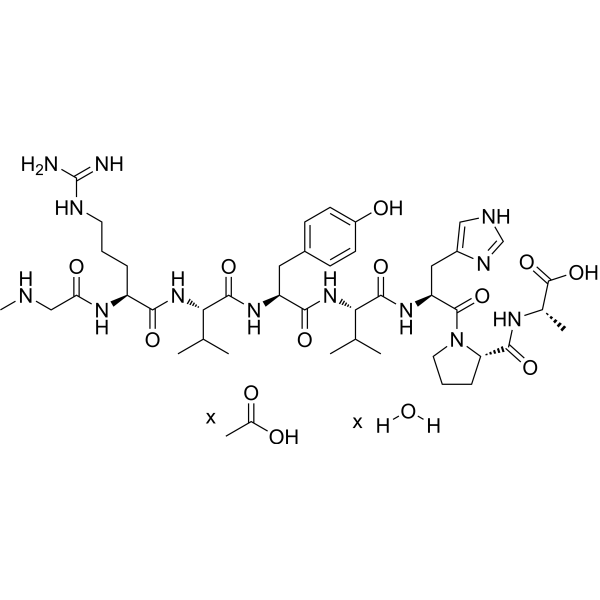
Saralasin Acetate Hydrate (CAS 39698-78-7)
Original price was: $28.00.$22.00Current price is: $22.00.
Saralasin acetate hydrate ([Sar¹,Ala?] Angiotensin II) is an angiotensin II receptor antagonist with partial agonist properties. It binds competitively to angiotensin II receptors (Ki = 0.32 nM for 74% of sites), making it a valuable tool for research on renovascular and renin-dependent hypertension. Supplied under GMP-compliant conditions, Saralasin acetate hydrate supports reproducible preclinical studies in cardiovascular and renal physiology.
Description
Contents
hide
1. Product Description
Saralasin acetate hydrate (CAS 39698-78-7) is a synthetic octapeptide analog of angiotensin II developed to study the renin–angiotensin–aldosterone system (RAAS). Known chemically as [Sar¹,Ala?] Angiotensin II, this analog functions as a competitive angiotensin II receptor antagonist while exhibiting partial agonist activity, making it an invaluable research tool in hypertension and cardiovascular studies.
Scientific Background
The RAAS system plays a crucial role in regulating blood pressure, fluid balance, and vascular resistance. Angiotensin II, an octapeptide hormone, exerts potent vasoconstrictive and aldosterone-stimulating effects through activation of the angiotensin II receptor (AT1). Dysregulation of RAAS contributes to hypertension, renal disorders, and cardiovascular disease.
Saralasin acetate hydrate was one of the first synthetic angiotensin II antagonists, enabling researchers to probe RAAS-mediated pathophysiology decades before small-molecule AT1 receptor blockers were developed.
Mechanistic Importance
Competitive Antagonism: Saralasin binds to angiotensin II receptors with high affinity (Ki = 0.32 nM for 74% of binding sites).
Partial Agonism: While predominantly an antagonist, Saralasin also demonstrates weak receptor activation in some systems.
Experimental Use: Its dual profile allows the dissection of angiotensin II receptor function in normal physiology and disease models.
Research Significance
Saralasin acetate hydrate remains an important agent for:
Studying renovascular hypertension models.
Investigating renin-dependent (angiotensinogenic) hypertension.
Exploring receptor pharmacology and competitive binding dynamics.
Serving as a reference peptide for novel RAAS-targeting therapeutics.
Its historical and ongoing use in preclinical research underlines its continued relevance as a benchmark angiotensin receptor antagonist peptide.
2. Product Specifications
| Parameter | Details |
|---|---|
| Product Name | Saralasin Acetate Hydrate |
| Synonyms | [Sar¹,Ala?] Angiotensin II; Angiotensin II analog; Peptide antagonist |
| CAS Number | 39698-78-7 |
| Molecular Type | Synthetic octapeptide |
| Molecular Formula | C??H??N??O?? (approximate, sequence-based) |
| Molecular Weight | ~ 987.1 Da (hydrated form) |
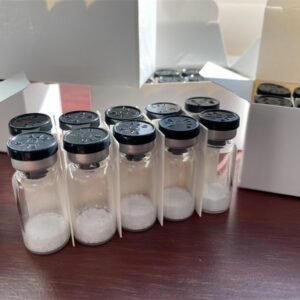
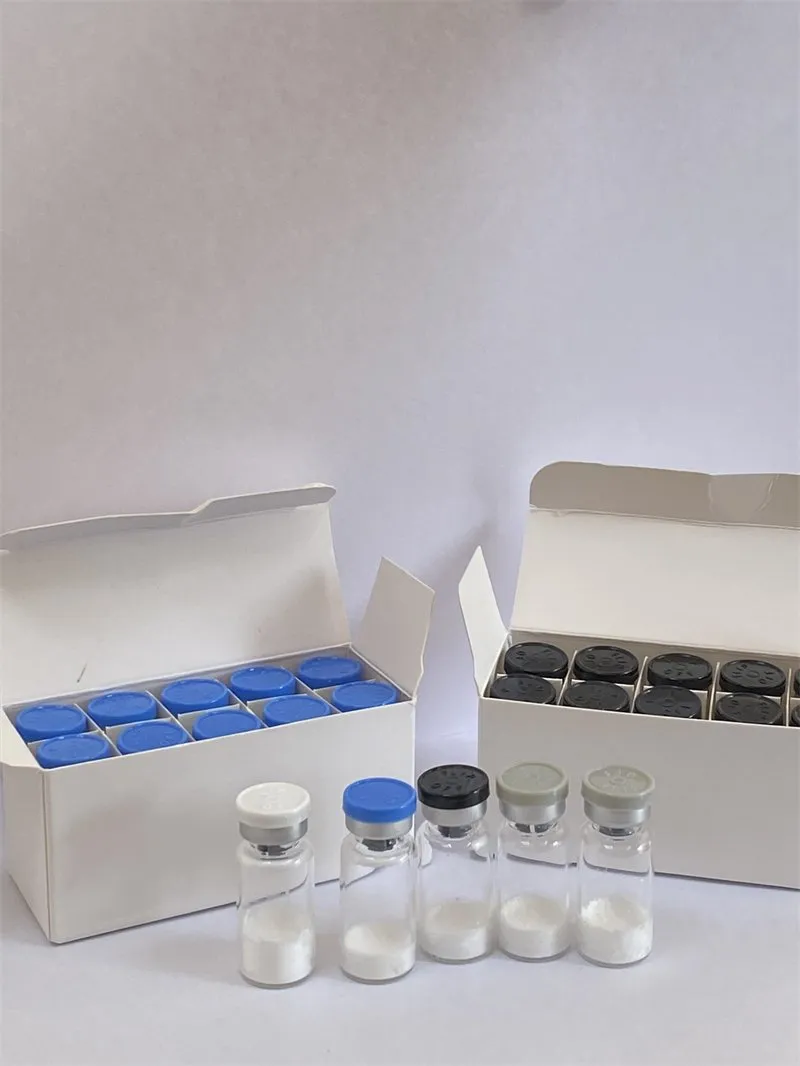
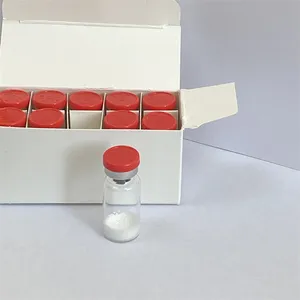
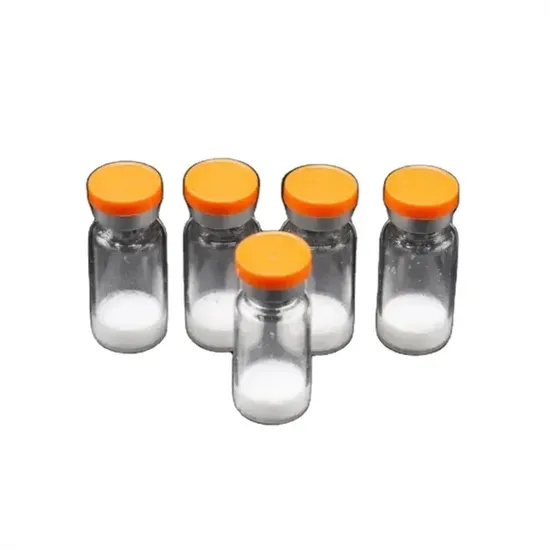
| Appearance | White to off-white lyophilized powder |
| Purity | 98% (HPLC) |
| Solubility | Soluble in water, PBS, and physiological buffers |
| Stability | Stable for 24 months in lyophilized form |
| Storage Conditions | Store at -20°C; protect from moisture and light; avoid repeated freeze-thaw |
| Mechanism | Competitive angiotensin II receptor antagonist with partial agonist activity |
| Applications | Hypertension research, RAAS studies, cardiovascular physiology |
| GMP Compliance | Yes, manufactured under GMP standards |
| Availability | Bulk & retail supply available |
| Experimental Models | In vitro receptor assays, rodent hypertension models, renal perfusion studies |
| Safety Considerations | Research use only; not for human or veterinary applications |
3. Mechanism of Action & Research Applications
Mechanism of Action
Saralasin acetate hydrate binds to angiotensin II receptors and acts primarily as a competitive antagonist. By occupying receptor binding sites, it blocks angiotensin II from inducing vasoconstriction and aldosterone release. Its Ki of 0.32 nM for 74% of receptor sites reflects high affinity.
However, unlike full antagonists, Saralasin exhibits partial agonist activity, producing weak receptor activation under certain experimental conditions. This unique pharmacological profile makes it particularly valuable for:
Distinguishing receptor subtypes.
Investigating dose-dependent antagonism and partial agonism.
Modeling transitional states between receptor inhibition and activation.
Research Applications
Hypertension Research
Saralasin was the first peptide antagonist used to confirm RAAS involvement in renovascular hypertension.
It provides a tool to evaluate blood pressure regulation in preclinical models.
Renin-Dependent Hypertension Studies
By competitively blocking angiotensin II, Saralasin reveals the dependence of certain hypertensive states on renin activity.
Receptor Pharmacology
Ideal for binding assays and receptor activation/inhibition profiling.
Useful in mapping receptor binding dynamics in cardiovascular tissues.
Comparative Studies
Serves as a benchmark peptide antagonist for comparison with modern AT1 blockers (losartan, valsartan, etc.).
Helps elucidate the differences between peptide-based and small-molecule antagonists.
Translational Research
While not intended for therapeutic use, Saralasin provides insights into mechanisms underlying hypertension therapies.
It contributed historically to the development of next-generation antihypertensive agents.

4. Side Effects (Research Reference)
In preclinical and early experimental use, Saralasin acetate hydrate demonstrated several effects:
Blood pressure variability: As a partial agonist, Saralasin can sometimes lower or raise blood pressure depending on dose and model.
Vascular responses: May cause transient vasodilation or paradoxical vasoconstriction.
Hormonal modulation: Influences aldosterone secretion and renin activity in experimental systems.
Species-dependent effects: Rodent and primate models may show different hemodynamic responses.
Storage stability: Repeated freeze-thaw cycles reduce peptide integrity, potentially altering results.
All observed effects are research-only findings. Saralasin acetate hydrate is not for clinical or veterinary use.
5. Disclaimer
For laboratory research use only. Not for human or veterinary use.
6. Keywords
Saralasin acetate hydrate
[Sar1,Ala8] Angiotensin II
Angiotensin II receptor antagonist peptide
Competitive angiotensin II antagonist research
Renovascular hypertension peptide model
Renin-dependent hypertension research peptide
GMP peptide supplier Saralasin
Octapeptide angiotensin II analog
RAAS experimental peptide antagonist
Additional information
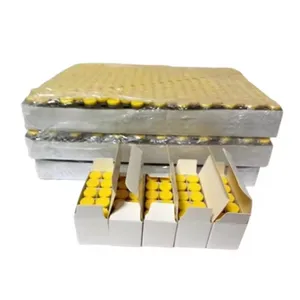
| Weight | 0.8 kg |
|---|---|
| Dimensions | 53 × 46 × 53 cm |
What is Saralasin acetate hydrate?
A synthetic octapeptide analog of angiotensin II, used as a receptor antagonist in research.
What is its CAS number?
CAS No. 39698-78-7.
How does it work?
By competitively blocking angiotensin II receptors, with partial agonist activity.
Is Saralasin a full antagonist?
No, it is a competitive antagonist with partial agonist properties.
What is its molecular weight?
Approximately 987.1 Da (hydrated form).
What does it look like?
White to off-white lyophilized powder.
What is its purity?
98% (HPLC).
How should it be stored?
At -20°C, protected from light and moisture.
What is its solubility?
Soluble in water, PBS, and physiological buffers.
Related products
GLP-1/GIP/glucagon combination therapy The Future of Metabolic Treatment (Wholesale Supplier Guide)
GLP-1/GIP/glucagon combination therapy Original price was: $38.00.$23.00Current price is: $23.00.Best-Selling Weight Loss Peptide: Slimming Peptide Reta with Safe Delivery
Weight Loss Peptide Lab-Tested Purity (99%+) – Ensures maximum effectiveness Original price was: $56.00.$23.00Current price is: $23.00.Best Price with Peptides 10mg Vials – High-Purity Weight Loss Peptide in Stock with Safe Delivery
Weight Loss Peptide Moq: 10 vials per box Package: plastic or paper box Purity:99% Original price was: $36.00.$24.00Current price is: $24.00.Tesamorelin Raw Material Factory: Low-Price Wholesale for High-Purity Peptides
Tesamorelin Egrifta; Tesamorelin; 218949-48-5; 804475-66-9; TH9507; ... Compound CID: 16137828 MF: C221H366N72O67S Original price was: $38.00.$23.00Current price is: $23.00.
Reviews
There are no reviews yet.