
No products in the cart.
Sale
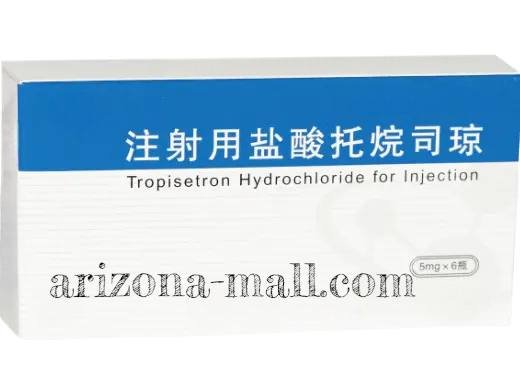

Tropisetron Hydrochloride Solution CAS 105826-92-4 – Low Price Wholesale
Original price was: $50.00.$46.00Current price is: $46.00.
High-purity Tropisetron Hydrochloride solution (CAS 105826-92-4), factory-manufactured for research applications. Ideal for investigating 5-HT3 receptor antagonism, neurological studies, and antiemetic pathways. Bulk supply ensures cost-effective solutions for in vitro and in vivo studies.
Description
Contents
hide
Product Description
Tropisetron Hydrochloride Solution (CAS 105826‑92‑4) is a high‑purity, ready‑to‑use aqueous solution of a selective 5‑HT₃ receptor antagonist, widely utilized in neuropharmacology and antiemetic research. The solution format provides researchers with precise dosing capabilities, eliminating the need for dissolution or reconstitution steps and ensuring reproducibility across in vitro and in vivo studies. Tropisetron Hydrochloride binds selectively to 5‑HT₃ receptors, effectively blocking serotonin-mediated signaling in both central and peripheral nervous systems, making it a valuable tool for investigating neurotransmission, receptor pharmacodynamics, and neurobehavioral mechanisms.
In in vitro research, Tropisetron Hydrochloride Solution enables receptor-binding assays, calcium flux studies, and electrophysiological measurements in neuronal cell cultures or enterochromaffin cell lines. Researchers can explore 5‑HT₃ receptor antagonism, monitor changes in neurotransmitter release, and examine downstream signaling effects, including modulation of GABAergic and dopaminergic pathways. The solution is also compatible with three-dimensional neuronal cultures and organoid systems, supporting advanced studies of synaptic networks, neuronal plasticity, and gut–brain axis interactions.
For in vivo applications, the solution is frequently applied in rodent models to assess antiemetic efficacy, visceral pain modulation, and central nervous system responses. Researchers can measure behavioral endpoints, autonomic reflexes, and gastrointestinal motility changes, providing mechanistic insight into serotonin receptor function. Tropisetron Hydrochloride’s multi-level receptor modulation allows detailed investigation of neurotransmitter crosstalk, adaptive signaling, and neuropharmacological pathways in translational research settings.
The compound is manufactured under strict factory-controlled conditions, ensuring ≥ 98% purity (HPLC verified) and consistent batch-to-batch quality. Certificates of Analysis (COA), HPLC, and LC–MS documentation are provided with each batch, supporting reproducibility and reliable experimental outcomes. The solution form is particularly advantageous for laboratories conducting high-throughput studies, combination therapy research, and multi-omic analyses, including transcriptomics, proteomics, and metabolomics, to examine 5‑HT₃ receptor-mediated signaling comprehensively.
Overall, Tropisetron Hydrochloride Solution (CAS 105826‑92‑4) combines high purity, ready-to-use convenience, and broad applicability across in vitro and in vivo neuropharmacological studies. Its robust profile for 5‑HT₃ receptor antagonism makes it an essential research tool for laboratories investigating serotonin-mediated pathways, antiemetic mechanisms, and complex neurotransmitter interactions. Bulk supply options further enhance its suitability for large-scale studies and translational research programs, providing researchers with a reliable, cost-effective, and high-quality solution for advanced neuroscience investigations.

Product Specifications
Tropisetron Hydrochloride Solution (CAS 105826‑92‑4) is manufactured under strict quality controls to ensure a consistent, ready‑to‑use formulation for neuroscience and pharmacology research. The solution is optimized for precision dosing in 5‑HT₃ receptor studies, with documented stability and reproducibility across batches. Solvent formulation and packaging ensure minimal variability and high experimental fidelity. The factory‑produced solution is ideal for preclinical in vitro assays, in vivo models, receptor pharmacology, and translational neuroscience workflows.
| Specification | Details |
|---|---|
| CAS Number | 105826‑92‑4 |
| Molecular Formula | C₁₈H₂₂N₂O · HCl |
| Molecular Weight | 298.84 g/mol |
| Appearance | Clear, colorless aqueous solution |
| Purity | ≥ 98% (HPLC) |
| Solvent | Aqueous buffered solution (ready to use) |
| Storage | 2‑8 °C, protect from light and avoid freeze–thaw cycles |
| Batch Documentation | COA, HPLC, LC–MS provided for each lot |
| Packaging | Factory‑sealed bottles; various volume options available |
This Tropisetron Hydrochloride solution provides a reliable, high‑quality source for 5‑HT₃ receptor research, allowing laboratories to focus on experimental design rather than compound preparation. Bulk supply and cost‑effective pricing make it suitable for large‑scale studies, neuropharmacology screening, and translational workflows.
Mechanism of Action
Tropisetron Hydrochloride Solution (CAS 105826‑92‑4) functions as a selective 5‑HT₃ receptor antagonist, exerting its effects by binding to the ligand-binding site of serotonin (5‑HT) type 3 receptors in neuronal and gastrointestinal tissues. By competitively inhibiting serotonin-mediated ion channel activation, tropisetron blocks the influx of cations, including sodium and calcium, which reduces neuronal excitability and suppresses neurotransmission. This mechanism is central to its role in antiemetic research and neuropharmacology studies, as it directly modulates pathways involved in nausea, vomiting, and central nervous system signaling.
In neuropharmacological research, tropisetron’s 5‑HT₃ antagonism is applied to study neurotransmitter crosstalk, including modulation of dopaminergic and GABAergic signaling. Researchers use the solution form to perform in vitro electrophysiology, calcium flux assays, and receptor-binding studies, which help elucidate downstream effects of serotonin inhibition. Additionally, Tropisetron Hydrochloride (CAS 105826‑92‑4) can alter synaptic transmission, neuronal firing patterns, and gastrointestinal reflex arcs in in vivo models, providing comprehensive insight into receptor-mediated physiological and behavioral processes.
The solution format enhances reproducibility, allowing precise dosing in both cellular assays and animal studies. Tropisetron Hydrochloride’s selective mechanism makes it a versatile tool for investigating 5‑HT₃ receptor-mediated signaling, antiemetic pathways, and serotonergic modulation in translational neuroscience and pharmacological research.

Applications
Tropisetron Hydrochloride Solution (CAS 105826‑92‑4) is widely employed in neuropharmacology and antiemetic research, offering versatile applications across in vitro, in vivo, and translational studies. Its selective 5‑HT₃ receptor antagonism allows researchers to investigate serotonergic pathways involved in nausea, vomiting, neuronal signaling, and gastrointestinal reflex regulation.
1. In Vitro Applications
In cell-based assays, Tropisetron Hydrochloride Solution is used to study 5‑HT₃ receptor-mediated calcium influx, electrophysiological responses, and neurotransmitter release in neuronal cultures or enterochromaffin cells. It supports receptor-binding assays, high-throughput screening for antiemetic compounds, and mechanistic studies exploring interactions with GABAergic or dopaminergic pathways. The solution form ensures precise dosing, reproducibility, and ease of use for experiments requiring accurate receptor modulation.
2. In Vivo Applications
In rodent models, Tropisetron Hydrochloride Solution is applied to examine behavioral and physiological responses linked to 5‑HT₃ receptor inhibition. Researchers can evaluate antiemetic efficacy, visceral pain modulation, gastrointestinal motility, and central nervous system responses. The compound’s pharmacodynamic effects facilitate studies of autonomic reflexes, synaptic plasticity, and serotonin-dependent neuronal networks. The solution format allows for accurate administration via intravenous, intraperitoneal, or oral routes, enhancing translational relevance.
3. Translational and Multi-Omic Research
Tropisetron Hydrochloride is increasingly integrated into multi-omic studies, including transcriptomics, proteomics, and metabolomics, to investigate systemic changes in serotonergic signaling. It is also used in combination therapy studies to examine interactions with other neuroactive compounds, enabling a deeper understanding of receptor crosstalk and adaptive mechanisms. The bulk, ready-to-use solution supports large-scale experiments, organoid cultures, and high-throughput drug screening workflows.
Overall, Tropisetron Hydrochloride Solution (CAS 105826‑92‑4) serves as a reliable and versatile tool for investigating 5‑HT₃ receptor-mediated pathways, antiemetic mechanisms, and broader neuropharmacological processes. Its high purity, solution format, and broad applicability make it an indispensable compound for advanced neuroscience research and translational pharmacology studies.
Research Models
Tropisetron Hydrochloride Solution (CAS 105826‑92‑4) is compatible with a wide range of research models in neuropharmacology and antiemetic studies. In in vitro systems, it is used with human or rodent neuronal cell lines, enterochromaffin cells, and co-culture systems to study 5‑HT₃ receptor-mediated signaling, neurotransmitter release, and calcium flux. Researchers can also employ three-dimensional organoids or neural spheroids to model complex neuronal networks and gut–brain axis interactions, allowing mechanistic exploration of serotonergic modulation.
In in vivo studies, Tropisetron Hydrochloride Solution is applied in rodent models to investigate behavioral and physiological effects of 5‑HT₃ receptor antagonism. Common models include nausea and emesis paradigms, visceral pain assays, and gastrointestinal motility measurements. These models enable researchers to assess antiemetic efficacy, autonomic reflex modulation, and central nervous system effects under controlled experimental conditions.
The solution is also suitable for translational research, supporting combination therapy studies, pharmacodynamic evaluations, and multi-omic analyses (transcriptomics, proteomics, metabolomics) of serotonergic signaling. Tropisetron Hydrochloride Solution’s ready-to-use format ensures consistent dosing across experimental models, improving reproducibility and reliability. Overall, this compound provides versatile applications across cellular, organoid, and animal models, making it an indispensable tool for investigating 5‑HT₃ receptor-mediated pathways, antiemetic mechanisms, and broader neuropharmacological processes.
Experimental Design Considerations
When designing experiments with Tropisetron Hydrochloride Solution (CAS 105826‑92‑4), careful planning is essential to ensure reliable and reproducible results. As a selective 5‑HT₃ receptor antagonist, this compound impacts both central and peripheral serotonergic pathways, making it critical to consider dose selection, treatment duration, and model system. For in vitro studies, the solution allows precise titration in neuronal or enterochromaffin cell cultures. Researchers are advised to perform dose-response and time-course studies to identify the optimal concentration for receptor inhibition without inducing off-target cytotoxicity.
In in vivo models, factors such as species-specific pharmacokinetics, route of administration, and behavioral endpoints must be carefully evaluated. Tropisetron Hydrochloride Solution can be administered via intravenous, intraperitoneal, or oral routes, depending on the experimental design and the target physiological system. Monitoring autonomic reflexes, gastrointestinal motility, and central nervous system responses is essential to correlate pharmacodynamic effects with receptor antagonism.
The solution form facilitates uniform dosing, minimizes preparation variability, and supports high-throughput screening applications. When combining Tropisetron Hydrochloride with other pharmacological agents, researchers should consider potential interactions with dopaminergic, GABAergic, or glutamatergic signaling pathways, as crosstalk may affect experimental outcomes. Proper controls, including vehicle-treated and untreated groups, are essential to distinguish specific 5‑HT₃ receptor-mediated effects.
Additionally, for multi-omic or translational studies, Tropisetron Hydrochloride Solution supports integration with transcriptomics, proteomics, and metabolomics workflows. Sampling time points should be selected to capture both acute receptor modulation and downstream adaptive responses. Maintaining consistent storage, handling, and solution preparation protocols is crucial to preserve compound stability and activity throughout the study.
Overall, incorporating these considerations into experimental design ensures that Tropisetron Hydrochloride Solution (CAS 105826‑92‑4) delivers reliable, reproducible, and interpretable results across in vitro, in vivo, and translational neuropharmacology research settings.
Laboratory Safety & Handling Guidelines
Tropisetron Hydrochloride Solution (CAS 105826‑92‑4) is a selective 5‑HT₃ receptor antagonist designed for research use in neuropharmacology and antiemetic studies. Although supplied as a ready-to-use aqueous solution, strict laboratory safety and handling procedures must be followed to ensure researcher protection and compound integrity. Always handle Tropisetron Hydrochloride Solution within a well-ventilated area or under a certified chemical fume hood. Personal protective equipment (PPE) including lab coat, gloves, and safety goggles should be worn at all times to prevent skin and eye contact.
Storage of Tropisetron Hydrochloride Solution requires maintaining the solution at 2–8 °C, protected from direct light and repeated freeze–thaw cycles. Proper storage ensures chemical stability and preserves its pharmacological activity for in vitro and in vivo experiments. Avoid prolonged exposure to room temperature and always use clean, dry pipettes or syringes to prevent contamination of the solution.
When preparing experimental doses, use sterile techniques and pre-calibrated equipment to guarantee accurate and reproducible concentrations. Any residual or unused solution should be collected and disposed of according to institutional hazardous chemical waste protocols. Care should be taken to prevent accidental ingestion, inhalation, or contact with mucous membranes. Laboratories should maintain accessible safety data sheets (SDS) and ensure that all personnel are trained in emergency procedures, including spill management and first aid.
Additionally, when using Tropisetron Hydrochloride Solution in combination with other pharmacological agents, consider potential interactions that may increase neuropharmacological or systemic effects. Document all handling, storage, and preparation procedures in experimental logs to support reproducibility and regulatory compliance. By adhering to these guidelines, researchers can safely conduct studies using Tropisetron Hydrochloride Solution (CAS 105826‑92‑4) while maintaining consistent experimental results, ensuring the reliability of data in neuropharmacology, antiemetic research, and translational applications.
Integration with Multi‑Omic & Computational Studies
Tropisetron Hydrochloride Solution (CAS 105826‑92‑4) provides robust integration opportunities for multi-omic and computational neuroscience research. As a selective 5‑HT₃ receptor antagonist, it allows researchers to investigate serotonergic signaling networks at multiple biological levels, including transcriptomics, proteomics, phosphoproteomics, and metabolomics. In vitro and in vivo treatment with Tropisetron Hydrochloride enables comprehensive profiling of downstream gene expression, protein modifications, and metabolic pathway changes resulting from 5‑HT₃ receptor inhibition.
In translational research, Tropisetron Hydrochloride Solution can be applied to organoid or rodent models, facilitating the collection of tissue or cellular samples for multi-omic analysis. The solution form ensures accurate dosing, reproducible pharmacodynamic effects, and minimal variability across samples, which is critical for omics-based studies. Data generated from these experiments can reveal novel insights into neurotransmitter crosstalk, antiemetic mechanisms, and CNS signaling pathways.
Computational approaches further enhance the utility of Tropisetron Hydrochloride Solution in systems pharmacology. Researchers can model receptor-ligand interactions, predict downstream signaling networks, and simulate the effects of 5‑HT₃ receptor antagonism on neuronal circuits. Integration with bioinformatics pipelines allows correlation of multi-omic datasets with behavioral and physiological outcomes, providing a holistic understanding of serotonergic modulation. Overall, Tropisetron Hydrochloride Solution (CAS 105826‑92‑4) serves as a versatile tool for combining experimental neuropharmacology with computational and multi-omic approaches, enabling advanced translational research.
Side Effects (Research Observations)
Tropisetron Hydrochloride Solution (CAS 105826‑92‑4) is a selective 5‑HT₃ receptor antagonist widely used in neuropharmacology and antiemetic research. In in vitro studies, treatment with tropisetron hydrochloride solution has been observed to modulate intracellular calcium flux, reduce neuronal excitability, and alter neurotransmitter release in neuronal cultures and enterochromaffin cells. While these effects are primarily targeted at 5‑HT₃ receptor pathways, researchers should monitor potential off-target impacts on GABAergic, dopaminergic, or glutamatergic signaling networks, especially at higher concentrations or prolonged exposure times.
In in vivo models, Tropisetron Hydrochloride Solution demonstrates predictable antiemetic and neuropharmacological effects. Rodent studies report decreased emetic reflexes, modulation of gastrointestinal motility, and attenuation of serotonin-mediated autonomic responses. Some experiments indicate potential mild alterations in locomotor activity or behavioral responses, reflecting central serotonergic modulation. These observations are primarily experimental and context-dependent, emphasizing the importance of careful dose selection and monitoring during preclinical studies.
Researchers are advised to use appropriate control groups, including vehicle-treated and untreated models, to accurately distinguish receptor-mediated effects from non-specific physiological changes. The solution format ensures consistent dosing, reducing variability and potential confounding effects. No clinical adverse reactions have been reported in research applications, as Tropisetron Hydrochloride Solution is intended strictly for laboratory use and not for human or veterinary administration. Proper handling, storage, and adherence to institutional safety protocols minimize risks and preserve compound integrity.
Overall, the side effects observed with Tropisetron Hydrochloride Solution (CAS 105826‑92‑4) are well-characterized within research contexts and predominantly reflect its mechanism as a 5‑HT₃ receptor antagonist. Careful experimental design allows researchers to leverage its pharmacological effects while minimizing unintended physiological impacts, making it a reliable tool for neuropharmacology, antiemetic studies, and translational research workflows.
Keywords
tropisetron hydrochloride solution; CAS 105826‑92‑4; 5‑HT₃ receptor antagonist; serotonin receptor research; neuropharmacology research; bulk tropisetron; factory supply tropisetron hydrochloride; research compound wholesale; Tumor Research
Shipping Guarantee
Global express shipping with full tracking is available for Tropisetron Hydrochloride Solution (CAS 105826‑92‑4). Each order is packaged in temperature‑controlled conditions to preserve solution stability during transit. Moisture‑ and light‑resistant seals protect the compound integrity upon arrival. Laboratories receive assurance that the research‑grade solution arrives ready for immediate use.
Trade Assurance
Bulk orders of Tropisetron Hydrochloride Solution are supported with verified Certificates of Analysis (COA), HPLC and LC–MS documentation, and batch consistency guarantees. Institutional clients may engage in secure commercial contracts to ensure reliable supply and pricing. This trade assurance structure enables cost‑effective large‑scale research procurement with full transparency. Researchers gain confidence in compound identity, purity, and performance.
Payment Support
Multiple payment methods are accepted, including bank transfer, PayPal, TT, LC, and corporate invoicing, to accommodate global clients purchasing Tropisetron Hydrochloride Solution. Flexible payment terms are available for both sample orders and bulk procurement. Secure transaction processing ensures financial and administrative ease. Laboratories can focus on science while procurement logistics are handled smoothly.
Disclaimer
The product Tropisetron Hydrochloride Solution (CAS 105826‑92‑4) is strictly for research use only. It is not approved for human or veterinary applications. All experiments must follow institutional safety guidelines, ethical frameworks, and regulatory compliance. Data generated using this compound should not substitute for clinical or therapeutic decision‑making.
References
Cayman Chemical — Tropisetron (Hydrochloride) product datasheet and specifications.
Tocris / Bio-Techne — Tropisetron Hydrochloride (CAS 105826‑92‑4) technical information and solubility.
Santa Cruz Biotechnology — Tropisetron Hydrochloride product page and purity data.
TCI Chemicals — Tropisetron Hydrochloride (CAS 105826‑92‑4) chemical properties and storage.
Selleck Chemicals — Tropisetron HCl (CAS 105826‑92‑4) bioactivity and purity information.
Additional information
| Weight | 1.1 kg |
|---|---|
| Dimensions | 16 × 16 × 18 cm |
1. What is Tropisetron Hydrochloride Solution (CAS 105826-92-4) used for in research?
Tropisetron Hydrochloride Solution is primarily used to study 5-HT₃ receptor signaling in neuropharmacology and antiemetic pathways. Its ready-to-use format allows accurate dosing in in vitro and in vivo experiments.
2. Is this product suitable for human or veterinary use?
No, Tropisetron Hydrochloride Solution is strictly for laboratory research use only. It must not be used in clinical, therapeutic, or diagnostic applications.
3. What is the advantage of using the solution form instead of powder?
The solution form eliminates variability in reconstitution and ensures consistent concentration. This improves reproducibility in dose-dependent and time-course experiments.
4. How should the solution be stored to maintain stability?
The product should be stored at 2–8°C and protected from light to prevent degradation. Avoid repeated freeze–thaw cycles to maintain chemical integrity.
5. Does Tropisetron Hydrochloride Solution require sterile handling?
Yes, sterile handling is recommended to avoid contamination, especially for cell culture or in vivo studies. Using sterile pipettes and working under aseptic conditions improves data reliability.
6. Can this product be used in multi-omic or computational studies?
Absolutely. It is compatible with transcriptomics, proteomics, metabolomics, and network modeling workflows. Its selective mechanism makes it ideal for pathway-level analysis.
7. What solvent is the solution prepared in?
The solution is typically formulated in sterile aqueous buffer suitable for laboratory use. Detailed solvent composition is provided on the COA or product documentation.
8. What concentrations are recommended for cell-based assays?
Effective concentrations vary by model, but researchers often begin with nanomolar to low micromolar ranges. A preliminary dose–response curve is strongly recommended.
9. Is Tropisetron Hydrochloride cytotoxic at higher doses?
Cytotoxicity is generally low at standard research concentrations. However, excessive dosing may trigger off-target effects, so proper controls are important.
10. Can this compound be combined with other receptor modulators?
Yes, but researchers should consider potential interactions with dopaminergic, glutamatergic, or GABAergic agents. Proper experimental controls help distinguish additive or synergistic effects.
11. Does the product include documentation such as COA or HPLC data?
Yes, each batch is supplied with full analytical documentation including COA and HPLC/LC-MS data. These ensure high purity and traceability for research purposes.
12. What are the typical research models for Tropisetron Hydrochloride?
Common models include neuronal cultures, gastrointestinal cells, rodent behavioral models, and emesis-related studies. It is widely used in serotonergic and antiemetic research.
13. How is the compound administered in animal studies?
Depending on the protocol, administration may be oral, intraperitoneal, or intravenous. Solution format simplifies accurate dosing and reduces preparation time.
14. Does light exposure affect the stability of Tropisetron Hydrochloride Solution?
Yes, prolonged exposure to strong light can reduce stability. Therefore, the solution should be kept in amber or light-protected containers.
Related products
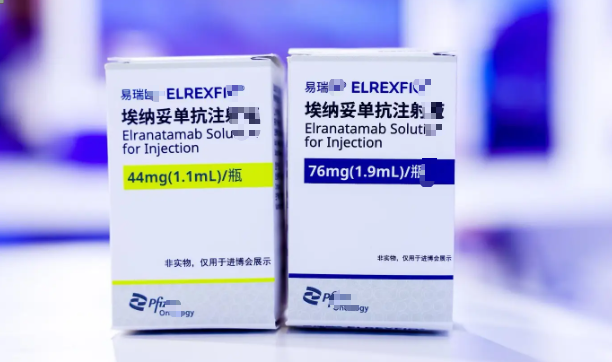
Elranatamab Injection
Elranatamab (ELREXFIO®) is a BCMA-CD3 bispecific antibody used in multiple myeloma research. Supplied as a 76mg/1.9mL single-dose vial, manufactured by Pfizer. Approved by FDA (Aug 2023) and EMA (Dec 2023). Ideal for oncology, immunotherapy, and Tcell engager studies.
$1.00Fulvestrant Faslodex
Fluvestrant (250mg/5ml) injectable solution, 2-vial set by EVER?Pharma Jena GmbH, Germany. A potent selective estrogen receptor degrader (SERD) used in advanced breast cancer research. $2.00Toremifene Citrate Tablets
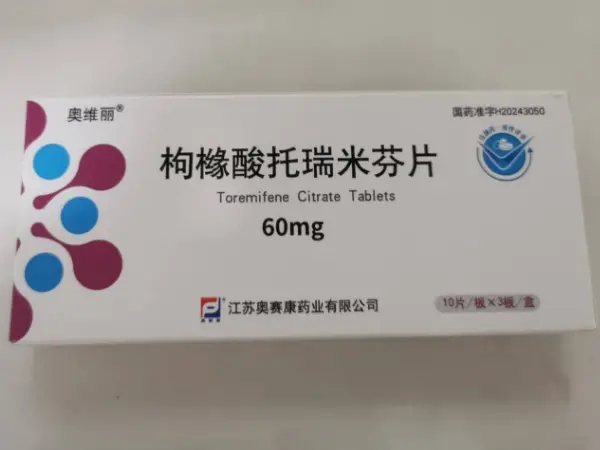
Toremifene citrate (brand name Ovry), manufactured by Jiangsu Ascend Pharmaceutical Co., Ltd., is a selective estrogen receptor modulator (SERM) approved in China (NMPA No.H20243050, code?86901425001187). Each box contains 30 tablets (60mg each) in 3 blister cards (barcode 6953272600284). Strictly for laboratory research purposes only. $1.00Lparomlimab & Tuvonralimab Injection
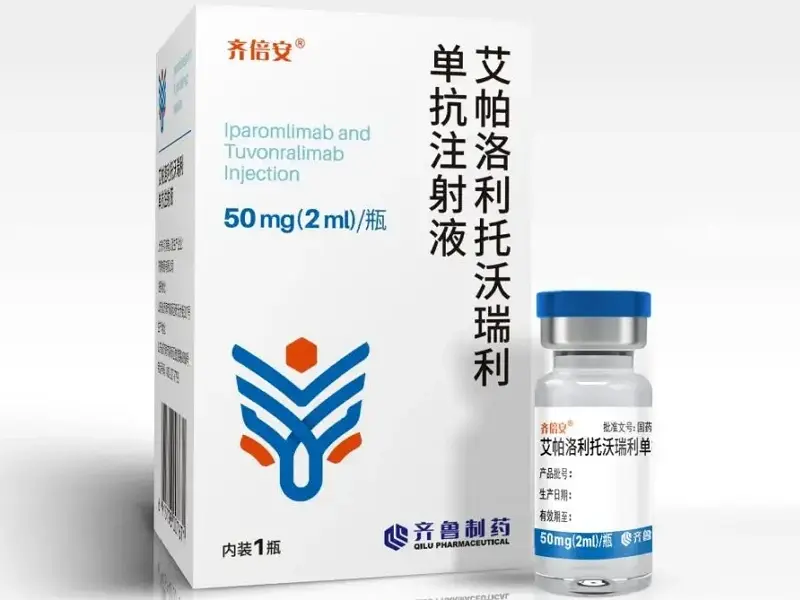
Lparomlimab & Tuvonralimab Injection Qibeian is a bi-functional monoclonal antibody combination developed by Qilu Pharmaceutical (QL1706), supplied as 50mg in 2mL vials. Approved by China’s NMPA (conditional marketing authorization No. S20240044; drug code 86904021005238). Intended exclusively for lab and investigative research applications, not for clinical or human use. $1.00


Reviews
There are no reviews yet.