No products in the cart.
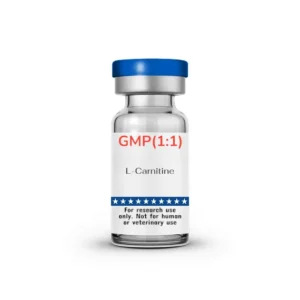
L-Carnitine: Research Applications in Mitochondrial Energy Metabolism
Product Description
L-Carnitine is a naturally occurring quaternary ammonium compound that plays a central role in mitochondrial energy metabolism. It is synthesized endogenously from the amino acids lysine and methionine and is widely distributed in metabolically active tissues such as skeletal muscle, cardiac muscle, liver, and brain. At the cellular level, L-Carnitine functions primarily as a transporter that facilitates the movement of long-chain fatty acids from the cytosol into the mitochondrial matrix, where β-oxidation occurs.
Because long-chain fatty acids cannot freely cross the inner mitochondrial membrane, L-Carnitine serves as an indispensable carrier molecule within the carnitine shuttle system. This transport process enables fatty acids to be converted into acyl-carnitine derivatives, translocated into mitochondria, and reconverted into acyl-CoA for oxidative degradation. Through this mechanism, L-Carnitine directly influences cellular ATP generation, lipid utilization efficiency, and overall metabolic balance.
Beyond its classical role in fatty acid transport, L-Carnitine contributes to multiple metabolic regulatory processes. It participates in maintaining optimal acetyl-CoA to CoA ratios within mitochondria, supports the removal of potentially toxic acyl residues, and helps preserve mitochondrial membrane integrity. These functions position L-Carnitine as both a metabolic facilitator and a protective regulator within energy-producing organelles.
From a research perspective, L-Carnitine has become an essential compound in studies involving mitochondrial dysfunction, metabolic syndrome, obesity-related lipid accumulation, insulin resistance, and age-associated decline in mitochondrial performance. Its small molecular structure, high water solubility, and well-characterized biochemical behavior make it particularly suitable for reproducible experimental designs across diverse biological models.
Unlike peptide-based metabolic regulators, L-Carnitine does not require receptor-mediated signaling to exert its effects. Instead, it acts directly within intracellular transport and metabolic pathways, allowing researchers to investigate substrate flux, energy conversion efficiency, and lipid handling with high mechanistic clarity. This property makes L-Carnitine a valuable reference compound in metabolic pathway mapping and comparative metabolism research.
In neurological and cardiovascular research, L-Carnitine is frequently studied for its role in sustaining mitochondrial energy supply in tissues with high energetic demand. Neurons and cardiomyocytes rely heavily on efficient oxidative metabolism, and variations in L-Carnitine availability can significantly influence cellular resilience under metabolic stress conditions. Consequently, L-Carnitine is often incorporated into experimental models addressing neurodegeneration, ischemic injury, and cardiac energy imbalance.
In recent years, L-Carnitine has also gained attention in multi-omic research environments. Metabolomic profiling of acylcarnitine species provides valuable biomarkers for mitochondrial function, while transcriptomic and proteomic studies explore regulatory networks associated with carnitine transporters and mitochondrial enzymes. These integrated approaches further highlight L-Carnitine as a central node within metabolic research frameworks.
Due to its biochemical stability and broad applicability, L-Carnitine continues to serve as a foundational compound in experimental investigations of energy metabolism, lipid utilization, and mitochondrial health. For standardized experimental design, researchers often reference validated L-Carnitine raw material specifications to ensure consistency across analytical platforms and inter-study comparability.
Product Specifications
| Item | Description |
|---|---|
| Product Name | L-Carnitine |
| Synonyms | Levocarnitine; L-β-Hydroxy-γ-trimethylaminobutyric acid |
| CAS Number | 541-15-1 |
| Molecular Formula | C7H15NO3 |
| Molecular Weight | 161.20 g/mol |
| Amino Acid Sequence | Not applicable |
| Peptide Type | Not a peptide |
| Form | Lyophilized powder / Aqueous solution |
| Purity | ≥99% |
| Appearance | White crystalline solid / Clear solution |
| Solubility | Freely soluble in water |
| Storage Condition | −20 °C (lyophilized); 2–8 °C (solution) |
| Intended Use | Research use only |
Mechanism of Action
The primary mechanism of action of L-Carnitine is its involvement in mitochondrial fatty acid transport through the carnitine shuttle system. This system enables long-chain fatty acids, which cannot directly cross the inner mitochondrial membrane, to enter the mitochondrial matrix for β-oxidation and subsequent ATP generation. The shuttle consists of three coordinated enzymatic steps mediated by carnitine palmitoyltransferase I (CPT-I), carnitine-acylcarnitine translocase, and carnitine palmitoyltransferase II (CPT-II).
Initially, CPT-I located on the outer mitochondrial membrane catalyzes the conversion of long-chain acyl-CoA into acylcarnitine. This acylcarnitine is then transported across the inner mitochondrial membrane by the translocase. Once inside the mitochondrial matrix, CPT-II reconverts acylcarnitine back into acyl-CoA, allowing fatty acids to enter the β-oxidation pathway. L-Carnitine is subsequently released and recycled to continue the transport cycle.
Beyond its transport function, L-Carnitine regulates mitochondrial metabolic balance by maintaining optimal ratios of acetyl-CoA to free CoA. This regulation prevents metabolic bottlenecks in the tricarboxylic acid (TCA) cycle and supports continuous oxidative phosphorylation. By facilitating the removal of excess acyl groups, L-Carnitine also contributes to detoxification of potentially harmful acyl residues within mitochondria.
L-Carnitine further influences mitochondrial membrane stability and respiratory efficiency. Experimental studies demonstrate that adequate L-Carnitine availability supports electron transport chain activity, reduces lipid-induced mitochondrial stress, and improves overall bioenergetic performance. These effects indirectly modulate reactive oxygen species production and cellular redox balance.
Importantly, L-Carnitine acts independently of receptor-mediated signaling pathways. Its mechanism is substrate- and enzyme-driven, allowing researchers to study direct metabolic flux rather than downstream signaling cascades. This makes L-Carnitine a valuable molecular tool for investigating mitochondrial efficiency, lipid utilization dynamics, and cellular energy regulation in both physiological and pathological research models.
Applications
L-Carnitine is widely applied in experimental research focused on mitochondrial function, lipid metabolism, and cellular energy regulation. Its fundamental role in fatty acid transport makes it a central compound in studies investigating β-oxidation efficiency, mitochondrial substrate utilization, and metabolic flexibility across different biological systems.
In metabolic disorder research, L-Carnitine is frequently used to model and analyze lipid accumulation, insulin resistance, and impaired fatty acid oxidation. By modulating intracellular fatty acid flux, L-Carnitine allows researchers to evaluate how mitochondrial transport capacity influences systemic metabolic balance. These studies contribute to a deeper understanding of metabolic syndrome, obesity-related dysfunction, and lipid-induced cellular stress.
L-Carnitine is also extensively applied in cardiovascular research. Cardiomyocytes rely heavily on fatty acid oxidation for ATP production, and alterations in L-Carnitine availability directly affect cardiac energy homeostasis. Experimental models incorporate L-Carnitine to examine myocardial energy efficiency, ischemia-related metabolic shifts, and mitochondrial resilience under hypoxic or oxidative stress conditions.
In neurological research, L-Carnitine serves as a valuable tool for investigating neuronal mitochondrial bioenergetics. Neurons exhibit high metabolic demand and limited energy storage capacity. By regulating fatty acid transport and mitochondrial efficiency, L-Carnitine supports studies addressing neurodegenerative mechanisms, axonal energy supply, and mitochondrial dysfunction in neuroinflammatory environments.
Muscle physiology studies utilize L-Carnitine to explore skeletal muscle energy utilization, endurance metabolism, and mitochondrial adaptation. Researchers employ L-Carnitine in both in vitro myocyte models and in vivo muscle metabolism systems to assess fatty acid oxidation capacity, lactate handling, and mitochondrial biogenesis signaling.
In hepatic research, L-Carnitine is applied to investigate fatty liver disease models, lipid clearance mechanisms, and mitochondrial detoxification pathways. Its role in regulating acyl residue removal provides mechanistic insight into hepatic lipid homeostasis and mitochondrial protective responses.
L-Carnitine also plays a key role in aging research. Age-related mitochondrial decline is associated with reduced fatty acid oxidation efficiency and increased oxidative stress. Experimental studies utilize L-Carnitine to evaluate mitochondrial preservation strategies, metabolic resilience, and energy maintenance in aging cellular and animal models.
In metabolomics and lipidomics research, L-Carnitine and its acylcarnitine derivatives serve as critical biomarkers. Profiling acylcarnitine patterns enables researchers to map mitochondrial metabolic flux, identify pathway disruptions, and characterize metabolic phenotypes in complex biological systems.
In systems biology and computational modeling, L-Carnitine is integrated into metabolic network simulations and flux balance analyses. These applications allow quantitative evaluation of fatty acid transport dynamics and mitochondrial energy production under varying experimental conditions.
Due to its biochemical stability and reproducibility, L-Carnitine remains a foundational compound in experimental designs aimed at understanding mitochondrial metabolism, lipid utilization, and cellular energy regulation. For standardized experimental workflows, researchers often reference validated L-Carnitine raw material specifications to maintain consistency across studies and analytical platforms.
Research Models
L-Carnitine is employed across a wide range of experimental models to investigate mitochondrial metabolism, lipid utilization, and cellular energy regulation. Its well-defined biochemical function allows researchers to apply L-Carnitine in both in vitro and in vivo systems with high reproducibility.
In cell culture models, L-Carnitine is commonly used in hepatocytes, myocytes, adipocytes, and neuronal cell lines to evaluate fatty acid oxidation efficiency and mitochondrial respiratory activity. These models enable precise control of nutrient composition and substrate availability, allowing researchers to assess how L-Carnitine influences intracellular lipid flux, ATP production, and mitochondrial stress responses.
Primary cell cultures, including cardiomyocytes and skeletal muscle fibers, provide physiologically relevant platforms for examining tissue-specific energy metabolism. In these systems, L-Carnitine supports studies on mitochondrial density, oxidative capacity, and adaptive metabolic remodeling under varying energetic demands.
In animal models, L-Carnitine is frequently incorporated into metabolic disorder models such as high-fat diet-induced obesity, insulin resistance, and fatty liver disease. These models allow investigation of systemic lipid handling, mitochondrial function across organs, and metabolic pathway interactions. Rodent studies also explore age-related mitochondrial decline and exercise-induced metabolic adaptation using L-Carnitine as a metabolic modulator.
Neurological models utilize L-Carnitine in studies of neurodegeneration, mitochondrial neuroenergetics, and axonal energy supply. Both in vitro neuronal cultures and in vivo neurodegenerative models benefit from its role in supporting mitochondrial efficiency and lipid utilization.
Cardiovascular research models apply L-Carnitine to investigate myocardial energy metabolism, ischemia-reperfusion injury, and oxidative stress regulation. These models highlight the importance of efficient fatty acid transport in maintaining cardiac bioenergetic stability.
In addition, L-Carnitine is integrated into mitochondrial respiration assays, such as high-resolution respirometry and Seahorse metabolic flux analysis, to quantify oxygen consumption, fatty acid oxidation capacity, and mitochondrial coupling efficiency.
Across these diverse research models, L-Carnitine serves as a foundational metabolic compound that enables detailed exploration of mitochondrial function, lipid metabolism, and cellular energy homeostasis.
Experimental Design Considerations
When incorporating L-Carnitine into experimental protocols, careful attention should be given to concentration selection, exposure duration, and model-specific metabolic characteristics. Because L-Carnitine directly participates in mitochondrial substrate transport, its effects are closely linked to fatty acid availability and overall nutrient composition of the experimental environment.
In cell culture systems, baseline carnitine levels in culture media should be evaluated, as serum-containing and serum-free formulations may differ significantly in endogenous carnitine content. Supplementation strategies should therefore be designed to avoid confounding background contributions. Dose–response studies are recommended to determine optimal concentration ranges for each specific cell type, as metabolic sensitivity to L-Carnitine varies between hepatocytes, myocytes, adipocytes, and neuronal cells.
Timing of exposure is another critical factor. Short-term exposure primarily reflects acute modulation of fatty acid transport and mitochondrial flux, whereas long-term exposure allows investigation of adaptive metabolic remodeling, mitochondrial biogenesis, and changes in lipid storage patterns. Researchers should align exposure duration with the biological process under investigation.
In animal models, dietary composition must be carefully controlled. High-fat, high-carbohydrate, or caloric restriction diets significantly influence fatty acid availability and mitochondrial demand, which in turn affects L-Carnitine-dependent transport dynamics. Consistency in feeding protocols is essential for inter-group comparability.
L-Carnitine is often combined with fatty acid substrates, glucose modulators, or mitochondrial inhibitors to explore pathway interactions. In such combination studies, experimental groups should be clearly structured to distinguish direct transport effects from downstream metabolic consequences.
Analytical endpoints commonly include mitochondrial respiration rates, acylcarnitine profiling, ATP production, oxidative stress markers, and expression levels of transport and oxidation-related enzymes. Integration of multiple readouts provides a more comprehensive understanding of L-Carnitine-mediated metabolic regulation.
For reproducibility, batch consistency and analytical validation of L-Carnitine material are critical. Referencing standardized raw material specifications supports accurate cross-study comparison and improves experimental reliability.
Laboratory Safety & Handling Guidelines
L-Carnitine should be handled in accordance with standard laboratory chemical safety procedures. Although it is considered to have low toxicity, appropriate personal protective equipment, including laboratory gloves, protective eyewear, and lab coats, should be worn when handling both lyophilized powder and solution forms.
Lyophilized L-Carnitine powder should be opened in a low-airflow environment to minimize aerosol formation. Inhalation of fine particles should be avoided. When preparing stock solutions, sterile techniques are recommended, particularly for cell culture or biochemical assay applications. Solutions should be prepared using high-purity water or suitable buffered systems depending on experimental requirements.
Prepared solutions should be filtered when sterility is required and stored in tightly sealed containers to prevent contamination. Repeated freeze–thaw cycles should be avoided, as they may affect solution stability and experimental consistency. Aliquoting into single-use volumes is recommended for long-term storage.
Storage conditions should follow manufacturer stability guidelines. Lyophilized material is typically stored at low temperatures in dry, light-protected environments, while aqueous solutions should be refrigerated and protected from prolonged light exposure.
Spill management involves absorption with inert materials followed by disposal according to institutional chemical waste protocols. Waste solutions containing L-Carnitine should be discarded in compliance with local laboratory safety regulations.
All handling and disposal procedures should be documented in laboratory records to ensure traceability and regulatory compliance. Adhering to standardized handling practices helps maintain experimental reproducibility and ensures laboratory safety.
Integration with Multi-Omic & Computational Studies
L-Carnitine has become an increasingly important component in multi-omic and computational research frameworks due to its central role in mitochondrial metabolism and lipid transport. Its metabolic derivatives, particularly acylcarnitines, serve as sensitive biomarkers reflecting mitochondrial fatty acid oxidation efficiency and pathway integrity.
In metabolomics studies, acylcarnitine profiling is widely used to characterize metabolic phenotypes, identify mitochondrial dysfunction, and monitor substrate utilization patterns. Variations in short-, medium-, and long-chain acylcarnitine species provide quantitative insight into β-oxidation flux and transport efficiency. L-Carnitine supplementation or depletion models further enable controlled evaluation of mitochondrial transport capacity within complex metabolic networks.
Lipidomics approaches integrate L-Carnitine-related pathways to assess lipid storage, mobilization, and clearance mechanisms. By mapping lipid species in parallel with acylcarnitine profiles, researchers can identify lipid accumulation patterns associated with impaired mitochondrial transport or altered energy demand.
Transcriptomic studies examine expression levels of carnitine transporters, CPT enzymes, and mitochondrial regulatory genes. These datasets reveal transcriptional adaptation to metabolic stress and L-Carnitine availability. Proteomic analyses complement these findings by quantifying functional protein abundance and post-translational modifications affecting mitochondrial transport systems.
In systems biology, L-Carnitine is incorporated into metabolic network models and flux balance analyses to simulate fatty acid transport dynamics and mitochondrial ATP production under different physiological conditions. These computational models allow prediction of metabolic bottlenecks, substrate competition, and pathway sensitivity.
Machine learning algorithms increasingly utilize L-Carnitine-related metabolic features to classify disease phenotypes, predict metabolic risk profiles, and identify regulatory patterns within large-scale omic datasets. The reproducible biochemical behavior of L-Carnitine supports robust feature extraction and model training.
Through integration into multi-omic and computational platforms, L-Carnitine functions not only as a metabolic substrate transporter but also as a systems-level biomarker and regulatory node. This interdisciplinary relevance further establishes L-Carnitine as a foundational compound in advanced metabolic research and data-driven biological analysis.
FAQs
1. Why is L-Carnitine essential for mitochondrial research?
Because it directly controls long-chain fatty acid entry into mitochondria.
2. Is L-Carnitine considered a signaling molecule?
It primarily functions as a metabolic transporter but also influences signaling indirectly through energy regulation.
3. Can L-Carnitine affect oxidative stress levels?
Yes, improved mitochondrial efficiency can reduce oxidative stress accumulation.
4. Is L-Carnitine suitable for long-term metabolic studies?
Yes, due to its high biochemical stability.
5. Does L-Carnitine interact with glucose metabolism?
Indirectly, through modulation of energy substrate utilization balance.
6. Can L-Carnitine be used in neuronal research?
Yes, especially in mitochondrial neuroenergetics studies.
7. Is it used in aging research?
Frequently, due to its role in mitochondrial decline mechanisms.
8. How does it differ from acylcarnitines?
L-Carnitine is the free carrier form; acylcarnitines are fatty acid-bound derivatives.
9. Can it be used in lipidomics profiling?
Yes, acylcarnitine patterns are key lipidomic markers.
10. Why is standardized material important?
To ensure data reproducibility and inter-study comparability.