$14.00Original price was: $14.00.$12.00Current price is: $12.00.
Retatrutide (CAS 2381089-83-2) is a high-purity research-grade peptide optimized for in vitro mechanistic studies. It supports investigations into signal transduction, receptor interactions, and molecular pathway modulation. Supplied as a lyophilized powder, it ensures stability and reproducibility for laboratory research applications.
Retatrutide is a high-purity synthetic peptide reagent developed specifically for in vitro laboratory research and molecular mechanism exploration. Manufactured under strict quality-controlled conditions, this compound is designed to support advanced studies focused on peptide-mediated signaling, receptor interaction dynamics, and pathway-level molecular regulation. Each production batch undergoes comprehensive analytical verification to ensure high consistency, structural integrity, and experimental reproducibility.
Supplied in a lyophilized powder form, Retatrutide demonstrates excellent stability during storage and handling, making it suitable for a wide range of controlled laboratory workflows. Its defined peptide sequence and predictable physicochemical properties allow researchers to conduct precise concentration-dependent and time-resolved experiments, which are critical for mechanistic investigations. The lyophilized format also supports accurate reconstitution and minimizes variability between experimental replicates.
In molecular research settings, Retatrutide is commonly utilized as a model peptide to study ligand–receptor recognition processes, signal initiation events, and downstream molecular responses. Its interaction characteristics enable detailed examination of binding behavior, conformational changes, and signaling specificity under well-defined in vitro conditions. These properties make Retatrutide particularly valuable for dissecting complex signaling architectures and regulatory mechanisms at the molecular level.
Retatrutide is compatible with a variety of biochemical and biophysical assay platforms, including receptor-binding assays, protein–protein interaction studies, and reconstructed signaling pathway systems. Data generated from these experiments can be used to support quantitative modeling, comparative pathway analysis, and hypothesis-driven mechanistic research. When combined with analytical techniques such as spectroscopy or chromatography, the compound enables deeper insight into structure–function relationships within peptide-regulated systems.
Factory-direct manufacturing ensures batch traceability, scalable supply, and cost-effective bulk availability, making Retatrutide suitable for both exploratory research and large-scale in vitro screening projects. Each shipment is accompanied by a Certificate of Analysis (COA), confirming identity, purity, and quality metrics, which supports regulatory documentation and internal laboratory quality assurance processes.
Retatrutide is intended strictly for laboratory research applications and is optimized for use in non-clinical, non-biological system studies. Its role is limited to experimental environments focused on mechanistic understanding and molecular-level discovery. With its high purity, reliable performance, and consistent supply chain, Retatrutide serves as a dependable peptide reagent for researchers investigating signal transduction, molecular interactions, and pathway modulation in vitro.
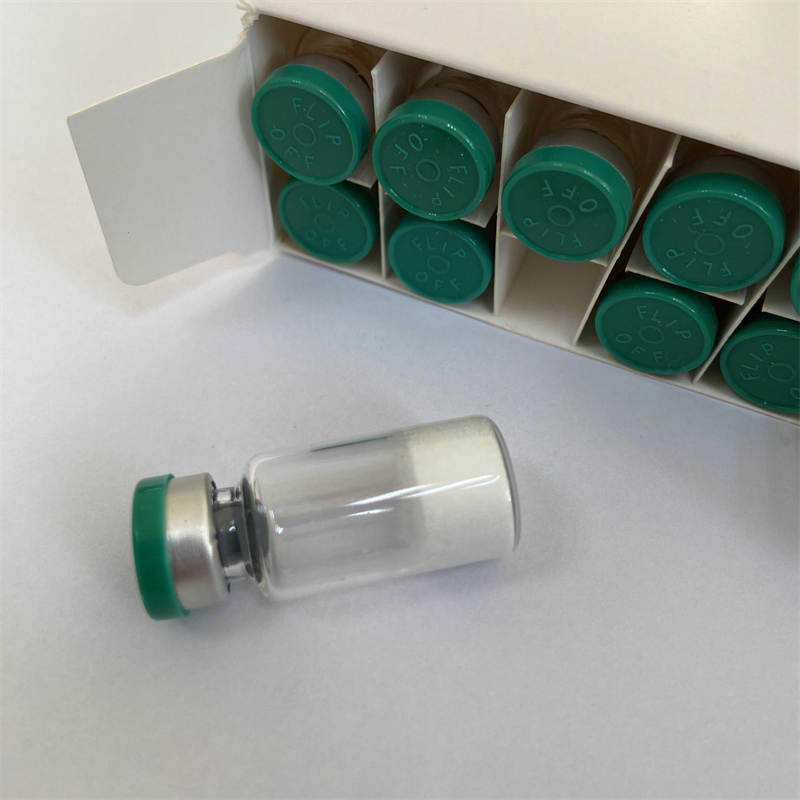
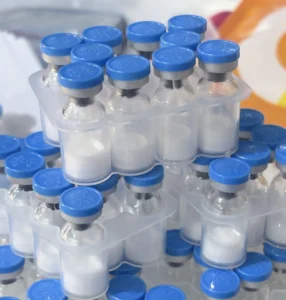
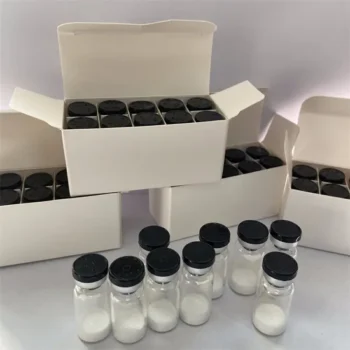
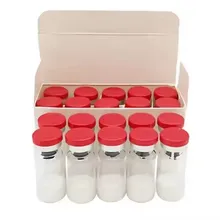
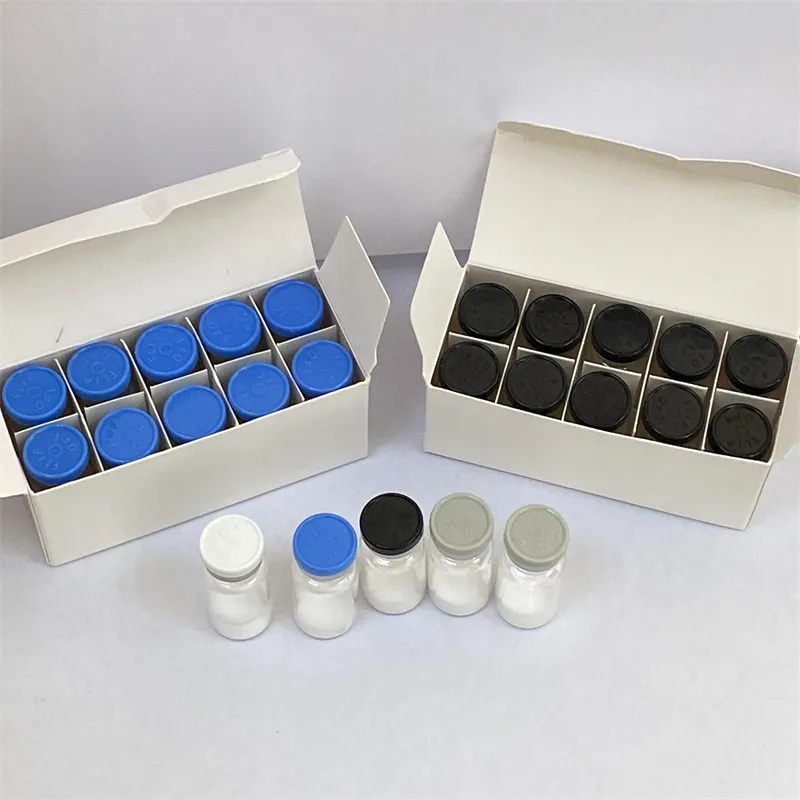
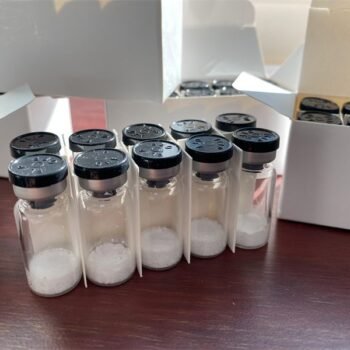
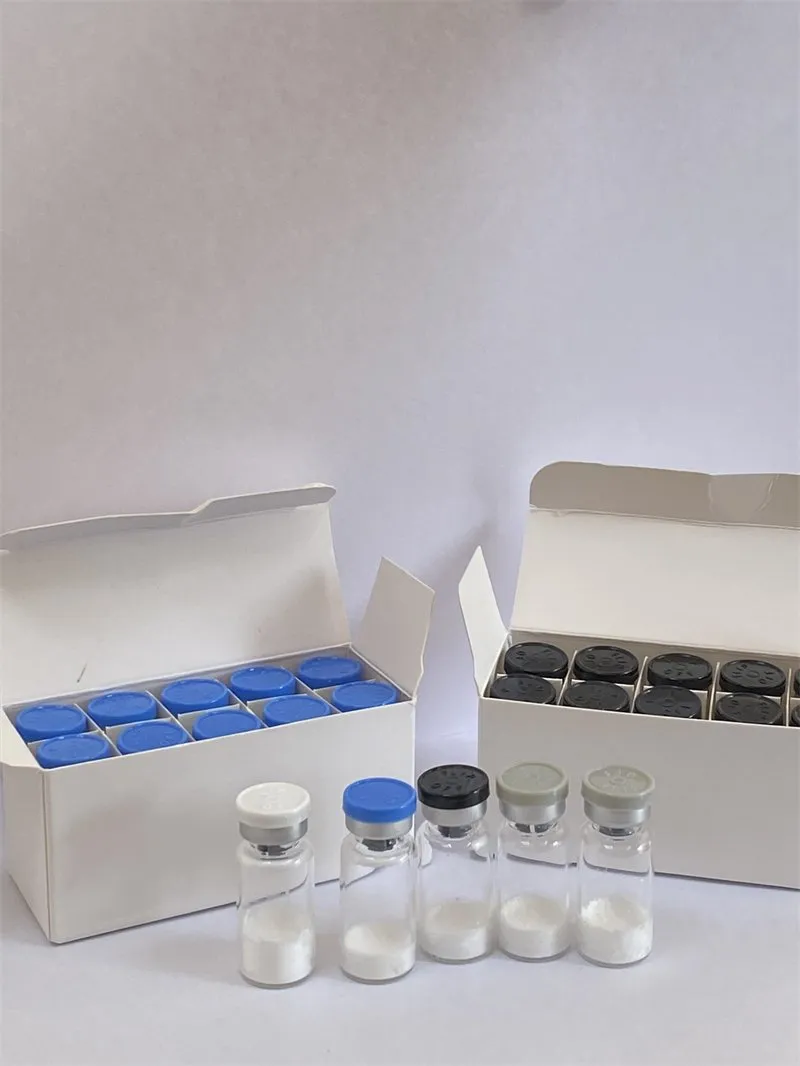
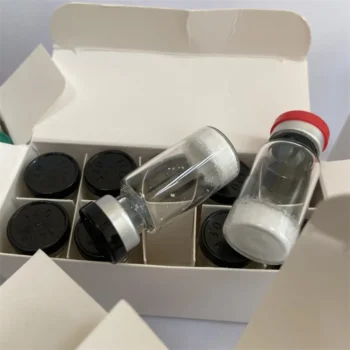
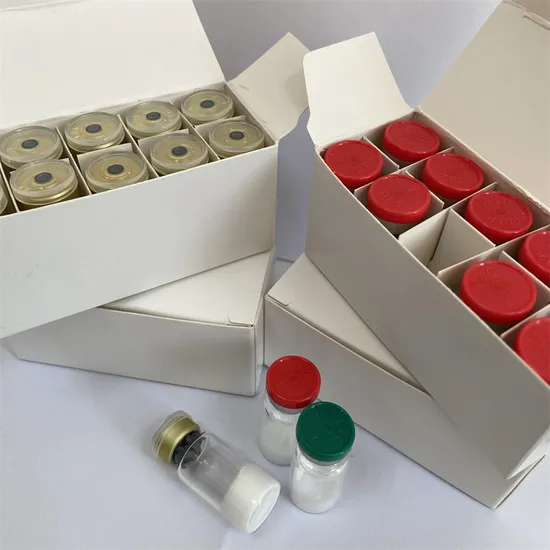
Wholesale of high-purity Retatrutide lyophilized powder in vials.
Product Specifications
Item
Specification
Notes
Product Name
Retatrutide
Synthetic peptide reagent designed exclusively for in vitro molecular and mechanistic research.
CAS Number
2422204-84-8
Unique chemical identifier ensuring traceability across databases and internal laboratory records.
Molecular Type
Peptide-based compound
Enables investigation of peptide–receptor interactions and signaling-related molecular mechanisms.
Molecular Weight
~5 kDa
Approximate molecular weight supports accurate molar calculations and quantitative assay design.
Purity
≥99% (HPLC, MS)
High analytical purity minimizes background interference and improves experimental reproducibility.
Appearance
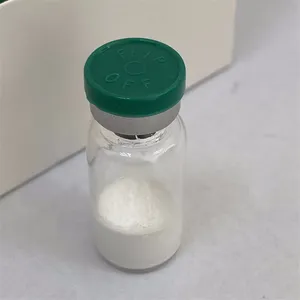
White to off-white solid
Uniform lyophilized morphology suitable for precise weighing and solution preparation.
Physical Form
Lyophilized powder
Enhances long-term stability and maintains structural integrity during storage and transport.
Solubility
Soluble in water or compatible laboratory buffers
Facilitates flexible preparation of stock and working solutions for in vitro assays.
Recommended Storage
–20 °C, dry, light-protected
Preserves peptide stability and reduces degradation risks over extended storage periods.
Stability Profile
Sensitive to moisture and prolonged exposure
Controlled handling conditions are recommended to maintain consistency between experiments.
Quality Control
Certificate of Analysis (COA) provided
Includes purity data, analytical methods, batch number, and quality verification results.
Batch Consistency
Factory-controlled production
Ensures low batch-to-batch variability for long-term or comparative research projects.
Packaging Options
Standard research vials; bulk packaging available
Supports both small-scale studies and high-throughput or long-term experimental workflows.
Supply Mode
Factory manufactured, low-price wholesale supply
Cost-efficient sourcing for academic and industrial research laboratories.
Intended Use
In vitro laboratory research only
Designed exclusively for molecular mechanism, signaling, and interaction studies.
Regulatory Status
Research use only
Not intended for human, animal, or clinical applications under any circumstances.
Mechanism of Action
Retatrutide functions as a synthetic peptide ligand within in vitro experimental systems, enabling detailed investigation of peptide-mediated molecular signaling mechanisms. Its defined amino acid sequence allows selective interaction with target receptors or signaling proteins, providing a controlled model for studying ligand recognition, binding specificity, and signal initiation processes at the molecular level.
Upon interaction with its target molecular components in reconstructed or isolated systems, Retatrutide can induce conformational changes that influence downstream signal transduction events. These interactions are particularly valuable for examining receptor activation patterns, molecular coupling efficiency, and pathway modulation dynamics under precisely defined laboratory conditions. Because the peptide is supplied at high analytical purity, observed effects can be reliably attributed to direct peptide–target interactions rather than background impurities.
Retatrutide also supports mechanistic studies focused on binding kinetics and affinity characterization. In biochemical and biophysical assays, researchers can quantify association and dissociation parameters, enabling comparative analysis across related peptide structures or receptor variants. Such data are essential for understanding structure–function relationships and molecular determinants of signaling specificity.
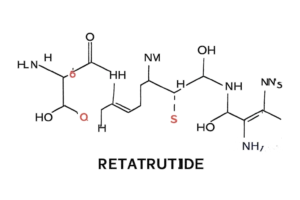
Structural and pathway illustration :
Retatrutide Color Chemistry Structure
Beyond direct interaction studies, Retatrutide-generated data can be integrated into computational modeling and pathway simulations. Quantitative outputs from in vitro experiments allow construction of predictive molecular networks, supporting hypothesis-driven analysis of signal propagation and regulatory feedback mechanisms.
Overall, Retatrutide serves as a precise and reproducible molecular probe for dissecting peptide-driven signaling pathways. Its well-characterized properties make it particularly suitable for mechanistic exploration, comparative signaling studies, and system-level modeling within controlled laboratory research environments.
Applications
Retatrutide is widely applied in in vitro laboratory research as a model peptide reagent for investigating molecular signaling pathways and peptide-mediated regulatory mechanisms. Its defined structure and high analytical purity make it particularly suitable for controlled experimental systems where signal specificity and mechanistic clarity are required.
One major application area is receptor–ligand interaction analysis. Retatrutide enables detailed examination of binding affinity, selectivity, and competitive interaction behavior using biochemical and biophysical assay platforms. These studies help clarify how peptide structure influences molecular recognition and interaction stability under defined laboratory conditions.
Retatrutide is also employed in signal transduction pathway mapping. In reconstructed signaling systems, the peptide can be used to probe pathway activation patterns, signal propagation efficiency, and molecular cross-talk between interconnected signaling components. Such applications support a deeper understanding of pathway architecture and regulatory hierarchy at the molecular level.
Another important application involves structure–function relationship studies. By comparing Retatrutide with related peptide analogs or modified sequences, researchers can evaluate how specific molecular features affect binding behavior, conformational changes, and signaling output. This approach is valuable for hypothesis-driven mechanistic exploration.
Additionally, Retatrutide is compatible with high-throughput screening platforms designed for mechanistic research. Its stability and batch consistency allow integration into plate-based assays and automated workflows, supporting scalable data generation for comparative pathway analysis and computational modeling.
Overall, Retatrutide serves as a versatile research reagent that supports fundamental molecular research, enabling precise investigation of peptide-driven signaling mechanisms, receptor interactions, and pathway-level regulation in controlled in vitro environments.
Research Models
Retatrutide is compatible with a broad range of in vitro research models designed to investigate peptide-mediated molecular mechanisms and signaling dynamics under controlled laboratory conditions. These models enable precise dissection of binding events, signaling initiation, and pathway modulation without interference from complex biological systems.
One commonly applied model is the cell-free receptor interaction system, where purified receptors or target proteins are exposed to Retatrutide. This approach allows direct measurement of binding affinity, kinetic parameters, and interaction specificity, providing high-resolution insight into ligand–receptor recognition mechanisms.
Another important research model involves reconstituted signaling pathway assays. In these systems, defined molecular components are assembled to replicate key segments of signaling cascades. Retatrutide can be used to probe pathway activation thresholds, signal propagation efficiency, and molecular cross-talk, enabling detailed analysis of regulatory architecture and pathway behavior.
Retatrutide is also well-suited for protein–protein interaction platforms, including pull-down assays and surface-based interaction analyses. These models support investigation of peptide-induced conformational changes and molecular complex formation, which are essential for understanding structure–function relationships at the molecular level.
In addition, Retatrutide integrates seamlessly into high-throughput mechanistic screening models, such as plate-based biochemical assays. These platforms allow parallel testing across multiple conditions, facilitating comparative pathway analysis and quantitative data generation.
Data derived from these research models can be further incorporated into computational and systems-level analyses, strengthening predictive understanding of peptide-driven signaling networks. Collectively, these models position Retatrutide as a reliable reagent for advanced in vitro mechanistic research and molecular pathway exploration.
Wholesale of high-purity Retatrutide lyophilized powder in vials.
Experimental Design Considerations
When designing in vitro experiments involving Retatrutide, careful control of experimental parameters is essential to ensure data reliability, reproducibility, and mechanistic interpretability. As a synthetic peptide reagent, its performance is influenced by preparation methods, environmental conditions, and assay configuration.
Accurate preparation of stock and working solutions is a critical first step. Retatrutide should be dissolved using validated laboratory buffers, and concentrations should be calculated precisely to support quantitative binding and signaling analyses. Gentle handling during preparation helps preserve peptide structure and minimizes degradation or aggregation.
Selection of appropriate concentration ranges and exposure durations should be guided by experimental objectives. Gradient-based designs are recommended to capture concentration-dependent interaction profiles and signaling responses. Time-resolved measurements can further enhance understanding of interaction kinetics and pathway dynamics.
Experimental controls play a central role in mechanistic studies. Negative controls, buffer-only conditions, and reference peptide systems should be incorporated to differentiate Retatrutide-specific molecular effects from background interactions. Replicate experiments across multiple batches can help verify consistency and robustness.
Environmental variables such as temperature, pH, and ionic strength must remain consistent across experimental runs, as these factors can influence peptide stability and interaction behavior. All experimental parameters, including batch numbers, preparation protocols, and assay conditions, should be thoroughly documented to support traceability and data comparison.
Finally, integration of experimental results with computational or statistical analysis frameworks is encouraged. Quantitative outputs derived from Retatrutide-based assays can strengthen mechanistic modeling and predictive pathway analysis, enhancing the overall interpretive value of in vitro research findings.
Laboratory Safety & Handling Guidelines
Retatrutide should be handled exclusively within professional laboratory environments by trained personnel familiar with standard peptide and chemical handling procedures. Although supplied as a research-grade reagent, strict adherence to laboratory safety practices is essential to maintain experimental integrity and operator safety.
Appropriate personal protective equipment (PPE) should be worn at all times, including laboratory gloves, protective clothing, and eye protection. Direct contact with the lyophilized powder should be avoided. Handling should take place in a clean, controlled workspace, preferably within a designated laboratory safety enclosure to reduce the risk of contamination.
During preparation, Retatrutide should be reconstituted using validated laboratory-grade solvents or buffers. Tools and containers used for handling must be clean and dry. Gentle mixing is recommended to preserve peptide structure and prevent foaming or aggregation. Exposure to excessive moisture, heat, or light should be minimized throughout handling procedures.
Storage conditions play a critical role in maintaining compound stability. Retatrutide should be stored at –20 °C, protected from light and humidity. Repeated freeze–thaw cycles should be avoided; aliquoting into single-use portions is recommended to preserve integrity across experimental runs.
Spill management should follow institutional laboratory protocols. In the event of accidental release, the area should be cleaned using appropriate laboratory cleaning agents while wearing PPE. Waste materials, including unused solutions and contaminated consumables, must be disposed of according to local laboratory chemical waste regulations.
Proper labeling, documentation, and batch tracking are strongly recommended. Recording storage conditions, preparation dates, and handling notes supports traceability, quality assurance, and reproducibility in in vitro mechanistic research involving Retatrutide.
Structural and pathway illustration :
Retatrutide Chemistry Structure
Integration with Multi-Omic & Computational Studies
Retatrutide-based in vitro experiments can be effectively integrated into multi-omic research frameworks, supporting comprehensive analysis of peptide-driven molecular mechanisms across multiple data layers. Its high purity and reproducible performance enable reliable generation of quantitative datasets suitable for downstream systems-level interpretation.
In proteomic studies, Retatrutide can be incorporated into controlled assays to investigate protein interaction networks, post-interaction modifications, and signaling complex assembly. Resulting data may be used to identify pathway-associated protein clusters and interaction dynamics influenced by peptide-mediated signaling events.
Retatrutide is also compatible with transcriptomic and signaling pathway datasets generated from reconstructed experimental systems. Integration of peptide interaction data with transcript-level outputs supports correlative analysis between signaling initiation and downstream molecular responses, enhancing mechanistic resolution.
From a computational perspective, quantitative measurements obtained from Retatrutide experiments can be applied to mathematical modeling, network simulations, and predictive pathway analysis. Parameters such as binding affinity, interaction kinetics, and signal propagation timing can be incorporated into computational frameworks to simulate pathway behavior under defined in vitro conditions.
These integrative approaches support hypothesis-driven exploration and enable comparison across experimental conditions, peptide variants, or signaling models. Visualization tools and bioinformatic pipelines further assist in interpreting complex datasets and identifying regulatory nodes within peptide-responsive signaling networks.
Overall, Retatrutide serves as a valuable reagent for bridging experimental molecular research with computational and multi-omic analyses, enabling deeper insight into peptide-mediated signaling architecture and regulatory mechanisms in controlled laboratory environments.
Wholesale of high-purity Retatrutide lyophilized powder in vials.
Things to Note
Retatrutide is strictly intended for in vitro laboratory research and mechanistic studies. It is not suitable for human, animal, or clinical applications. All handling, storage, and experimental use should comply with standard laboratory safety protocols and institutional guidelines.
Due to its peptide nature, careful handling is essential to maintain structural integrity and functional consistency. The lyophilized powder should be protected from moisture, light, and extreme temperatures, and repeated freeze–thaw cycles should be avoided. Aliquoting into smaller portions for single-use experiments is recommended to preserve stability over time.
Accurate preparation of stock solutions is crucial. Researchers should use validated laboratory-grade solvents or buffers and ensure that concentrations are precisely calculated to maintain reproducibility across experiments. Gentle mixing and minimal agitation help prevent peptide aggregation or degradation.
Experimental records should include batch numbers, preparation protocols, storage conditions, and assay parameters to support traceability and reproducibility. Incorporating appropriate experimental controls is strongly advised to distinguish Retatrutide-specific molecular effects from background or non-specific interactions.
When integrating Retatrutide data with computational modeling, multi-omic analyses, or comparative mechanistic studies, ensure that all datasets are properly documented, quality-checked, and standardized. Following these guidelines will maximize the reliability and interpretive value of Retatrutide-based research in vitro.
Keywords
Retatrutide, peptide research reagent, in vitro research, molecular mechanism, peptide signaling, receptor interaction, signal transduction, laboratory peptide, mechanistic studies, high-purity peptide, factory manufactured peptide, wholesale peptide supply
Shipping Guarantee
Retatrutide is packaged using secure laboratory-grade materials to protect the lyophilized peptide during handling and transit. Temperature-controlled logistics are employed to maintain chemical stability and prevent degradation. Each shipment is tracked to ensure timely and safe delivery to research laboratories worldwide. Detailed handling instructions accompany the package to ensure integrity upon arrival.
Trade Assurance
Factory-direct production guarantees consistent batch quality and reproducible analytical verification. Each batch is accompanied by a Certificate of Analysis (COA) confirming identity, purity, and quality metrics. Bulk and wholesale supply options are available to support high-throughput mechanistic research and extended experimental workflows. Traceability ensures that researchers can maintain reliable sourcing and experimental reproducibility.
Payment Support
Retatrutide can be purchased via Credit Card (Visa, MasterCard, AMEX), Telegraphic Transfer (T/T), or Cryptocurrency (BTC, ETH, and other supported digital assets). All transactions are conducted through secure and encrypted channels, safeguarding financial information. Flexible payment options facilitate international procurement and bulk orders. Documentation and receipts are provided for record-keeping and accounting purposes.
Disclaimer
Retatrutide is intended strictly for laboratory research use only. It is not designed for human, animal, or clinical applications. All experimental use must comply with institutional laboratory safety protocols and applicable regulations. Researchers are responsible for ensuring proper handling, storage, and disposal in accordance with local safety guidelines.
References
Retatrutide — Peptides.org overview Comprehensive peptide summary including receptor targets and structural features relevant for molecular research. Peptides.org
Medical.Lilly.com — Retatrutide mechanism explanation Describes receptor engagement profiles and signaling pathways activated by retatrutide as a multi‑receptor agonist. medical.lilly.com
Apex Peptides — Retatrutide research information Provides peptide characteristics, receptor binding behavior, and implications for metabolic signaling studies. Apex Peptides
NCBI PubMed — Meta‑analysis on Retatrutide receptor agonist effects Peer‑reviewed reference documenting mechanistic insights into multi‑receptor engagement. PubMed
Cochrane Handbook — Retatrutide receptor mechanism overview Expert review summarizing triple receptor mode of action and mechanistic pathway context. The Peptide Report
PeptideInitiative.com — Retatrutide pathway and receptor interactions Expanded description of receptor classes and mechanistic implications for peptide research. Peptide Initiative
GlpBio.com — Retatrutide receptor agonist data Catalog entry with EC₅₀ receptor activity values, informative for design of in vitro peptide binding studies. GLPBio
Retatrutide Certificates of Analysis — PekCura Labs Batch and analytical verification insights useful for laboratory quality control context. PekCura Labs
Retatrutide is used in laboratory research focusing on metabolic regulation, obesity, and glucose homeostasis. It serves as a triple agonist targeting GLP-1, GIP, and glucagon receptors.
2. Is Retatrutide suitable for human use?
No. Retatrutide is strictly for laboratory research use only and is not approved for human or veterinary use.
3. What is the purity level of Retatrutide provided by your factory peptide supplier?
All Retatrutide supplied by our China peptide factory meets ≥99% purity standards, verified through HPLC and MS analysis.
4. Can I buy Retatrutide peptide wholesale from China?
Yes, we support peptide wholesale orders from China for research institutions and distributors seeking bulk peptide powder.
5. Do you offer OEM peptide production services?
Yes, our factory provides OEM peptide production and custom synthesis solutions with full analytical documentation.
6. How is Retatrutide shipped internationally?
All shipments are handled through validated cold-chain logistics with complete temperature monitoring and global tracking.
7. What payment methods are supported for peptide bulk orders?
We accept PayPal, major credit cards, T/T bank transfers, and cryptocurrencies such as Bitcoin, Ethereum, and USDT.
8. What storage conditions are recommended for Retatrutide?
Store lyophilized Retatrutide at -20°C in a moisture-proof container, protected from light.
9. Can Retatrutide be used with other metabolic peptides in experiments?
Yes, it is commonly studied in combination with other GLP-1 or GIP analogs to assess synergistic receptor activation.
10. Is documentation like CoA provided with each batch?
Yes, every batch includes a Certificate of Analysis detailing peptide purity, identity, and analytical confirmation.
11. How can I verify the authenticity of peptides purchased online?
All products from our factory peptide supplier include traceable batch numbers and analytical verification documents.
12. What is the minimum order quantity for research peptide manufacturers?
We offer flexible MOQs to support both small-scale research and bulk peptide powder procurement.
13. Do you provide peptide export documentation?
Yes, we provide all necessary export certifications for international peptide shipments.
14. What distinguishes your low-price peptide supplier services?
We combine low manufacturing costs in China with high-quality standards and global cold-chain logistics for affordable, reliable supply.
15. Are your peptides suitable for high-purity analytical applications?
Yes, all peptides are ≥99% purity, ideal for analytical, biochemical, and pharmacological research.










rlhickman –
The package was very well protected, and the delivery was very fast. Thank you, and have a great day!
website –
The process felt professional from start to finish.
piplicazo –
Ho acquistato Retatrutide 30 mg. La prossima volta chiederò al corriere di consegnarlo più velocemente.