$4.00Original price was: $4.00.$3.00Current price is: $3.00.
Reduced Glutathione (GSH) is a high-purity tripeptide widely used in in vitro mechanistic and molecular studies. It serves as a versatile reagent for investigating redox biology, oxidative stress pathways, and thiol-dependent protein interactions. Supplied in a laboratory-ready format, it is ideal for mechanistic assays and molecular signaling studies.
Reduced Glutathione (GSH) is a high-purity tripeptide composed of glutamate, cysteine, and glycine, widely utilized in in vitro mechanistic and molecular studies. As a thiol-containing molecule, GSH serves as a critical redox modulator, facilitating detailed investigation of oxidative stress pathways, thiol-mediated protein interactions, and enzymatic regulation in controlled laboratory settings. Its predictable chemical properties and high purity ensure reliable and reproducible results, making it an essential reagent for laboratories focused on redox biology and molecular mechanisms.
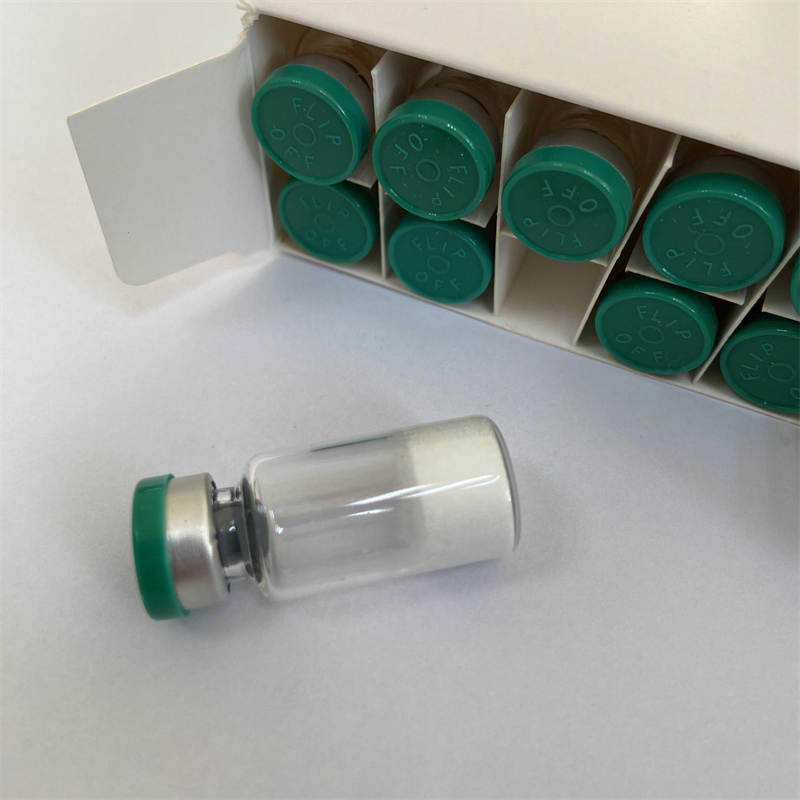
Supplied as a lyophilized powder, GSH maintains structural integrity, solubility, and functional activity, enabling precise preparation of stock solutions and consistent performance in mechanistic assays. Researchers commonly use GSH to study disulfide bond reduction, thiol-disulfide exchange, and protein folding dynamics. Its role as a thiol donor allows exploration of redox-sensitive signaling pathways and protein conformational changes, providing mechanistic insight into biochemical regulation and molecular interactions.
In in vitro applications, GSH is frequently integrated into cell-free enzyme assays, protein-thiol binding studies, and biochemical reaction systems. It can act as a redox buffer, modulating oxidative environments and providing a controlled platform for examining reactive oxygen species effects, thiol-mediated enzymatic activity, and redox-dependent protein modifications. Its high solubility in water and compatibility with common laboratory buffers enhance its utility in a wide range of mechanistic and biochemical experiments.
Reduced Glutathione is also compatible with multi-omic and computational studies, allowing experimental data to inform proteomic analyses, transcriptomic evaluations, and in silico modeling of redox networks. This integration supports a systems-level understanding of thiol-mediated pathways and enhances the interpretation of mechanistic findings in complex biochemical contexts.
Factory-direct manufacturing ensures consistent batch quality, analytical verification, and traceability, with Certificates of Analysis (COA) provided for each lot. Bulk and wholesale supply options are available, supporting high-throughput research, long-term laboratory projects, and scalable mechanistic studies. The high-purity, well-characterized chemical properties of GSH make it ideal for advanced laboratory research, enabling researchers to investigate oxidative stress mechanisms, thiol interactions, and protein redox dynamics with confidence.
Reduced Glutathione is strictly intended for in vitro research applications, and is not suitable for human, animal, or clinical use. Its chemical stability, reproducibility, and well-documented biochemical properties make it a versatile and indispensable tool for mechanistic studies, particularly in exploring the molecular underpinnings of redox biology, thiol-mediated enzymatic regulation, and protein folding processes in controlled laboratory environments.
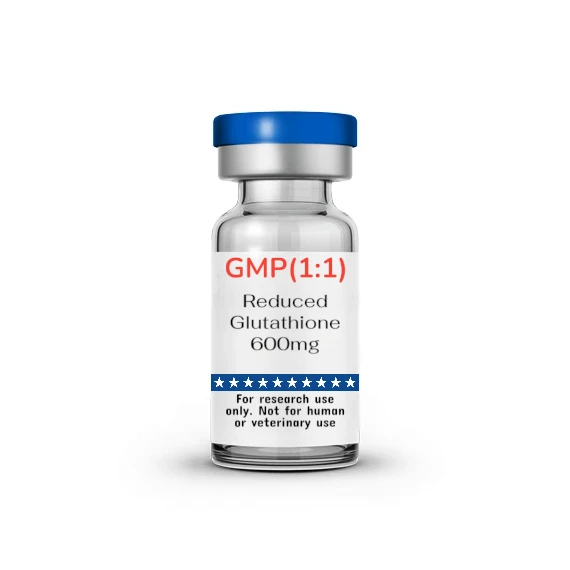
Reduced Glutathione 600mg
Product Specifications
Item
Specification
Notes
Purity (HPLC / NMR)
≥98%
Ensures reliability in thiol-based mechanistic assays and oxidative stress studies.
Appearance
White crystalline powder
Consistent morphology allows accurate weighing and solution preparation.
Formulation
Lyophilized / solid
Optimized for stability and functional activity in controlled laboratory experiments.
Molecular Weight
307.32 g/mol
Supports stoichiometric calculations for enzyme and redox assays.
Solubility
Soluble in water
Ideal for preparation of stock solutions for redox and mechanistic studies.
Storage Conditions
–20°C, dry, protected from light
Maintains structural integrity and reproducibility in experiments.
Stability Considerations
Sensitive to oxidation
Handle in inert or controlled environments to preserve activity.
Quality Control
Certificate of Analysis (COA) provided
Confirms batch purity, identity, and functional verification.
Supply Type
Factory manufactured, wholesale available
Supports small-scale and high-throughput laboratory studies.
Intended Research Use
In vitro molecular mechanism studies
Suitable for redox biology, oxidative stress assays, and protein-thiol interaction research.
Mechanism of Action
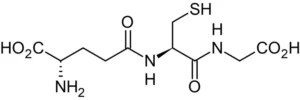
Reduced Glutathione (GSH) functions as a critical thiol donor and redox modulator in in vitro mechanistic studies. Its structure, composed of glutamate, cysteine, and glycine, provides a reactive thiol (-SH) group capable of engaging in disulfide exchange reactions and reversible redox processes. This property allows GSH to maintain thiol-disulfide balance, which is essential for studying redox-sensitive proteins, enzymatic activity, and protein folding dynamics in controlled laboratory settings.
In mechanistic assays, GSH participates in thiol-disulfide exchange, directly influencing the conformational state and functional activity of proteins. By providing reducing equivalents, it enables researchers to investigate oxidative stress pathways, redox-dependent signal transduction, and protein-thiol modification mechanisms. This is particularly useful in enzyme activity assays, where the redox environment modulated by GSH can affect catalytic efficiency and substrate interactions in vitro.
GSH also functions as a redox buffer, stabilizing experimental systems against artificial oxidative perturbations and allowing precise control of intracellular-like redox potential in cell-free models. This facilitates reproducible measurement of thiol oxidation, disulfide bond formation, and protein stability under varying experimental conditions.
Structure illustration : Reduced Glutathione chemical structure and thiol-disulfide reaction schematic
Reduced Glutathione chemical structure
Furthermore, GSH integrates effectively with computational modeling and multi-omic studies. Quantitative data from GSH-based assays can feed into redox network simulations, proteomic pathway analysis, and predictive mechanistic models, providing a comprehensive view of thiol-mediated molecular processes. Its role as a versatile thiol donor makes it an indispensable tool for mechanistic research, enabling laboratories to elucidate molecular pathways of redox regulation, oxidative stress management, and protein-thiol interactions in vitro.
Applications
Reduced Glutathione (GSH) is widely utilized in in vitro mechanistic studies due to its ability to act as a thiol donor and redox modulator. It provides a reliable platform for exploring oxidative stress pathways, redox-dependent enzymatic mechanisms, and thiol-mediated protein interactions.
A key application is in enzyme activity assays, where GSH participates in disulfide bond reduction, thiol exchange, and modulation of redox-sensitive catalytic sites. Researchers can quantitatively assess enzyme kinetics, thiol occupancy, and protein conformational changes under well-controlled laboratory conditions.
GSH is also employed in protein-thiol interaction studies, including mapping redox-dependent structural modifications, complex assembly, and protein stability. These studies help elucidate mechanistic insights into redox signaling networks and thiol-mediated regulatory pathways.
Additionally, GSH can be integrated into cell-free biochemical assays, where it serves as a controlled redox buffer for mechanistic investigations, enabling precise measurement of reactive oxygen species effects, thiol-disulfide dynamics, and protein folding events.
Its compatibility with multi-omic and computational approaches allows experimental data from GSH-based assays to be used in proteomic pathway analysis, redox network modeling, and predictive simulations. This integration provides a comprehensive view of thiol-mediated molecular mechanisms and oxidative stress regulation.
Overall, Reduced Glutathione provides a versatile and reproducible reagent for laboratories studying redox biology, thiol interactions, enzymatic regulation, and oxidative signaling pathways. Its high-purity, stability, and well-characterized chemical properties make it ideal for advanced mechanistic and molecular research conducted entirely in vitro.
Research Models
Reduced Glutathione (GSH) is commonly applied in a variety of in vitro research models to study redox biology, thiol-mediated interactions, and oxidative stress mechanisms. These models provide controlled environments for dissecting molecular pathways and mechanistic networks.
One widely used model is the cell-free enzyme assay, where purified enzymes or redox-sensitive proteins are incubated with GSH. This setup enables precise assessment of thiol-disulfide exchange, enzymatic modulation, and redox potential dynamics under reproducible laboratory conditions.
Another key model involves protein-thiol interaction studies, including folding, structural stabilization, and complex assembly. By controlling the GSH concentration, researchers can investigate mechanistic pathways related to protein conformational changes and redox signaling.
GSH is also compatible with biochemical monitoring platforms, such as spectrophotometric, fluorescence, or mass spectrometry-based assays. These systems allow quantitative evaluation of thiol oxidation, reactive oxygen species effects, and redox-mediated enzymatic activity.
Integration with computational and multi-omic frameworks is another powerful research approach. Data derived from GSH-based experiments can feed into network simulations, proteomic pathway analysis, and predictive modeling, enhancing the mechanistic understanding of thiol-dependent processes.
Overall, Reduced Glutathione-based research models offer flexible, reproducible, and scalable platforms for laboratories exploring redox dynamics, oxidative stress pathways, and thiol-mediated protein regulation. Its high-purity and consistent behavior make GSH a critical tool for mechanistic in vitro studies.
Experimental Design Considerations
When designing experiments with Reduced Glutathione (GSH), careful planning is essential to ensure reliable, reproducible, and interpretable mechanistic results. Its thiol-based chemistry requires attention to concentration, exposure time, and redox-sensitive assay conditions.
Stock solutions should be prepared in water or compatible buffers immediately before use to preserve chemical stability and functional activity. Accurate weighing and solution preparation are critical, as slight variations in GSH concentration can significantly affect redox potential and thiol-mediated reactions.
Temporal parameters must be carefully controlled. Define precise incubation times, sampling intervals, and reaction durations to capture accurate data on thiol-disulfide dynamics, enzyme activity, and redox signaling changes. Time-course experiments are recommended to evaluate dynamic mechanistic responses.
Proper control experiments are essential. Include buffer-only, vehicle-only, and baseline protein-only controls to ensure observed effects are specific to GSH. Using these controls enhances data accuracy and reproducibility in mechanistic studies.
Assay selection should align with the experimental objectives. Options include cell-free enzyme assays, thiol-disulfide exchange monitoring, protein folding studies, and redox signaling assays. Employing multiple assay formats allows cross-validation of findings and strengthens confidence in mechanistic interpretations.
Documentation of batch number, preparation method, storage conditions, and assay parameters is critical for traceability. Following these experimental design considerations ensures that GSH-based studies yield robust, reproducible, and mechanistically meaningful data in controlled in vitro settings.
Laboratory Safety & Handling Guidelines
Reduced Glutathione (GSH) should be handled exclusively in controlled laboratory environments by personnel trained in chemical and laboratory safety protocols. Its thiol-containing structure and high-purity form necessitate careful handling to maintain functional integrity and reproducibility in in vitro mechanistic studies.
All manipulations should occur in a ventilated workspace, such as a certified chemical fume hood or biosafety cabinet, to prevent contamination and maintain safety. Personnel must wear standard PPE including gloves, lab coat, and eye protection when handling GSH powder or solutions.
Lyophilized GSH should be reconstituted immediately before use in water or compatible buffers. Avoid exposure to air, light, and moisture, as oxidation can compromise thiol functionality. Use clean, dry instruments and containers to prevent contamination during solution preparation.
Proper storage is critical to maintain stability. Store GSH at –20°C, dry, and protected from light in tightly sealed containers. Avoid repeated freeze-thaw cycles to preserve chemical and functional properties.
Waste handling must comply with institutional chemical disposal protocols. Residual GSH, contaminated consumables, or unused solutions should be collected in designated chemical waste containers with appropriate labeling to prevent accidental exposure.
By following these laboratory safety and handling guidelines, researchers can ensure the reliability and reproducibility of mechanistic studies, maintain GSH integrity, and uphold safe laboratory practices throughout all in vitro experimental workflows.
Integration with Multi-Omic & Computational Studies
Reduced Glutathione (GSH) is highly compatible with multi-omic and computational research approaches, enabling a comprehensive investigation of thiol-mediated molecular mechanisms and redox pathways. Its high-purity, chemically stable form provides reproducible experimental data for integration into proteomic, transcriptomic, and computational frameworks.
In proteomic studies, GSH helps map thiol-dependent protein interactions, disulfide bond dynamics, and redox-sensitive complexes. Data from these experiments can reveal mechanistic insights into oxidative signaling and protein folding regulation under controlled laboratory conditions.
For transcriptomic analyses, mechanistic data derived from GSH-based assays can support the study of redox-sensitive regulatory networks, identifying correlations between thiol status and gene expression pathways in in vitro models. This enhances the understanding of molecular redox regulation at multiple levels.
GSH also enables computational modeling and simulations, including redox network analysis, protein-thiol interaction modeling, and predictive pathway simulations. Experimental measurements of thiol-disulfide exchange, redox potential, and enzyme modulation provide quantitative inputs for in silico mechanistic studies.
Integration with multi-omic platforms allows cross-validation of experimental results. Combining GSH-based mechanistic data with proteomic and transcriptomic profiles strengthens confidence in insights regarding oxidative stress regulation, redox signaling, and thiol-dependent enzyme mechanisms.
Overall, Reduced Glutathione provides a robust and versatile tool for laboratories aiming to connect experimental mechanistic research with computational and multi-omic analyses, generating integrated, high-confidence insights into thiol-dependent and redox-mediated molecular pathways in vitro.
Reduced Glutathione 600mg
Things to Note
Reduced Glutathione (GSH) is intended exclusively for in vitro mechanistic and laboratory research. It is not suitable for human, animal, or clinical applications. Researchers should define its use as a high-purity thiol-containing reagent for studying oxidative stress, redox signaling, and thiol-dependent protein interactions.
Due to its sensitivity to oxidation, GSH must be handled carefully during reconstitution, solution preparation, and storage. Exposure to air, light, or repeated freeze-thaw cycles may compromise thiol functionality and affect reproducibility. Stock solutions should be prepared immediately prior to use, and unnecessary handling should be minimized.
Accurate concentration control is critical for mechanistic experiments. Variations in solution preparation, timing, or storage conditions can influence redox potential, protein-thiol modification, and enzymatic activity. Detailed documentation of batch number, preparation date, buffer composition, and experimental parameters is strongly recommended.
GSH should not be mixed indiscriminately with reactive or incompatible reagents without prior testing, as such interactions may alter redox properties and confound mechanistic interpretation. Proper laboratory waste disposal and decontamination procedures must always be observed to maintain safety and compound integrity.
By following these considerations, researchers can ensure the reliability, reproducibility, and interpretability of in vitro mechanistic studies using Reduced Glutathione.
Shipping Guarantee
Reduced Glutathione is packaged in laboratory-grade, tamper-evident containers to ensure integrity during transit. Temperature-controlled logistics preserve stability and thiol functionality. Global delivery options provide secure shipment directly to research laboratories. Tracking and handling notifications help ensure timely and safe arrival.
Trade Assurance
Factory-direct manufacturing ensures consistent batch quality, analytical verification, and full traceability. Certificates of Analysis (COA) are provided for each batch to support reproducible in vitro mechanistic studies. Bulk and wholesale supply options enable long-term laboratory research and high-throughput experimental workflows.
Payment Support
Flexible and secure payment methods include Credit Card (Visa, MasterCard, AMEX), Telegraphic Transfer (T/T), and Cryptocurrency (BTC, ETH, and other supported digital assets). Transactions are processed through encrypted channels to ensure safety and confidentiality. These options support both small-scale and bulk research orders.
Disclaimer
Reduced Glutathione is strictly intended for laboratory research and in vitro mechanistic studies. It is not for human, animal, or clinical applications. All experiments must be conducted under controlled laboratory conditions following standard safety protocols. Researchers are responsible for proper handling, storage, and disposal to maintain integrity and safety.
PubChem — Reduced Glutathione Provides detailed chemical information including molecular structure, physicochemical properties, and in vitro research applications.
DrugBank — Glutathione Overview Comprehensive database covering molecular mechanisms, redox biology, and biochemical properties relevant to laboratory studies.
MedChemExpress — Reduced Glutathione High-purity reagent specifications, analytical verification, and recommended use for in vitro mechanistic studies.
Selleck Chemicals — Redox Reagents Collection of glutathione and thiol-containing compounds suitable for mechanistic and protein-thiol interaction studies in vitro.
Wikipedia — Glutathione Overview of chemical structure, redox properties, and laboratory research applications with links to primary literature.
ChemSpider — Reduced Glutathione Molecular structure, chemical identifiers, and properties useful for experimental design and computational modeling.
Reduced Glutathione (GSH) is used in in vitro mechanistic studies to investigate oxidative stress pathways, thiol-mediated protein interactions, and redox signaling in controlled laboratory conditions.
What form does GSH come in?
It is supplied as a high-purity lyophilized powder, optimized for solubility and stability in aqueous buffers suitable for mechanistic assays.
How should GSH be stored?
Store at –20°C, dry, and protected from light to maintain chemical stability and thiol functionality.
Is it suitable for in vivo studies?
No. GSH is strictly intended for laboratory research and in vitro mechanistic applications only.
How should stock solutions be prepared?
Prepare immediately before use in water or compatible buffer to ensure functional integrity and reproducibility in experiments.
Can it be used in enzyme activity assays?
Yes. GSH participates in thiol-disulfide exchange, redox modulation, and protein conformational studies, making it ideal for mechanistic enzyme assays.
Is batch traceability provided?
Yes. Each batch comes with a Certificate of Analysis (COA) confirming purity, identity, and functional verification.
Can it be integrated with computational studies?
Yes. Experimental data from GSH-based assays can support in silico modeling, redox network simulations, and predictive mechanistic analyses.
What experimental controls are recommended?
Include buffer-only, vehicle-only, and protein-only controls to ensure that observed effects are specifically attributable to GSH.
Is it compatible with high-throughput studies?
Yes. GSH is suitable for multi-well plate assays, automated enzyme studies, and mechanistic screening in vitro.
What concentration ranges are recommended?
Optimal concentrations depend on experimental design. Preliminary titration studies are advised to determine effective redox and thiol modulation levels.
Can it be combined with other in vitro reagents?
Yes, but compatibility testing is recommended to avoid interference in redox or protein-thiol assays.
Retatrutide (CAS 2381089-83-2) is a high-purity research-grade peptide optimized for in vitro mechanistic studies. It supports investigations into signal transduction, receptor interactions, and molecular pathway modulation. Supplied as a lyophilized powder, it ensures stability and reproducibility for laboratory research applications.
Rated 4.67 out of 5
$14.00Original price was: $14.00.$12.00Current price is: $12.00.
Botulinum Toxin is a high-purity lyophilized peptide used exclusively for laboratory research. The peptide is designed for in vitro and preclinical studies investigating neurotoxicity, neurotransmitter release modulation, and synaptic vesicle biology. It is not for human or veterinary use.
$92.00Original price was: $92.00.$86.00Current price is: $86.00.
Iparomlimab and Tuvonralimab is a high-purity monoclonal antibody solution supplied at 50 mg/2 mL by factory manufacturing with low-price wholesale availability. Designed exclusively for in vitro molecular mechanism studies, protein interaction assays, and signaling pathway research, it provides reproducible and reliable experimental performance. Strictly for laboratory research use.
$1.00
High-purity Fulzerasib (also known as IBI351, GFH925) is a factory-manufactured small-molecule research reagent optimized for in vitro mechanistic studies, KRAS G12C pathway inhibition analysis, and molecular signaling research. Available for bulk and wholesale laboratory use with batch-verified purity and consistent quality.






eugen –
Fast delivery, good product, great service, thank you