
No products in the cart.
Sale
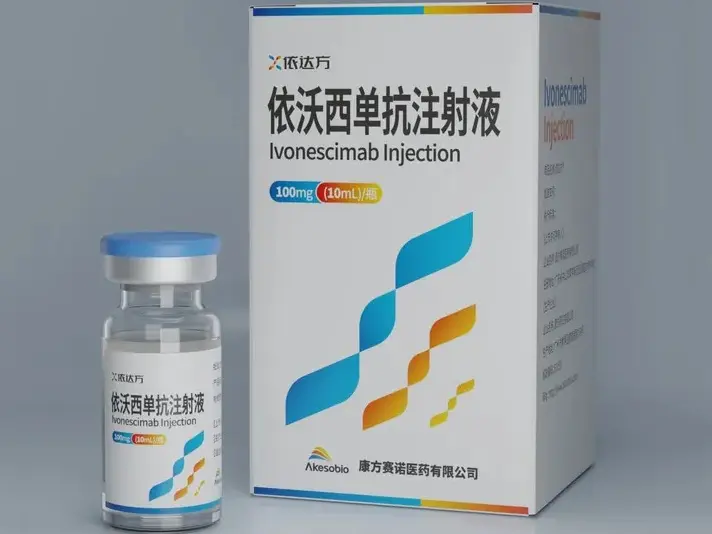

Ivodazumab solution (lvonescimab) High Purity | Factory Manufactured
Original price was: $3.00.$2.00Current price is: $2.00.
High-purity Ivodazumab Injection (lvonescimab) designed for laboratory research, in vitro mechanistic studies, and receptor-targeted molecular pathway analysis. Factory-manufactured with consistent quality for bulk and wholesale supply, this injectable formulation provides reliable antibody-mediated receptor modulation for mechanistic and multi-omic studies.

Description
Product Description
Ivodazumab Injection (lvonescimab) is a high-purity, factory-manufactured monoclonal antibody formulation specifically designed for in vitro mechanistic research, receptor-ligand interaction studies, and multi-omic analyses. Produced under stringent quality control standards, this injectable reagent ensures consistent antibody concentration, functional activity, and stability, providing a reliable platform for reproducible laboratory research.
As a dual-targeted monoclonal antibody, lvonescimab selectively binds to its target receptor, modulating receptor conformation and downstream signaling pathways. This property makes it an indispensable tool for studying receptor-mediated signal transduction, protein complex assembly, and transcriptional regulation in controlled laboratory environments. Researchers can utilize the antibody to dissect molecular interactions, evaluate receptor occupancy, and analyze downstream pathway perturbations with precision.
The injectable formulation is optimized for cell-based assays, protein-binding studies, and high-resolution mechanistic analyses. It enables quantitative assessment of binding kinetics, allosteric effects, and receptor-ligand dynamics, facilitating detailed characterization of antibody-mediated molecular mechanisms. Its high purity ensures minimal interference in experimental assays, supporting reliable and reproducible results across multiple batches and laboratories.
Ivodazumab Injection is also compatible with multi-omic research approaches, including proteomics, transcriptomics, metabolomics, and epigenomic analyses, allowing researchers to integrate molecular datasets and investigate system-wide effects of receptor modulation. Additionally, the antibody can be leveraged in computational biology workflows, providing experimental input for molecular docking, receptor-ligand simulations, and dynamic modeling of signaling networks, further enhancing mechanistic interpretation.
Factory-manufactured and available for bulk and wholesale supply, Ivodazumab Injection supports large-scale laboratory research and multi-user studies. Each batch undergoes verification for purity, sterility, and functional binding activity, ensuring consistency and reproducibility. Its formulation is free from microbial contamination and endotoxins, maintaining high-quality standards suitable for rigorous in vitro experimental workflows.
Overall, Ivodazumab Injection (lvonescimab) provides a robust and versatile platform for mechanistic research, pathway analysis, and multi-omic integration, making it an essential reagent for laboratories focused on antibody-mediated receptor studies. The product combines factory-controlled quality, high purity, and stability to facilitate accurate, reproducible, and high-resolution exploration of molecular mechanisms in vitro, while supporting bulk, wholesale, and customized laboratory supply needs.
Product Specifications
| Parameter | Description |
|---|---|
| Product Name | Ivodazumab Injection (lvonescimab) |
| Form | Sterile injectable solution for laboratory research |
| Composition | High-purity monoclonal antibody in buffer solution; free from microbial contamination |
| Antibody Purity | ≥ 98% (verified by HPLC and SDS-PAGE) |
| Molecular Class | Humanized monoclonal IgG targeting specific receptor in mechanistic research |
| Concentration | Standardized mg/mL formulation for reproducible in vitro use |
| Appearance | Clear to slightly opalescent sterile solution |
| Storage Conditions | Store at 2–8°C; avoid freezing and exposure to light |
| Stability | Stable under recommended laboratory conditions; functional activity maintained for shelf life |
| Sterility | Endotoxin-free; verified for absence of bacterial and fungal contamination |
| Intended Use | Strictly for in vitro, molecular mechanism, and biochemical research |
| Batch Consistency | Factory-manufactured with standardized procedures ensuring reproducible results |
| Quality Verification | Each lot undergoes HPLC purity testing, antibody binding confirmation, and sterility checks |
| Packaging Options | Vials for single or bulk laboratory use; wholesale supply and custom packaging available |
| Scale Availability | Small research units, bulk laboratory quantities, and wholesale supply directly from factory |
| Regulatory Status | Not for human or veterinary use; exclusively for laboratory research |
Mechanism of Action
Ivodazumab (lvonescimab) Injection functions as a high-purity monoclonal antibody reagent for investigating receptor-targeted molecular mechanisms, antibody-mediated signaling, and downstream pathway modulation in strictly in vitro experimental systems. Its high specificity and consistent activity make it an ideal tool for mechanistic studies, multi-omic integration, and computational modeling.
At the molecular level, lvonescimab binds with high affinity to its target receptor, stabilizing specific receptor conformations and preventing or modulating ligand interaction. In cell-free and cell-based assays, this binding enables detailed analysis of receptor occupancy, signaling pathway activation, and protein complex assembly. The antibody’s selective interaction allows researchers to dissect receptor-mediated molecular events, including downstream effector recruitment and signal transduction dynamics.
Ivodazumab also facilitates studies of antibody-dependent modulation of intracellular pathways. By engaging its receptor, the antibody can trigger conformational changes that impact protein-protein interactions, ubiquitination pathways, and post-translational modifications. These effects can be quantified using proteomic assays, phosphorylation profiling, and multi-omic approaches to map molecular consequences.
In addition, the injectable formulation supports high-resolution functional assays, such as surface plasmon resonance, fluorescence polarization, or ligand displacement studies, providing mechanistic insight into binding kinetics, allosteric modulation, and receptor-ligand dynamics. Its stable, high-purity composition ensures reproducible results across experimental batches, which is critical for reliable mechanistic evaluation.
The antibody also integrates with computational biology and structural modeling workflows. High-purity lvonescimab can be used to generate experimental data for molecular docking, receptor-ligand simulations, and protein network modeling, facilitating predictive analysis of binding affinity, conformational flexibility, and downstream pathway perturbation.
Overall, Ivodazumab Injection (lvonescimab) provides a robust and reproducible platform for in vitro mechanistic research, enabling comprehensive study of receptor-ligand interactions, antibody-mediated modulation, and signaling pathway regulation. Its factory-manufactured quality ensures consistency, stability, and high purity, making it suitable for multi-omic integration, high-throughput screening, and computational research applications.
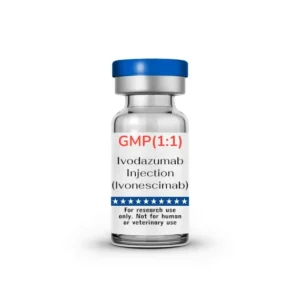
Applications
Ivodazumab Injection (lvonescimab) is widely employed in laboratory research for in vitro mechanistic studies, receptor-binding assays, and multi-omic analyses. Its high-purity formulation enables reproducible investigation of antibody-mediated receptor modulation, signal transduction, and downstream molecular pathways.
1. Receptor Binding and Modulation
Ivodazumab is primarily used to examine receptor-ligand interactions and antibody-mediated effects on receptor conformation. In cell-based and cell-free assays, it enables the study of binding kinetics, receptor occupancy, and downstream signaling dynamics, providing mechanistic insight into receptor-mediated pathways.
2. Signal Transduction Studies
The antibody allows researchers to investigate intracellular signaling events triggered or inhibited by receptor engagement. It is used to study protein phosphorylation, post-translational modifications, and protein complex assembly, offering mechanistic understanding of antibody-induced pathway modulation.
3. Multi-Omic Research Integration
Lvonescimab supports proteomics, transcriptomics, and metabolomics workflows, enabling comprehensive profiling of molecular changes induced by antibody-receptor interactions. Researchers can correlate proteomic shifts with transcriptional and metabolic responses, facilitating systems-level mechanistic analysis.
4. Structural and Computational Biology
High-purity Ivodazumab is compatible with molecular docking, receptor-ligand simulation, and computational modeling, allowing prediction of binding affinity, conformational changes, and allosteric network effects. Experimental data from antibody assays improve computational workflow accuracy.
5. High-Content Screening and Analytical Research
Lvonescimab serves as a reference antibody in high-throughput or high-content in vitro assays, including receptor occupancy evaluation and functional pathway screening. Its consistent formulation ensures reproducibility and reliable assay validation.
6. Mechanistic and Pathway Exploration
The antibody is suitable for dissecting receptor-mediated molecular pathways, downstream effector interactions, and signaling cascade modulation. It provides a robust tool for mechanistic studies, pathway perturbation, and multi-layered experimental analysis.
Overall, Ivodazumab Injection (lvonescimab) provides a reliable platform for antibody-mediated receptor research, enabling high-fidelity exploration of molecular mechanisms, signaling dynamics, and multi-omic integration in strictly in vitro studies.
Research Models
Ivodazumab Injection (lvonescimab) is applied across a variety of in vitro research models designed to elucidate antibody-mediated receptor modulation, signaling pathway dynamics, and molecular mechanisms. Its high-purity, stable formulation allows reproducible results across multiple experimental setups.
In cell-based receptor assays, lvonescimab is used to examine target receptor occupancy, conformational changes, and downstream signal transduction. Researchers can quantify effects on receptor-mediated phosphorylation, protein complex assembly, and intracellular signaling cascades using standard biochemical techniques.
Protein interaction and pathway mapping models utilize lvonescimab to investigate antibody-induced modulation of receptor-associated protein complexes. Proteomic and immunoprecipitation workflows reveal post-translational modifications, cofactor recruitment, and protein degradation pathways, providing mechanistic insight into receptor-mediated cellular processes.
The antibody also integrates into transcriptional regulation studies, including ChIP, reporter assays, and gene-expression profiling. By analyzing antibody engagement effects on transcription factor binding and chromatin accessibility, researchers can map downstream gene networks in a controlled in vitro context.
For multi-omic and systems biology approaches, lvonescimab is compatible with proteomics, transcriptomics, and metabolomics assays, allowing correlation of molecular changes across layers. This supports comprehensive mechanistic analysis, including ligand-receptor effects, pathway activation, and cellular adaptation.
Computational hybrid models benefit from experimental data generated with lvonescimab. Molecular docking, receptor-ligand simulation, and dynamic modeling can integrate quantitative assay results to predict binding kinetics, conformational flexibility, and allosteric interactions, enhancing mechanistic interpretation.
Overall, Ivodazumab Injection (lvonescimab) provides a reproducible and reliable reagent for in vitro mechanistic research, enabling high-resolution studies of receptor-ligand dynamics, signaling cascades, transcriptional regulation, and multi-omic integration. Its factory-manufactured quality ensures consistency across experiments and supports robust mechanistic discovery workflows.
Experimental Design Considerations
Designing effective in vitro studies with Ivodazumab Injection (lvonescimab) requires careful attention to dose preparation, timing, model selection, analytical endpoints, and data integration. These considerations are essential for achieving reproducible and mechanistically meaningful results.
1. Dose Preparation and Handling
Lvonescimab is a high-purity monoclonal antibody in sterile solution. For experimental use, aliquot the injection under aseptic conditions to prevent contamination. Prepare working solutions in cell culture-compatible buffers or assay-specific media. Ensure uniform concentration and gentle mixing to maintain antibody integrity.
2. Time-Course and Sampling
Antibody-mediated effects on receptor signaling and downstream pathways are often time-dependent. Experimental designs should include:
Early time points (e.g., 1–6 hours) to capture receptor engagement and immediate phosphorylation events
Intermediate points (e.g., 12–24 hours) for downstream protein complex assembly and signaling cascades
Later points (e.g., 48–72 hours) to monitor transcriptional or multi-omic responses
Selecting appropriate intervals ensures detection of transient and sustained mechanistic effects.
3. Model Selection and Controls
Use receptor-positive and negative cell lines to confirm specificity of antibody-mediated effects. Include vehicle controls and known pathway modulators to benchmark assay sensitivity. Parallel use of multiple readouts (e.g., proteomics, transcriptomics) strengthens mechanistic interpretations.
4. Analytical Readouts
Integrate complementary assays:
Receptor occupancy and binding kinetics (surface plasmon resonance, fluorescence polarization)
Signal transduction and phosphorylation (Western blot, phospho-protein arrays)
Transcriptional and chromatin analysis (qPCR, ChIP, reporter assays)
Multi-omic profiling (proteomics, metabolomics, transcriptomics) to map system-level responses
5. Replicates and Statistical Planning
Include technical and biological replicates to ensure robust data. Randomize treatment allocation and normalize multi-omic datasets to reduce variability. Document batch numbers, preparation methods, and antibody concentrations for reproducibility.
6. Special Considerations
Maintain sterile technique to avoid contamination.
Store antibody at 2–8°C, avoid repeated freeze-thaw cycles.
Handle with gloves, lab coat, and eye protection.
Minimize exposure to light to preserve functional activity.
By carefully integrating dose preparation, time-course design, model selection, analytical rigor, and safety, researchers can maximize the mechanistic insights gained from Ivodazumab Injection (lvonescimab) in strictly in vitro studies, high-throughput assays, and multi-omic workflows.
Laboratory Safety & Handling Guidelines
Handling Ivodazumab Injection (lvonescimab) in laboratory settings requires adherence to standard biosafety and chemical handling practices. Although the antibody is intended strictly for in vitro research, precautions are necessary to prevent contamination and ensure reproducibility.
Researchers should always wear nitrile gloves, lab coat, and eye protection. When preparing aliquots or diluting the injection, use a certified biosafety cabinet or fume hood to maintain sterility and avoid aerosol generation. Minimize direct contact with the antibody solution and prevent accidental spills.
Store Ivodazumab Injection at 2–8°C in its original, sealed container. Avoid freezing, exposure to light, and repeated temperature fluctuations, as these may reduce antibody activity and experimental reliability. Prepared working solutions should be labeled with date, concentration, and user information, and used promptly to maintain functional integrity.
All waste—including used pipette tips, gloves, and residual antibody solution—should be disposed of according to institutional hazardous chemical or biohazard protocols. Minor spills can be cleaned with absorbent materials and 70% ethanol; major spills require activation of the laboratory’s formal spill response procedures.
Special attention is recommended for personnel sensitive to biologics or antibody reagents. Only trained researchers should handle Ivodazumab Injection to ensure compliance with laboratory safety protocols and experimental standards.
Maintaining accurate records of batch numbers, preparation steps, and storage conditions supports reproducibility and quality assurance across multiple experiments. Following these guidelines ensures safe, reliable use of Ivodazumab Injection in receptor signaling, molecular mechanism, and multi-omic research workflows.
Integration with Multi-Omic & Computational Studies
Ivodazumab Injection (lvonescimab) is highly compatible with multi-omic research workflows and computational modeling approaches, enabling comprehensive investigation of receptor-mediated signaling, transcriptional regulation, and downstream pathway modulation. Its high-purity and stable injectable formulation provides reproducible input for proteomics, transcriptomics, metabolomics, and epigenomic studies.
In proteomic applications, lvonescimab is used to monitor changes in protein abundance, post-translational modifications, and protein complex assembly in response to antibody-receptor engagement. These data can be integrated with transcriptomic analyses to assess downstream gene-expression changes, supporting mechanistic interpretation of receptor-mediated signaling.
Epigenomic and chromatin-based studies benefit from the antibody’s reproducibility. Researchers can analyze chromatin accessibility, transcription factor recruitment, and co-regulator interactions following antibody binding, providing insights into transcriptional regulation and receptor-mediated gene control in vitro.
From a computational biology perspective, experimental data generated with lvonescimab support molecular docking, receptor-ligand simulations, and dynamic modeling of signaling networks. These approaches help predict binding affinity, allosteric effects, and downstream network perturbations, improving the accuracy of in silico mechanistic studies.
Cross-platform integration enables researchers to correlate protein-level changes, transcriptional responses, and metabolomic shifts, facilitating a systems-level understanding of antibody-mediated receptor modulation. The antibody’s consistent formulation ensures cross-batch reproducibility, enhancing reliability of multi-layered studies.
Overall, Ivodazumab Injection (lvonescimab) provides a robust platform for mechanistic, multi-omic, and computationally integrated in vitro research, supporting high-resolution investigation of receptor-ligand dynamics, signaling pathways, and transcriptional regulation.
Things to Note
Ivodazumab Injection (lvonescimab) is intended exclusively for laboratory research, in vitro mechanistic studies, and molecular pathway analysis.
High-purity formulation provides reproducible results in receptor-binding, signaling, and multi-omic studies.
Store at 2–8°C, protect from light, and avoid repeated freeze-thaw cycles to preserve stability and functional activity.
Not for human, veterinary, or clinical use.
Handle only in controlled laboratory experiments and computational workflows.
Keywords
ivodazumab injection, lvonescimab, high-purity monoclonal antibody, in vitro receptor study, molecular mechanism reagent, antibody-mediated signaling, factory-direct bulk supply, wholesale laboratory reagent, multi-omic research antibody, transcriptional regulation studies, receptor-ligand interaction research, Tumor (compound) Research, mechanistic research platform
Shipping Guarantee
Factory-manufactured Ivodazumab Injection (lvonescimab) is securely packaged to maintain purity and stability during transport. Bulk and wholesale shipments include reinforced containment, moisture protection, and shipment tracking. Each order is verified to ensure high-purity product suitable for laboratory research.
Trade Assurance
Low-price wholesale supply directly from the factory.
Bulk order customization available for laboratory research purposes.
Guaranteed consistent batch quality for reproducible mechanistic and multi-omic studies.
Payment Support
Multiple secure payment options are available, including PayPal, bank transfer (TT), credit cards, and cryptocurrency. Flexible payment methods support bulk, wholesale, and factory-direct procurement.
Disclaimer
Ivodazumab Injection (lvonescimab) is for laboratory research use only. Not for human or veterinary use and not intended for diagnostic, therapeutic, or clinical applications. Researchers must follow all laboratory safety protocols and handle the compound under controlled in vitro or computational study conditions.
References
Shi Y. et al. “Unlocking new horizons in oncology: ivonescimab’s dual‑target approach to anti‑VEGF/PD‑1(L1) therapy.” PubMed. Describes the molecular mechanism and bispecific antibody structure of ivonescimab targeting both PD‑1 and VEGF. PMC
Akeso’s Ivonescimab Product Page – Mechanism of Action and Bispecific Design. Akeso, Inc official product overview explaining the dual functions of the PD‑1/VEGF bispecific antibody and its engineered Fc characteristics. akesobio.com
“Unlocking new horizons in oncology: ivonescimab’s dual‑target approach…” PubMed PMC abstract. Focuses on preclinical bispecific antibody properties, binding dynamics, and implications for mechanistic signaling. PubMed
Phase 1a Dose Escalation Study of Ivonescimab (AK112) – Clinical Research Abstract (PDF). Reports initial safety and tolerability data for ivonescimab in human studies, including antibody dosing information that supports mechanistic interpretation. akesobio.com
BioSpace – Perioperative Ivonescimab Phase II Results Presentation. Describes functional outcomes of antibody engagement in NSCLC models, demonstrating mechanistic signaling effects relevant to receptor modulation. biospace.com
Additional information
| Weight | 1.1 kg |
|---|---|
| Dimensions | 18 × 16 × 18 cm |
3 reviews for Ivodazumab solution (lvonescimab) High Purity | Factory Manufactured
What is the intended use of Ivodazumab Injection?
Ivodazumab (lvonescimab) is designed exclusively for in vitro mechanistic studies, receptor-binding assays, and multi-omic research workflows. It is not for human or veterinary use.
Can I use this antibody in in vivo studies?
No. This injectable formulation is strictly intended for laboratory research, including cell-based and biochemical assays.
How should I store Ivodazumab Injection?
Store at 2–8°C in a sealed container, away from light. Proper storage ensures stability and reproducible activity in research experiments.
Is it safe to prepare aliquots or dilute the injection?
Yes, aliquots can be prepared under aseptic conditions. Use cell culture-compatible buffers to maintain antibody integrity for receptor-binding or mechanistic assays.
Which experimental models are compatible with Ivodazumab?
Suitable for cell-based assays, protein interaction studies, transcriptional analyses, and multi-omic workflows. It is compatible with both 2D and 3D in vitro systems.
How is the purity of lvonescimab verified?
Purity is confirmed through HPLC, SDS-PAGE, and sterility testing, ensuring reproducible results across experimental batches.
Can Ivodazumab be used in multi-omic studies?
Yes. It integrates with proteomics, transcriptomics, metabolomics, and epigenomics workflows, allowing correlation of receptor-mediated effects across molecular layers.
Is this antibody suitable for high-throughput screening?
Yes. Its stable, high-purity formulation supports reliable high-content and high-throughput in vitro assays.
Do the injections degrade over time?
When stored properly, the antibody remains stable for the specified shelf life. Avoid repeated freeze-thaw cycles to maintain functional activity.
Can Ivodazumab be used for receptor-ligand kinetic studies?
Yes. It is ideal for surface plasmon resonance, fluorescence polarization, and ligand displacement assays, providing high-fidelity mechanistic data.
Are special handling precautions required?
Always wear gloves, lab coat, and eye protection. Handle under sterile conditions to minimize contamination risk.
Is batch-to-batch consistency guaranteed?
Yes. Manufactured under factory-controlled conditions, bulk and wholesale supply ensures reproducible experimental results.
Can I use it in computational modeling studies?
Yes. Experimental data support molecular docking, receptor-ligand simulations, and protein network modeling.
Is it suitable for transcriptional or epigenetic studies?
Yes. Lvonescimab can be used to study chromatin accessibility, transcription factor recruitment, and gene regulation.
Related products
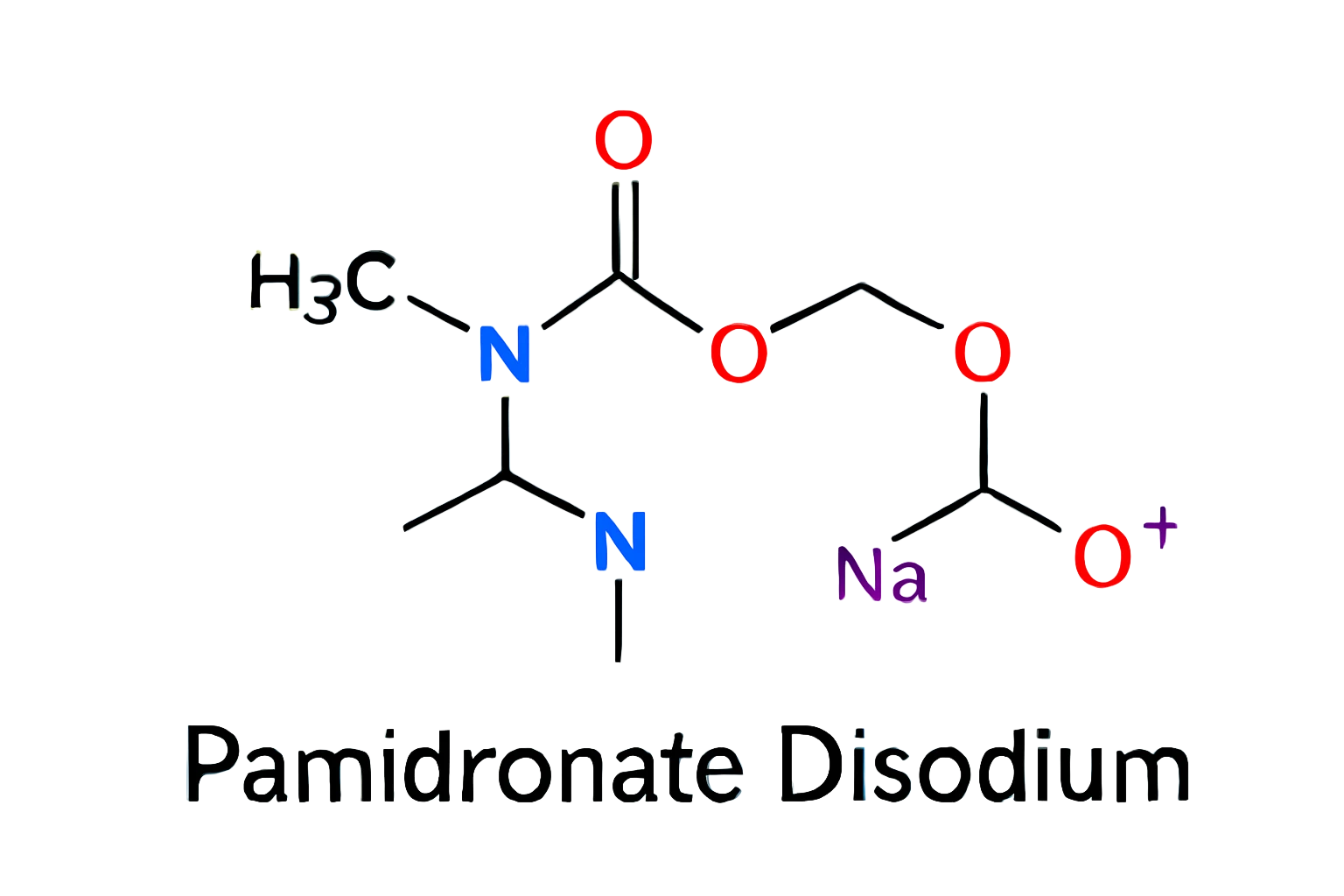
Pamidronate Disodium solution 15mg — Laboratory Research Grade Reagent
Pamidronate Disodium is a high-purity bisphosphonate reagent designed for in vitro mechanistic studies. It enables research into bone-related biochemical pathways, protein-ligand interactions, and molecular signaling mechanisms under controlled laboratory conditions. Supplied in a laboratory-ready format, it is ideal for mechanistic assays and protein interaction studies. Original price was: $6.00.$2.00Current price is: $2.00.Toremifene Citrate 60mg for scientific research
High-purity Toremifene Citrate Tablets designed exclusively for in vitro molecular mechanism research, receptor-binding analysis, and biochemical pathway modulation studies. Factory-manufactured with consistent batch quality, suitable for bulk and wholesale supply.(For research use only. Not for human or veterinary use.) $1.00Iparomlimab and Tuvonralimab 50 mg/2 mL Solution
Iparomlimab and Tuvonralimab is a high-purity monoclonal antibody solution supplied at 50 mg/2 mL by factory manufacturing with low-price wholesale availability. Designed exclusively for in vitro molecular mechanism studies, protein interaction assays, and signaling pathway research, it provides reproducible and reliable experimental performance. Strictly for laboratory research use. $1.00Fulzerasib 150mg High Purity | Factory Manufactured
High-purity Fulzerasib (also known as IBI351, GFH925) is a factory-manufactured small-molecule research reagent optimized for in vitro mechanistic studies, KRAS G12C pathway inhibition analysis, and molecular signaling research. Available for bulk and wholesale laboratory use with batch-verified purity and consistent quality. $1.00


bend –
I was recommended by a friend, it’s pretty good, thank you
abirahsa –
The product is great, thank you, and I wish you a happy life.
support –
Fair pricing for the quality offered.