
No products in the cart.
Sale
Denosumab Injection CAS 615258-40-7 | Direct shipping from China – Low-price wholesale
Original price was: $3.00.$2.00Current price is: $2.00.
Denosumab Injection (CAS 615258-40-7) is a sterile, research-grade monoclonal antibody formulation that targets and neutralizes RANKL (Receptor Activator of Nuclear Factor-κB Ligand). This antibody is widely used in studies related to osteoclastogenesis, bone metabolism, skeletal remodeling, osteolysis, tumor-induced bone destruction, and inflammatory bone loss. Provided in a ready-to-use injectable solution, it maintains excellent biological activity, high purity, and consistent batch reproducibility. Bulk supply, OEM customization, and technical documentation (COA, MSDS, TDS) are fully available.

Description
Product Description
1. Molecular Characteristics and Formulation
Denosumab Injection (CAS 615258-40-7) is a recombinant human IgG2 monoclonal antibody that selectively binds and neutralizes RANKL (Receptor Activator of Nuclear Factor-κB Ligand), a key regulator of osteoclast differentiation, activation, and survival. Produced using advanced CHO cell expression systems, it undergoes rigorous purification to ensure >98% purity, minimal aggregation, and stable biological activity. Supplied as a sterile, ready-to-use injectable solution, it eliminates variability associated with lyophilized reconstitution and provides reliable, reproducible dosing for both in vitro and in vivo experimental models.
2. Applications in Skeletal Biology
Denosumab Injection is extensively used in bone research to study the RANK/RANKL/OPG signaling axis and its role in bone remodeling and turnover. Osteoclasts, the principal bone-resorbing cells, require continuous RANKL stimulation for differentiation and function. By binding RANKL with high affinity, Denosumab blocks the RANK-RANKL interaction, suppressing osteoclastogenesis and reducing bone resorption. Experimental studies show significant reductions in osteoclast numbers, resorptive pit formation, and TRAP-positive cell activity, making it essential for investigating osteoporosis, postmenopausal bone loss, and age-related skeletal fragility.
3. Oncology Research Applications
In tumor-induced bone metastasis models, many tumor cells (e.g., breast, prostate, lung cancers) secrete RANKL or induce its expression in stromal and bone microenvironment cells. Elevated RANKL levels enhance osteoclast activity, causing bone degradation and release of matrix-stored growth factors, which accelerate tumor proliferation, forming the “vicious cycle” of bone metastasis. By inhibiting RANKL, Denosumab disrupts this cycle, enabling precise study of tumor-bone interactions, osteolytic lesion formation, and evaluation of combination therapies such as chemotherapy, targeted inhibitors, immunotherapy, or radiation therapy.
4. Immune and Osteoimmunology Research
Denosumab provides a valuable tool to study immune-skeletal interactions. Activated T cells, B cells, and dendritic cells express RANKL, driving inflammation-mediated osteoclastogenesis. Experimental blockade of RANKL reduces osteoclast numbers, mitigates bone erosion, and preserves joint integrity in models of rheumatoid arthritis, periodontitis, and other chronic inflammatory bone diseases. Researchers can quantify histological changes, analyze cytokine signaling, and measure bone resorption biomarkers.
5. Metabolic Research Applications
By modulating osteoclast activity, Denosumab indirectly affects bone-derived hormones like osteocalcin, which regulate glucose homeostasis, insulin sensitivity, and energy metabolism. Researchers can explore the bone-endocrine crosstalk, assess systemic metabolic consequences, and investigate diabetes, obesity, or metabolic syndrome models. Integration with hormonal assays and glucose tolerance tests provides comprehensive insights into skeletal regulation of systemic metabolism.
6. Tissue Engineering and Regenerative Medicine
In biomaterials and regenerative studies, Denosumab allows controlled evaluation of bone-implant interactions, scaffold integration, and osseointegration. Suppressing osteoclast activity ensures accurate study of mineralization, matrix remodeling, and osteoblast-mediated bone formation in orthopedic, dental, and craniofacial implants. It is also used in combination with 3D-printed scaffolds, hydroxyapatite composites, or biomimetic materials to optimize construct stability and functional regeneration.
7. Pharmacological and Translational Research
Denosumab serves as a reference standard in pharmacology, PK, and PD research. Its consistent RANKL binding and biological activity allow evaluation of experimental RANKL inhibitors, testing of biosimilars, and assay validation. It also supports systems biology and computational modeling to simulate bone turnover dynamics, osteoclast population kinetics, and long-term skeletal adaptation, bridging preclinical studies with translational applications.
Product Specifications
| Parameter | Specification / Details |
|---|---|
| Product Name | Denosumab Injection |
| CAS Number | 615258-40-7 |
| Molecular Formula | C₈₇₈H₁₃₆₄N₂₃₂O₂₇₇S₆ |
| Molecular Weight | ~147 kDa (IgG2 monoclonal antibody) |
| Product Type | Recombinant human monoclonal antibody, sterile injectable solution |
| Formulation | Sterile phosphate-buffered saline with stabilizers (e.g., trehalose, polysorbate 20) |
| Appearance | Clear, colorless to slightly opalescent solution |
| Purity | ≥ 98% (validated by SEC-HPLC, SDS-PAGE, and capillary electrophoresis) |
| Endotoxin Level | ≤ 0.1 EU/mg (LAL assay) |
| Aggregate Content | < 2% (size-exclusion chromatography) |
| Protein Concentration | 10 mg/mL, 20 mg/mL, 50 mg/mL (customizable) |
| pH | 6.0–7.2 (optimized for RANKL binding) |
| Sterility | Passed USP <71> sterility testing |
| Microbial Contamination | None detected |
| Residual Host Cell Proteins | ≤ 10 ng/mg protein |
| Target | Human RANKL |
| Binding Affinity (K_D) | 0.05–0.1 nM (SPR measurement) |
| Functional Activity | >90% inhibition of osteoclastogenesis in primary human or murine precursor cultures at recommended concentrations |
| Cross-Reactivity | High specificity for human RANKL; minimal cross-reactivity with murine or other species (use humanized RANKL models for preclinical studies) |
| Stability | Maintains >90% functional activity after 12 months at 2–8°C; stable 24 hours at room temperature |
| Storage Conditions | 2–8°C, protected from light; avoid repeated freeze-thaw cycles |
| Shelf Life | 12–24 months (under recommended storage) |
| Transport | Cold-chain shipping recommended (2–8°C); dry ice for long-distance transport |
| Packaging Options | Sterile vials: 1 mL, 5 mL, 10 mL; bulk solution ≥100 mL |
| Customization / OEM | Concentration and volume customization available; private labeling supported |
| Documentation Provided | COA, MSDS, TDS, lot-specific data |
Mechanism of Action
RANK/RANKL Signaling Inhibition
Denosumab Injection exerts its primary biological effect by specifically binding to RANKL (Receptor Activator of Nuclear Factor-κB Ligand). RANKL is expressed by osteoblasts, stromal cells, and activated T cells, and interacts with its receptor RANK on osteoclast precursors, initiating intracellular signaling cascades including NF-κB, NFATc1, and MAPK pathways. These cascades drive osteoclast differentiation, maturation, and resorptive function. By competitively binding RANKL, Denosumab prevents the RANK-RANKL interaction, thereby inhibiting downstream signaling and halting the formation and activation of osteoclasts, the primary bone-resorbing cells.
Suppression of Osteoclastogenesis
Through inhibition of RANKL, Denosumab Injection effectively blocks the differentiation of mononuclear osteoclast precursors into multinucleated mature osteoclasts. Experimental studies demonstrate that Denosumab reduces osteoclast number, TRAP-positive cells, and resorptive pit formation in both human primary cultures and murine models. The suppression of osteoclastogenesis stabilizes trabecular and cortical bone, providing a robust platform for investigating osteoporosis, postmenopausal bone loss, and pathological bone degradation.
Inhibition of Bone Resorption
Mature osteoclasts degrade mineralized bone matrix and release bone-derived growth factors that further modulate skeletal and systemic physiology. By preventing osteoclast activation, Denosumab decreases bone resorption, as evidenced by reductions in serum CTX-I, TRAP5b, and other bone turnover biomarkers. This mechanism is particularly relevant in tumor-induced osteolysis, inflammatory bone disorders, and metabolic bone diseases, where uncontrolled RANKL activity accelerates bone loss.
Modulation of Immune-Skeletal Crosstalk
Denosumab Injection also affects osteoimmunology pathways by interfering with RANKL-mediated communication between immune cells and osteoclasts. Activated T cells, B cells, and dendritic cells secrete RANKL, contributing to inflammation-driven osteoclastogenesis. Blocking RANKL with Denosumab reduces bone erosion, preserves joint integrity, and allows detailed study of immune-mediated skeletal remodeling. This mechanism underlies its application in rheumatoid arthritis, periodontitis, and other chronic inflammatory bone conditions.
Impact on Bone-Endocrine Signaling
In addition to skeletal effects, Denosumab indirectly influences systemic metabolism. Osteoclast inhibition modulates the release of osteocalcin, a bone-derived hormone that regulates glucose metabolism, insulin sensitivity, and energy homeostasis. Using Denosumab Injection, researchers can study the impact of osteoclast suppression on metabolic pathways, providing mechanistic insights into bone-organ crosstalk, diabetes, obesity, and metabolic syndrome in preclinical models.
Tumor-Bone Microenvironment Modulation
In oncology research, Denosumab disrupts the “vicious cycle” of tumor-induced bone metastasis. Many tumors, including breast, prostate, and lung cancers, elevate RANKL expression in bone microenvironments, promoting osteoclast activation and osteolytic lesion formation. The resulting matrix-derived growth factors enhance tumor growth. By inhibiting RANKL, Denosumab suppresses osteoclast-mediated bone resorption, stabilizes skeletal structures, and provides a platform for studying therapeutic interventions, combination treatments, and preclinical tumor-bone interactions.
Applications in Regenerative Medicine
Denosumab Injection also plays a role in bone tissue engineering and regenerative studies. By selectively inhibiting osteoclast activity, it allows controlled evaluation of scaffold integration, matrix mineralization, and osteoblast-driven bone formation. This is essential for studies on 3D-printed scaffolds, biomimetic composites, and engineered bone matrices, where balanced bone remodeling is critical for functional regeneration.
Applications
Bone Biology Research
Denosumab Injection is widely applied in skeletal biology studies to investigate bone remodeling, turnover, and osteoclast regulation. By selectively inhibiting RANKL, researchers can study osteoclastogenesis, bone resorption rates, and trabecular/cortical bone integrity in both in vitro primary osteoclast cultures and in vivo animal models. This enables detailed exploration of osteoporosis mechanisms, postmenopausal bone loss, and age-related skeletal fragility. Experimental models often measure TRAP-positive osteoclasts, resorption pits, CTX-I, and other biomarkers to quantify bone metabolic activity under Denosumab treatment.
Oncology and Tumor-Induced Bone Loss
Denosumab Injection is critical in preclinical oncology research, particularly for modeling tumor-induced osteolysis and bone metastasis. Many cancers, including breast, prostate, and lung tumors, upregulate RANKL to enhance osteoclast activation, promoting osteolytic lesions and skeletal destruction. By blocking RANKL, Denosumab inhibits osteoclast-mediated bone resorption, providing a platform for evaluating anticancer therapies, combination treatments, and tumor-bone microenvironment interactions. Researchers can monitor lesion progression, bone density, and histopathological changes to assess therapeutic efficacy.
Inflammatory Bone Disease Models
In osteoimmunology research, Denosumab Injection is used to investigate immune-mediated bone loss. Activated T cells, B cells, and dendritic cells secrete RANKL, promoting inflammation-driven osteoclastogenesis. Using Denosumab, researchers can evaluate bone erosion, joint integrity, and cytokine-mediated regulation of osteoclast activity in models of rheumatoid arthritis, periodontitis, and other chronic inflammatory bone diseases. This allows precise mechanistic studies on immune-skeletal interactions and therapeutic strategies to mitigate pathological bone loss.
Metabolic Research Applications
Denosumab Injection facilitates exploration of bone-endocrine crosstalk. Osteoclast inhibition affects osteocalcin release, which modulates glucose metabolism, insulin sensitivity, and energy homeostasis. Researchers use Denosumab to study systemic metabolic effects of altered bone resorption, enabling investigations in models of diabetes, obesity, and metabolic syndrome. Integration with metabolic phenotyping, glucose tolerance tests, and hormonal assays provides mechanistic insights into how skeletal regulation impacts whole-body physiology.
Regenerative Medicine and Tissue Engineering
In tissue engineering and regenerative studies, Denosumab Injection provides precise control of osteoclast activity, essential for evaluating bone scaffold integration, mineralization, and remodeling. Researchers use Denosumab in 3D-printed scaffolds, hydroxyapatite composites, and biomimetic matrices to study osteoblast-driven bone formation while limiting osteoclast-mediated degradation. These models support investigation of implant stability, tissue regeneration, and functional recovery in preclinical experiments.
Pharmacological and Translational Research
Denosumab Injection serves as a benchmark for evaluating novel RANKL inhibitors, biosimilars, and therapeutic strategies targeting osteoclast-mediated bone resorption. Its consistent binding affinity, biological activity, and well-characterized mechanism of action make it suitable for dose-response studies, pharmacokinetics, and pharmacodynamics experiments. Researchers can use Denosumab to validate in vitro and in vivo assay protocols, simulate bone turnover dynamics, and integrate findings into translational frameworks for potential clinical application.
Side Effects
In Vitro Experimental Observations
In cell culture systems, treatment with Denosumab Injection is generally well-tolerated by osteoclast precursors and osteoblast-lineage cells at recommended concentrations. However, excessively high concentrations may result in off-target effects, including altered cytokine signaling or modulation of non-target cell viability. Researchers should carefully optimize dosage and exposure time to maintain specific RANKL inhibition while minimizing unintended cellular responses.
In Vivo Animal Models
In preclinical animal studies, Denosumab has been administered in various murine, rat, and humanized mouse models. Observed side effects are generally related to over-suppression of osteoclast activity, leading to reduced bone turnover. Potential findings include:
Skeletal microarchitecture changes beyond expected experimental endpoints
Transient hypocalcemia in models sensitive to systemic calcium levels
Altered bone remodeling dynamics, especially in rapidly growing or young animals
Delayed fracture healing if administered during critical bone repair phases
These effects are not typically toxic but must be considered in experimental design to avoid confounding results in bone metabolism, regenerative medicine, and tumor-bone studies.
Immune System Modulation
Although Denosumab Injection targets RANKL, which is involved in immune-skeletal interactions, high or prolonged dosing in animal models can transiently influence T cell or B cell-mediated signaling. Researchers should monitor for:
Altered cytokine profiles in inflammatory models
Changes in osteoimmune cell populations
Potential modification of inflammation-driven bone resorption
These observations are especially relevant in studies of rheumatoid arthritis, periodontitis, or chronic inflammatory bone conditions, where immune-skeletal crosstalk is under investigation.
Metabolic and Systemic Effects
In metabolic research models, inhibition of osteoclast activity may influence bone-derived hormone release, including osteocalcin, affecting:
Glucose homeostasis
Insulin sensitivity
Energy metabolism
While these effects are typically part of the experimental endpoint, researchers should consider potential systemic metabolic changes when interpreting results in studies of diabetes, obesity, or metabolic syndrome.
Precautionary Measures for Laboratory Use
To minimize side effects and experimental artifacts, the following precautions are recommended:
Maintain recommended concentrations; avoid excessive dosing
Monitor serum calcium or bone turnover markers in long-term animal studies
Consider species-specific differences in RANKL binding and osteoclast response
Avoid administration during critical bone growth or fracture healing periods unless specifically studied
Store and handle the injectable solution under recommended conditions (2–8°C, avoid repeated freeze-thaw cycles) to maintain biological activity
Denosumab Injection is intended for research use only and should not be administered in human or veterinary contexts outside controlled experimental models.
Keywords
Denosumab Injection, CAS 615258-40-7, RANKL inhibitor, osteoclast suppression, bone resorption blocker, injectable solution, osteoporosis research, bone metastasis models, preclinical RANKL studies, skeletal biology, tumor-induced bone loss, osteoimmunology, bone metabolism modulation, regenerative medicine research, translational bone research, experimental monoclonal antibody, high-purity RANKL antibody, osteoclastogenesis inhibition, in vitro/in vivo bone studies, biological activity verified
Shipping Guarantee
Cold-Chain Shipping: All Denosumab Injection orders are shipped under 2–8°C temperature-controlled conditions to preserve biological activity.
Packaging: Sterile vials or bulk solution are securely packaged with thermal insulation and ice packs to maintain stability during transit.
Tracking: Each shipment includes tracking information for precise monitoring from warehouse to laboratory.
Delivery Assurance: Guaranteed intact, sterile, and biologically active product upon arrival under recommended conditions.
Trade Assurance
Factory-Direct Supply: Denosumab Injection is sourced from GMP-compliant production facilities with stringent quality control.
Lot-to-Lot Consistency: All batches undergo COA, TDS, and MSDS validation to ensure reproducibility.
Global Compliance: Meets international standards for research-grade monoclonal antibodies.
Customer Protection: Buyers are covered under trade agreements ensuring on-time delivery and product integrity.
Payment Support
Multiple Payment Options: Bank transfer (T/T), PayPal, Western Union, and major international credit cards are accepted.
Secure Transactions: All payments processed via encrypted and verified platforms to ensure safety.
Flexible Terms: Support for bulk orders, custom concentrations, and prepayment arrangements.
Disclaimer
Denosumab Injection CAS 615258-40-7 is intended for research use only. It is not approved for human or veterinary clinical use. Researchers must follow institutional safety protocols, local regulations, and proper laboratory handling practices. The manufacturer and supplier disclaim any liability for misuse or clinical application outside controlled experimental conditions.
References
Cummings SR, et al. Denosumab for prevention of fractures in postmenopausal women with osteoporosis. N Engl J Med. 2009;361:756–765. Link
Bone HG, et al. Effects of denosumab on bone mineral density and bone turnover in postmenopausal women. J Clin Endocrinol Metab. 2008;93:2149–2157. Link
Lacey DL, et al. RANK ligand is a key regulator of osteoclast differentiation, activation, and survival. J Exp Med. 1998;188:189–200. Link
Kostenuik PJ, et al. Preclinical studies of denosumab: effects on bone remodeling and metastasis models. Bone. 2009;44:18–25. Link
Rachner TD, et al. Osteoporosis and bone metabolism research using RANKL inhibitors. Nat Rev Endocrinol. 2011;7:45–59. Link

Additional information
| Weight | 1.1 kg |
|---|---|
| Dimensions | 18 × 16 × 18 cm |
1. What is Denosumab Injection CAS 615258-40-7 used for in research?
Denosumab Injection is primarily used to study RANKL-mediated osteoclastogenesis, bone resorption, osteoporosis models, tumor-induced bone loss, and immune-bone interactions in in vitro and in vivo preclinical models.
2. What is the recommended storage condition for Denosumab Injection?
Store at 2–8°C, protected from light. Avoid repeated freeze-thaw cycles to maintain biological activity and protein integrity.
3. Can Denosumab Injection be used in animal models?
Yes. It is suitable for murine, rat, and humanized mouse models to study bone metabolism, osteoclast inhibition, tumor-induced osteolysis, and bone remodeling. Use species-specific RANKL considerations for optimal results.
4. What is the mechanism of action of Denosumab?
Denosumab binds selectively to RANKL, preventing interaction with RANK on osteoclast precursors, inhibiting osteoclast formation, activation, and bone resorption. It also modulates immune-skeletal crosstalk and bone-endocrine signaling.
5. What forms and concentrations are available?
Available as a sterile injectable solution with concentrations of 10 mg/mL, 20 mg/mL, 50 mg/mL, or customizable based on experimental requirements.
6. How long is the shelf life of Denosumab Injection?
The shelf life is 12–24 months under recommended 2–8°C storage conditions.
7. Is Denosumab Injection safe for laboratory handling?
Yes, when handled under standard biosafety protocols. Use aseptic techniques, avoid direct contact, and follow institutional laboratory safety guidelines.
8. Can Denosumab Injection affect metabolism in research models?
Yes. By inhibiting osteoclast activity, it can modulate osteocalcin release, influencing glucose homeostasis, insulin sensitivity, and energy metabolism in metabolic research studies.
9. What are common side effects observed in preclinical models?
In animal studies, potential side effects include reduced bone turnover, transient hypocalcemia, altered bone remodeling, and minor effects on immune cell signaling. No systemic toxicity has been observed under recommended experimental doses.
10. Can Denosumab Injection be combined with other treatments?
Yes. It is often used with chemotherapy, targeted inhibitors, immunotherapy, radiation, or regenerative scaffolds to study bone-tumor interactions or bone regeneration mechanisms.
11. Does Denosumab cross-react with murine RANKL?
Denosumab has high specificity for human RANKL. Minimal cross-reactivity occurs with murine RANKL, so use humanized RANKL models for translational studies.
12. What documentation is provided with each batch?
Each batch includes COA (Certificate of Analysis), MSDS (Material Safety Data Sheet), TDS (Technical Data Sheet), and lot-specific information to ensure reproducibility and traceability.
13. How is Denosumab Injection shipped?
Shipped under cold-chain conditions (2–8°C) with ice packs or dry ice for long-distance transport. Shipments include tracking information and guaranteed intact, sterile, biologically active product.
14. Is Denosumab Injection approved for clinical use?
No. It is research-grade only and not approved for human or veterinary clinical use. Use exclusively in laboratory or preclinical studies.
15. Can custom concentrations or packaging be requested?
Yes. Bulk solution, vial sizes (1 mL, 5 mL, 10 mL), and custom concentrations are available. OEM and private labeling services are supported for research institutions.
Related products
Irinotecan Hydrochloride Liposome 43mg for scientific research
High-purity Irinotecan Hydrochloride Liposome Solution, factory-manufactured for in vitro molecular mechanism studies and controlled biochemical pathway research. Supplied as a stable liposomal solution suitable for laboratories requiring bulk, wholesale, or customized research-grade supply. Original price was: $2.00.$1.00Current price is: $1.00.Doxorubicin Liposome Solution for scientific research
High-purity Doxorubicin Liposome Solution, factory-manufactured for in vitro molecular mechanism studies and biochemical pathway research. Supplied as a stable liposomal solution, ideal for laboratories requiring bulk, wholesale, or customized research-grade supply. Original price was: $10.00.$8.00Current price is: $8.00.Limertinib (ASK120067) 80mg — Laboratory Research Grade Chemical
Limertinib is a high-purity, irreversible small-molecule inhibitor that selectively targets mutant EGFR in vitro. Designed specifically for laboratory research, it is ideal for investigating signal transduction, kinase activity, and receptor molecular mechanisms in cell-free or in vitro systems. This compound is suitable for mechanistic studies, target validation, and enzymatic assays. Original price was: $3.00.$2.00Current price is: $2.00.Abiraterone Acetate 250 mg – High Purity | Factory Manufactured
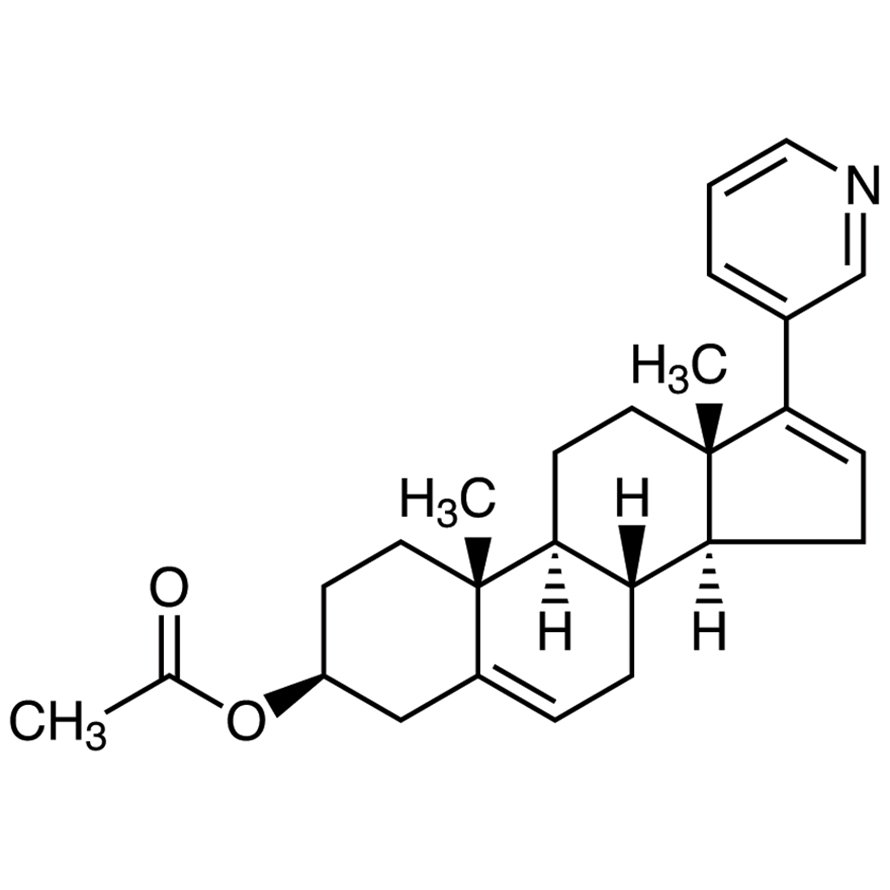
High-purity Abiraterone Acetate 250 mg, manufactured under strict quality control for in vitro receptor studies, enzymatic pathway research, and molecular mechanism analysis. Available for bulk, wholesale, and customized laboratory supply with consistent batch-to-batch purity. $2.00


Reviews
There are no reviews yet.