
No products in the cart.
Sale
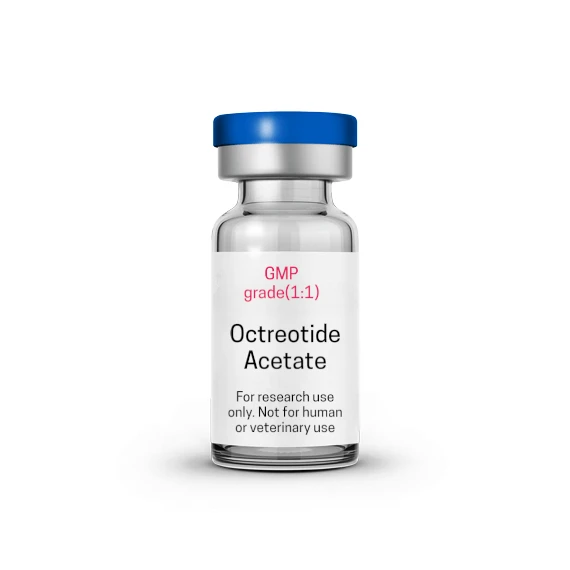
Octreotide Acetate | CAS 79517-01-4 | Somatostatin Analogue for Endocrine and Tumor Research
Original price was: $3.00.$2.00Current price is: $2.00.
Octreotide Acetate (CAS 79517-01-4) is a synthetic octapeptide and somatostatin analogue widely used in endocrine, gastrointestinal, and tumor-related research. It exhibits potent inhibitory effects on growth hormone, insulin, and glucagon secretion, making it an important research tool for studying hormonal regulation and neuroendocrine mechanisms.

Description
Product Description
Octreotide Acetate is a chemically synthesized cyclic octapeptide that mimics the natural hormone somatostatin but exhibits a longer duration of action and higher stability. As a potent somatostatin analogue, it plays a vital role in research related to hormonal secretion, tumor proliferation, and neuroendocrine system regulation.
Octreotide Acetate (CAS 79517-01-4) binds selectively to somatostatin receptors (SSTR2 and SSTR5), producing a strong inhibitory effect on growth hormone, insulin, glucagon, and various gastrointestinal peptides. This makes it an essential tool in studying conditions such as acromegaly, insulinoma, gastrinoma, carcinoid syndrome, and other hormone-secreting tumors.
From a biochemical standpoint, Octreotide’s stability and resistance to enzymatic degradation make it suitable for long-term research experiments. Unlike natural somatostatin, which has a plasma half-life of only 1–3 minutes, Octreotide demonstrates an extended duration, remaining active for hours, thus providing consistent experimental data in endocrine and oncology research.
Structure and Chemical Features
Molecular Formula: C49H66N10O10S2
Molecular Weight: 1019.25 g/mol
Sequence: H-D-Phe-Cys-Phe-D-Trp-Lys-Thr-Cys-Thr-ol (cyclic disulfide bridge between Cys2 and Cys7)
Form: White to off-white powder
Solubility: Soluble in water, acetic acid, and DMSO
Stability: Stable under refrigerated conditions (2–8°C); sensitive to light and moisture
Octreotide Acetate’s design incorporates D-amino acid residues that enhance metabolic stability while maintaining high receptor affinity. Its cyclic disulfide bridge confers conformational rigidity, crucial for receptor specificity.
Applications in Research
Endocrine Regulation Studies:
Octreotide is used to study the inhibitory mechanisms of somatostatin on pituitary and pancreatic hormones, providing insights into hormonal feedback loops and secretion control.Tumor and Cancer Research:
As a somatostatin analogue, Octreotide suppresses the secretion of hormones and growth factors that promote tumor proliferation, particularly in neuroendocrine tumors, carcinoids, and pituitary adenomas.Gastrointestinal Research:
Octreotide modulates secretion of gastrointestinal peptides, including gastrin, secretin, and vasoactive intestinal peptide (VIP), helping researchers explore its regulatory influence on digestion and intestinal motility.Receptor Pharmacology:
Octreotide serves as a model ligand for studying somatostatin receptor binding kinetics, internalization, and signaling pathways.
Pharmacological Research Context
Octreotide’s long-acting inhibitory action is particularly significant in understanding chronic hormone dysregulation models. It demonstrates dose-dependent suppression of growth hormone secretion, while simultaneously reducing insulin and glucagon levels, making it a key molecule in research on diabetes, acromegaly, and hormone-secreting neoplasms.
Furthermore, Octreotide’s antiproliferative properties are of growing interest in oncology research. By binding to SSTR-expressing tumor cells, it inhibits angiogenesis and cell proliferation, highlighting its potential as an investigational agent in tumor biology studies.
Product Specifications
| Item | Specification |
|---|---|
| Product Name | Octreotide Acetate |
| CAS Number | 79517-01-4 |
| Molecular Formula | C49H66N10O10S2 |
| Molecular Weight | 1019.25 g/mol |
| Purity | ≥99% |
| Appearance | White to off-white powder |
| Synonyms | Sandostatin; Octreotide; Octapeptide somatostatin analogue |
| Solubility | Soluble in water, acetic acid, and DMSO |
| Storage | Store at 2–8°C, protected from light |
| Form | Lyophilized peptide |
| Grade | Research grade |
| Intended Use | For laboratory research use only |
Mechanism of Action
Octreotide Acetate acts as a potent agonist for somatostatin receptors, particularly SSTR2 and SSTR5, which are predominantly expressed in endocrine and neuroendocrine cells. Upon receptor binding, Octreotide activates intracellular inhibitory G-proteins (Gi/o), leading to a cascade of downstream effects.
1. Hormone Inhibition Pathway
Octreotide inhibits adenylate cyclase activity, resulting in decreased cyclic AMP (cAMP) levels. This suppression leads to reduced secretion of growth hormone (GH), thyroid-stimulating hormone (TSH), insulin, glucagon, and gastrointestinal peptides such as gastrin and VIP.
2. Ion Channel Modulation
Octreotide reduces calcium influx and increases potassium efflux in endocrine cells, stabilizing the membrane potential and diminishing the stimulus-secretion coupling necessary for hormone release.
3. Antiproliferative and Antiangiogenic Effects
By binding to SSTRs expressed on tumor cells, Octreotide downregulates mitogenic signaling pathways such as PI3K/Akt and MAPK, reducing cell proliferation. It also inhibits vascular endothelial growth factor (VEGF), limiting tumor angiogenesis — a critical aspect of its use in neuroendocrine tumor research.
4. Neuroendocrine Regulation
Octreotide modulates neuronal hormone release, making it valuable in studying central neuropeptide signaling, stress hormone modulation, and the cross-regulation of hypothalamic-pituitary axes.

Side Effects
In laboratory and experimental studies, Octreotide has been observed to cause several dose-related physiological changes:
Gastrointestinal Effects:
Altered gut motility and mild digestive suppression due to inhibition of pancreatic and intestinal hormones.Metabolic Effects:
Possible fluctuations in glucose metabolism resulting from altered insulin and glucagon levels.Local Reactions:
Transient irritation at the injection site in animal models, consistent with peptide administration.Gallbladder Function:
Inhibition of cholecystokinin release may affect bile secretion, offering insights into gastrointestinal hormone regulation models.Endocrine System Adaptation:
Chronic exposure may lead to compensatory hormonal feedback mechanisms — an area of active research for long-term peptide regulation.
All observed effects are consistent with Octreotide’s known pharmacodynamics and contribute valuable data for understanding peptide-based hormonal control systems.
Keywords
Octreotide Acetate; CAS 79517-01-4; Somatostatin analogue; Growth hormone inhibitor; Endocrine research peptide; Tumor research peptide; Neuroendocrine peptide; High purity peptide; Research peptide manufacturer; OEM peptide production.
Shipping Guarantee
All shipments are handled using validated cold-chain logistics to preserve peptide integrity. Each package is sealed in moisture-proof containers with secondary protective wrapping and continuous temperature monitoring. Products are shipped via express international couriers with full tracking and insurance coverage.
Trade Assurance
We ensure product authenticity, verified ≥99% purity, and compliance with analytical standards (HPLC, MS, and NMR). Each batch is supplied with a Certificate of Analysis (CoA). Our trade assurance policy guarantees replacement or refund for any deviation from listed specifications.
Payment Support
We provide flexible and secure global payment options to support international research transactions. Accepted payment methods include PayPal, major credit cards (Visa, MasterCard, American Express), telegraphic transfer (T/T), and cryptocurrencies (USDT, Bitcoin, Ethereum). All transactions are protected by industry-standard encryption and verified payment gateways to ensure confidentiality and fund security.
Disclaimer
This product is intended for laboratory research use only. It is not for human or veterinary use, nor for diagnostic or therapeutic applications. Researchers should handle this compound in accordance with institutional safety procedures and applicable regulations.
Additional information
| Weight | 1.1 kg |
|---|---|
| Dimensions | 18 × 16 × 18 cm |
Q1: What is Octreotide Acetate used for in research?
A1: It is primarily used to study hormone regulation, tumor inhibition, and somatostatin receptor pharmacology.
Q2: What is the purity of Octreotide Acetate provided?
A2: All products are supplied at ≥99% purity, validated through HPLC and MS analyses.
Q3: Can Octreotide Acetate be used in cell line or animal studies?
A3: Yes, it is suitable for in vitro and in vivo research, provided all laboratory safety protocols are followed.
Q4: Is Octreotide Acetate stable at room temperature?
A4: It should be stored at 2–8°C and protected from light and moisture for long-term stability.
Q5: How should Octreotide Acetate be reconstituted?
A5: Use sterile water or buffer solutions (e.g., PBS) under aseptic conditions.
Q6: Do you provide a Certificate of Analysis (CoA)?
A6: Yes, every batch includes a CoA confirming identity, purity, and analytical verification.
Q7: Are bulk or OEM peptide production options available?
A7: Yes, we offer OEM & bulk peptide production for research and industrial supply chains.
Q8: What is the minimum order quantity (MOQ)?
A8: MOQ varies by batch but is generally flexible for both academic and industrial clients.
Q9: Are you a factory peptide supplier in China?
A9: Yes, we are a China peptide manufacturer specializing in high-purity peptide synthesis.
Q10: Can I order Octreotide Acetate at wholesale price?
A10: Yes, we support peptide wholesale China services with global shipping options.
Q11: What analytical methods confirm purity?
A11: HPLC, MS, and NMR are routinely used for identity and purity confirmation.
Q12: Do you support international shipment with temperature control?
A12: Yes, all products are shipped under validated cold-chain logistics.
Q13: What is your peptide storage recommendation?
A13: Store lyophilized powder at 2–8°C; reconstituted solution should be frozen at −20°C.
Q14: Can Octreotide Acetate be customized for specific formulations?
A14: Custom synthesis and formulation support are available upon request.
Q15: What ensures your product’s high purity and authenticity?
A15: Each peptide undergoes analytical testing, and our trade assurance policy ensures replacement or refund if purity deviates from listed specifications.
Related products
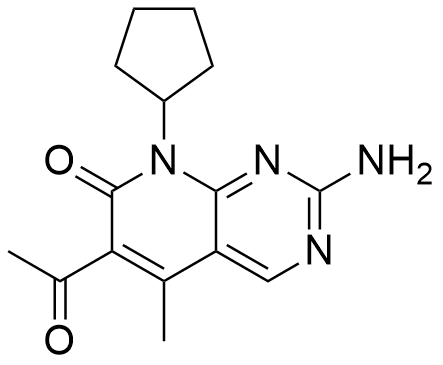
Palbociclib 125 mg capsule
Palbociclib is a high-purity small-molecule CDK4/6 inhibitor supplied at 125 mg per vial, specifically formulated for laboratory research and in vitro mechanistic studies. Produced via factory-controlled processes, it ensures high reproducibility and consistent performance for protein interaction assays, signaling pathway analysis, and molecular mechanism research. Strictly for research use only.
$2.00Iparomlimab and Tuvonralimab 50 mg/2 mL Solution
Iparomlimab and Tuvonralimab is a high-purity monoclonal antibody solution supplied at 50 mg/2 mL by factory manufacturing with low-price wholesale availability. Designed exclusively for in vitro molecular mechanism studies, protein interaction assays, and signaling pathway research, it provides reproducible and reliable experimental performance. Strictly for laboratory research use. $1.00Telpegfilgrastim Solution 99% High purity | Factory manufactured
High-purity Telpegfilgrastim Solution, factory-manufactured for in vitro molecular mechanism studies and biochemical pathway research. Supplied as a stable solution, ideal for laboratories requiring bulk, wholesale, or customized research-grade supply. $2.00Granisetron Hydrochloride Dispersible 1mg
High-purity Granisetron Hydrochloride Dispersible is a factory-manufactured research reagent optimized for in vitro receptor binding studies, 5-HT3 receptor mechanistic analysis, and molecular signaling research. Available for bulk and wholesale laboratory use with batch-verified purity and reproducible performance. $1.00



Reviews
There are no reviews yet.