
No products in the cart.
Sale
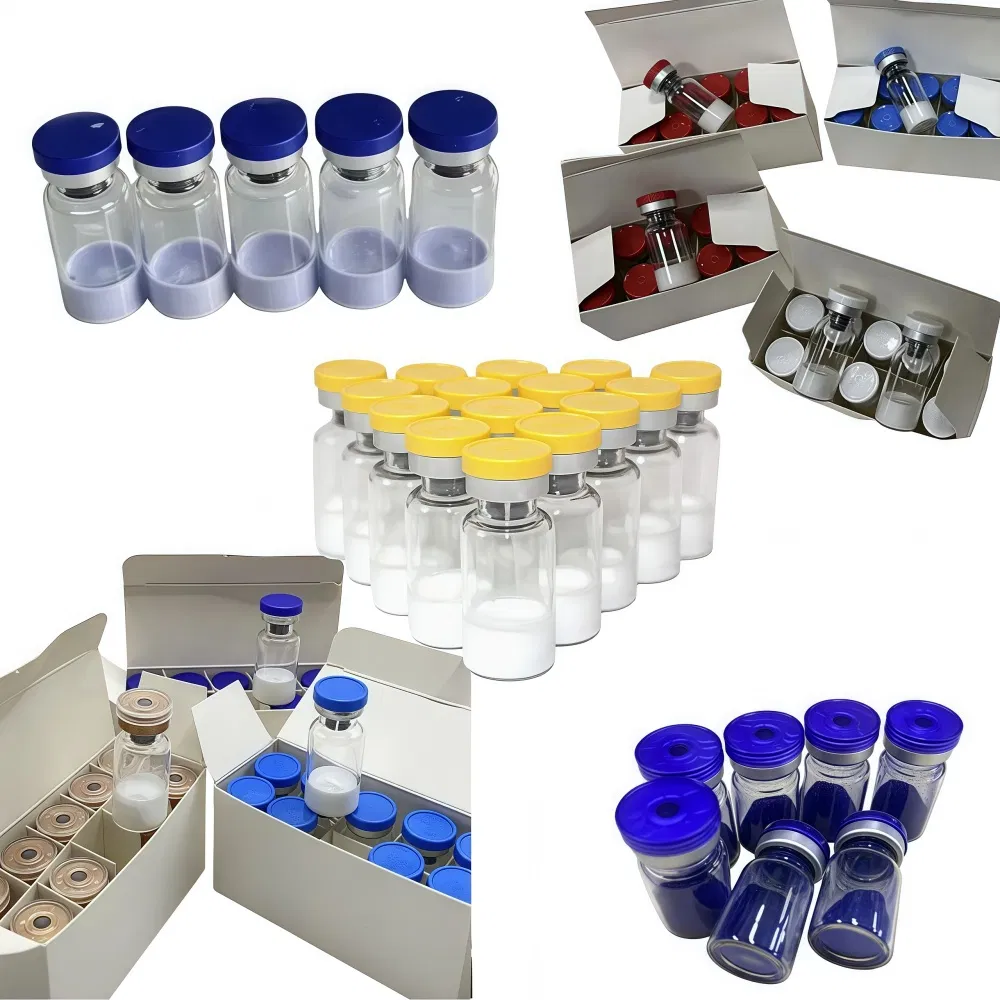
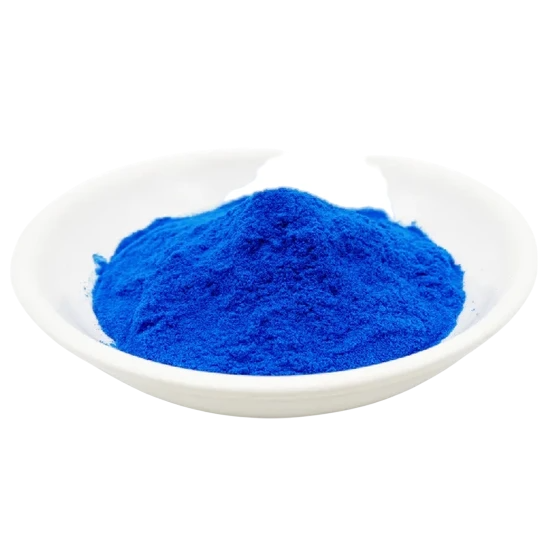
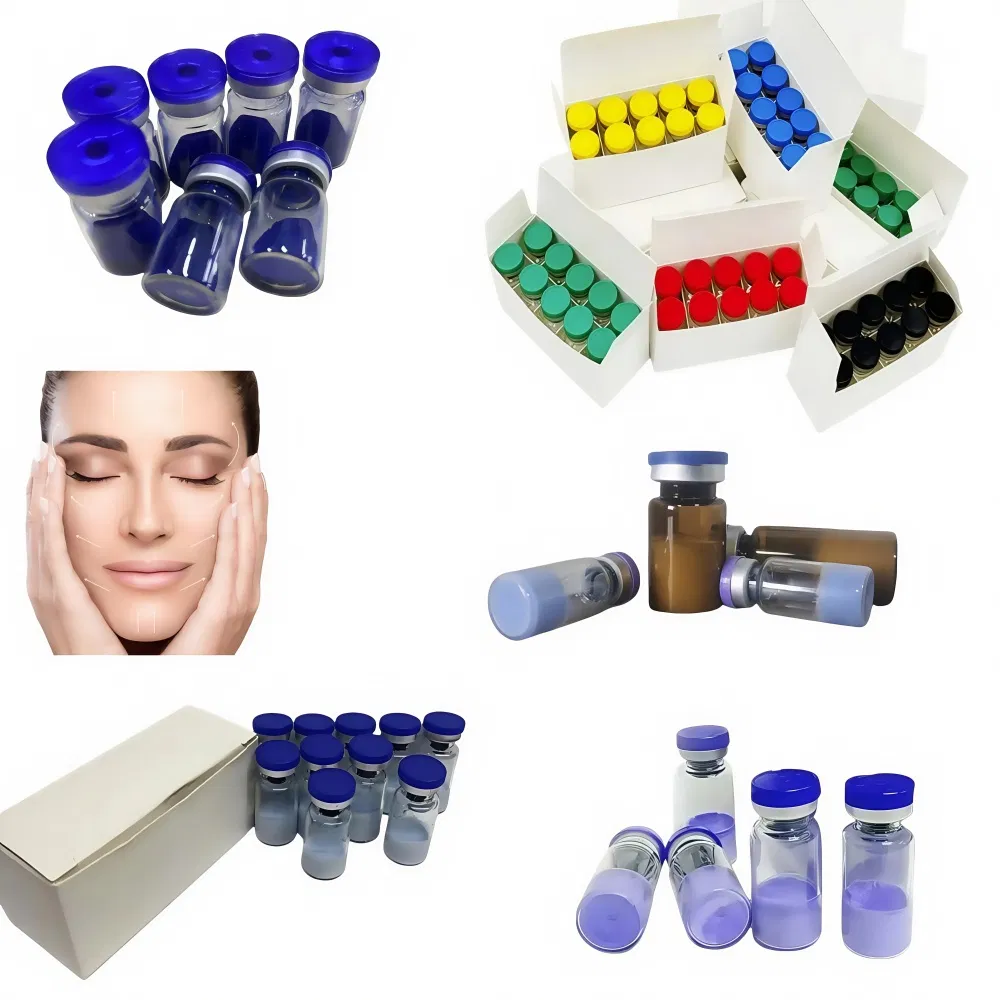
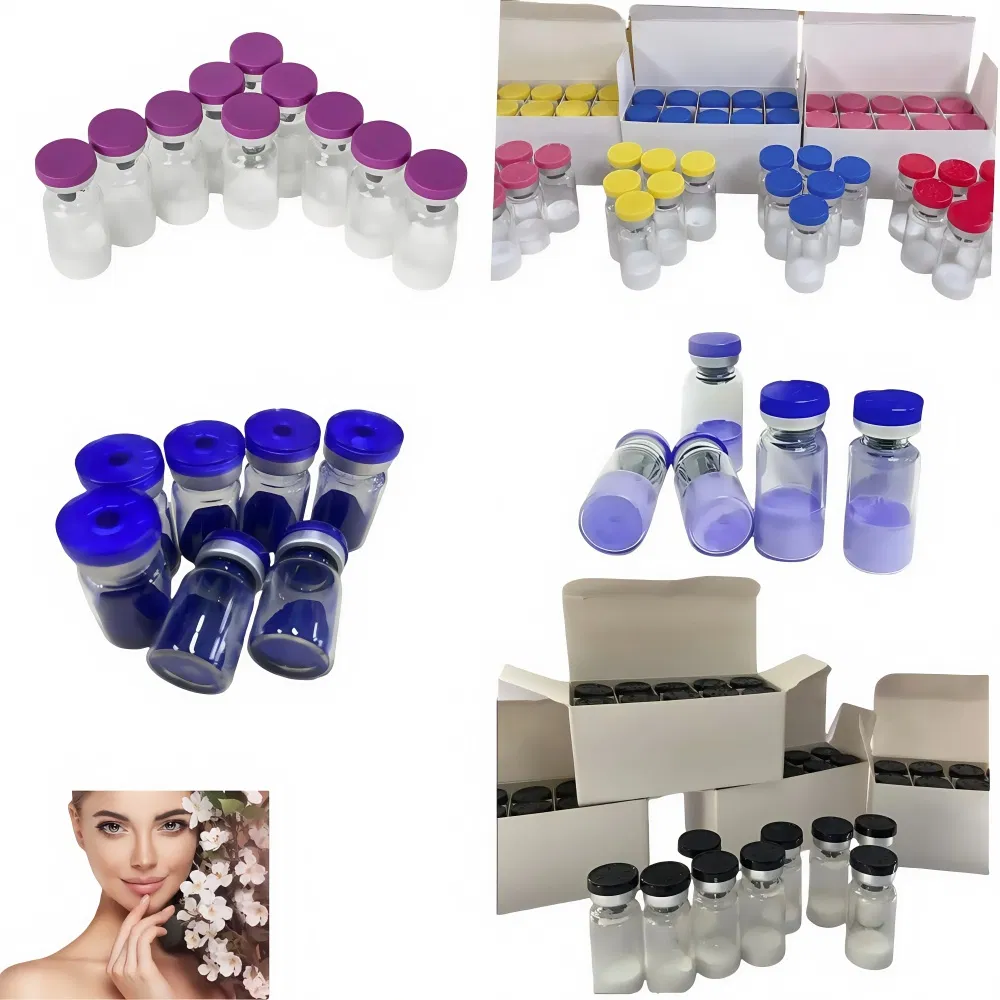
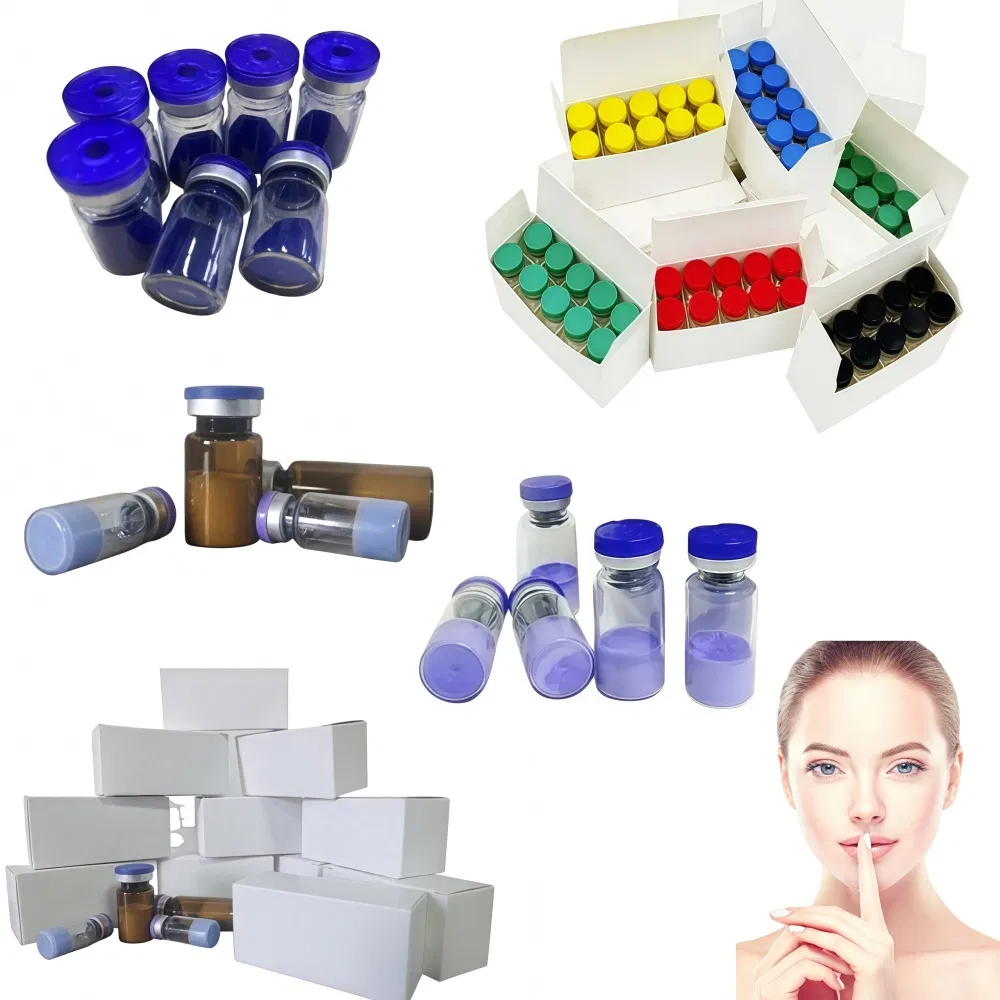
GHK-Cu (Copper Peptide) Powder – High-Purity Peptide | Factory Manufacturing & Wholesale Supply
Original price was: $23.00.$18.00Current price is: $18.00.
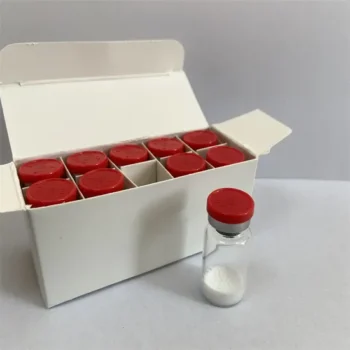
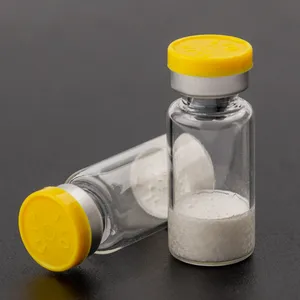
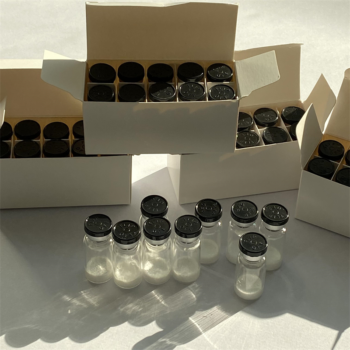
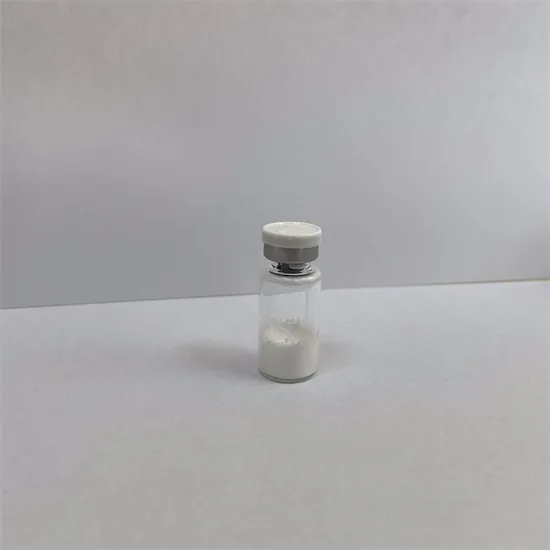
GHK-Cu is a high-purity copper tripeptide widely used in research on wound healing, tissue regeneration, and cellular repair mechanisms. Produced under GMP-compliant conditions, it is available in bulk for research institutions, with COA, MSDS, and QC documentation ensuring reproducible laboratory results.

Description
Contents
hide
Product Description
GHK-Cu (glycyl-L-histidyl-L-lysine copper complex) is a naturally occurring tripeptide bound to copper ions that exhibits diverse biological activities relevant to tissue regeneration, wound repair, anti-inflammatory response, and cellular signaling. The peptide has gained widespread attention in biomedical research for its ability to modulate gene expression, stimulate collagen synthesis, promote angiogenesis, and support skin and connective tissue remodeling. In vitro studies demonstrate that GHK-Cu influences fibroblast proliferation, keratinocyte migration, and extracellular matrix protein production, making it a valuable tool for regenerative medicine and anti-aging research.
GHK-Cu exerts its effects by delivering copper ions to biological systems, which are critical cofactors for enzymes such as lysyl oxidase, superoxide dismutase, and cytochrome c oxidase. These enzymes play key roles in collagen crosslinking, oxidative stress modulation, and cellular energy metabolism. The peptide also regulates gene expression related to tissue remodeling, inflammation, and cellular proliferation, highlighting its utility in wound healing models, dermatological studies, and tissue engineering applications.
Manufactured under GMP-grade conditions, GHK-Cu powder ensures high purity (>98%) and reproducibility across experimental studies. Each batch undergoes HPLC, mass spectrometry, and endotoxin testing, with full documentation including COA and MSDS, enabling reliable integration into in vitro and in vivo experiments. The lyophilized powder is stable at 2–8 °C and can be reconstituted in sterile water or buffer systems for precise experimental dosing.
Researchers commonly employ GHK-Cu in studies investigating angiogenesis, stem cell modulation, tissue regeneration, and cellular repair mechanisms, as well as in the development of peptide-based therapeutic strategies. Its compatibility with high-throughput screening, multi-omic analysis, and organ-on-chip platforms allows comprehensive evaluation of cellular responses to copper peptide signaling.
Factory production enables cost-effective bulk supply and OEM customization for research laboratories, biotechnology companies, and contract research organizations. High-purity GHK-Cu continues to serve as a benchmark peptide in regenerative and tissue repair studies, providing reproducible biological effects and facilitating translation from cellular assays to preclinical models.
Product Specifications
| Parameter | Details |
|---|---|
| Product Name | GHK-Cu (Copper Peptide) |
| CAS Number | 49557-75-7 |
| Molecular Formula | C<sub>14</sub>H<sub>24</sub>N<sub>6</sub>O<sub>4</sub>Cu |
| Molecular Weight | 340.8 Da |
| Sequence | Glycyl-L-Histidyl-L-Lysine copper complex |
| Purity | ≥98% (HPLC) |
| Form | Lyophilized Powder |
| Appearance | White to off-white powder |
| Solubility | Soluble in sterile water or PBS |
| Storage Temperature | 2–8 °C |
| Stability | Stable for ≥24 months under recommended storage |
| Endotoxin Level | <0.1 EU/mg |
| Source | Synthetic, GMP-grade peptide synthesis |
| Packaging Options | 1 mg, 5 mg, 10 mg, custom bulk OEM |
Notes :
GHK-Cu is synthesized using GMP-compliant peptide synthesis to ensure high purity, reproducibility, and biological activity. Lyophilized powder is stable at 2–8 °C, minimizing degradation and facilitating precise reconstitution for research use. HPLC and mass spectrometry validate peptide identity, purity, and copper incorporation, while endotoxin testing guarantees suitability for in vitro and in vivo studies.
The peptide is highly soluble in sterile water or PBS, enabling accurate preparation of experimental concentrations for studies on wound healing, tissue regeneration, fibroblast proliferation, and angiogenesis. Its predictable biological activity allows integration into multi-omic analysis, high-throughput screening, organ-on-chip models, and translational research workflows, supporting robust and reproducible outcomes.
Bulk production with OEM and custom packaging options ensures cost-effective supply for academic and industrial laboratories. Each batch comes with comprehensive COA, MSDS, and QC documentation, ensuring traceability, regulatory compliance, and consistent performance. GHK-Cu’s well-characterized effects on cellular repair, extracellular matrix remodeling, and tissue regeneration make it a foundational reagent for regenerative medicine, dermatological research, and peptide-based therapeutic development.
Mechanism of Action
GHK-Cu (Copper Peptide) is a naturally occurring tripeptide complex composed of glycyl-L-histidyl-L-lysine bound to copper ions, exhibiting multiple biological effects that are highly relevant in wound healing, tissue regeneration, and cellular repair. Its mechanism of action involves both the delivery of bioavailable copper ions to tissues and direct modulation of cellular signaling pathways that regulate gene expression, extracellular matrix production, and cellular proliferation.
Upon administration, GHK-Cu interacts with cell surface receptors and extracellular matrix components, facilitating cellular uptake of copper ions, which serve as cofactors for critical enzymes such as lysyl oxidase, superoxide dismutase (SOD), and cytochrome c oxidase. Lysyl oxidase catalyzes collagen and elastin crosslinking, promoting structural integrity in skin, connective tissue, and blood vessels. SOD reduces oxidative stress by neutralizing reactive oxygen species (ROS), thereby supporting cell survival and tissue repair. Cytochrome c oxidase contributes to mitochondrial energy production, enhancing cellular metabolism during regenerative processes.
GHK-Cu also modulates gene expression related to tissue remodeling, inflammation, angiogenesis, and cellular proliferation. Transcriptomic and proteomic studies have shown that it upregulates genes involved in collagen synthesis, matrix metalloproteinase regulation, and growth factor signaling, while simultaneously downregulating pro-inflammatory genes. These effects accelerate wound closure, promote fibroblast and keratinocyte migration, and enhance vascularization, making GHK-Cu a key peptide in dermatological and regenerative medicine research.
In vitro and in vivo research demonstrates that GHK-Cu influences angiogenesis, extracellular matrix remodeling, and cellular senescence, providing reproducible outcomes in tissue repair studies. Its dose-dependent, concentration-specific effects allow precise modulation of cellular pathways, which is critical for mechanistic studies, high-throughput screening, and preclinical model development.
Additionally, GHK-Cu is compatible with multi-omic analyses and computational modeling, allowing researchers to integrate gene expression, protein signaling, and metabolomic data to understand its systemic effects on tissue regeneration. By combining copper delivery with transcriptional modulation and enzymatic activation, GHK-Cu serves as a robust tool for investigating cellular repair mechanisms, extracellular matrix dynamics, and tissue engineering applications.
Overall, GHK-Cu’s dual function—copper ion transport and gene/protein modulation—makes it an essential reagent for laboratory research focused on wound healing, skin regeneration, anti-aging studies, and therapeutic peptide development. Its predictable biological activity and high reproducibility support rigorous experimental design and translational research efforts.
Applications
GHK-Cu (Copper Peptide) Powder is widely utilized in laboratory research for studies focused on wound healing, tissue regeneration, and cellular repair mechanisms. In vitro, it is commonly applied to fibroblast, keratinocyte, and endothelial cell cultures to evaluate effects on collagen synthesis, elastin formation, extracellular matrix remodeling, and angiogenesis. These studies provide critical insights into dermatological repair, anti-aging research, and regenerative medicine, where precise modulation of cellular processes is essential.
In vivo, GHK-Cu serves as a model peptide in rodent wound healing and skin regeneration studies, supporting analyses of tissue repair kinetics, scar formation, and vascularization. Researchers employ controlled dosing to examine dose-dependent effects on fibroblast proliferation, keratinocyte migration, and angiogenesis, which are critical for validating therapeutic strategies in tissue engineering and regenerative applications.
GHK-Cu is also highly compatible with organ-on-chip and 3D tissue models, enabling mechanistic studies of tissue repair and vascular remodeling under physiologically relevant conditions. Integration into these systems allows researchers to study cellular crosstalk, extracellular matrix deposition, and copper-dependent enzymatic activity, providing a platform for translational and mechanistic research.
The peptide’s ability to modulate gene expression, growth factor signaling, and matrix metalloproteinases makes it suitable for multi-omic research, including transcriptomics, proteomics, and metabolomics analyses. High-purity GHK-Cu enables reproducible activation of regenerative pathways, supporting studies on cellular senescence, oxidative stress reduction, and extracellular matrix stabilization.
Additionally, GHK-Cu is employed in pharmacological and high-throughput screening studies to evaluate novel regenerative compounds or peptide analogs. Its predictable, dose-dependent activity ensures consistent results for comparative analyses, and its compatibility with bulk supply and OEM customization allows cost-effective implementation in large-scale research programs.
Overall, GHK-Cu serves as a foundational peptide reagent for investigating tissue repair, angiogenesis, skin regeneration, and peptide-based therapeutic development, supporting both mechanistic studies and translational applications in regenerative medicine.
Research Models
GHK-Cu (Copper Peptide) Powder is extensively applied across in vitro and in vivo research models to investigate tissue regeneration, wound healing, and cellular repair. In vitro, it is commonly used in fibroblast, keratinocyte, and endothelial cell cultures to evaluate collagen synthesis, elastin formation, extracellular matrix remodeling, and angiogenic responses. These models allow precise examination of dose-dependent effects on cell proliferation, migration, and gene expression, providing mechanistic insights into regenerative biology and dermatological research.
In vivo, GHK-Cu is utilized in rodent models of wound healing and skin repair, including excisional wound and burn injury studies. These models enable monitoring of tissue repair kinetics, vascularization, collagen deposition, and scar formation, providing valuable data on the peptide’s regenerative efficacy. Controlled dosing and time-course experiments help determine optimal concentrations for promoting fibroblast proliferation, keratinocyte migration, and angiogenesis, which are critical for translational studies in regenerative medicine.
GHK-Cu is also compatible with 3D tissue constructs and organ-on-chip platforms, allowing investigation of cellular interactions, extracellular matrix deposition, and copper-dependent enzymatic activity under physiologically relevant conditions. These advanced models support multi-layered analysis of tissue repair mechanisms and enable integration with transcriptomic, proteomic, and metabolomic workflows to evaluate the molecular effects of copper peptide treatment.
Furthermore, GHK-Cu serves as a benchmark peptide for screening novel regenerative compounds or peptide analogs. Its predictable activity ensures reproducibility and facilitates comparisons across experimental models. High-purity, GMP-grade production and OEM/custom packaging options make it suitable for both academic and industrial research applications, ensuring consistent results across studies.
Overall, GHK-Cu provides a versatile and reliable reagent for mechanistic studies, preclinical wound healing research, tissue engineering, and regenerative medicine models, supporting robust experimental outcomes and translational applications in laboratory research.
Experimental Design Considerations
When designing experiments with GHK-Cu (Copper Peptide) Powder, careful attention to dose, exposure time, and model selection is critical for reproducibility and accurate interpretation of results. In cell-based assays, peptide concentrations should be optimized to stimulate fibroblast proliferation, keratinocyte migration, and extracellular matrix synthesis without causing cytotoxicity or off-target effects. Time-course studies are recommended to capture both immediate cellular responses, such as angiogenic signaling, and longer-term gene expression changes related to tissue repair.
For in vivo studies, GHK-Cu dosing should consider species-specific metabolism, tissue penetration, and route of administration. Rodent wound healing models often employ topical or subcutaneous administration, with monitoring of wound closure, collagen deposition, and vascularization. Proper titration ensures effective stimulation of regenerative pathways while avoiding potential copper toxicity. Multi-timepoint sampling allows analysis of dynamic molecular and physiological responses to peptide treatment.
Integration with multi-omic analyses further impacts experimental design. Transcriptomics, proteomics, and metabolomics require precise coordination of peptide exposure, tissue collection, and sample preparation to generate meaningful data. Using high-purity, GMP-grade GHK-Cu reduces variability and ensures consistent activation of enzymes, signaling pathways, and extracellular matrix remodeling mechanisms across replicates and batches.
For high-throughput or pharmacological screening, GHK-Cu can serve as a reference peptide to benchmark novel compounds, peptide analogs, or regenerative therapeutics. Proper peptide reconstitution, aliquoting, and storage (2–8 °C for lyophilized powder) are essential to maintain stability and bioactivity. Consideration should also be given to potential interactions with buffers, solvents, or other experimental reagents that could affect peptide function.
Overall, meticulous experimental design using GHK-Cu—including dose optimization, timing, model selection, and multi-omic integration—maximizes data quality, reproducibility, and relevance in studies of wound healing, tissue regeneration, and cellular repair mechanisms.
Laboratory Safety & Handling Guidelines
Handling GHK-Cu (Copper Peptide) Powder in laboratory settings requires adherence to biosafety, storage, and handling protocols to maintain peptide integrity and ensure researcher safety. Although GHK-Cu is a research-grade peptide and not hazardous in small-scale handling, standard laboratory precautions should be applied, including the use of personal protective equipment (PPE) such as gloves, lab coats, and eye protection to prevent accidental contact or contamination. Aerosolization should be avoided, and all handling should be performed in clean, designated laboratory areas.
Lyophilized GHK-Cu powder should be stored at 2–8 °C, protected from moisture, light, and repeated freeze–thaw cycles to preserve biological activity. Upon reconstitution in sterile water or buffer, aliquots should be prepared to minimize repeated handling. Proper labeling with peptide name, lot number, concentration, and storage conditions ensures traceability and regulatory compliance.
Researchers should avoid contact with strong acids, bases, or oxidizing agents, which may degrade the peptide or alter copper bioavailability. Work surfaces, pipettes, and other laboratory tools should be decontaminated regularly, and all waste should be disposed of according to institutional protocols for bioactive peptides. For in vivo experiments, proper animal handling, injection safety, and monitoring of physiological responses are essential to maintain reproducibility and animal welfare.
GHK-Cu may influence cell proliferation, extracellular matrix synthesis, and copper-dependent enzymatic activity. Even in controlled laboratory use, personnel should be trained in correct pipetting, reconstitution, and handling techniques to prevent experimental variability and maintain safety. Adhering to these laboratory safety and handling guidelines ensures reproducible outcomes, peptide stability, and compliance with institutional and regulatory standards.
Integration with Multi-Omic & Computational Studies
GHK-Cu (Copper Peptide) Powder is highly suitable for integration into multi-omic and computational research workflows to study tissue regeneration, wound healing, and cellular repair mechanisms. In transcriptomic studies, GHK-Cu treatment of fibroblasts, keratinocytes, and endothelial cells allows researchers to identify gene expression changes related to extracellular matrix remodeling, angiogenesis, and growth factor signaling. These transcriptional profiles can be correlated with proteomic and phosphoproteomic data to elucidate peptide-induced signaling networks and cellular responses.
In proteomics, GHK-Cu enables the quantitative assessment of protein expression, enzyme activation, and post-translational modifications, particularly in pathways regulated by lysyl oxidase, superoxide dismutase, and collagen biosynthesis enzymes. Metabolomics further complements these studies by revealing changes in copper-dependent metabolic processes, redox balance, and energy metabolism within regenerating tissues. Integration of these datasets provides a systems-level understanding of peptide function, allowing researchers to map complex cellular interactions and regenerative pathways.
GHK-Cu can also be incorporated into computational models and network analyses, where experimental omics data inform simulations of cellular behavior, tissue repair kinetics, and enzymatic activity. Machine learning and systems biology approaches can leverage GHK-Cu datasets to predict dose-response effects, tissue-specific signaling outcomes, and synergistic effects with other regenerative compounds.
Its high-purity and reproducibility make GHK-Cu compatible with high-throughput screening, organ-on-chip systems, and 3D tissue models, allowing researchers to bridge molecular insights with physiologically relevant functional outcomes. By combining experimental multi-omic data with computational modeling, researchers can uncover novel insights into extracellular matrix dynamics, angiogenesis, copper-dependent enzymatic regulation, and tissue repair processes.
Overall, GHK-Cu serves as a robust tool for integrating experimental and computational approaches, supporting advanced research in regenerative medicine, wound healing, and peptide-based therapeutic development.
Keywords
GHK-Cu, Copper Peptide, high-purity peptide, GMP-grade peptide, tissue regeneration, wound healing, extracellular matrix remodeling, fibroblast proliferation, keratinocyte migration, angiogenesis research, cellular repair, peptide research, OEM peptide, laboratory research, peptide powder wholesale
Shipping Guarantee
All shipments of GHK-Cu (Copper Peptide) Powder use temperature-controlled packaging (2–8 °C) with moisture protection to preserve peptide stability and activity. Tamper-evident containers and secure handling ensure product integrity during transit. Each order includes tracking, batch documentation, and quality verification to guarantee reproducible delivery. Global shipping is optimized for safe and timely arrival to research laboratories.
Trade Assurance
Factory-direct supply guarantees high-purity, GMP-grade GHK-Cu with consistent batch quality. Bulk quantities, OEM customization, and custom packaging are available to meet diverse research requirements. Each shipment is accompanied by COA, MSDS, and QC documentation, ensuring traceability and regulatory compliance. Researchers can rely on secure procurement with guaranteed product quality and on-time delivery.
Payment Support
We provide multiple secure international payment options, including bank transfer, corporate credit, PayPal, major credit cards, and cryptocurrency for eligible customers. Bulk, multi-unit, and OEM orders can benefit from flexible payment arrangements tailored to institutional or commercial research projects. All transactions are fully documented to ensure transparency, traceability, and compliance. Our systems are designed for efficient and reliable global procurement of high-purity research peptides.
Disclaimer
GHK-Cu (Copper Peptide) Powder is intended for laboratory research use only. It is not for human or veterinary use, clinical applications, or consumption. Users must adhere to institutional biosafety and regulatory protocols when handling this peptide. All experimental applications should be confined to controlled laboratory settings in accordance with local laws and safety standards.
References
PubChem – GHK-Cu
Chemical and structural information on GHK-Cu (Copper Peptide).NCBI Bookshelf – Copper Peptides in Tissue Regeneration
Overview of copper peptide biology and regenerative applications.ScienceDirect – GHK-Cu and Wound Healing
Comprehensive review of GHK-Cu in cellular repair and tissue regeneration research.UniProt – GHK-Cu Related Proteins
Protein interactions and biological activity related to copper peptides.RCSB Protein Data Bank – Copper Binding Peptides
Structural data on copper-peptide complexes.

Additional information
| Weight | 1 kg |
|---|---|
| Dimensions | 26 × 23 × 26 cm |
1. What research applications is GHK-Cu used for?
GHK-Cu is widely used to study wound healing, tissue regeneration, angiogenesis, and extracellular matrix remodeling. It also serves as a benchmark peptide for investigating cellular repair and regenerative mechanisms in vitro and in vivo.
2. What is the purity of GHK-Cu?
Our GHK-Cu is ≥99% pure, verified by HPLC and mass spectrometry. High purity ensures reproducibility, minimal off-target effects, and reliable experimental outcomes.
3. Can GHK-Cu be used in animal studies?
Yes, it is suitable for rodent wound healing and tissue regeneration models. Researchers should monitor dosage and physiological responses to avoid copper toxicity and ensure reproducible results.
4. How should GHK-Cu be reconstituted?
Lyophilized GHK-Cu should be reconstituted in sterile water or buffer and aliquoted to prevent repeated freeze–thaw cycles. Proper aseptic technique ensures experimental reliability.
5. What are the recommended storage conditions?
Store lyophilized GHK-Cu at 2–8 °C. After reconstitution, aliquots should be frozen at −20 °C or lower and protected from light to maintain biological activity.
6. Is GHK-Cu compatible with high-throughput screening?
Yes, its consistent activation of regenerative and angiogenic pathways makes it ideal for high-throughput assays testing peptide analogs or other therapeutic compounds.
7. Can GHK-Cu be integrated into multi-omic studies?
Absolutely. GHK-Cu can be used in transcriptomic, proteomic, and metabolomic workflows to study molecular responses in tissue regeneration and cellular repair.
8. Are there any observed effects in research models?
Experimental models may show dose-dependent cellular responses, including fibroblast proliferation, keratinocyte migration, and enhanced collagen synthesis. Effects are generally reversible and model-dependent.
9. Can bulk or custom orders be fulfilled?
Yes, bulk quantities and OEM customization are available. Each batch comes with full documentation, including COA, MSDS, and QC reports.
10. How is shipment tracked and guaranteed?
All orders include temperature-controlled packaging, tracking, and batch documentation, ensuring the peptide arrives intact and ready for reproducible laboratory use.
Related products
USA-Peptide-Janoshik Lyophilized Peptide Raw Powder for Muscle Building & Weight Loss
Lyophilized peptide raw powder Moq:10 vials per box Appearance:Lyophilized powder Original price was: $32.00.$24.00Current price is: $24.00.Semaglutide Raw Material Factory: Low-Price Wholesale for High-Purity Peptides
Semaglutide Compound CID: 56843331 MF: C187H291N45O59Purity: 99%
Form: Lyophilized powder
Dosage Options: 5mg, 10mg, 15mg per vial
Packaging: Secure box packaging
Shelf Life: 2 years (store in a cool, dry place)
MOQ: 1 box
Wholesale 99% Purity Epitalon Peptide Raw Powder for Skin Repair
Epitalon Peptide Raw Powder for Skin Repair Original price was: $33.00.$22.00Current price is: $22.00.High Purity 99.9% Weight Loss Peptide – Raw Material Factory Wholesale at Low Price
Weight Loss Peptide Appearance:Lyophilized powder Grade Standard:Top Quality Original price was: $12.00.$9.80Current price is: $9.80.

Reviews
There are no reviews yet.