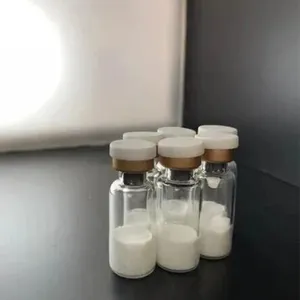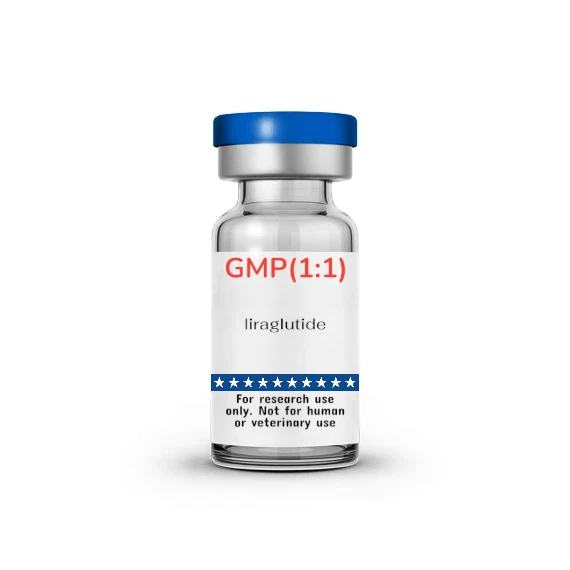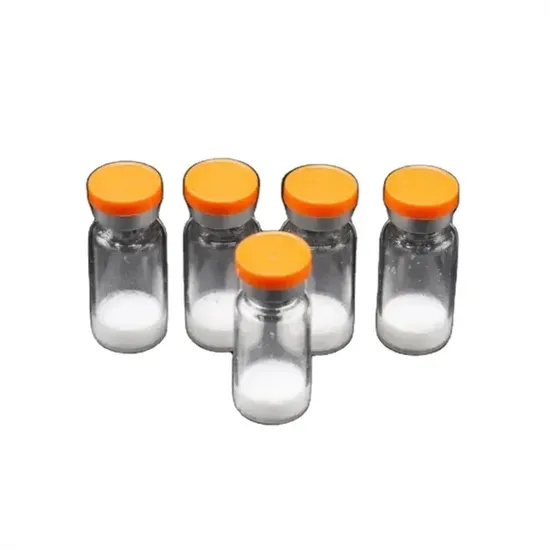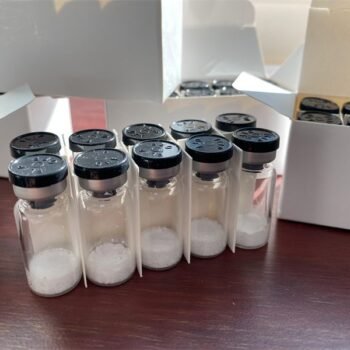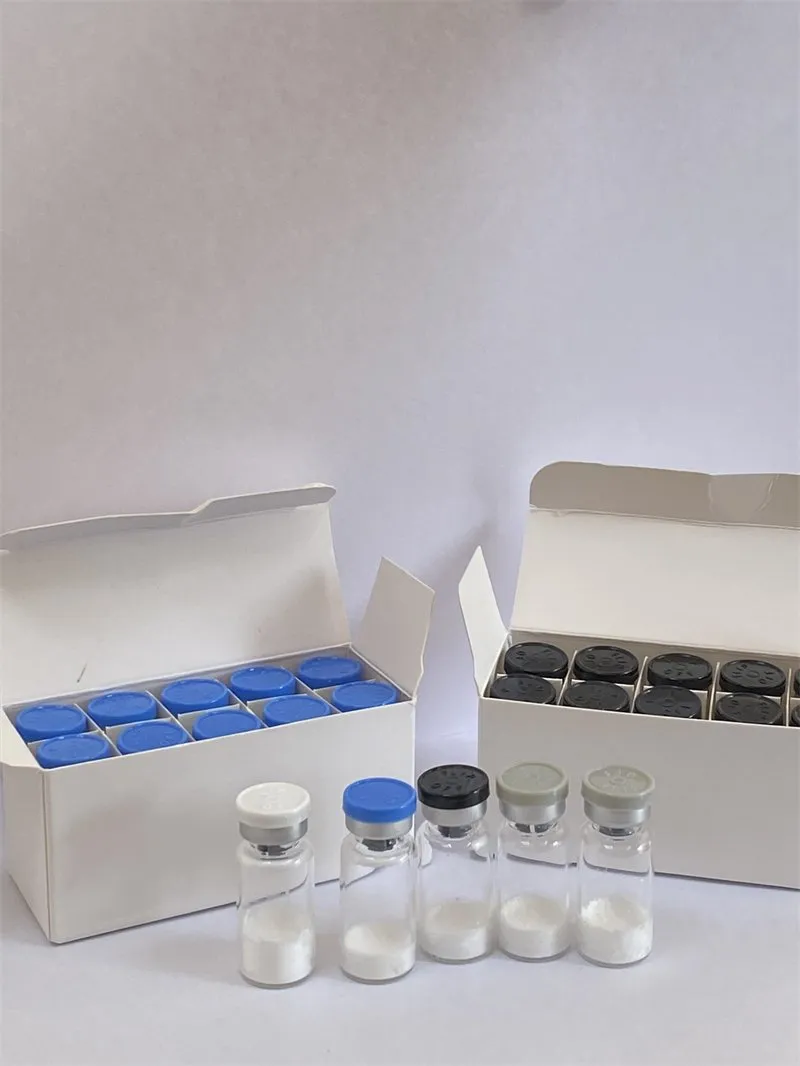
Liraglutide (CAS 204656-20-2) Sterile Solution | For research use only

Sale

Liraglutide (CAS 204656-20-2) Sterile Solution | For research use only

Original price was: $38.00.Current price is: $36.00.

Liraglutide (CAS 204656-20-2) Sterile Solution is a high-purity, research-grade GLP-1 receptor agonist peptide prepared in a stabilized sterile solution. Designed for precise metabolic, endocrine, and pharmacological studies, it supports consistent receptor activation and reliable experimental outcomes in vitro and in vivo. (For research use only. Not for human or veterinary use.)

EMI starting from $0.00/month - View Plans
Compare

Description

Product Description

Liraglutide (CAS 204656-20-2) Sterile Solution is a stabilized, research-grade GLP-1 (glucagon-like peptide-1) receptor agonist suitable for preclinical and laboratory studies. Liraglutide is a 31-amino-acid peptide analogue of native GLP-1 with a fatty acid modification that extends its half-life, enhancing receptor engagement and downstream signaling in hepatocytes, pancreatic β-cells, and other target tissues. This sterile solution ensures precise dosing, high reproducibility, and immediate usability for both in vitro and in vivo experiments, avoiding variability associated with reconstitution from lyophilized forms.

In metabolic and endocrine research, Liraglutide acts as a potent activator of the GLP-1 receptor (GLP1R), stimulating cAMP production, PKA activation, and downstream transcriptional programs related to insulin secretion, β-cell proliferation, and glucose uptake. It is extensively used to model glycemic control, study pancreatic islet function, explore weight regulation pathways, and assess cardiovascular and hepatic metabolic effects. Researchers can investigate GLP1R-mediated mechanisms of energy homeostasis, insulinotropic responses, and inter-organ metabolic crosstalk in controlled experimental settings.

This sterile solution is manufactured under GMP-aligned conditions to guarantee high purity (≥98%), structural integrity, sterility, and low endotoxin levels. Each batch undergoes HPLC, mass spectrometry, amino acid analysis, and sterility testing. Bulk and OEM options allow laboratories to obtain customized concentrations, vial sizes, and buffer formulations suitable for automated systems or high-throughput studies.

By providing a stable, ready-to-use peptide, Liraglutide (CAS 204656-20-2) Sterile Solution minimizes handling errors, preserves bioactivity, and ensures reproducible experimental results. It supports advanced applications including metabolic flux studies, insulin secretion assays, GLP1R pharmacology, and multi-omic analysis. Its use in both cellular and animal models accelerates research into diabetes, obesity, metabolic syndrome, and therapeutic GLP-1 receptor modulation.


Product Specifications

ParameterDetails
Product NameLiraglutide (CAS 204656-20-2) Sterile Solution
CAS Number204656-20-2
Molecular FormulaC172H265N43O51
Molecular Weight3751.2 g/mol
SequenceHAEGTFTSDVSSYLEGQAAKEFIAWLVKGRGFFYTPKT
FormSterile aqueous solution
Purity≥ 98% (HPLC)
ConcentrationCustomizable (e.g., 0.1 mg/mL, 1 mg/mL)
AppearanceClear, colorless solution
Sterility0.22 μm sterile-filtered
Endotoxin< 0.1 EU/µg
pH Range3.0–4.5 (stabilized)
Storage Conditions–20°C long-term storage
Shelf Life12–24 months depending on concentration
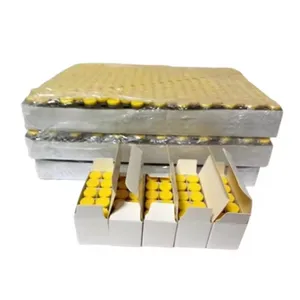
Packaging Options1–100 mL vials; OEM bulk containers
COA, MSDS, QC ReportsProvided with each batch

Notes:
All batches are verified with orthogonal techniques including HPLC, mass spectrometry, and amino acid sequencing to ensure consistency. Bulk and custom formulations support high-throughput and automated laboratory systems. OEM services allow tailoring of concentration, excipients, and vial size to suit research needs.


Mechanism of Action

Liraglutide is a long-acting glucagon-like peptide-1 (GLP-1) receptor agonist that mimics the activity of endogenous GLP-1 while offering extended stability and half-life due to its fatty acid acylation. Upon binding to the GLP-1 receptor (GLP1R), a G-protein–coupled receptor expressed predominantly on pancreatic β-cells, hepatocytes, and certain neurons, Liraglutide activates the Gαs protein, leading to increased intracellular cAMP levels. This triggers protein kinase A (PKA) and Epac2 pathways, ultimately enhancing insulin gene transcription, insulin secretion, and β-cell survival.

In addition to stimulating insulin release, Liraglutide suppresses glucagon secretion in a glucose-dependent manner, improving glycemic control without causing hypoglycemia. Its action also slows gastric emptying, modulates appetite centers in the hypothalamus, and promotes satiety, which has implications for weight regulation research. Downstream effects include enhanced glucose uptake by peripheral tissues, increased β-cell proliferation, and protection against apoptosis in metabolic stress conditions.

Liraglutide’s pharmacological activity is dose- and time-dependent, with prolonged receptor occupancy and sustained intracellular signaling, which is critical for both chronic in vivo studies and acute in vitro experiments. In hepatocyte and multi-organ models, Liraglutide can modulate gene expression networks associated with glucose production, lipid metabolism, and mitochondrial energy balance. Its high specificity for GLP1R ensures predictable receptor engagement, making it ideal for preclinical metabolic, endocrine, and pharmacological research.

By providing a consistent, sterile, and ready-to-use solution, this formulation minimizes variability in experimental outcomes, allowing reproducible activation of GLP1R-dependent pathways and supporting studies on insulinotropic activity, hepatic glucose regulation, appetite control, and multi-organ metabolic signaling.

liraglutide
liraglutide

Applications

Liraglutide (CAS 204656-20-2) Sterile Solution has broad applications across metabolic, endocrine, pharmacological, and multi-organ research. In diabetes and metabolic disorder studies, it is used to evaluate insulinotropic responses, β-cell function, glucose homeostasis, and glucagon suppression in both in vitro and in vivo models. Its ability to enhance insulin secretion and reduce glucagon levels makes it a critical tool for investigating type 2 diabetes, obesity-related insulin resistance, and therapeutic GLP-1 receptor modulation.

In pancreatic islet research, Liraglutide supports studies of α- and β-cell crosstalk, glucose-stimulated insulin secretion, β-cell proliferation, and apoptosis protection. Researchers can use the sterile solution to model hormone-driven feedback loops and study the effect of chronic or acute GLP-1 receptor activation on islet physiology.

For hepatic and metabolic studies, Liraglutide modulates glucose production, lipid metabolism, and mitochondrial function. In hepatocytes and liver organoid systems, it provides precise control over receptor-mediated signaling and downstream metabolic pathways. Its application in in vivo rodent models enables dynamic monitoring of glycemic responses, weight regulation, and energy expenditure, while also serving as a reference compound in GLP-1 receptor-targeted drug discovery.

Liraglutide is also extensively used in multi-omic studies, including transcriptomics, metabolomics, proteomics, and lipidomics. It enables researchers to map comprehensive molecular responses to GLP-1 receptor activation, study insulinotropic and glucoregulatory signaling networks, and integrate these data into computational models of systemic metabolism. The sterile solution’s high purity, stability, and reproducibility make it ideal for both acute signaling studies and long-term chronic experiments in advanced metabolic research platforms.


Research Models 

Liraglutide (CAS 204656-20-2) Sterile Solution is widely applied in both in vivo and in vitro research models due to its potent GLP-1 receptor (GLP1R) agonist activity. In rodent models, it is used to study glucose homeostasis, insulinotropic responses, and metabolic regulation under fasting, fed, or diabetic conditions. Mice and rats treated with Liraglutide show measurable improvements in β-cell function, enhanced insulin secretion, and suppression of glucagon, making it ideal for modeling type 2 diabetes, obesity, and insulin resistance. Its reproducible pharmacokinetic profile allows for time-course studies to assess acute versus chronic effects on glucose metabolism and energy balance.

In cell-based models, including pancreatic β-cells, hepatocytes, and primary islets, Liraglutide enables detailed investigation of receptor-mediated signaling pathways. Researchers can measure intracellular cAMP accumulation, PKA activation, CREB phosphorylation, and downstream transcriptional changes. Hepatocyte and organoid systems allow assessment of Liraglutide’s effects on gluconeogenesis, lipid metabolism, mitochondrial function, and metabolic stress responses. Its use in high-throughput in vitro screening facilitates evaluation of receptor agonist potency, pathway-specific inhibitors, and multi-agonist peptide compounds.

Liraglutide is also incorporated into systems biology and multi-omic studies, including transcriptomics, proteomics, metabolomics, and lipidomics. These models enable mapping of global molecular changes upon GLP1R activation and identification of metabolic control points. Additionally, its predictable receptor activation supports pharmacological screening platforms for novel GLP-1 analogs, receptor modulators, and combination peptide therapies.

Overall, Liraglutide Sterile Solution is versatile for a wide range of research models, from acute signaling studies to chronic disease modeling. Its high purity, sterile formulation, and consistent receptor activity make it an essential tool for laboratories investigating metabolic disorders, endocrine regulation, and therapeutic peptide development.


Experimental Design Considerations 

When designing experiments with Liraglutide Sterile Solution, careful consideration of dose, timing, experimental model, and receptor kinetics is essential for reproducible results. For in vivo studies, body weight, metabolic state, fasting duration, and species-specific sensitivity must be taken into account to achieve accurate pharmacological responses. Chronic or repeated dosing schedules should be optimized to avoid receptor desensitization, downregulation, or compensatory hormonal feedback. Acute experiments benefit from frequent time-point sampling to capture rapid changes in cAMP, insulin secretion, and glucose levels.

In vitro studies require attention to cell density, receptor expression, media composition, and nutrient availability, as these factors significantly influence GLP-1 receptor responsiveness. For hepatocytes, pancreatic β-cells, or islets, glucose and amino acid concentrations can affect Liraglutide-mediated signaling. Dose-response optimization is recommended to identify the minimal effective concentration while minimizing potential off-target effects.

Peptide handling is critical to maintain activity and sterility. Liraglutide is sensitive to oxidation, deamidation, and adsorption to plastic surfaces, so solutions should be thawed on ice, aliquoted promptly, and handled using low-binding tubes and tips. Avoid repeated freeze-thaw cycles, and ensure all instruments and containers are clean to prevent contamination.

For multi-hormone or combinatorial studies, sequence and timing of administration must be carefully planned to isolate GLP-1 receptor-specific effects. Integration with pharmacological inhibitors or receptor antagonists can help dissect downstream signaling pathways such as PKA, Epac2, and CREB.

Proper experimental design also involves including appropriate controls, such as vehicle-treated samples, untreated cells, or baseline measurements, to account for variability. Adhering to these considerations ensures reproducible results, accurate interpretation of Liraglutide’s effects, and reliable insights into metabolic, endocrine, and pharmacological mechanisms.


Laboratory Safety & Handling Guidelines 

Liraglutide Sterile Solution is intended exclusively for laboratory research use and should be handled under standard biosafety protocols. Researchers must wear appropriate personal protective equipment (PPE), including gloves, lab coats, and safety goggles, to prevent accidental contact with skin or mucous membranes. In the event of exposure, affected areas should be thoroughly rinsed with water, and institutional safety officers should be consulted if necessary.

All manipulations of Liraglutide should be performed in a designated work area or biosafety cabinet to minimize the risk of contamination and maintain sterility. The peptide solution must be stored at –20°C or lower, protected from light, and maintained in low-binding tubes to reduce adsorption and preserve activity. Repeated freeze–thaw cycles should be avoided to maintain peptide integrity, and aliquoting is recommended for long-term storage.

During experimental administration, researchers should avoid generating aerosols or spills, especially when working with small volumes in in vitro or in vivo models. Any waste, including residual peptide or contaminated consumables, should be disposed of according to local biosafety regulations for peptide-containing laboratory materials. Work surfaces and equipment should be decontaminated using 70% ethanol or other validated disinfectants after handling the solution.

Liraglutide Sterile Solution should never be used for human or veterinary applications, clinical interventions, or ingestion. Researchers must adhere strictly to institutional SOPs for storage, dilution, and experimental administration. Maintaining detailed documentation, including COA, MSDS, and batch QC reports, ensures traceability and supports compliance with internal quality standards.

Following these guidelines ensures safe handling while preserving the peptide’s bioactivity and sterility, enabling reproducible outcomes in metabolic, endocrine, and pharmacological research. Proper handling protocols minimize experimental variability and maximize the reliability of results in both in vitro and in vivo models.


Integration with Multi-Omic & Computational Studies

Liraglutide Sterile Solution is highly compatible with multi-omic research approaches, including transcriptomics, proteomics, metabolomics, and lipidomics, enabling comprehensive analysis of GLP-1 receptor signaling. Its stable and sterile formulation ensures consistent receptor activation, allowing researchers to generate reproducible datasets in both in vitro and in vivo models. Transcriptomic analyses can reveal Liraglutide-induced alterations in insulin gene expression, β-cell proliferation markers, and hepatic metabolic genes. Proteomics can identify phosphorylation events, PKA and Epac2 target modulation, and downstream enzyme regulation.

Metabolomic and lipidomic studies demonstrate Liraglutide’s effects on glucose utilization, glycogen storage, fatty acid oxidation, and energy metabolism. Using high-purity sterile solutions ensures consistent peptide concentration and activity, which is critical for data reproducibility across multi-omic platforms. Integration with computational modeling enables the construction of predictive GLP-1 receptor signaling networks, simulating systemic metabolic responses and informing potential therapeutic interventions.

This peptide solution also facilitates systems biology applications, such as modeling β-cell-glucose interactions, hepatocyte metabolism, and inter-organ metabolic crosstalk. High-throughput assays combined with omics data allow researchers to correlate molecular changes with physiological outcomes like insulin secretion, glucose homeostasis, and appetite regulation. Its compatibility with computational pipelines supports mechanistic exploration and identification of novel targets for diabetes, obesity, and metabolic syndrome research.

Overall, Liraglutide Sterile Solution provides a robust platform for integrating multi-omic data with computational analysis, enabling in-depth understanding of GLP-1 receptor-mediated metabolic regulation, pathway elucidation, and translational preclinical research.


Side Effects (Research Observations Only)

In controlled laboratory settings, Liraglutide Sterile Solution exhibits several reproducible research-related effects in animal and cellular models. Transient hypophagia or reduced food intake is commonly observed in rodent studies due to GLP-1 receptor-mediated satiety signaling. Moderate body weight reduction and improved glucose tolerance are frequently reported, reflecting enhanced insulin secretion and suppressed glucagon activity.

In pancreatic β-cell cultures, Liraglutide may induce increased cAMP, enhanced insulin gene transcription, and β-cell proliferation, while prolonged exposure may trigger metabolic stress pathways if dosing exceeds optimal levels. Hepatocyte studies demonstrate mild modulation of gluconeogenic enzymes and mitochondrial activity without overt cytotoxicity.

Cardiovascular changes, including transient heart rate increases, are sometimes observed in animal models, reflecting GLP-1 receptor activity in cardiac tissue. These research observations are dose- and species-dependent and are not indicative of clinical use. Localized injection site reactions may occur in animal models with higher volume administrations. All effects are reversible and context-dependent, underscoring the peptide’s utility in controlled metabolic and endocrine studies.


Keywords

Liraglutide, Liraglutide Sterile Solution, GLP-1 receptor agonist, CAS 204656-20-2, peptide research, metabolic regulation, insulinotropic peptide, sterile peptide solution, diabetes research, obesity research, endocrine studies, hepatocyte metabolism, β-cell proliferation, multi-omic studies, pharmacological screening.


Shipping Guarantee

All shipments of Liraglutide Sterile Solution are delivered in temperature-controlled packaging to ensure the peptide remains stable, sterile, and fully active throughout transit. Moisture-resistant containers and tamper-evident seals protect against contamination or degradation. Each order includes tracking information, batch documentation, and COA verification to provide full transparency. This guarantees reproducible delivery and maintains the integrity of the product for all research applications.


Trade Assurance

Our factory-direct supply model provides high-purity GMP-grade Liraglutide with customizable bulk quantities to meet the needs of both small laboratories and large-scale research facilities. OEM services are available for tailored formulations, vial sizes, and concentrations. Each batch is accompanied by COA, MSDS, and comprehensive QC documentation to ensure reliability. Guaranteed quality, consistency, and on-time delivery support both institutional and commercial research projects.


Payment Support

We accept multiple secure payment methods including bank transfer, corporate credit, and online payment systems suitable for international research institutions. Flexible payment arrangements are available for multi-unit, long-term, or OEM orders. All transactions are processed with secure verification and documentation for institutional compliance. This ensures smooth procurement without delays or complications.


Disclaimer

Liraglutide Sterile Solution is intended exclusively for laboratory research use and must not be used for human or veterinary applications, clinical treatments, or consumption. Researchers must strictly follow institutional biosafety guidelines and regulatory protocols when handling this peptide. All experimental use should adhere to recommended concentrations, storage, and administration procedures to maintain safety and reproducibility. The product is provided solely as a research reagent and is not evaluated for therapeutic purposes.


References

  1. Liraglutide: Mechanism of Action and Clinical Research Overview
    Comprehensive review of Liraglutide’s pharmacology, GLP-1 receptor signaling, and metabolic effects in preclinical models.
    NCBI Bookshelf

  2. PubChem: Liraglutide Compound Summary
    Chemical structure, properties, and bioactivity information for Liraglutide (CAS 204656-20-2).
    PubChem

  3. UniProt: Human GLP-1 Receptor Agonist Information
    Protein sequence, functional annotations, and receptor interaction data for GLP-1 and Liraglutide analogues.
    UniProt

  4. Structural Insights: Liraglutide-GLP1R Binding
    Crystallography and receptor binding studies of Liraglutide and GLP-1 receptor interactions.
    RCSB PDB

  5. Liraglutide Research Applications in Metabolic Disorders
    Review highlighting preclinical and experimental uses of Liraglutide in diabetes and obesity research.
    ScienceDirect

Additional information

Weight0.6 kg
Dimensions26 × 23 × 26 cm

Reviews

There are no reviews yet.

Be the first to review “Liraglutide (CAS 204656-20-2) Sterile Solution | For research use only”

Your email address will not be published. Required fields are marked *

Q1: What is Liraglutide Sterile Solution used for?

It is a research-grade GLP-1 receptor agonist used to study insulin secretion, pancreatic β-cell function, glucose homeostasis, and metabolic regulation. It supports both in vitro and in vivo experiments, allowing controlled evaluation of GLP-1-mediated signaling.

Q2: How should it be stored?

Store at –20°C or colder, protected from light, and avoid repeated freeze–thaw cycles. Aliquoting ensures stability and maintains peptide integrity over long-term research use.

Q3: Can it be used in cell-based assays?

Yes, it is compatible with β-cells, hepatocytes, and pancreatic islet cultures. Researchers can measure receptor activation, cAMP signaling, insulin secretion, and downstream metabolic effects.

Q4: Does it require filtration before use?

No. The sterile solution is ready for direct experimental application without additional filtration, minimizing handling variability.

Q5: Is it suitable for dose-response studies?

Yes, its high purity allows precise titration across a wide concentration range for both acute and chronic studies. Optimal dosing should be determined for each model.

Q6: Can it be used in rodent models?

Yes, Liraglutide is commonly used in mice and rats to study glycemic control, insulin sensitivity, appetite regulation, and weight changes.

Q7: What concentrations are recommended for in vitro studies?

Typical in vitro doses range from nanomolar to low micromolar levels depending on the cell type and endpoint. Dose-response experiments are recommended to optimize efficacy.

Q8: Can it be combined with other hormones or peptides?

Yes, it can be co-administered in multi-hormone studies, but timing and sequence should be carefully controlled to isolate GLP-1 receptor-mediated effects.

Q9: Are there observed effects in animal models?

Transient reductions in food intake, moderate weight loss, and improved glucose tolerance are commonly observed. These are reversible and dependent on dose and experimental context.

Q10: Can it be used for multi-omic studies?

Yes, it supports transcriptomic, proteomic, metabolomic, and lipidomic analyses to investigate global molecular responses to GLP-1 receptor activation.

Q11: Is the solution compatible with automated laboratory systems?

Yes, the sterile, ready-to-use format allows integration into robotic dosing, high-throughput screening, and automated metabolic assays.

Q12: How is peptide integrity ensured during shipping?

Temperature-controlled, moisture-protected packaging preserves peptide stability. Each shipment includes batch documentation and quality verification.


EMI Options

Select at least 2 products
to compare