
No products in the cart.
Sale
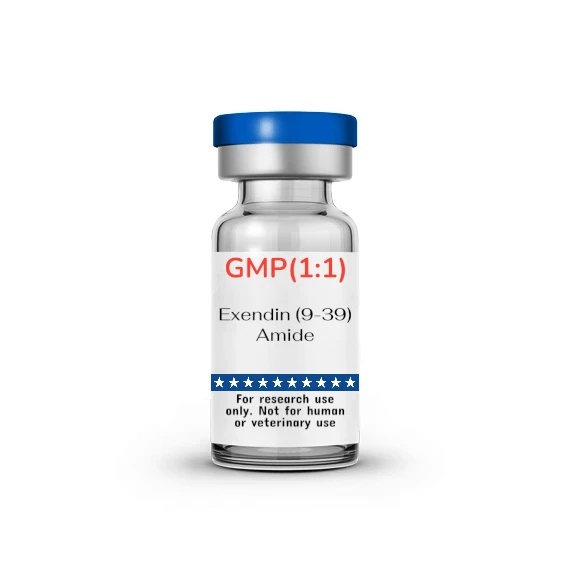

Exendin (9-39) Amide | Factory-Manufactured Wholesale Research Supply
Original price was: $26.00.$23.00Current price is: $23.00.
Exendin (9-39) Amide is a high-purity synthetic peptide fragment, supplied as lyophilized powder for laboratory research, in vitro receptor studies, and molecular mechanism investigations. Factory-direct bulk and wholesale supply is available for CROs, academic laboratories, and industrial R&D partners.

Description
Contents
hide
Product Description
Exendin (9-39) Amide is a high-purity synthetic peptide fragment, specifically engineered for laboratory research and in vitro molecular mechanism studies. As a C-terminally amidated derivative of the truncated Exendin sequence, this peptide provides a structurally well-defined molecular tool for investigating peptide–receptor interaction dynamics, competitive binding behavior, and signaling pathway modulation under controlled experimental conditions.
The peptide is manufactured using advanced solid-phase peptide synthesis (SPPS) technology, followed by multi-step purification to achieve ≥98% analytical purity. Each production batch undergoes rigorous quality control, including HPLC purity assessment and mass spectrometry confirmation, ensuring structural accuracy, batch consistency, and experimental reproducibility. The lyophilized powder formulation enhances stability, allowing for reliable long-term storage and repeated use across multi-phase research projects.
Exendin (9-39) Amide is widely utilized as a research-grade molecular probe in receptor-focused studies, where precise control over peptide structure and terminal modification is essential. The C-terminal amidation contributes to improved structural consistency and interaction stability, enabling clearer interpretation of molecular recognition events and downstream signaling responses. This makes the peptide particularly suitable for structure–activity relationship (SAR) analysis and comparative sequence studies.
In biochemical and cell-based in vitro systems, Exendin (9-39) Amide supports investigations into ligand–receptor specificity, antagonistic interaction mechanisms, and signaling selectivity. Its defined amino acid sequence allows researchers to reduce experimental variability and focus on mechanistic insights at the molecular level. The peptide also integrates effectively with analytical assay development, serving as a reference material for binding studies and interaction profiling.
Beyond experimental assays, Exendin (9-39) Amide is compatible with computational and data-driven research workflows, including molecular docking, molecular dynamics simulations, and systems-level pathway modeling. Alignment of experimental data with in silico analysis enhances mechanistic interpretation, hypothesis generation, and predictive modeling, supporting advanced research strategies.
Produced in factory-controlled facilities in China, Exendin (9-39) Amide is available in milligram to gram-scale quantities, with flexible bulk and wholesale supply options for CROs, academic institutions, and industrial R&D partners. Complete batch traceability and technical documentation support international B2B export, regulatory transparency, and long-term research collaboration, making this peptide a reliable component of high-standard laboratory research programs.
Product Specifications
| Item | Description |
|---|---|
| Product Name | Exendin (9-39) Amide |
| CAS Number | 133514-43-9 |
| Product Type | Synthetic research peptide fragment |
| Amino Acid Length | 31 amino acids |
| Sequence Feature | Truncated Exendin sequence with C-terminal amidation |
| Molecular Formula | C₁₇₆H₂₇₁N₅₁O₅₀S |
| Molecular Weight | ~4019.6 g/mol |
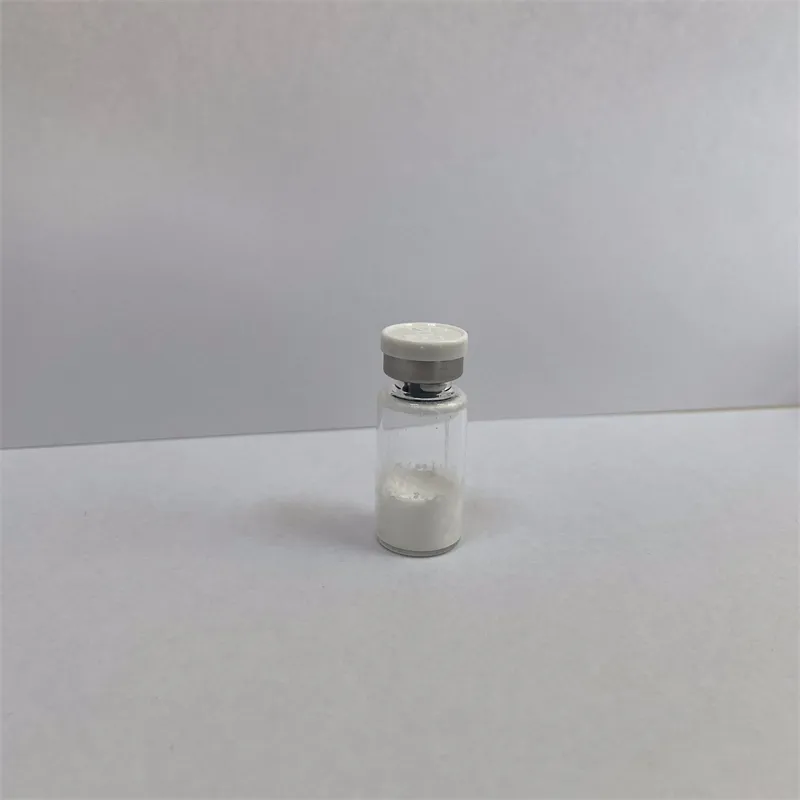
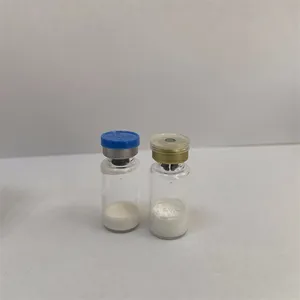
| Appearance | White to off-white lyophilized powder |
| Purity | ≥98% (HPLC) |
| Analytical Characterization | HPLC, Mass Spectrometry |
| Terminal Modification | C-terminal amide |
| Synthesis Method | Solid-phase peptide synthesis (SPPS) |
| Formulation | Lyophilized powder |
| Solubility Reference | Compatible with standard laboratory reconstitution planning |
| Batch Traceability | Full batch records and QC documentation |
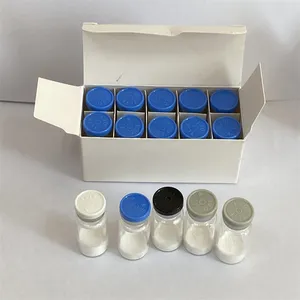
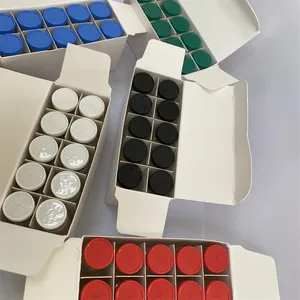
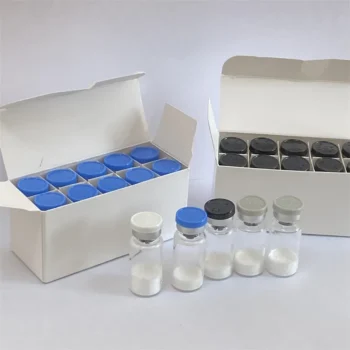
| Packaging | Sealed, research-grade vials |
| Storage Conditions | Dry, sealed, temperature-controlled laboratory storage |
| Application Scope | Laboratory research, in vitro mechanistic studies |
| Supply Scale | Milligram to gram scale |
| Manufacturing Origin | Factory-manufactured |
| Supply Type | Bulk and wholesale |
| Export | China B2B international supply |
Nearby instructions:
Exendin (9-39) Amide is manufactured under controlled synthetic and purification protocols to ensure high structural fidelity and batch-to-batch reproducibility. The C-terminal amidation enhances molecular consistency, making the peptide suitable for comparative interaction studies and structure–activity relationship analysis.
The ≥98% purity standard, verified by HPLC and mass spectrometry, minimizes background interference in sensitive in vitro experiments and supports reliable mechanistic interpretation. The lyophilized powder format improves stability during storage and international transport, while allowing flexible integration into diverse laboratory workflows.
Factory-direct production enables cost-efficient bulk supply and long-term wholesale cooperation, supporting CRO projects, academic research programs, and industrial R&D pipelines that require consistent peptide quality and documented traceability.
Mechanism of Action
Exendin (9-39) Amide is utilized in laboratory research as a receptor-focused peptide probe to investigate ligand–receptor recognition, competitive binding behavior, and downstream signaling modulation under controlled in vitro conditions. As a truncated and C-terminally amidated peptide fragment, it provides a structurally defined model for dissecting molecular interaction mechanisms without introducing sequence ambiguity.
At the molecular level, Exendin (9-39) Amide enables detailed examination of binding interface occupancy and competitive interaction dynamics within receptor-associated systems. Its defined amino acid sequence allows researchers to isolate specific regions responsible for receptor engagement and signal interference, supporting high-resolution analysis of interaction specificity. This makes the peptide particularly valuable for mechanistic comparison studies involving full-length ligands or structurally related analogs.
The C-terminal amidation plays a critical role in enhancing structural stability and conformational consistency, which contributes to reproducible interaction behavior across experimental replicates. This modification allows researchers to distinguish sequence-dependent effects from terminal variability, improving interpretability in structure–activity relationship (SAR) investigations.
In biochemical and cell-based in vitro assay systems, Exendin (9-39) Amide is used to monitor changes in receptor-associated signaling outputs, enabling evaluation of pathway modulation and signal attenuation patterns. These controlled observations support mapping of signal transduction hierarchies and interaction dependencies without extrapolation beyond experimental systems.
Exendin (9-39) Amide is also well suited for integration with computational modeling approaches, including molecular docking and molecular dynamics simulations. These in silico analyses provide complementary insight into binding energetics, conformational alignment, and interaction stability, reinforcing experimentally derived mechanistic conclusions.
Overall, Exendin (9-39) Amide functions as a precision molecular tool for dissecting peptide–receptor interaction mechanisms, supporting reproducible, data-driven exploration of signaling modulation within non-clinical laboratory research frameworks.

Applications
Exendin (9-39) Amide is extensively applied in in vitro laboratory research as a specialized peptide tool for the investigation of receptor-associated molecular interaction mechanisms. Its truncated sequence and C-terminal amidation enable precise exploration of competitive binding behavior and signaling modulation within controlled experimental systems, making it a valuable reagent for mechanistic studies that require high specificity and reproducibility.
In receptor interaction and signaling pathway research, Exendin (9-39) Amide is commonly incorporated into experimental designs aimed at characterizing ligand–receptor recognition, occupancy dynamics, and pathway selectivity. By introducing a structurally defined peptide fragment, researchers can differentiate receptor-specific responses from nonspecific background effects, thereby improving the resolution of mechanistic insights.
Exendin (9-39) Amide is also widely used in biochemical assay development and validation, including receptor binding assays, interaction screening platforms, and signal transduction readouts. Its high analytical purity and batch-to-batch consistency support reliable benchmarking, assay optimization, and comparative analysis across experimental conditions and research sites.
In structure–activity relationship (SAR) and sequence–function studies, the peptide allows systematic evaluation of how sequence truncation and terminal modification influence interaction stability, conformational behavior, and signaling interference. These studies contribute to a deeper understanding of peptide–protein recognition principles at the molecular level.
The peptide further supports comparative mechanistic research, where it is analyzed alongside full-length ligands or structurally related analogs. Such comparative frameworks help researchers map functional domains, interaction hotspots, and signaling dependencies while maintaining strict experimental control.
Exendin (9-39) Amide integrates effectively into computational and data-driven research workflows, where experimental results are aligned with molecular docking, molecular dynamics simulations, and network-based modeling. This combined approach enhances hypothesis generation, predictive analysis, and mechanistic validation.
Overall, Exendin (9-39) Amide serves as a versatile research-grade peptide, enabling systematic investigation of receptor-mediated interaction mechanisms, assay development, and integrative experimental–computational studies within professional laboratory environments.
Research Models
Exendin (9-39) Amide is compatible with a wide range of in vitro research models designed to investigate peptide–receptor interaction mechanisms and signaling modulation under controlled laboratory conditions. Its defined molecular structure and high analytical purity make it suitable for experimental systems requiring precision, reproducibility, and mechanistic clarity.
One commonly employed model involves receptor-expressing cellular systems, where Exendin (9-39) Amide is introduced to examine competitive interaction dynamics, receptor occupancy behavior, and downstream signaling response patterns. These systems allow controlled assessment of molecular interactions while maintaining experimental consistency across replicates.
In cell-free biochemical models, Exendin (9-39) Amide supports detailed analysis of protein–peptide binding, conformational alignment, and interaction kinetics. Such simplified systems reduce biological complexity and enable high-resolution investigation of molecular recognition events, making them particularly valuable for mechanistic dissection and assay calibration.
Exendin (9-39) Amide is also well suited for comparative research models, where it is evaluated alongside related peptide fragments or structural analogs. These models facilitate structure–activity relationship (SAR) analysis, helping researchers identify sequence elements and terminal modifications that influence interaction stability and signaling modulation.
For advanced research programs, the peptide can be integrated into multi-platform experimental models that combine biochemical assays, quantitative analytics, and computational simulations. These hybrid models support systems-level interpretation, allowing experimental observations to be cross-validated through in silico analysis.
Additionally, Exendin (9-39) Amide is compatible with high-throughput screening models designed for reproducible data generation and comparative analysis. Its consistent quality and documentation make it suitable for multi-phase research workflows and collaborative projects across institutions.
Overall, Exendin (9-39) Amide functions as a reliable and versatile research reagent across diverse in vitro research models, supporting robust mechanistic investigation within non-clinical laboratory environments.
Experimental Design Considerations
When incorporating Exendin (9-39) Amide into laboratory research workflows, careful experimental design is essential to ensure data reliability, interpretability, and reproducibility. Due to its role as a receptor-focused peptide tool, experimental conditions should be optimized to isolate specific molecular interaction effects from background variability.
Researchers are advised to define clear control groups, including baseline systems without peptide exposure and comparative systems using structurally related peptide fragments. This approach supports accurate assessment of competitive interaction behavior and signaling modulation within in vitro models.
Concentration ranges should be established through preliminary screening assays to identify effective experimental windows that allow measurable interaction dynamics without introducing nonspecific effects. Maintaining consistent peptide handling and preparation protocols is critical for minimizing variability across experimental replicates.
Temporal parameters, such as incubation duration and sampling intervals, should be standardized to capture dynamic interaction patterns and signaling responses. Consistent timing improves cross-comparison between experiments and supports robust statistical evaluation.
Analytical readouts should be selected based on the research objective, whether focusing on binding affinity, signal attenuation patterns, or pathway-specific responses. Wherever possible, orthogonal analytical methods are recommended to strengthen mechanistic conclusions.
Finally, detailed documentation of experimental parameters—including peptide batch information, storage conditions, and assay configurations—enhances traceability and data reproducibility, particularly in collaborative or multi-site research projects.
Overall, a structured and controlled experimental design framework maximizes the scientific value of Exendin (9-39) Amide as a precision reagent for in vitro mechanistic research.
Laboratory Safety & Handling Guidelines
Exendin (9-39) Amide is a high-purity synthetic peptide intended exclusively for laboratory research and in vitro mechanistic studies. Handling should be performed by trained personnel in controlled laboratory environments following institutional safety protocols and relevant chemical management guidelines.
All personnel should wear appropriate personal protective equipment (PPE), including laboratory coats, gloves, and protective eyewear, to minimize exposure during weighing, transfer, and assay preparation. Handling should occur on designated clean laboratory surfaces to prevent cross-contamination and maintain experimental integrity.
The peptide should be stored in sealed, clearly labeled containers under dry, temperature-controlled conditions to preserve molecular stability and analytical consistency. Repeated exposure to moisture, light, or uncontrolled environmental factors should be minimized to maintain structural fidelity.
Dedicated laboratory instruments and consumables should be used for peptide handling. Cross-contamination with other reagents or experimental systems must be strictly avoided, and all tools should be cleaned according to standard laboratory decontamination procedures following each use. Proper segregation of equipment enhances experimental reproducibility and prevents inadvertent interference.
Waste generated during experiments, including residual peptide material, contaminated consumables, and packaging, should be disposed of according to institutional chemical waste protocols. Comprehensive record-keeping of storage, handling, and disposal ensures traceability and supports reproducibility for audit purposes.
Additionally, laboratories are encouraged to document batch numbers, analytical certificates, and handling conditions for each experiment, reinforcing internal quality control standards. This practice ensures that all research outcomes are supported by fully traceable material data and allows for consistent cross-comparison of experimental results across multiple studies or collaborating institutions.
By adhering to these guidelines, Exendin (9-39) Amide can be safely and effectively utilized as a reliable molecular tool for advanced in vitro mechanistic research while maintaining the highest standards of laboratory safety and operational integrity.
Integration with Multi-Omic & Computational Studies
Exendin (9-39) Amide is well suited for integration into multi-omic research strategies and computational modeling frameworks focused on elucidating peptide–receptor interaction mechanisms under controlled in vitro conditions. Its defined sequence and terminal amidation support consistent correlation between experimental data and computational outputs.
In transcriptomic and proteomic research, Exendin (9-39) Amide enables investigation of pathway-level signaling modulation and molecular response patterns. Data generated from controlled assays can be aligned with omic-scale analyses to identify interaction-dependent molecular signatures and signaling network behavior.
The peptide is also compatible with metabolomic and pathway mapping studies, where changes in molecular profiles can be evaluated in relation to receptor-associated signaling events. Integration of multi-layered datasets supports systems-level interpretation and strengthens mechanistic hypotheses.
From a computational perspective, Exendin (9-39) Amide is frequently incorporated into molecular docking, molecular dynamics simulations, and structural modeling. These approaches allow visualization of binding interfaces, conformational stability, and interaction energetics, complementing laboratory findings.
When combined with systems biology platforms and machine-learning-assisted analysis, Exendin (9-39) Amide supports predictive modeling and data-driven exploration of signaling consistency. This integrative strategy enhances reproducibility, hypothesis refinement, and mechanistic clarity in advanced peptide research programs.
Shipping Guarantee
Exendin (9-39) Amide is packaged in secure, research-grade containers to ensure material integrity during international transit. Export logistics are optimized for global laboratory delivery, with appropriate environmental controls where required. Each shipment includes complete documentation, such as batch records and analytical certificates. Packaging protocols minimize environmental exposure and mechanical stress. Laboratories receive the material in stable condition suitable for immediate in vitro research use.
Trade Assurance
Factory-direct manufacturing ensures full batch traceability, consistent quality standards, and verified analytical documentation. Bulk and wholesale supply options support long-term research programs, CRO projects, and industrial R&D workflows. Controlled synthetic protocols guarantee reproducibility across production batches. Supply chains are auditable and stable for international cooperation. These measures provide confidence in quality, continuity, and cost efficiency.
Payment Support
Flexible payment methods are available for global B2B procurement, including Credit Card, T/T (Telegraphic Transfer), and encrypted cryptocurrency options. Transactions are processed through secure and verified financial channels. Detailed invoices and confirmations support institutional accounting and compliance requirements. Bulk and repeat procurement arrangements are supported. This ensures efficient and secure international collaboration.
Disclaimer
This product is strictly for laboratory research use only. It is not intended for diagnostic, therapeutic, or any non-research applications. All information provided is for scientific, educational, and experimental reference within controlled laboratory environments. Users are responsible for compliance with local regulations and institutional safety policies. Exendin (9-39) Amide should be handled only by qualified laboratory professionals.
References
Exendin (9-39) peptide overview – BenchChem
Technical profile of Exendin (9-39) and its receptor antagonist properties in research contexts. Exendin (9‑39) peptide overview | BenchChemExendin-4 and Exendin (9-39) Amide interaction with GLP-1 receptors – PubMed
Peer-reviewed study demonstrating antagonistic properties of Exendin (9-39) Amide in receptor binding analysis. Exendin‑4 and Exendin (9‑39) amide receptor study (PubMed)Exendin (9-39) as a GLP-1 antagonist – MedChem Express
Research-focused catalog entry describing antagonist behavior and research use. Exendin (9‑39) amide research peptide (MedChem Express)PubChem – Exendin (9-39) general data
Compound summary, molecular details, and identifiers for research reference. Exendin (9‑39) peptide (PubChem)Scientific study on GLP-1 receptor antagonism with Exendin (9-39) – PubMed
Mechanistic peptide antagonist data relevant to receptor interactions. Reduction of GLP‑1 effects by Exendin (9‑39) amide (PubMed)

Additional information
| Weight | 0.6 kg |
|---|---|
| Dimensions | 23 × 36 × 23 cm |
Q1: What is Exendin (9-39) Amide used for in laboratory research?
A1: Exendin (9-39) Amide is a high-purity synthetic peptide fragment used in in vitro research to investigate peptide–receptor interaction mechanisms and signaling modulation. It is especially valuable as a reference antagonist probe in studies of receptor engagement and downstream signaling pathways. All applications remain strictly within controlled laboratory environments.
Q2: Does Exendin (9-39) Amide interact with receptor binding systems?
A2: Yes. It is frequently used to study competitive binding and antagonistic behavior at specific receptor interfaces under defined experimental conditions. Its sequence allows researchers to isolate ligand–receptor recognition and modulation events in biochemical assays.
Q3: Is this peptide compatible with computational modeling workflows?
A3: Yes. Exendin (9-39) Amide can be included in molecular docking and dynamic simulation studies, enabling visualization of interaction interfaces and binding energetics. Such integration enhances mechanistic interpretation when aligned with in vitro data.
Q4: What level of purity is typical for research-grade Exendin (9-39) Amide?
A4: Research suppliers commonly verify ≥ 98 % purity using analytical techniques such as HPLC and mass spectrometry. High purity supports reproducibility and minimizes confounding variables in sensitive experimental systems.
Q5: How is batch consistency maintained?
A5: Through factory-controlled synthesis protocols, coupled with full traceability and quality documentation for each batch. This supports reproducible outcomes across instruments and laboratories.
Q6: Can Exendin (9-39) Amide support receptor signaling pathway studies?
A6: Yes. Its defined structure makes it suitable for detailed mechanistic studies of signaling pathway modulation, where competitive interaction dynamics are analyzed under controlled conditions.
Q7: Is Exendin (9-39) Amide suitable for analytical method development?
A7: Yes. It can be used to benchmark methods such as binding assays, analytical profiling, and molecular interaction screens, providing consistent reference data for method validation.
Q8: Are bulk or wholesale quantities available?
A8: Yes. This peptide is offered in milligram to gram scales with factory-direct bulk and wholesale supply to support long-term laboratory research needs.
Q9: How should Exendin (9-39) Amide be stored?
A9: It should be stored in sealed, dry, temperature-controlled laboratory conditions to preserve stability and structural integrity over extended research timelines.
Q10: Can this peptide be applied in structure–activity relationship (SAR) studies?
A10: Yes. Its clearly defined amino acid sequence enables comparative sequence–function analyses to correlate structural differences with observed interaction outcomes.
Q11: Is Exendin (9-39) Amide compatible with multi-omic integration studies?
A11: Yes. It supports integration of peptide interaction data with proteomic, transcriptomic, or metabolomic datasets to build mechanistic insights in systems-level research frameworks.
Q12: Does this product include technical documentation?
A12: Yes. Each batch comes with purity verification and analytical documentation to support internal quality control and experimental reproducibility.
Q13: How does this peptide support reproducibility in research?
A13: Through high analytical purity, controlled manufacturing, and comprehensive documentation, Exendin (9-39) Amide supports reproducible data generation across experimental platforms.
Q14: Who typically uses this peptide in research?
A14: It is commonly used by academic laboratories, CROs, and industrial R&D teams to investigate receptor interaction mechanisms and molecular signaling.
Q15: Is this product intended for diagnostic or therapeutic use?
A15: No. It is strictly supplied for laboratory research, with no implication of diagnostic or therapeutic application.
Related products
Wholesale Cibinetide Peptide Sterile Solution
Cibinetide Sterile Solution is a synthetic, tissue-protective erythropoietin-derived peptide engineered for research use in inflammation, neuroprotection, and cellular stress-response models. Its high purity, GMP-compliant preparation, and ready-to-use sterile formulation make it ideal for laboratories requiring consistent, reproducible peptide performance in advanced mechanistic studies.(For research use only. Not for human or veterinary use) Original price was: $38.00.$22.00Current price is: $22.00.Semaglutide finished product (lyophilized powder) wholesale Supplier
Semaglutide finished product (lyophilized powder) wholesale $1.00High Purity Weight Loss Peptide Reta, Trutide, GHK-Cu, Epitalon Peptide – The Ultimate Solution for Effective Weight Loss and Anti-Aging
Weight Loss Peptide Function Dose 2mg 5mg 10mg 15mg 20mg Higher Original price was: $36.00.$25.00Current price is: $25.00.Cosmetic Peptide Raw Material Factory – Low Price Wholesale Direct from China
Cosmetic Peptide Appearance: Lyophilized powder Dose 2mg 5mg 10mg 15mg 20mg Higher Original price was: $42.00.$22.00Current price is: $22.00.



Reviews
There are no reviews yet.