
No products in the cart.
Sale




teriparatide-99% high-purity-lyophilized-powder-wholesale
Original price was: $26.00.$23.00Current price is: $23.00.
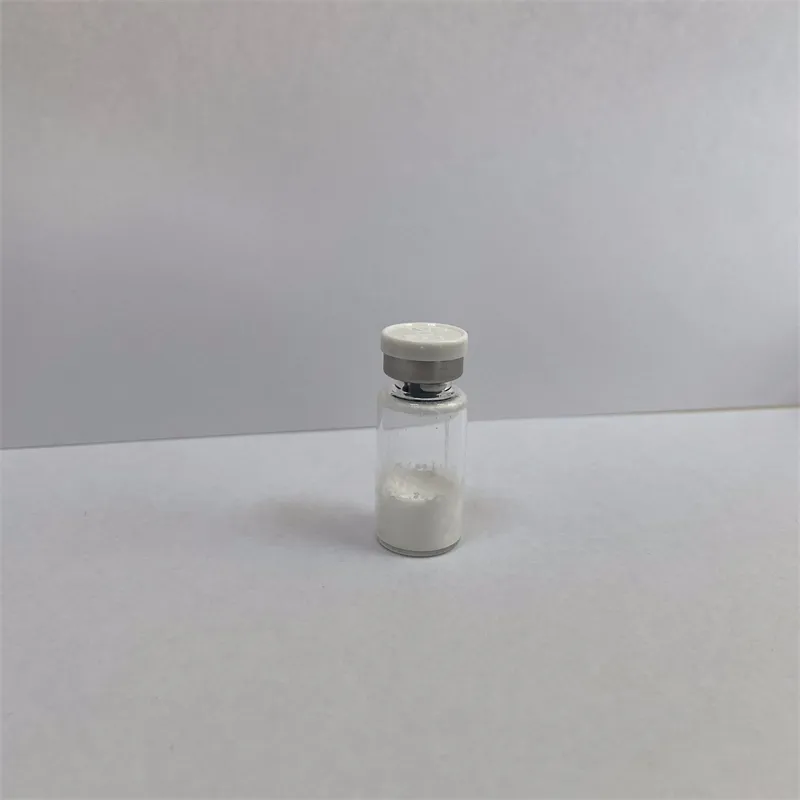
Teriparatide is a high-purity synthetic peptide supplied as lyophilized powder, manufactured under factory-controlled conditions for laboratory research, in vitro assays, and molecular mechanism studies. Bulk and wholesale supply is available for global CROs, academic institutions, and industrial R&D laboratories.

Description
Contents
hide
Product Description
Teriparatide is a synthetically produced peptide fragment with a precisely defined amino acid sequence, supplied in lyophilized powder form to support advanced laboratory research applications. Manufactured using controlled solid-phase peptide synthesis and high-resolution purification processes, this product delivers consistent purity, structural integrity, and batch reproducibility required for professional research environments.
The lyophilized format provides enhanced chemical and physical stability, allowing the peptide to maintain integrity during storage, international transportation, and long-term research use. This format is particularly suitable for laboratories conducting multi-phase experiments, repeated analytical measurements, or extended project timelines, where material consistency is critical.
In laboratory research, Teriparatide is primarily utilized as a molecular probe for studying receptor-associated signaling mechanisms, peptide–protein interactions, and downstream intracellular pathways under strictly controlled in vitro conditions. Its defined molecular structure enables precise evaluation of binding behavior, signal initiation, and pathway specificity, supporting mechanistic research rather than application-oriented use.
Each production batch is accompanied by comprehensive analytical documentation, including purity verification and batch identification records. This ensures traceability and reproducibility across experiments and institutions. Factory-direct manufacturing in China enables scalable output, making Teriparatide suitable for bulk procurement, wholesale distribution, and long-term research supply contracts.
By combining high purity, stable formulation, and competitive pricing, Teriparatide serves as a cost-effective yet reliable research peptide for CROs, universities, and industrial R&D teams engaged in molecular biology, biochemical signaling, and systems-level research.

Product Specifications
| Specification Item | Description |
|---|---|
| Product Name | Teriparatide |
| CAS Number | 52232-67-4 |
| Product Category | Synthetic research peptide |
| Molecular Formula | C₁₈₁H₂₉₁N₅₅O₅₁ |
| Molecular Weight | ~4117.8 g/mol |
| Amino Acid Length | 34 amino acids |
| Appearance | White to off-white lyophilized powder |
| Purity | ≥99% (HPLC verified) |
| Analytical Methods | HPLC, Mass Spectrometry |
| Formulation | Lyophilized powder (no excipients) |
| Manufacturing Method | Solid-phase peptide synthesis (SPPS) |
| Batch Traceability | Full batch records and QC documentation |
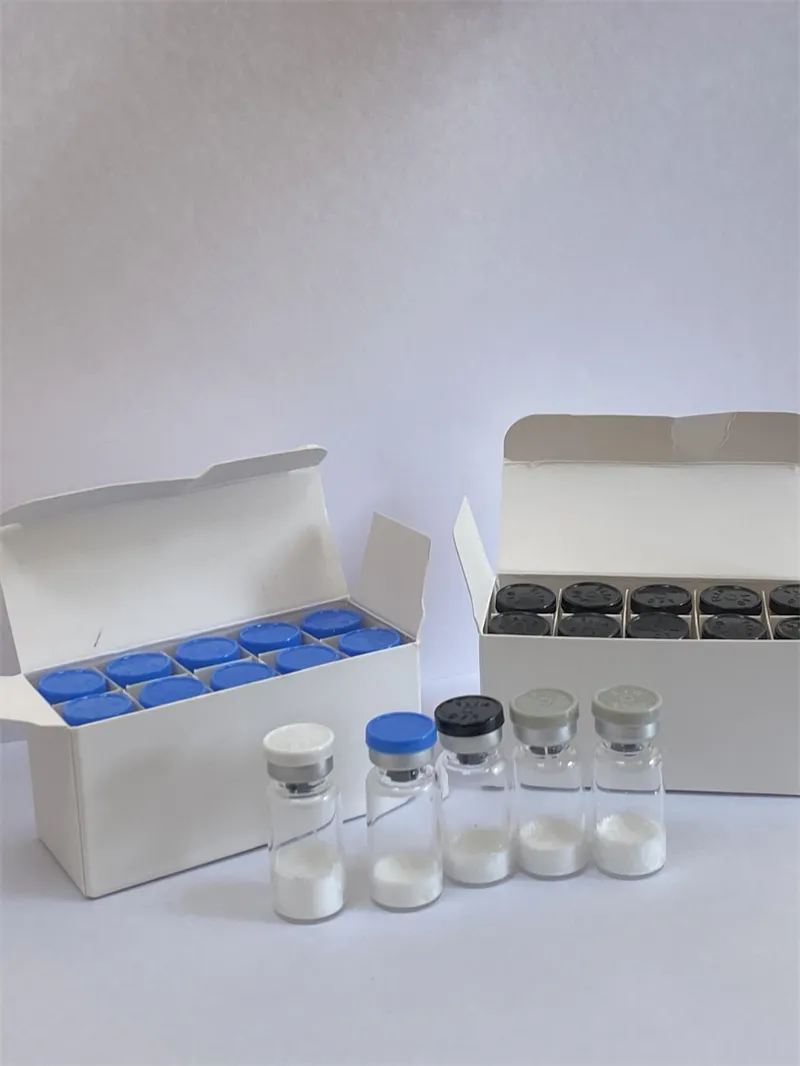
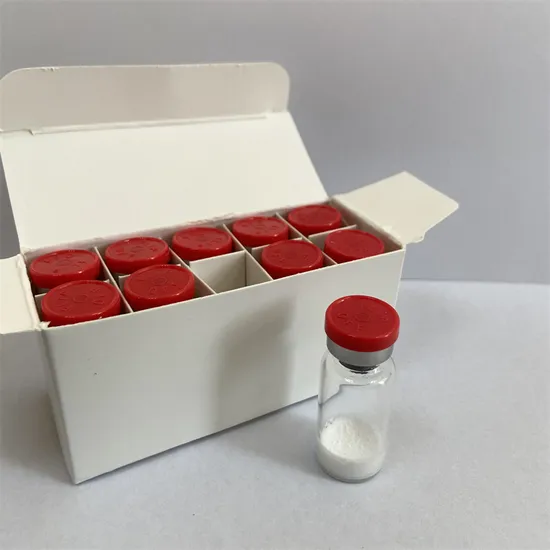
| Packaging | Sealed, labeled research-grade vials |
| Storage Recommendation | Dry, sealed, temperature-controlled laboratory storage |
| Stability | Stable under recommended laboratory storage conditions |
| Application Scope | Laboratory research, in vitro studies, molecular mechanism research |
| Supply Scale | Milligram to gram scale |
| Supply Type | Factory-manufactured, bulk & wholesale |
| Export Availability | China-based B2B international supply |
Notes
The specification profile of Teriparatide reflects its positioning as a high-purity, research-grade peptide intended exclusively for laboratory use. Production is carried out using controlled solid-phase peptide synthesis, followed by rigorous purification to ensure consistent molecular integrity and purity across batches. Analytical verification by HPLC and mass spectrometry supports reliable identification, purity confirmation, and batch-to-batch reproducibility.
The lyophilized powder format enhances chemical stability and simplifies long-term storage under standard laboratory conditions. This format is particularly suitable for extended research programs, repeated experimental use, and international shipping, minimizing degradation risks during handling and transport.
Each batch is supplied with complete traceability documentation, supporting reproducibility and compliance with institutional research standards. Factory-direct manufacturing enables scalable output, making the product suitable for bulk procurement, wholesale distribution, and long-term supply agreements with CROs, academic laboratories, and industrial R&D organizations.
Overall, these specifications ensure that Teriparatide meets the requirements of high-precision in vitro studies, molecular interaction research, and mechanistic signaling investigations, while maintaining cost efficiency and supply reliability within global B2B research markets.
Mechanism of Action
From a laboratory research perspective, Teriparatide functions as a defined peptide ligand with a highly specific molecular structure that enables controlled investigation of receptor-associated signaling mechanisms under in vitro experimental conditions. Its precisely characterized amino acid sequence provides a reliable foundation for studying ligand–receptor recognition, binding affinity, and downstream signal initiation in molecular research systems.
Within receptor-expression platforms and biochemical assay environments, Teriparatide supports analysis of ligand-induced conformational changes and subsequent signal transduction processes. These studies allow researchers to dissect pathway activation patterns, signaling kinetics, and molecular coupling events at a mechanistic level, independent of formulation or delivery variables.
Teriparatide is also valuable for structure–function relationship investigations, where sequence-defined peptides are used to correlate specific molecular features with observed signaling outcomes. By comparing interaction profiles across related peptide constructs, researchers can identify key structural determinants governing receptor engagement and pathway selectivity.
In addition to experimental systems, Teriparatide integrates effectively into computational modeling workflows, including molecular docking and dynamic simulations. These approaches complement in vitro findings by enabling visualization of binding interfaces, interaction energetics, and structural stability over simulated conditions. The convergence of experimental and computational data enhances mechanistic interpretation and supports predictive modeling.
At the systems level, Teriparatide-mediated signaling can be evaluated within network-based analytical frameworks, enabling mapping of signal propagation, regulatory feedback, and pathway cross-talk. Such analyses contribute to a comprehensive understanding of peptide-driven molecular mechanisms, supporting reproducible and interpretable research outcomes.
Overall, Teriparatide serves as a robust molecular probe for dissecting peptide–receptor interactions and signaling pathways, offering high reproducibility, analytical clarity, and compatibility with both experimental and computational research methodologies within controlled laboratory environments.

Applications
Teriparatide is widely applied in laboratory-based research settings as a high-purity peptide tool for investigating receptor-associated signaling pathways and molecular interaction mechanisms under controlled in vitro conditions. Its defined amino acid sequence and reproducible quality make it particularly suitable for experiments requiring high analytical precision and consistency.
In receptor signaling studies, Teriparatide is used as a reference ligand to explore ligand–receptor binding characteristics, signal initiation processes, and downstream molecular responses. These applications enable researchers to analyze pathway specificity, activation dynamics, and signaling efficiency within receptor-expression platforms and cell-free assay systems. Such studies contribute to a deeper mechanistic understanding of peptide-mediated molecular communication.
Teriparatide is also applied in biochemical and molecular interaction assays, where it supports the investigation of peptide–protein interactions, binding kinetics, and conformational changes. These experiments are essential for mapping interaction interfaces and validating analytical methodologies, including assay development and optimization workflows.
In structure–activity relationship (SAR) research, Teriparatide serves as a well-characterized molecular reference. Researchers use it to correlate specific sequence features with observed signaling behavior, supporting comparative analysis with structurally related peptide constructs. This approach is fundamental to rational peptide research and molecular design strategies.
The peptide is further utilized in high-throughput screening environments, where batch consistency and purity are critical for generating reliable datasets across multiple experimental runs. Factory-controlled manufacturing ensures that Teriparatide can support large-scale screening programs, multi-phase projects, and long-term research initiatives without introducing variability.
Teriparatide also integrates effectively into computational and systems biology studies, including molecular docking, dynamic simulation, and network-based signaling analysis. When combined with experimental data, these in silico approaches enhance predictive modeling and hypothesis generation, strengthening the interpretation of molecular mechanisms.
Overall, Teriparatide functions as a versatile research reagent across a broad range of in vitro applications, supporting mechanistic exploration, analytical validation, and integrative modeling. Its high purity, lyophilized stability, and scalable wholesale supply make it a reliable choice for academic laboratories, CROs, and industrial R&D teams engaged in advanced molecular research.
Research Models
Teriparatide is compatible with a broad range of laboratory-based research models designed to investigate peptide-mediated molecular interactions and receptor-associated signaling mechanisms under controlled in vitro conditions. Its defined structure and high purity make it suitable for models requiring precise control of experimental variables and reproducible outcomes.
In receptor-expression research models, Teriparatide is commonly applied within engineered expression systems and isolated receptor platforms to examine ligand–receptor binding behavior, interaction specificity, and signal initiation processes. These models allow researchers to focus on molecular recognition events and downstream signaling patterns without interference from complex biological matrices.
Teriparatide is also utilized in cell-free biochemical models, including binding assays and interaction mapping systems. Such models support the study of peptide–protein interactions, conformational dynamics, and molecular stability, providing detailed mechanistic insights at the biochemical level. These controlled systems are particularly valuable for validating analytical methods and comparing interaction profiles across related peptide constructs.
For integrative research, Teriparatide can be incorporated into systems biology and network-based models, where experimental data are analyzed alongside computational simulations. These research models enable mapping of signal propagation pathways, regulatory feedback mechanisms, and pathway connectivity, supporting a systems-level understanding of peptide-driven molecular processes.
In addition, Teriparatide is well suited for computational research models, including molecular docking, molecular dynamics simulations, and predictive interaction modeling. These in silico frameworks complement experimental models by visualizing binding interfaces, interaction energetics, and structural stability, enhancing interpretation and hypothesis generation.
Overall, Teriparatide supports a diverse portfolio of research models, ranging from reductionist biochemical systems to integrative computational frameworks. Its consistency, scalability, and research-grade quality make it a reliable peptide for academic laboratories, CROs, and industrial R&D teams conducting advanced in vitro and mechanistic studies.
Experimental Design Considerations
When designing laboratory experiments involving Teriparatide, careful attention should be given to material consistency, experimental controls, and data reproducibility. Researchers are advised to verify batch identity, purity documentation, and storage history prior to experimental use, ensuring that observed results can be reliably attributed to the peptide under investigation.
Selection of appropriate in vitro research models is critical and should align with the specific molecular questions being addressed, such as receptor interaction profiling, signaling pathway mapping, or structure–function analysis. Experimental designs should incorporate proper negative and reference controls, along with sufficient technical and analytical replicates to support statistical confidence.
Handling and preparation procedures should be standardized to minimize variability. Preparation of working solutions, sample allocation, and incubation conditions should follow documented laboratory protocols, using dedicated equipment to avoid cross-contamination. Where applicable, aliquoting strategies may be employed to reduce repeated handling and preserve material integrity throughout multi-phase experiments.
For studies involving computational modeling or multi-omic data integration, experimental parameters should be selected to ensure compatibility with downstream data acquisition, normalization, and analysis pipelines. Clear documentation of experimental conditions, analytical methods, and data processing steps is essential for reproducibility and cross-study comparison.
Overall, robust experimental design enhances the reliability and interpretability of research outcomes. By applying standardized methodologies and maintaining detailed records, Teriparatide can be effectively utilized as a reproducible molecular tool for advanced in vitro and mechanistic research programs.

Laboratory Safety & Handling Guidelines
Teriparatide is supplied as a high-purity, research-grade lyophilized peptide and must be handled exclusively within professional laboratory environments by trained personnel. All handling, storage, and disposal procedures should comply with institutional laboratory safety policies, internal standard operating procedures (SOPs), and applicable chemical management guidelines.
Personnel handling Teriparatide should wear appropriate personal protective equipment (PPE), including laboratory coats, protective gloves, and eye protection where required. Direct contact with the material should be avoided. All preparation and transfer steps should be conducted on clean, designated laboratory benches or within controlled workspaces to minimize contamination risks and preserve material integrity.
Teriparatide should be stored in sealed, clearly labeled containers under dry, temperature-controlled laboratory conditions. Exposure to moisture, excessive light, or uncontrolled environments should be avoided to maintain stability and reproducibility. For extended research programs, aliquoting under controlled conditions is recommended to reduce repeated handling and environmental exposure.
During weighing, reconstitution planning, or transfer operations, laboratories should utilize analytical-grade instruments and dedicated tools. Cross-contamination with other reagents or materials must be prevented through proper cleaning and segregation of equipment. After handling, all surfaces and instruments should be cleaned following standard laboratory decontamination practices.
Waste materials generated during handling or experimentation, including residual peptide, consumables, and containers, should be treated as laboratory chemical waste. Disposal must follow institutional waste management protocols and local regulatory requirements for non-clinical research materials.
Laboratories are encouraged to maintain comprehensive records, including material receipt logs, storage conditions, handling procedures, and batch identifiers. Proper documentation supports traceability, internal audits, and reproducibility across independent experiments and research teams.
By adhering to these laboratory safety and handling guidelines, Teriparatide can be safely and effectively integrated into advanced in vitro research workflows, ensuring personnel safety, experimental reliability, and long-term research quality.
Integration with Multi-Omic & Computational Studies
Teriparatide is well suited for integration into multi-omic research strategies and computational analysis frameworks focused on elucidating peptide-mediated molecular signaling mechanisms under controlled in vitro conditions. Its well-defined amino acid sequence and high analytical purity allow reliable correlation between experimental observations and data-driven modeling outputs.
In transcriptomic and proteomic research contexts, Teriparatide supports the investigation of signal-associated molecular response patterns, enabling researchers to examine pathway-level regulation and interaction networks in receptor-focused experimental systems. When combined with quantitative analytical workflows, these datasets contribute to systems-level characterization of peptide-driven signaling architectures.
Teriparatide is also compatible with metabolomic and pathway-mapping approaches, where changes in molecular profiles can be evaluated in relation to receptor-associated signaling events. Integration of these datasets enables cross-validation of mechanistic hypotheses and identification of network-level response trends within in vitro research models.
From a computational standpoint, Teriparatide is frequently incorporated into molecular docking, structural modeling, and molecular dynamics simulations to analyze ligand–receptor interaction interfaces, binding stability, and interaction energetics. These in silico approaches complement laboratory findings and enhance mechanistic interpretation by visualizing molecular interactions at high resolution.
When integrated into systems biology and machine learning–assisted modeling frameworks, Teriparatide facilitates predictive analysis of signaling pathway behavior and interaction consistency. This combined experimental–computational strategy supports reproducibility, hypothesis generation, and data-driven decision-making in advanced peptide research programs.
Overall, Teriparatide serves as a robust integrative research tool, bridging experimental data and computational insight to advance mechanistic understanding of peptide–receptor signaling within non-clinical laboratory environments.

Keywords
Teriparatide lyophilized powder, Teriparatide research peptide, high purity Teriparatide, Teriparatide wholesale supply, Teriparatide bulk peptide, factory manufactured peptide, China B2B peptide export
Shipping Guarantee
Teriparatide is packaged in secure, research-grade containers to ensure material integrity during international transit. Export logistics are optimized for global laboratory delivery, including temperature-controlled transport where necessary. Each shipment is accompanied by comprehensive documentation, including batch records and analytical certificates. Packaging protocols are designed to minimize environmental exposure and mechanical stress during transit. This ensures that laboratories receive the peptide in optimal condition, ready for in vitro research and mechanistic studies.
Trade Assurance
Factory-direct manufacturing provides full batch traceability, rigorous quality documentation, and consistent product standards. Bulk and wholesale supply options are available to support long-term research programs, multi-phase experimental workflows, and high-throughput in vitro studies. All materials are produced under controlled synthetic protocols, guaranteeing reproducibility across batches. Collaborative partnerships with CROs, academic institutions, and industrial R&D facilities are supported through verified and auditable supply chains. These measures ensure confidence in material quality and supply reliability.
Payment Support
Flexible payment methods accommodate global B2B transactions, including credit card, T/T (Telegraphic Transfer), and encrypted cryptocurrency options. Transactions are secured and processed through verified financial channels to protect both the supplier and laboratory partners. Detailed invoices and payment confirmations are provided for institutional accounting and procurement compliance. These systems support bulk, repeat, and long-term supply arrangements. Researchers can therefore manage procurement efficiently without compromising transactional security or traceability.
Disclaimer
This product is strictly for laboratory research purposes only. It is not intended for diagnostic, therapeutic, or any non-research applications. All information provided is intended solely for scientific, educational, and experimental reference within controlled laboratory environments. Users are responsible for complying with local regulations and institutional safety protocols when handling or disposing of the material. Teriparatide should be used only by trained laboratory personnel under appropriate experimental conditions.
References
Teriparatide USP Reference Standard – Sigma‑Aldrich
Official reference standard information for Teriparatide used in peptide quality tests and analytical procedures. Teriparatide USP Reference Standard | Sigma‑AldrichParathyroid Hormone (1‑34) Technical Datasheet – Tocris Bioscience
Technical data on the peptide fragment corresponding to Teriparatide, including sequence and purity context applicable to research use. Parathyroid Hormone (1‑34) Technical Overview | Tocris BioscienceTeriparatide Entry – KEGG DRUG Database
Comprehensive peptide entry with sequence and structural classification from a curated biochemical database. Teriparatide Drug Entry | KEGG DRUG DatabaseTeriparatide Peptide Profile – Pharmaffiliates
Chemical property summary of Teriparatide including molecular formula, weight, and receptor target context relevant to research. Teriparatide Overview | PharmaffiliatesTeriparatide Information – ResearchPeptides.com
Research‑oriented peptide overview highlighting sequence, research applications, and stability features. Teriparatide Research Peptide Overview | ResearchPeptides.com

Additional information
| Weight | 1 kg |
|---|---|
| Dimensions | 26 × 23 × 26 cm |
Q1: What is Teriparatide intended for in research?
A1: Teriparatide is a high-purity synthetic peptide designed exclusively for laboratory research and in vitro studies. It is commonly used to investigate receptor-mediated signaling mechanisms and peptide–protein interactions. All applications are strictly experimental and non-therapeutic.
Q2: Can Teriparatide be used for receptor-binding studies?
A2: Yes. Its well-defined amino acid sequence and high purity make it suitable as a reference ligand in controlled receptor interaction experiments. Researchers can assess binding affinity, receptor activation, and downstream signaling.
Q3: Is Teriparatide compatible with computational modeling?
A3: Yes. Teriparatide can be used in molecular docking, molecular dynamics, and predictive modeling. Integration with computational workflows allows researchers to visualize binding interfaces and simulate peptide–receptor interactions.
Q4: What is the purity standard of Teriparatide?
A4: Each batch is verified to meet ≥98% purity by HPLC. Analytical documentation ensures reproducibility and reliability for mechanistic studies.
Q5: How is batch-to-batch consistency ensured?
A5: Teriparatide is produced under factory-controlled synthetic protocols. Each batch includes complete traceability, quality documentation, and analytical verification.
Q6: Can Teriparatide be used in multi-omic studies?
A6: Yes. It supports integration into transcriptomic, proteomic, and metabolomic workflows. Researchers can analyze peptide-mediated signaling at both molecular and systems levels.
Q7: Is Teriparatide suitable for high-throughput experiments?
A7: Yes. Its high purity and consistent manufacturing allow reliable use in large-scale screening and multi-phase in vitro studies. Batch reproducibility ensures data consistency.
Q8: Are bulk or wholesale quantities available?
A8: Yes. Teriparatide is offered in milligram to gram scales, with factory-direct bulk and wholesale options for laboratories, CROs, and industrial R&D teams.
Q9: Can Teriparatide be used for biochemical assay validation?
A9: Yes. Its reproducibility and structural integrity make it suitable for HPLC calibration, mass spectrometry validation, and assay optimization. Researchers can rely on it as a standard reference peptide.
Q10: How should Teriparatide be stored?
A10: Store Teriparatide in sealed, dry, and temperature-controlled conditions. Avoid prolonged exposure to moisture, light, or uncontrolled environments to maintain stability and reproducibility.
Q11: Can Teriparatide be used in structure–activity relationship (SAR) research?
A11: Yes. Its defined sequence allows researchers to correlate amino acid features with receptor binding and signaling behavior, supporting comparative molecular studies.
Q12: Is Teriparatide suitable for integrative experimental–computational workflows?
A12: Yes. Teriparatide can be used alongside experimental assays and computational simulations to analyze signaling pathways, interaction interfaces, and energetic profiles.
Related products
Wholesale Cibinetide Peptide Sterile Solution
Cibinetide Sterile Solution is a synthetic, tissue-protective erythropoietin-derived peptide engineered for research use in inflammation, neuroprotection, and cellular stress-response models. Its high purity, GMP-compliant preparation, and ready-to-use sterile formulation make it ideal for laboratories requiring consistent, reproducible peptide performance in advanced mechanistic studies.(For research use only. Not for human or veterinary use) Original price was: $38.00.$22.00Current price is: $22.00.Top Quality Peptides Lyophilized Powder – Reta Trutide Fitness and Weight Loss Peptide in Stock | Factory Wholesale
Peptides Function Weight Loss Peptides Moq:10 vials per box Original price was: $38.00.$22.00Current price is: $22.00.99% Pure Peptide Reta Trutide Epitalon in Stock Factory wholesale
Peptide Reta Purity 99%Over Original price was: $39.00.$26.00Current price is: $26.00.99.9% Effective Weight Loss Shaping Peptide – Beauty Peptide Factory Direct Low Price Wholesale
Peptide Purity 99% Specification 5mg/vial, 10mg/vial, 15mg/vial Original price was: $38.00.$23.00Current price is: $23.00.




Reviews
There are no reviews yet.