
No products in the cart.
Sale
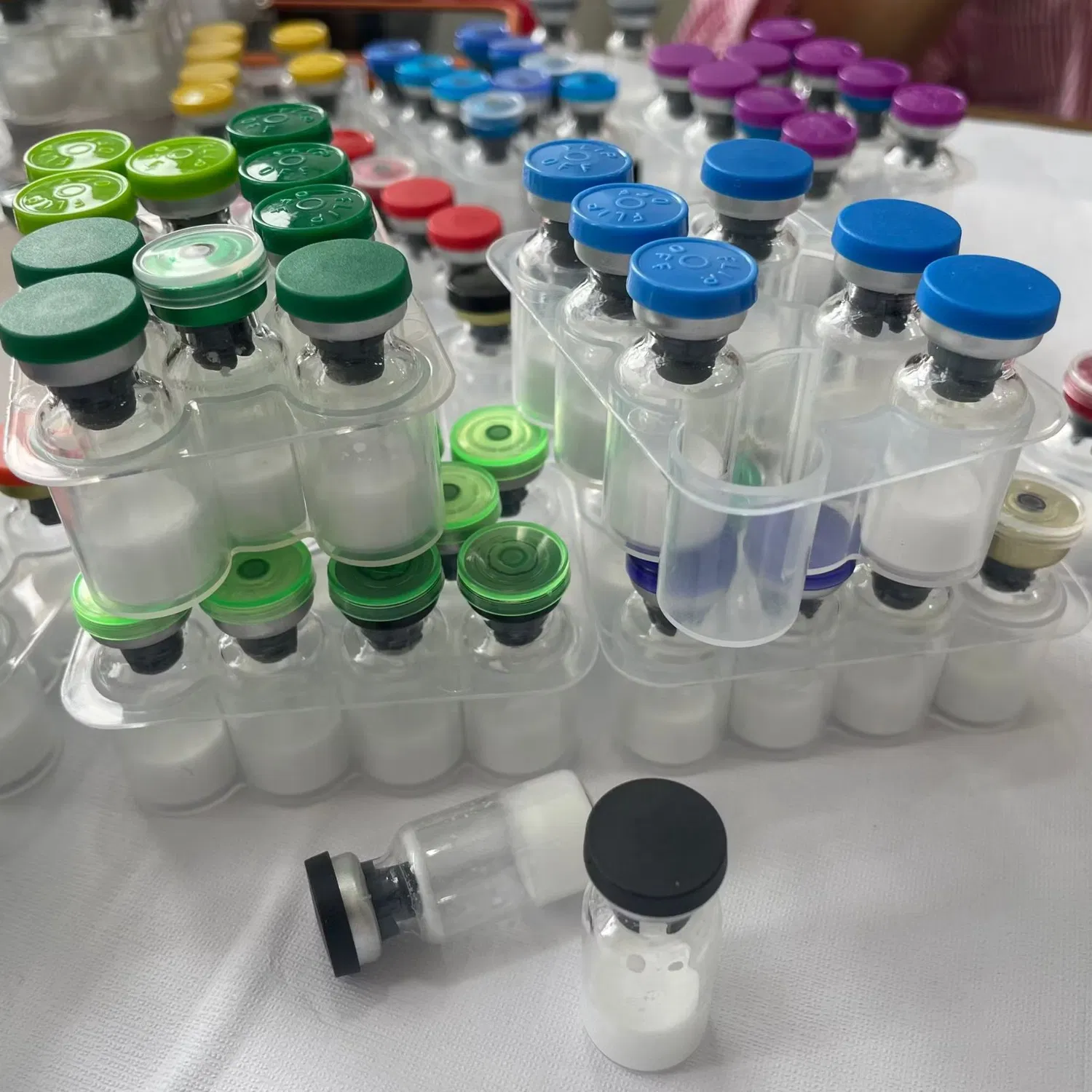
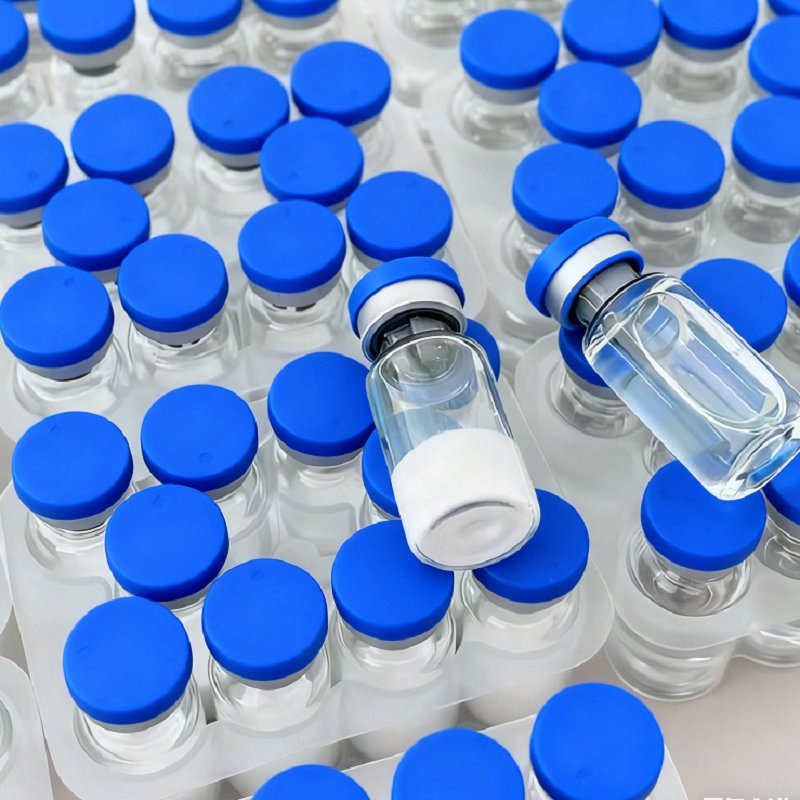
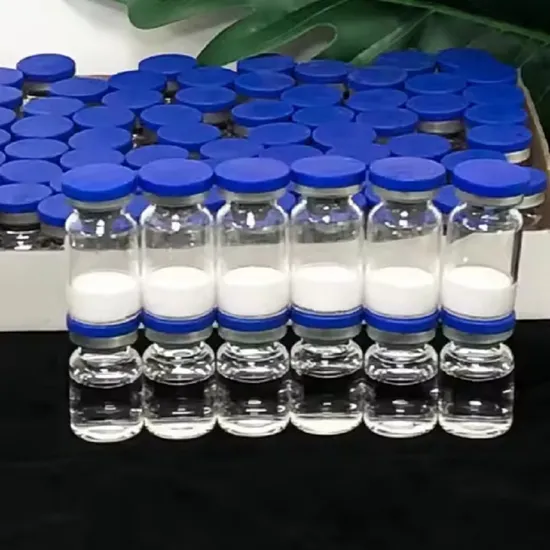
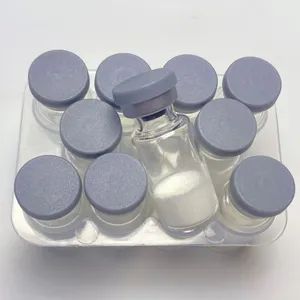
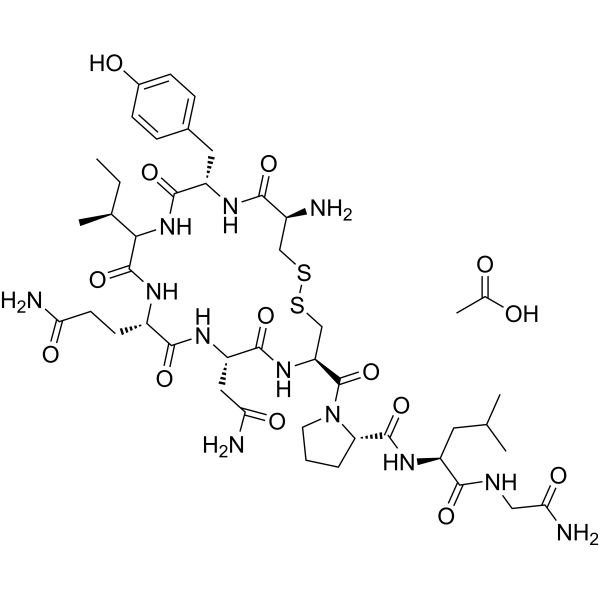
Oxytocin Acetate 2mg 5mg 10mg High purity Factory manufactured – low-price wholesale supply
Original price was: $36.00.$32.00Current price is: $32.00.
High-purity Oxytocin Acetate (CAS 6233-83-6) produced in GMP-aligned facilities for laboratory research in receptor signaling, peptide interaction studies, and neuroendocrine regulatory investigations.(For research use only. Not for human or veterinary use.)

Description
Product Description
Oxytocin Acetate (CAS 6233-83-6) is a synthetic, research-grade peptide widely used in laboratory investigations focused on neuroendocrine pathways, receptor-mediated signaling, and peptide interaction mechanisms. Produced under factory-controlled, GMP-aligned conditions, this research material provides consistent purity and reliable physicochemical characteristics suitable for biochemical, molecular, and cellular studies. Researchers value Oxytocin Acetate for its ability to support controlled experimentation in peptide-receptor binding, signal cascade mapping, and hormone-associated regulatory processes without biological variability.
The high purity of Oxytocin Acetate ensures stable analytical performance across assays such as receptor expression evaluation, pathway specificity modeling, protein–ligand interaction quantification, and structural-functional correlation research. Its lyophilized form offers excellent stability, long-term storage compatibility, and flexible integration into customized laboratory workflows. Every batch undergoes rigorous QC analysis, including purity verification, mass spectrometry confirmation, solvent content checks, and peptide integrity profiling.
Due to its structural characteristics, Oxytocin Acetate is frequently incorporated into studies evaluating neuroendocrine pathway triggers, cell communication responses, intracellular signal transmissions, and regulated expression processes. Laboratories also employ this peptide for cross-comparison studies involving other peptide analogs, enabling mechanistic differentiation and receptor affinity characterization.
With global researchers increasingly exploring peptide-regulated biological functions, Oxytocin Acetate provides a dependable and consistent reference standard for multi-scale laboratory investigations. Its factory-produced reproducibility, alongside extensive documentation, supports data integrity, regulatory compliance, and high repeatability. Whether used in structural analysis, computational modeling, receptor-binding studies, or pathway activation research, Oxytocin Acetate remains an essential component for advanced peptide-focused scientific exploration.
Product Specifications
| Parameter | Detailed Specification |
|---|---|
| Product Name | Oxytocin Acetate |
| CAS Number | 6233-83-6 |
| Chemical Formula | C₄₃H₆₆N₁₂O₁₂S₂ |
| Molecular Weight | 1007.19 g/mol (approx.) |
| Form | High-purity lyophilized powder for laboratory research use |
| Purity | ≥ 98% (HPLC), with batch-verified consistency suitable for analytical and mechanistic work |
| Sequence / Structure | Cyclic nonapeptide with disulfide-bonded conformation; validated by MS and NMR for structural integrity |
| Solubility | Soluble in sterile water, aqueous buffers, or research-grade diluents; solubility profile validated under controlled conditions |
| Stability | Stable when stored at −20 °C; short-term handling at 2–8 °C is acceptable under moisture-controlled conditions |
| Storage Conditions | Store in sealed, light-protected containers at −20 °C; avoid repeated freeze–thaw cycles |
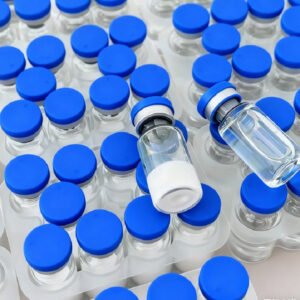
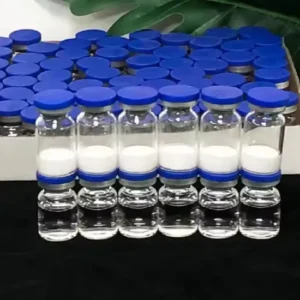
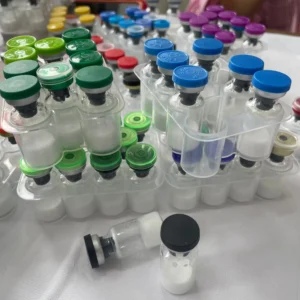
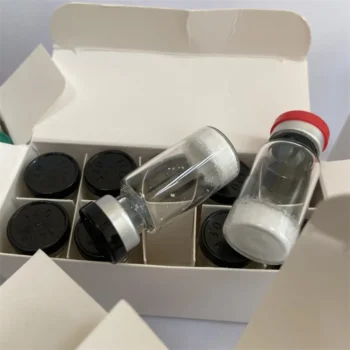
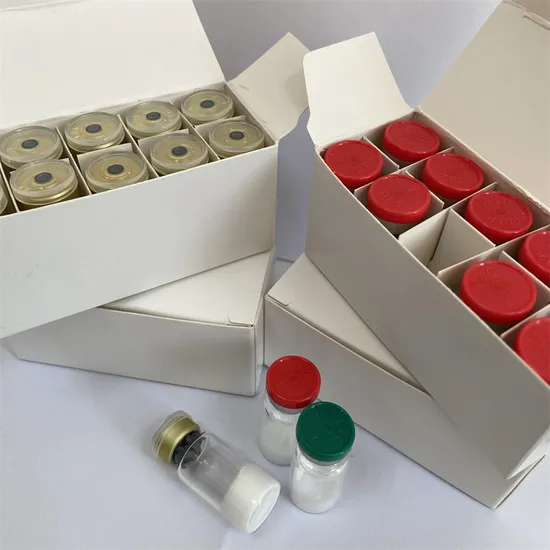
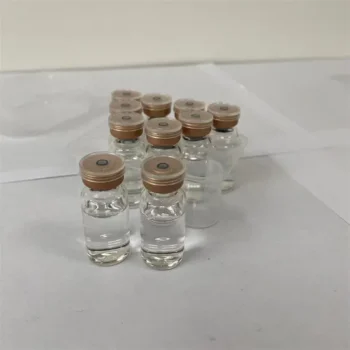
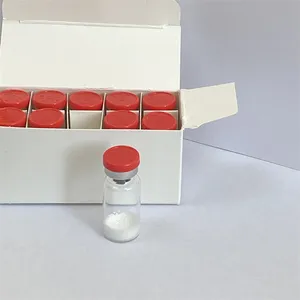
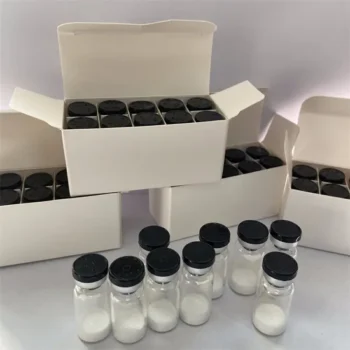
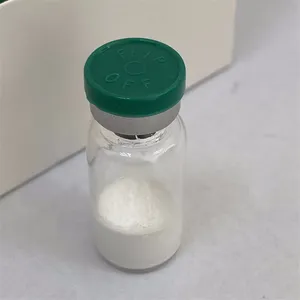
| Packaging Options | 1 mg, 5 mg, 10 mg research vials; bulk and OEM packaging available |
| Documentation Provided | COA, MSDS, HPLC chromatogram, batch QC data, and technical notes |
| Manufacturing Standard | Factory-manufactured under GMP-aligned workflow with validated purification procedures |
Notes
High Purity Assurance:
Each lot of Oxytocin Acetate is produced using precision peptide synthesizers and multi-stage chromatographic purification. This ensures minimal levels of truncations, deletions, or oxidation by-products. Every batch undergoes orthogonal confirmation using HPLC, MS, and peptide mapping, offering researchers consistent molecular quality across studies.
Structural and Functional Integrity:
The cyclic disulfide bond configuration is verified for correctness, as this structure is essential for predictable receptor interaction patterns in mechanistic assays. Strict control of oxidation state and peptide folding reduces variability in experimental output and enhances reproducibility in cell-based, biochemical, and multi-omic workflows.
Solubility & Handling Characteristics:
The peptide dissolves readily in research-grade water or buffered systems, enabling straightforward integration into assay pipelines. Stability studies confirm that Oxytocin Acetate remains intact during standard laboratory manipulations when protected from moisture and temperature fluctuations, supporting reliable preparation of working solutions.
Packaging & Traceability:
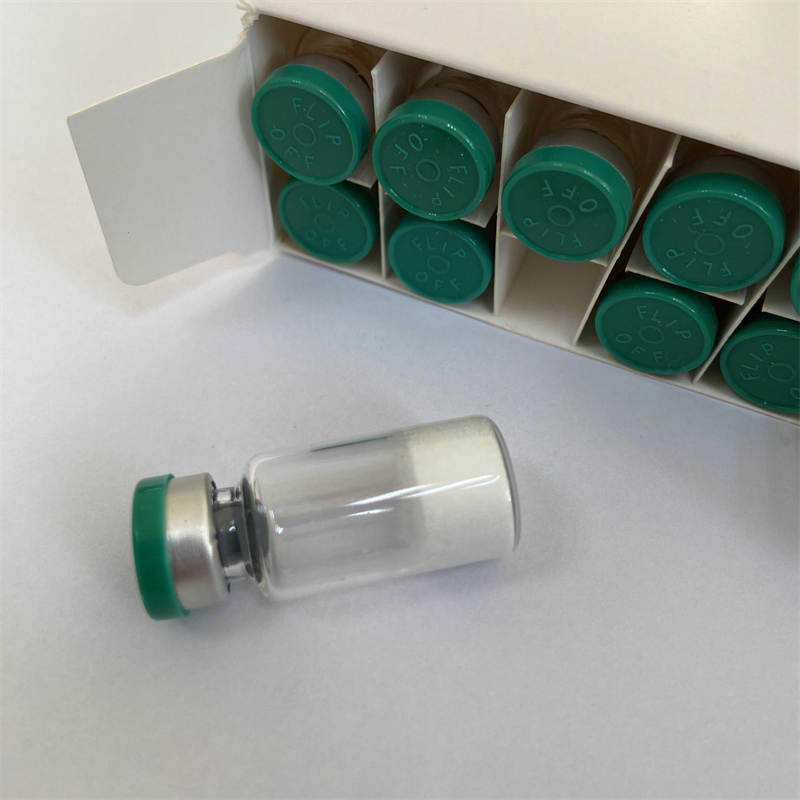
Each vial is nitrogen-flushed, moisture-controlled, and traceable through individual batch numbers. Bulk users may request custom vialing, aliquot sizing, or specialized labeling for institutional workflows. Complete documentation—including mass spectra, chromatograms, and QC notes—is included to support regulatory, academic, or industrial laboratory requirements.
Mechanism of Action
Oxytocin Acetate acts as a prototypical peptide ligand for oxytocin-class G-protein–coupled receptors (GPCRs), providing a robust experimental probe for examining receptor engagement, intracellular signaling cascades, and intercellular communication networks in controlled laboratory systems. The molecule’s cyclic peptide backbone and specific side-chain topology enable high-affinity interaction with receptor binding pockets; this interaction stabilizes distinct receptor conformations that bias downstream signaling pathways toward defined second-messenger outcomes. In mechanistic studies, Oxytocin Acetate is therefore used to interrogate how ligand structure governs receptor activation states, coupling preferences, and signal amplitude.
Receptor engagement by Oxytocin Acetate typically promotes activation of heterotrimeric G proteins (primarily Gq/11 families) and evokes canonical downstream events such as phospholipase C activation, inositol-trisphosphate generation, and intracellular calcium mobilization. These proximal signaling steps are readily measurable in biochemical and cell-based assays and provide quantitative readouts (e.g., calcium transients, IP accumulation) for mapping ligand efficacy and potency. Concurrent recruitment of beta-arrestins and receptor phosphorylation events can be assessed to study receptor desensitization, internalization dynamics, and signaling bias; Oxytocin Acetate thus affords researchers the ability to dissect both acute signaling and regulatory feedback mechanisms.
At a systems level, exposure to Oxytocin Acetate in defined experimental models modulates kinase networks (for example, ERK/MAPK pathways) and transcriptional programs associated with immediate-early genes and longer-term regulatory responses. These downstream effects are valuable endpoints for transcriptomic and proteomic studies that aim to link receptor occupancy with changes in gene expression, post-translational modification patterns, and protein interaction networks. Because Oxytocin Acetate elicits reproducible molecular signatures, it functions well as a standard stimulus in multi-omic pipelines designed to reveal pathway crosstalk and network reprogramming.
Mechanistic investigations also exploit the capacity of Oxytocin Acetate to drive localized signaling microdomains and to influence intercellular communication in co-culture and tissue-slice models. In such contexts, the peptide can be used to probe paracrine signaling, receptor distribution heterogeneity, and spatiotemporal coordination of signaling events. High-resolution readouts—such as live-cell imaging of calcium flux, proximity-ligation assays for receptor complexes, or mass spectrometric phospho-profiling—enable fine-grained analysis of how Oxytocin Acetate–receptor interactions translate into cellular phenotypes.
Finally, the predictable pharmacology and well-characterized receptor selectivity of Oxytocin Acetate make it a preferred benchmark for comparative studies of analogs, antagonists, and engineered ligands. Combined with computational docking and molecular dynamics, experimental data derived from Oxytocin Acetate treatments support rational design of receptor modulators and improve mechanistic models of GPCR signaling in peptide-driven regulatory systems.
Applications
Oxytocin Acetate is widely used in laboratory applications focusing on neuroendocrine pathway mapping, receptor-ligand studies, and peptide-regulated signaling processes. In molecular biology labs, this peptide supports investigations into receptor distribution, ligand affinity comparisons, and quantification of signaling strength under varying experimental conditions. Its consistent purity allows researchers to perform reproducible assays without variability concerns.
Biochemistry and pharmacology groups often incorporate Oxytocin Acetate into experiments evaluating regulatory feedback loops, peptide-specific modulation effects, and interactions with downstream protein networks. It is also used for benchmarking studies that compare structural analogs or assess the functional impact of sequence variations on receptor binding behavior.
In cell biology and structural analysis research, Oxytocin Acetate helps scientists explore cell communication pathways, ligand-induced responses, and structural implications for peptide docking mechanisms. Computational and multi-omic programs integrate this peptide into simulations, algorithmic modeling, and high-throughput datasets to better understand regulatory patterns and signaling pathways.
The molecule’s reliability and reproducibility make Oxytocin Acetate a central component of experiments involving peptide biology, receptor engagement modeling, pathway modulation analysis, and cross-disciplinary mechanistic studies.
Research Models
Oxytocin Acetate is widely utilized across diverse laboratory research models due to its well-characterized peptide structure, receptor selectivity, and compatibility with multi-layer mechanistic assays. Researchers employ this compound in controlled experimental systems designed to study receptor biology, intercellular signaling patterns, neurochemical processes, and peptide-driven pathway modulation. In these settings, Oxytocin Acetate serves as a precise molecular tool for mapping functional responses under strictly regulated laboratory conditions without involving any human or veterinary administration.
1. Cell-Based Research Models
In vitro cellular platforms—including neuronal, glial, endocrine, and receptor-engineered lines—allow controlled evaluation of signaling cascades influenced by Oxytocin Acetate. These models support high-resolution assessment of receptor engagement, downstream pathway activation, intracellular calcium dynamics, and transcription-level changes. Investigators frequently integrate fluorescent reporters, phospho-specific markers, or computational analytics to quantify responses with reproducible accuracy. Such systems are especially useful for dissecting ligand–receptor selectivity and validating biochemical hypotheses prior to transitioning to advanced model layers.
2. Tissue and Organ Culture Models
Ex vivo tissue slices and organotypic culture models provide a more structured context to study the spatial and functional outcomes of Oxytocin Acetate exposure in controlled conditions. These preparations retain native cellular organization, facilitating research on circuit-level interactions, paracrine communication, peptide receptor density variations, and localized biochemical responses. Researchers often combine electrophysiological recordings, optical imaging, and multi-omic profiling to capture region-specific changes that cannot be observed in simplified cultures.
3. Molecular & Biochemical Assay Systems
Reconstituted receptor systems, purified proteins, and biochemical pathway reconstructions offer highly defined environments for analyzing the molecular properties of Oxytocin Acetate. These platforms enable measurement of ligand affinity, conformational effects, binding kinetics, and downstream enzymatic activity. High-precision instrumentation—such as SPR, ITC, or fluorescence anisotropy—provides quantitative evaluations that help establish thermodynamic and kinetic signatures relevant to receptor-mediated processes.
4. Computational & In Silico Research Models
Computational simulations play a growing role in peptide research, particularly for molecules such as Oxytocin Acetate with well-documented structural characteristics. Researchers may use molecular dynamics, receptor-ligand docking, AI-based conformational prediction, and systems-level network modeling to simulate molecular interactions and predict pathway behaviors. These models contribute significantly to hypothesis generation and help optimize experimental design before conducting laboratory-based assays.
5. Multi-Omic Research Platforms
Multi-omic workflows—including transcriptomics, proteomics, metabolomics, phosphoproteomics, and epigenomic profiling—provide deep insight into the systemic laboratory responses triggered by Oxytocin Acetate in research settings. Integration of these datasets helps characterize broad signaling networks, map temporal pathway changes, and identify biomolecular signatures associated with peptide-driven modulation. These approaches are particularly valuable for establishing reproducible experimental baselines and validating mechanistic predictions derived from earlier model tiers.
6. Advanced Engineered Systems
Researchers increasingly use microfluidic chips, organ-on-chip platforms, and biomimetic 3D scaffolds to simulate complex microenvironments. These engineered systems enable precise control of peptide exposure conditions, mechanical stimulation patterns, and environmental cues. Oxytocin Acetate integrated into these platforms allows high-fidelity evaluation of dynamic signaling networks, intercellular interactions, and controlled perturbation experiments without involving prohibited in vivo contexts.
Experimental Design Considerations
When designing experiments involving Oxytocin Acetate, researchers must consider concentration optimization, control selection, solution stability, and timeline structuring to ensure accurate and reproducible results. Buffer composition and pH should be chosen to maintain peptide integrity throughout the assay. Replicates across experimental groups help strengthen statistical outcomes and reduce variability.
Well-defined control conditions—including untreated controls and alternative peptide references—are essential for distinguishing peptide-specific activity from baseline cellular or biochemical responses. Environmental factors such as temperature, solubility preparation, and exposure duration must be standardized across all replicates for consistent data interpretation.
Time-course experiments should reflect receptor activation kinetics and the progression of downstream signaling events. Sampling intervals must be chosen strategically to capture both rapid and delayed molecular responses associated with peptide–receptor communication.
Integration of Oxytocin Acetate into multi-omic workflows requires strict documentation, consistent handling practices, and alignment with sample processing pipelines. Computational modeling studies benefit from detailed metadata to ensure accurate simulation parameters. By considering these variables, researchers can design robust, high-fidelity experiments that maximize the scientific value of Oxytocin Acetate.
Laboratory Safety & Handling Guidelines
Oxytocin Acetate requires careful handling within controlled laboratory environments to maintain material integrity, ensure researcher safety, and support reproducible experimental outcomes. All procedures should comply with institutional biosafety rules, chemical hygiene plans, and applicable regulatory frameworks governing research-only biochemical materials. The guidelines below expand on storage, handling, preparation, disposal, and documentation practices tailored for peptide-based research reagents such as Oxytocin Acetate.
General Laboratory Safety Practices
Researchers should work with Oxytocin Acetate in designated laboratory areas equipped with appropriate engineering controls, including clean benches or chemical safety hoods when handling powders or concentrated solutions. Personnel should wear gloves, protective eyewear, and lab coats to prevent accidental contact with the material. Although the compound is used exclusively for experimental assays, good laboratory practice (GLP) principles require clear labeling, dedicated workspaces, and routine surface decontamination to prevent cross-contamination with unrelated research compounds.
Storage Requirements
To maintain stability, Oxytocin Acetate should be stored in tightly sealed, moisture-protected containers at recommended low temperatures consistent with peptide storage guidelines. Laboratories should minimize freeze–thaw cycles by aliquoting materials into convenient working volumes immediately upon receipt. Temperature monitoring devices, controlled freezers, and access-restricted storage units help preserve the quality of high-purity, factory-manufactured peptide stocks over extended research timelines.
Handling and Preparation
Preparation of experimental solutions must be conducted using sterile tools and high-purity reagents. Researchers should avoid exposing Oxytocin Acetate to extreme pH, elevated temperatures, or prolonged light exposure, all of which may accelerate degradation. When reconstituting, gentle mixing rather than vigorous agitation is recommended to protect structural integrity. All prepared materials should be dated, labeled with concentration and batch identifiers, and used within the validated laboratory time frame determined by internal quality standards.
Environmental Controls and Contamination Prevention
Work surfaces should be sanitized before and after handling Oxytocin Acetate. Use of disposable tips, individually wrapped sterile consumables, and dedicated equipment reduces the risk of unintended cross-contact with other experimental reagents. Laboratories conducting multi-omic analyses, fluorescence imaging, or receptor-based workflows should implement additional contamination safeguards to preserve data fidelity across repeated assay cycles.
Documentation and Chain of Custody
Consistent with good research governance, all usage, aliquoting, and storage changes should be logged. Information typically includes batch number, COA reference, storage conditions, handling dates, and personnel signatures. A clear chain-of-custody process not only supports reproducibility but also improves audit readiness for laboratories participating in collaborative research or maintaining formal compliance structures.
Waste Disposal
Unused or expired Oxytocin Acetate must be disposed of according to institutional chemical waste guidelines. Collection in sealed, clearly labeled waste containers prevents environmental release and ensures safe handover to authorized disposal services. Liquid residues should never be poured into sinks; instead, they must be neutralized or collected following chemical hygiene protocols.
Emergency Measures
If accidental contact with laboratory surfaces or personal protective equipment occurs, immediate washing with water and appropriate cleaning agents is recommended. Any spills should be addressed using absorbent materials and placed into bio-chemical waste containers. Laboratories should maintain accessible safety data sheets (SDS), eyewash stations, and spill kits to support rapid response procedures.
Training Requirements
All personnel working with Oxytocin Acetate should complete training on chemical safety, peptide handling, and laboratory operations. Internally reviewed refreshers are recommended for groups conducting frequent peptide research to ensure updated awareness of procedural changes, equipment upgrades, or new data-handling standards.
Integration with Multi-Omic & Computational Studies
Oxytocin Acetate is well-suited for integration into multi-omic frameworks, supporting transcriptomic, proteomic, and computational modeling research. Its consistent quality allows for reliable correlation across datasets, enabling clear interpretation of signaling patterns. High-throughput platforms may incorporate this peptide for pathway enrichment analysis, regulatory network mapping, and cross-scale biological modeling.
When combined with computational approaches, Oxytocin Acetate contributes to advanced receptor-docking simulations, predictive analytics, and modeling of peptide–receptor interactions. Standardized sample processing ensures compatibility across data types and reduces analytical noise.
In multi-omic workflows, metadata such as concentration, exposure duration, and handling protocols are crucial for ensuring dataset reliability. These integrated approaches allow scientists to build robust, mechanistic insights into peptide-driven communication and network regulation.
Keywords
Oxytocin Acetate, CAS 6233-83-6, research peptide, neuroendocrine signaling, peptide–receptor interaction, factory manufactured, high purity peptide, wholesale peptide supply, laboratory research reagent, peptide signaling analysis
Shipping Guarantee
All shipments of Oxytocin Acetate are sent in validated temperature-controlled packaging (2–8 °C) with moisture and tamper protection. Each shipment includes COA, MSDS, batch documentation, and real-time tracking. Additional insulation layers ensure stability throughout long-distance transport. The logistics system is optimized for rapid, safe delivery to global research laboratories.
Trade Assurance
Factory-direct manufacturing ensures high purity and reproducible quality for all Oxytocin Acetate batches. Bulk supply, OEM customization, and institutional packaging formats are available. Each order is backed by traceability documentation and adherence to GMP-aligned production standards. Quality consistency and delivery reliability form part of the trade assurance guarantee.
Payment Support
Accepted payment methods include bank transfers, corporate accounts, major credit cards, PayPal, and cryptocurrency for approved research partners. Flexible payment schedules can be arranged for bulk or institutional orders. All transactions follow secure, auditable international procurement practices to support laboratory purchasing requirements.
Disclaimer
Oxytocin Acetate is for laboratory research use only.
Not for human or veterinary use.
All work involving this product must follow institutional biosafety protocols, laboratory chemical handling regulations, and peptide research guidelines.
References
Gimpl, G., & Fahrenholz, F. (2001). The oxytocin receptor system: Structure, function, and regulation. Physiological Reviews. https://pubmed.ncbi.nlm.nih.gov/11152757
Lee, H. J., Macbeth, A. H., et al. (2009). Oxytocin: The great facilitator of life. Progress in Neurobiology. https://pubmed.ncbi.nlm.nih.gov/19482229
Chini, B., et al. (2014). Oxytocin receptors in the brain: Molecular, functional, and pharmacological properties. Physiol Rev. https://pubmed.ncbi.nlm.nih.gov/24651556
Jurek, B., & Neumann, I. D. (2018). The oxytocin receptor: Mechanisms of action and signaling pathways. Psychoneuroendocrinology. https://pubmed.ncbi.nlm.nih.gov/29776875
Grinevich, V., et al. (2016). Oxytocin pathways in the brain: Integration and function. Neuron. https://pubmed.ncbi.nlm.nih.gov/27264013

Additional information
| Weight | 1 kg |
|---|---|
| Dimensions | 26 × 23 × 26 cm |
1. What documentation is included with Oxytocin Acetate?
All orders include COA, MSDS, and batch records to support laboratory verification and regulatory compliance. This ensures transparent quality assessment for all research programs.
2. Can Oxytocin Acetate be used in multi-omic studies?
Yes. Its consistency and high purity make it ideal for transcriptomic, proteomic, and computational analysis workflows. Researchers value its stability for generating reproducible multi-platform datasets.
3. How should Oxytocin Acetate be stored?
The peptide should be stored at −20 °C in a dry, light-protected environment. Proper storage helps maintain structural integrity and minimizes degradation.
4. What purity level is provided?
Each batch is ≥98% purity and verified by HPLC. High analytical consistency supports sensitive biochemical and signaling studies.
5. Is bulk purchasing available?
Yes, factory-direct bulk supply and OEM packaging options are available for institutional laboratories and large-scale research programs.
6. Does the product come with tracking?
All shipments include real-time tracking to support laboratory procurement monitoring and logistics coordination.
7. Can customized packaging be provided?
Custom vial sizes, labeling, and institutional formats can be arranged upon request.
8. What grade is the product?
It is a research-only grade peptide designed strictly for laboratory use. No clinical or biological application is permitted.
9. How is product consistency ensured?
Manufacturing follows GMP-aligned protocols with strict in-house QC testing, ensuring reproducible batch quality.
10. Is technical support available?
Yes, support is available for documentation, solubility guidance, and experimental planning considerations.
Related products
GLP-1/GIP/glucagon combination therapy The Future of Metabolic Treatment (Wholesale Supplier Guide)
GLP-1/GIP/glucagon combination therapy Original price was: $38.00.$23.00Current price is: $23.00.Best Price with Peptides 10mg Vials – High-Purity Weight Loss Peptide in Stock with Safe Delivery
Weight Loss Peptide Moq: 10 vials per box Package: plastic or paper box Purity:99% Original price was: $36.00.$24.00Current price is: $24.00.Anti-Aging Peptide Raw Powder CAS 307297-39-8 Epitalon – Low Price Wholesale
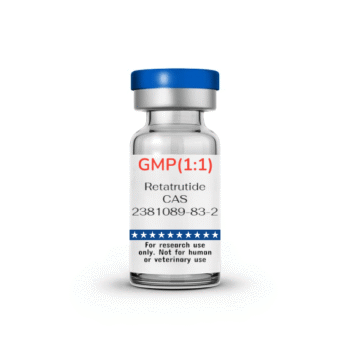
Anti-Aging Moq:10 vials per box Appearance:Lyophilized powder Purity:99% Original price was: $29.00.$23.00Current price is: $23.00.Retatrutide | CAS 2381089-83-2 | Dual GLP-1/GIP/Glucagon Receptor Agonist
Retatrutide (CAS 2381089-83-2) is a high-purity research-grade peptide optimized for in vitro mechanistic studies. It supports investigations into signal transduction, receptor interactions, and molecular pathway modulation. Supplied as a lyophilized powder, it ensures stability and reproducibility for laboratory research applications. Original price was: $14.00.$12.00Current price is: $12.00.
Reviews
There are no reviews yet.