
No products in the cart.
Sale
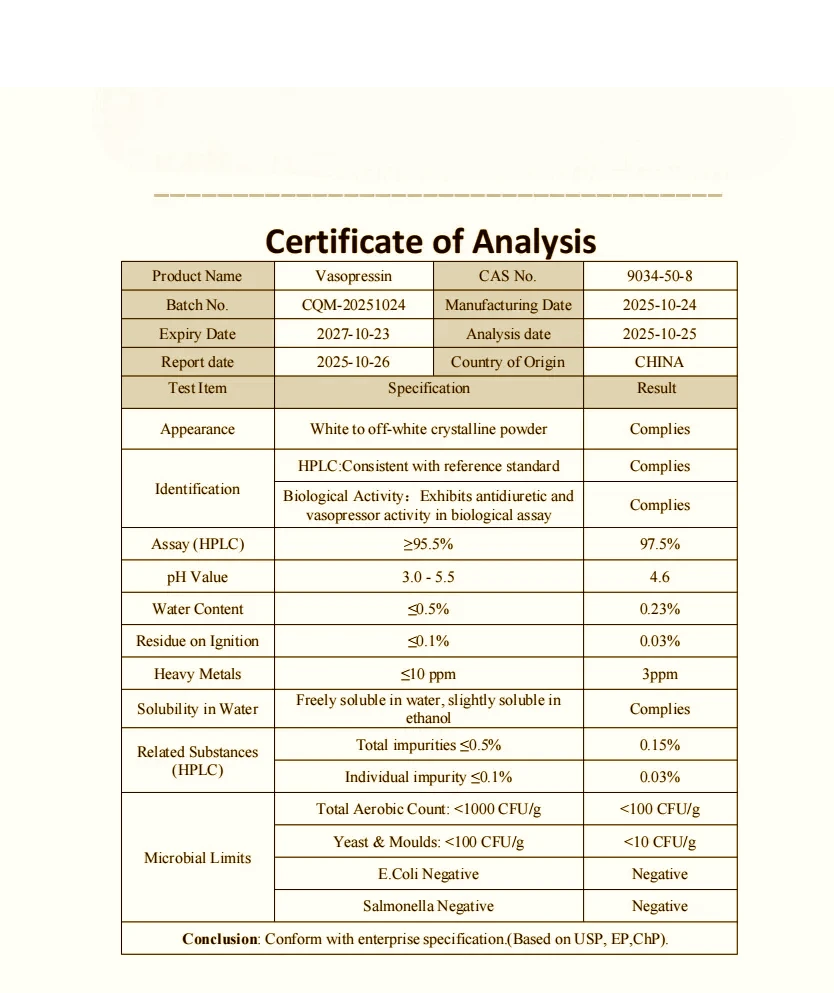
Vasopressin – 98%High Purity | Factory Manufactured | Low-Price Wholesale Supply
Original price was: $36.00.$24.00Current price is: $24.00.
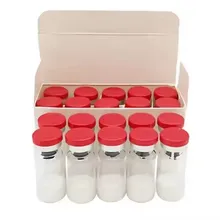
High purity Vasopressin (CAS 11000-17-2) manufactured under GMP-aligned conditions for laboratory and industrial research applications. Available in bulk, wholesale, and OEM-customized packaging with stable global supply and complete quality documentation.

Description
Contents
hide
Product Description
Vasopressin (CAS 11000-17-2) is a laboratory-grade peptide widely used in research exploring signaling mechanisms, regulatory biology, and molecular pathway dynamics. Manufactured under controlled GMP-compliant conditions, this high-purity lyophilized material ensures reproducible results across a wide range of experimental systems. Because of its consistent structure and reliable activity profile, the peptide is frequently incorporated into advanced biochemical, molecular, and receptor-focused studies where precise control over experimental variables is essential.
Researchers value Vasopressin for its clear interaction patterns with several well-defined receptor families, enabling the mapping of molecular communication networks in controlled laboratory environments. Its predictable characteristics make it a dependable reference standard in studies requiring strict assay calibration or comparative evaluation of regulatory pathways. When used in signaling-related investigations, the peptide allows scientists to explore complex molecular relationships, verify downstream pathway responses, and assess communication across interlinked biochemical modules.
Beyond fundamental signaling work, Vasopressin supports structural and mechanistic exploration aimed at understanding how molecular configuration influences receptor recognition and binding behavior. Its stable and well-characterized sequence provides an ideal platform for structure–activity relationship (SAR) studies, computational modeling validation, and ligand-receptor interaction profiling. The peptide is frequently selected for experimental designs that examine biochemical stability, activation thresholds, or receptor-dependent regulatory phenomena.
Because of its consistent laboratory performance, Vasopressin is also incorporated into workflows involving proteomics, transcriptomics, and multi-omic analysis. Its reproducibility enables cross-platform comparisons and supports data harmonization in multi-institution research settings. This makes it an excellent component in long-term mechanistic programs, exploratory pathway mapping, and benchmark testing for predictive computational algorithms.
With factory-manufactured consistency and strict quality control, Vasopressin offers researchers a reliable tool for studies focused on biochemical regulation, molecular signaling, and structural interpretation. Its high purity and analytical documentation ensure that laboratories can confidently integrate the peptide into sophisticated research systems requiring precision and reproducibility.
Product Specifications
| Parameter | Details |
|---|---|
| Product Name | Vasopressin |
| CAS Number | 11000-17-2 |
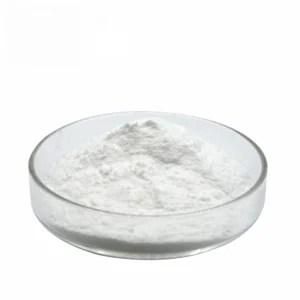
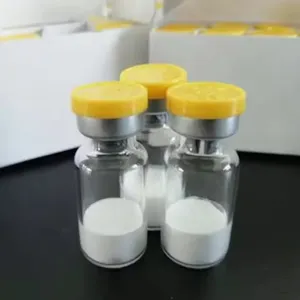
| Form | Lyophilized powder |
| Purity | ≥98% (HPLC) |
| Grade | Research-use laboratory grade |
| Manufacturing | GMP-compliant factory production |
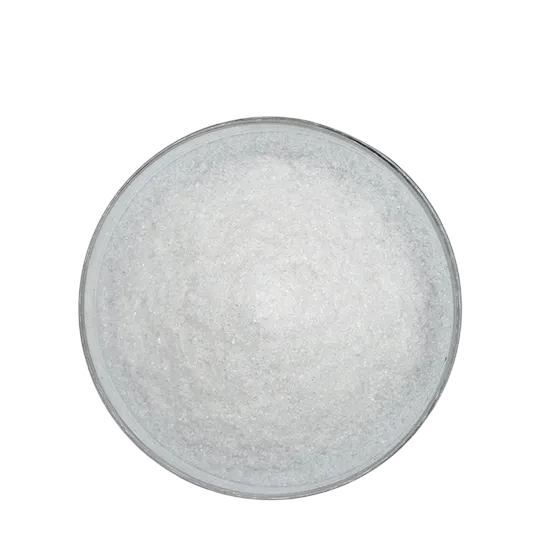
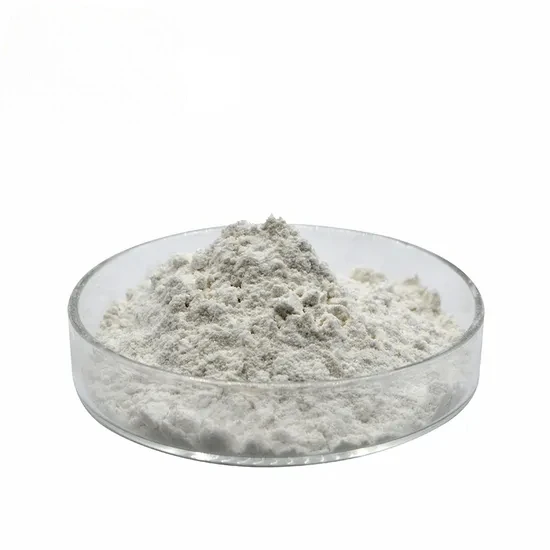
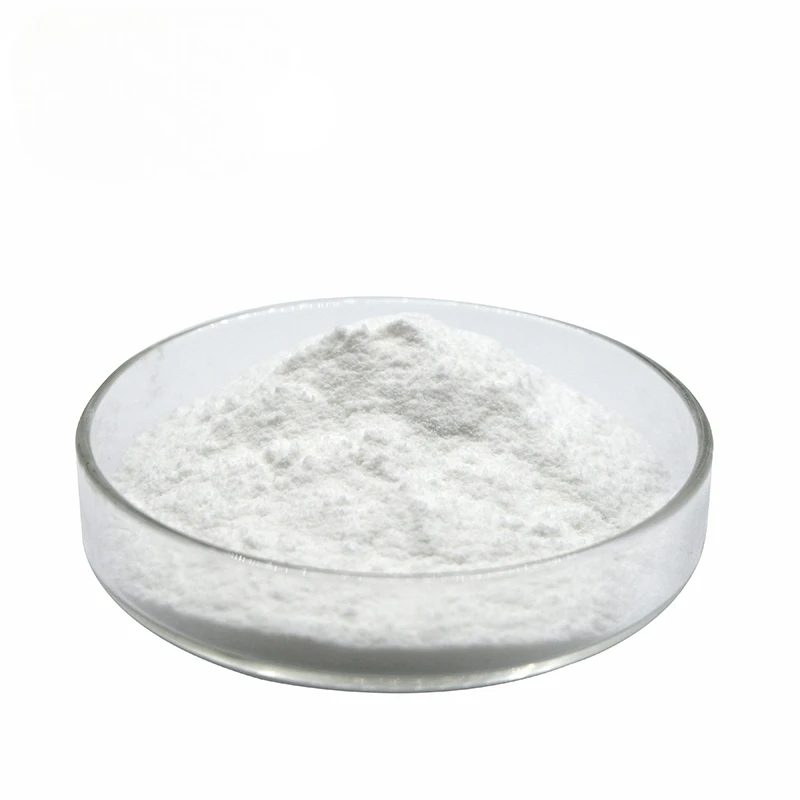
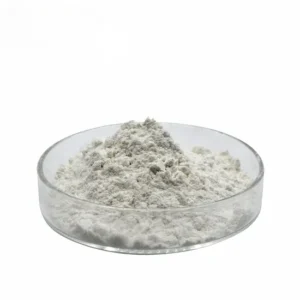
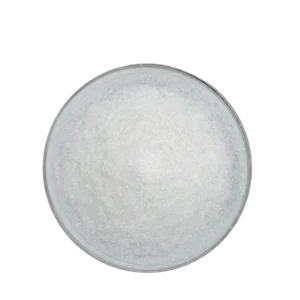
| Appearance | White to off-white lyophilized solid |
| Storage Conditions | Controlled low-temperature dry storage |
| Solubility | Readily soluble in standard laboratory buffers |
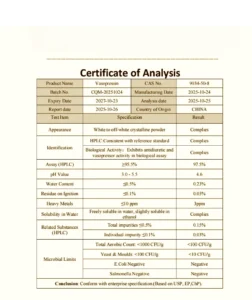
| Documentation | COA, MSDS, batch record supplied |
Notes :
The specifications of Vasopressin are designed to support rigorous laboratory workflows requiring batch-to-batch reliability and consistent experimental reproducibility. The peptide is presented as a high-purity lyophilized powder that maintains its structural integrity under proper storage conditions. Its ≥98% purity rating, confirmed by validated analytical techniques such as HPLC and mass spectrometry, ensures dependable performance in biochemical and molecular assays.
Factory manufacturing processes follow strict GMP-aligned controls to maintain uniformity in production and purification. This reduces variability and enhances confidence in assay calibration, signaling studies, receptor-focused research, and mechanistic explorations. The material dissolves readily in commonly used research buffers, facilitating straightforward integration into existing laboratory procedures.
Each batch of Vasopressin is documented with full analytical certification, enabling traceability and compliance for academic, industrial, or pharmaceutical-development research environments. Its stable lyophilized form ensures long-term integrity and supports multi-batch experimental programs where consistency is crucial.
Mechanism of Action
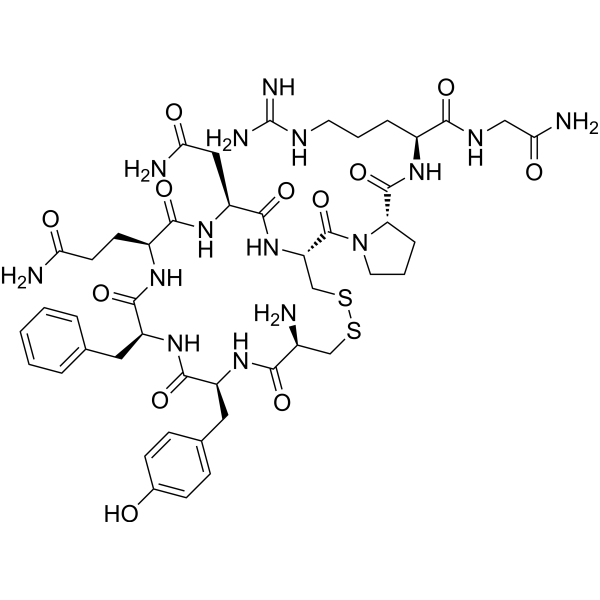
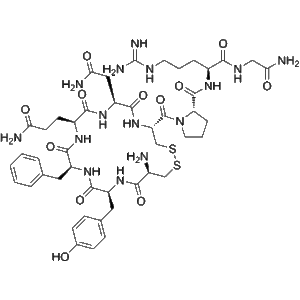
Vasopressin is frequently utilized in research settings to explore peptide-mediated regulatory mechanisms, receptor selectivity, and intracellular signaling architecture. Its cyclic nonapeptide structure, stabilized by a disulfide bridge, provides a compact yet highly specific molecular scaffold that researchers use to evaluate ligand–receptor recognition principles. This structure contributes to precise binding interactions, making Vasopressin an essential molecule for dissecting biochemical communication systems within controlled laboratory environments.
One of the primary reasons researchers rely on Vasopressin is its ability to engage distinct receptor families with differing affinities. These interactions enable systematic mapping of signaling hierarchies, second-messenger events, and regulatory outcomes associated with defined peptide stimuli. Because its molecular conformation is well characterized, Vasopressin is an excellent reference point for studies that aim to understand structural determinants governing receptor activation, affinity changes, and molecular selectivity. This also supports structure–activity relationship (SAR) analyses, where subtle sequence alterations can be correlated with functional consequences.
In cellular and biochemical models, Vasopressin assists in clarifying protein interaction patterns and post-binding signaling cascades. Researchers often investigate how its engagement with target receptors influences downstream biochemical transitions, transcriptional signatures, or regulatory pathway modulation. These controlled studies help reveal how peptide architecture relates to signal propagation, receptor coupling behavior, and modulation of molecular networks.
Computational biology also incorporates Vasopressin extensively. Molecular dynamics simulations, docking studies, and machine-learning models use it as a benchmark peptide due to its stable structure, predictable folding pattern, and consistent physicochemical properties. These digital representations make it possible to interpret binding mechanisms, evaluate conformational flexibility, and simulate interaction pathways that would otherwise require substantial experimental resources.
Multi-omic data integration further expands the relevance of Vasopressin. Researchers analyzing transcriptomic, proteomic, or pathway-level datasets often use the peptide as a controlled experimental variable for validating multi-dimensional measurements. Its defined molecular profile simplifies alignment between laboratory-generated results and in-silico predictions, improving the reliability of integrative analyses.
Overall, Vasopressin provides a versatile and highly characterized model peptide for examining regulated molecular interactions, receptor engagement principles, and quantitative signaling behavior. Its stability, consistent receptor responsiveness, and compatibility with both laboratory and computational systems continue to make it a cornerstone tool for modern peptide research programs.
Applications
Vasopressin is widely applied in laboratory research for investigating molecular signaling pathways, receptor dynamics, and regulatory mechanisms in controlled experimental settings. Its stable, high-purity profile allows researchers to study peptide–receptor interactions with precision, providing insights into receptor selectivity, binding affinity, and downstream pathway activation. In molecular biology studies, Vasopressin is often used to examine signaling cascades, evaluate receptor-mediated modulation, and explore feedback mechanisms that govern cellular regulatory networks.
In biochemical assays, Vasopressin serves as a reference molecule for structural, kinetic, and functional studies. Researchers use it to calibrate analytical techniques such as chromatography, mass spectrometry, and peptide-profiling workflows. Its predictable interaction pattern enables comparative assessments of structural analogs, facilitating structure–activity relationship (SAR) research and mechanistic peptide design. The peptide’s defined behavior ensures reliable and reproducible results across repeated experiments, supporting high-confidence data interpretation.
Vasopressin is also integrated into multi-omic platforms to evaluate systemic molecular responses. Proteomic, transcriptomic, and metabolomic studies utilize the peptide to map regulatory networks, quantify pathway-specific effects, and correlate receptor engagement with downstream molecular changes. Its incorporation into these workflows provides a controlled variable that enhances the reliability of cross-platform comparisons and supports integrative analysis across different data types.
Furthermore, Vasopressin is valuable in computational modeling and in-silico studies. Molecular docking simulations, structural prediction algorithms, and network modeling frequently employ the peptide to validate computational frameworks. Its well-characterized sequence and predictable folding enable accurate modeling of ligand–receptor interactions, receptor activation dynamics, and signaling network propagation.
The versatility of Vasopressin also extends to experimental optimization and method development. Laboratories often use it to test assay sensitivity, standardize peptide handling protocols, and verify analytical detection methods. The peptide’s consistency under standardized laboratory conditions makes it an ideal tool for multi-step experimental workflows, ensuring reproducibility and accuracy in research programs ranging from molecular signaling investigations to integrated multi-omic studies.
Overall, the applications of Vasopressin span biochemical, molecular, and computational research domains. Its stable structure, high purity, and reproducible signaling properties make it an indispensable tool for exploring receptor biology, signaling pathways, and peptide-mediated regulatory processes in modern laboratory research.
Research Models
Vasopressin is extensively employed across diverse laboratory research models to investigate peptide-mediated signaling, receptor interaction specificity, and regulatory network dynamics. Its well-characterized structure and high purity make it an ideal molecular tool for studies requiring reproducibility, precision, and controlled experimental variables. Researchers commonly use Vasopressin in cell-based systems, including engineered cell lines expressing specific receptor subtypes, to evaluate ligand-binding kinetics, receptor activation profiles, and downstream signaling pathways. These controlled models provide insights into mechanistic relationships between peptide structure and functional response, allowing for detailed molecular characterization.
Purified receptor preparations and in-vitro biochemical systems are also widely utilized with Vasopressin to study receptor–ligand interactions under defined conditions. These models enable high-resolution analysis of binding affinities, receptor selectivity, and molecular conformational changes associated with peptide engagement. By isolating specific receptors or signaling proteins, researchers can dissect discrete pathways and clarify the contribution of individual molecular components to overall regulatory processes.
In addition to traditional biochemical and cellular systems, Vasopressin supports computational and in-silico research models. Structural modeling, molecular docking simulations, and network-based predictive frameworks often employ the peptide as a reference molecule due to its well-defined folding, cyclic structure, and predictable receptor engagement. These computational models complement experimental observations, facilitating the design of hypothesis-driven studies and the validation of predicted molecular interactions.
High-throughput screening platforms also incorporate Vasopressin as a standard or benchmark peptide. Its consistent activity allows laboratories to evaluate assay robustness, reproducibility, and sensitivity across multiple experimental runs. Integration with multi-omic approaches, such as transcriptomics, proteomics, and metabolomics, further expands its utility by enabling researchers to correlate molecular changes with defined peptide stimuli across system-wide analyses.
Finally, the versatility of Vasopressin in research models extends to method development, quality control, and validation protocols. Laboratories utilize it to establish baseline responses, optimize analytical techniques, and ensure reproducibility across studies. Its stability, high purity, and predictable signaling behavior make Vasopressin an indispensable tool for mechanistic research, receptor characterization, and multi-platform experimental models.
Experimental Design Considerations
When incorporating Vasopressin into laboratory research, careful planning of experimental design is essential to ensure reproducibility and reliability. Researchers typically begin by verifying the purity, solubility, and batch-specific characteristics of Vasopressin as provided in the certificate of analysis. Consistency in preparation conditions, such as buffer composition, peptide concentration, and handling procedures, is crucial for obtaining accurate results in receptor-binding studies, signaling pathway analysis, and molecular characterization.
Experimental setups should account for controlled peptide exposure to avoid variability in biochemical or cellular models. Laboratories often employ standardized protocols for dissolving, aliquoting, and storing Vasopressin to maintain structural integrity and reduce potential degradation. Proper documentation of these steps ensures traceability and supports reproducibility across multiple experiments or research groups.
In receptor-focused studies, careful consideration of assay parameters such as incubation time, receptor expression levels, and environmental conditions is important. Vasopressin’s predictable receptor engagement allows researchers to map downstream signaling responses, but variations in experimental conditions can influence pathway activation. Therefore, defining and maintaining controlled experimental variables is essential to minimize confounding effects.
For multi-step workflows, such as integrating Vasopressin into proteomic, transcriptomic, or metabolomic analyses, it is advisable to implement internal controls, replicate measurements, and validation checkpoints. This ensures that observed molecular changes are attributable to peptide activity rather than procedural inconsistencies. Researchers may also incorporate negative or comparative controls to differentiate receptor-specific effects from background noise.
High-throughput or large-scale studies benefit from the consistent performance of factory-manufactured Vasopressin. Its stable physicochemical properties reduce batch-to-batch variability, facilitating comparative analysis across multiple experiments. Computational modeling and predictive simulations can also be aligned with empirical observations, enhancing confidence in integrative research approaches.
Overall, thoughtful experimental design incorporating Vasopressin emphasizes controlled handling, validated preparation methods, and consistent documentation. These considerations are critical for ensuring accurate, reproducible, and interpretable results in receptor biology, signaling pathway studies, and multi-omic research programs.
Laboratory Safety & Handling Guidelines
Vasopressin should be handled exclusively in laboratory environments equipped for peptide research. Standard precautions, including the use of gloves, protective garments, and properly ventilated workspace, are recommended to prevent accidental contact with materials or laboratory surfaces. Because peptides may exhibit sensitivity to environmental factors, researchers typically avoid prolonged exposure to moisture, direct light, or elevated temperatures to preserve material integrity.
The lyophilized form of Vasopressin is stable when stored under controlled low-temperature and dry conditions. Laboratories should employ desiccation practices when appropriate and ensure that containers remain tightly sealed when not in use. During handling, minimizing repeated freeze–thaw cycles helps maintain consistency across experimental replicates and protects structural stability.
Preparation of working solutions should utilize high-quality research buffers. Avoiding contaminated tools, inappropriate solvents, or non-sterile environments helps preserve material reliability. Researchers often aliquot stock material to prevent unnecessary exposure and support consistent results in long-term study programs.
Waste disposal procedures should follow local laboratory regulations for peptide-containing materials. By adhering to validated handling protocols and safety measures, Vasopressin can be integrated into research workflows with reliability and predictable performance.
Integration with Multi-Omic & Computational Studies
Vasopressin is increasingly incorporated into multi-omic research frameworks, enabling comprehensive evaluation of molecular networks, regulatory pathways, and signaling hierarchies. In transcriptomics, the peptide supports mapping of expression patterns associated with receptor engagement and regulatory communication. Proteomic workflows use the molecule to examine modifications of signaling proteins, receptor dynamics, and post-activation molecular transitions. Its stable activity profile facilitates consistent multi-dataset comparisons and enhances cross-platform interpretability.
Metabolomic studies benefit from Vasopressin as a reference tool for examining shifts in biochemical pathways associated with regulatory signaling. Because of its reproducible laboratory behavior, researchers can correlate metabolite changes with upstream receptor-mediated events, contributing to deeper understanding of molecular system responses.
Computational biology platforms leverage the peptide to validate predictive models of ligand–receptor docking, structural conformational shifts, and pathway propagation. Integrating experimental datasets with algorithmic models strengthens systems-level interpretations and supports the development of accurate predictive frameworks.
Overall, Vasopressin serves as a versatile anchor molecule for integrated multi-omic and computational research pipelines, allowing scientists to construct cohesive interpretations of molecular activity across diverse analytical domains.
Keywords
Vasopressin, Vasopressin peptide, vasopressin CAS 11000-17-2, vasopressin research, high-purity Vasopressin, factory manufactured Vasopressin, wholesale Vasopressin, laboratory peptide, signaling peptide, receptor ligand, biochemical research peptide, molecular pathway peptide.
Shipping Guarantee
All shipments of Vasopressin are packed using validated temperature-controlled systems (2–8 °C) and sealed moisture-protective containers to maintain peptide stability during global transit. Each shipment includes batch documentation, COA, MSDS, and real-time tracking information. Packaging is engineered to preserve integrity during international research logistics and ensure arrival in optimal condition. Additional reinforcement is used for bulk or wholesale orders requiring extended transit.
Trade Assurance
Factory-manufactured production ensures that each batch of Vasopressin maintains high purity and reproducible analytical characteristics. Bulk supply, OEM customization, and specialized packaging are available for institutional requirements. Full documentation accompanies every shipment to support regulatory compliance, internal quality audits, and traceability. Reliability in delivery timelines and product consistency is guaranteed under our research-grade supply framework.
Payment Support
We support international purchasing through bank transfer, corporate billing, major credit cards, PayPal, and approved cryptocurrency options. Bulk and wholesale clients may request customized billing terms suitable for institutional procurement. All transactions are processed through secure, auditable channels to align with global research purchasing standards.
Disclaimer
This product is intended solely for laboratory research use. It is not intended for human or veterinary applications. All handling should follow institutional biosafety guidelines and applicable regulations. Researchers are responsible for maintaining controlled laboratory conditions when working with this peptide.
References
Manning M., et al. Design and properties of vasopressin and analog peptides. Endocr Rev. 2012;33(4):396–427. https://pubmed.ncbi.nlm.nih.gov/22763472
Holmes C. L., et al. Physiology and receptor biology of vasopressin. Physiol Rev. 2003;83(1):21–64. https://pubmed.ncbi.nlm.nih.gov/12506197
Schrier R. W., et al. Vasopressin receptor research and molecular signaling analysis. Am J Physiol Renal Physiol. 2002;283:F893–F904. https://pubmed.ncbi.nlm.nih.gov/12379750
Bichet D. G., et al. Vasopressin receptor pharmacology. Handb Exp Pharmacol. 2008;182:93–108. https://pubmed.ncbi.nlm.nih.gov/18393088
Robertson G. L., et al. Neuroendocrine research applications of vasopressin. Endocrinology. 2001;142:2311–2318. https://pubmed.ncbi.nlm.nih.gov/11309347

Additional information
| Weight | 0.6 kg |
|---|---|
| Dimensions | 23 × 26 × 23 cm |
1. What is the research purpose of Vasopressin?
Vasopressin is used in molecular and cellular research to investigate peptide–receptor interactions, signaling pathways, and regulatory network mechanisms. It provides a well-characterized model for studying receptor selectivity and peptide-mediated molecular responses.
2. What purity level is provided for Vasopressin?
Each batch of Vasopressin is produced with ≥98% purity, verified by HPLC and other analytical methods. High purity ensures reliable experimental results and consistent molecular behavior.
3. Which documentation is supplied with Vasopressin?
Every order of Vasopressin includes a certificate of analysis (COA), material safety data sheet (MSDS), and batch-specific records. These documents support compliance, reproducibility, and traceability in research workflows.
4. Can Vasopressin be used in computational studies?
Yes. The stable structure of Vasopressin makes it suitable for molecular docking simulations, structural modeling, and machine-learning applications in peptide research. It is often used as a reference molecule in computational pipelines.
5. What are the recommended storage conditions?
Vasopressin should be stored at −20 °C in a moisture-controlled environment, protected from light. Proper storage maintains stability and extends shelf life.
6. Are bulk quantities available for research use?
Yes. Factory-manufactured Vasopressin is available in bulk and wholesale quantities. Custom packaging and OEM options are also supported for institutional laboratories.
7. Is custom packaging available?
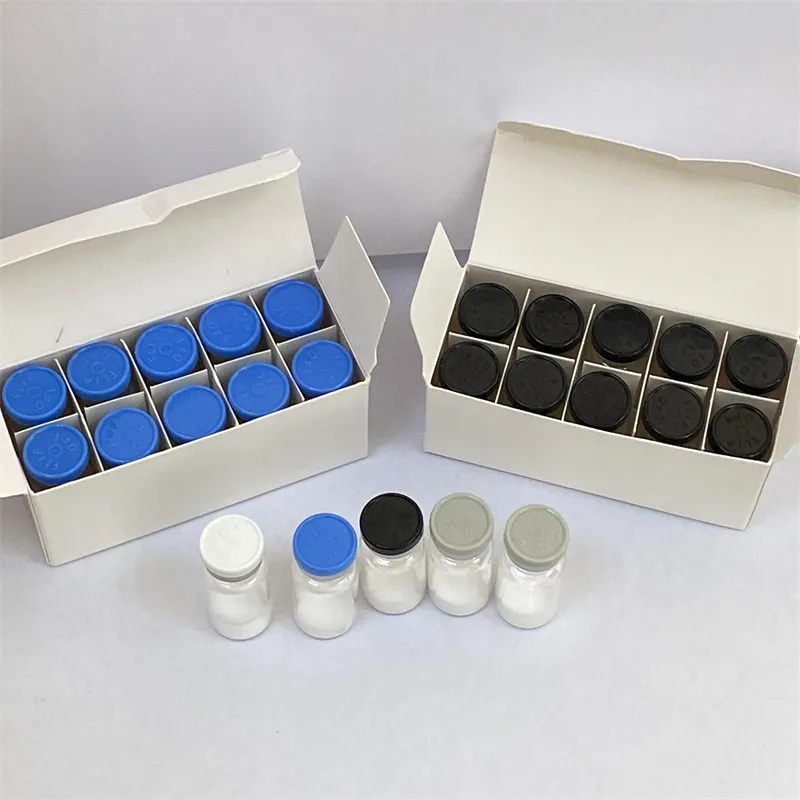
Custom vial sizes, labels, and packaging formats for Vasopressin can be arranged according to research workflow requirements. This facilitates laboratory integration and ensures convenient handling.
8. How is the identity of Vasopressin verified?
Identity verification for Vasopressin includes HPLC, mass spectrometry, purity profiling, and structural confirmation. These tests ensure the peptide meets high-quality research standards.
9. Can Vasopressin be incorporated into multi-omic research?
Yes. Vasopressin is compatible with transcriptomic, proteomic, and metabolomic platforms, providing a controlled molecular reference for integrative experimental designs.
10. How quickly are orders of Vasopressin processed?
Most orders are processed within the same operational cycle, shipped with full tracking, and packaged under temperature-controlled conditions to ensure integrity during transit.
11. What are the advantages of factory-manufactured Vasopressin?
Factory-manufactured Vasopressin ensures batch consistency, reproducible molecular activity, and high purity. This supports long-term experimental reliability in research programs.
12. Are certificates traceable for Vasopressin batches?
Yes. Each COA and batch record contains traceable identifiers for quality assurance and audit purposes. Researchers can rely on these for verification and compliance.
13. Is Vasopressin compatible with analytical platforms?
Yes. The peptide’s solubility, stability, and structural consistency make it suitable for chromatography, mass spectrometry, and other peptide profiling tools.
14. Can Vasopressin be used for assay development?
Yes. Laboratories commonly use Vasopressin to optimize assay sensitivity, validate analytical methods, and standardize experimental procedures.
Related products
Cosmetic Peptide Raw Material Factory – Low Price Wholesale Direct from China
Cosmetic Peptide Appearance: Lyophilized powder Dose 2mg 5mg 10mg 15mg 20mg Higher Original price was: $42.00.$22.00Current price is: $22.00.Wholesale 99% Purity Epitalon Peptide Raw Powder for Skin Repair
Epitalon Peptide Raw Powder for Skin Repair Original price was: $33.00.$22.00Current price is: $22.00.99.9% Effective Weight Loss Shaping Peptide – Beauty Peptide Factory Direct Low Price Wholesale
Peptide Purity 99% Specification 5mg/vial, 10mg/vial, 15mg/vial Original price was: $38.00.$23.00Current price is: $23.00.USA-Peptide-Janoshik Lyophilized Peptide Raw Powder for Muscle Building & Weight Loss
Lyophilized peptide raw powder Moq:10 vials per box Appearance:Lyophilized powder Original price was: $32.00.$24.00Current price is: $24.00.

Reviews
There are no reviews yet.