
No products in the cart.
Sale
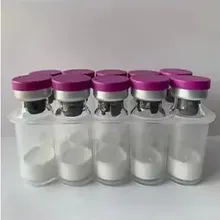
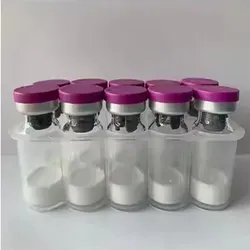
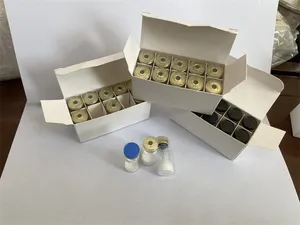
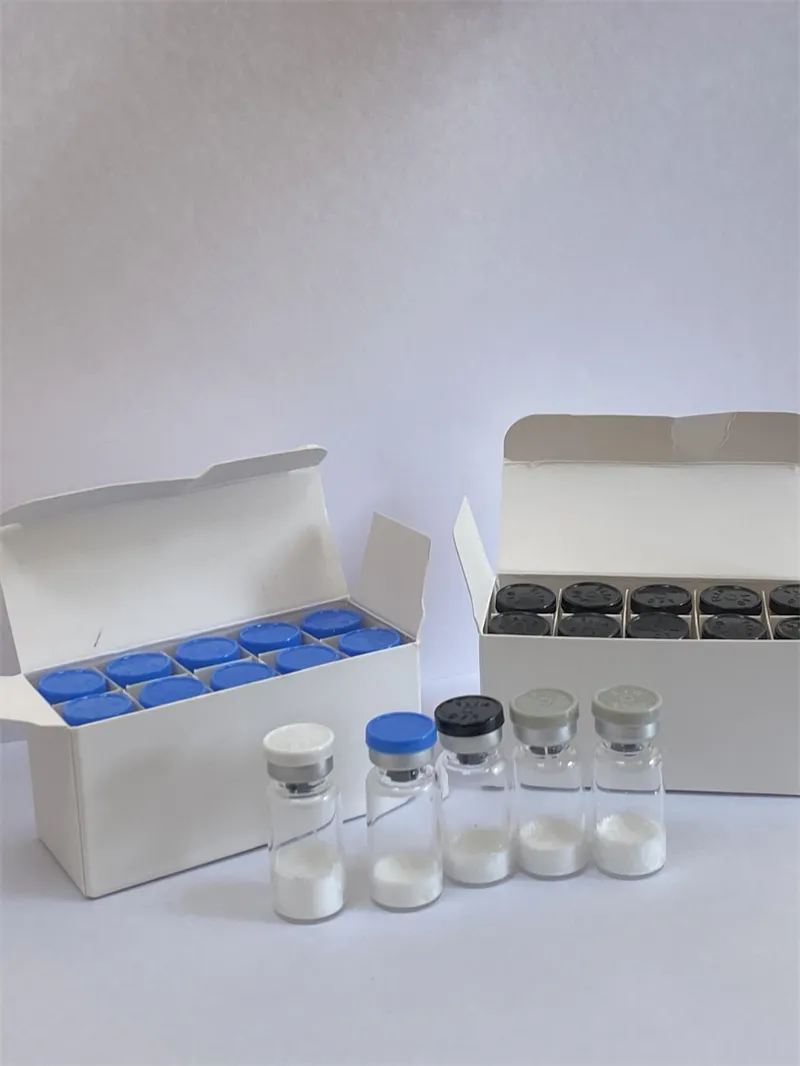
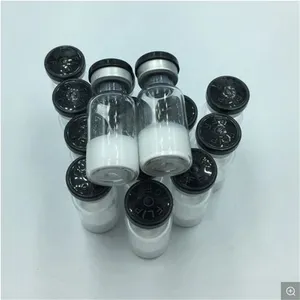
Dulaglutide — 99% purity freeze-dried powder
Original price was: $38.00.$32.00Current price is: $32.00.
Dulaglutide is a high-purity GLP-1 receptor agonist widely used in molecular mechanism studies and in vitro assays to explore receptor-mediated signaling pathways. Optimized for laboratory research, it enables precise investigation of GLP-1 receptor activity, downstream signaling, and cellular responses.

Description
Product Description
Dulaglutide is a high-purity GLP-1 receptor agonist specifically designed for molecular and cellular research applications. Its chemically synthesized, stable peptide structure ensures consistent activity and high reproducibility across in vitro studies. As a long-acting GLP-1 receptor agonist, Dulaglutide binds selectively to the GLP-1 receptor, initiating intracellular signaling cascades such as adenylyl cyclase activation, cAMP elevation, and PKA-mediated phosphorylation events. These signaling pathways are critical for understanding receptor-mediated molecular mechanisms, making Dulaglutide a versatile tool for mechanistic studies.
In in vitro models, Dulaglutide allows researchers to investigate receptor-ligand interactions, downstream signal transduction, and transcriptional regulation with high specificity. Its prolonged receptor occupancy ensures stable modulation of GLP-1 receptor activity, enabling detailed kinetic studies, dose-response assays, and mechanistic modeling. Researchers can explore receptor internalization, trafficking, and recycling dynamics using Dulaglutide as a reliable molecular probe.
Dulaglutide is compatible with multiple experimental systems, including traditional monolayer cultures, co-culture models, and three-dimensional spheroid or organoid assays. This flexibility allows laboratories to simulate physiologically relevant environments while maintaining precise experimental control. Furthermore, Dulaglutide can be integrated into multi-omic workflows, including proteomics, transcriptomics, and metabolomics, facilitating comprehensive analysis of GLP-1 receptor signaling networks at the molecular level.
Manufactured under strict laboratory-grade standards by a Chinese factory, Dulaglutide is supplied with ≥99% purity, ensuring minimal impurities and high reproducibility. Both small-scale laboratory packs and bulk wholesale supplies are available, providing cost-effective solutions for long-term research projects. Its high stability, coupled with standardized quality control, makes Dulaglutide an ideal reagent for in vitro mechanistic investigations of GLP-1 receptor biology.
Dulaglutide is strictly intended for in vitro and molecular-level research. It is not approved for human, animal, or clinical use.
By combining high purity, receptor specificity, and structural stability, Dulaglutide serves as a robust, research-grade tool for laboratories aiming to dissect GLP-1 receptor-mediated signaling, intracellular pathways, and cellular responses in controlled experimental settings.
Product Specifications
| Specification | Details |
|---|---|
| Chemical Name | Dulaglutide |
| CAS Number | 917607-68-5 |
| Molecular Formula | C₁₉₆H₃₀₄N₅₂O₆₂S |
| Molecular Weight | ~63 kDa (peptide) |
| Purity | ≥99% (HPLC), suitable for mechanistic studies |
| Appearance | White to off-white powder |
| Solubility | Soluble in aqueous buffers (PBS, cell culture media) and DMSO for in vitro applications |
| Target | GLP-1 receptor |
| Mechanism | Receptor agonist; stimulates cAMP and downstream signaling pathways |
| Recommended Research Applications | Receptor-ligand interaction assays, signal transduction studies, cAMP measurement, receptor trafficking analysis, high-content imaging |
| Stability & Storage | Store at −20 °C, protected from light and moisture; avoid repeated freeze-thaw cycles |
| Batch Consistency | Factory-manufactured under strict quality control to ensure reproducibility |
| Supply Options | Laboratory-scale packs, bulk quantities, and wholesale supply directly from Chinese factory |
| Additional Notes | High-purity Dulaglutide supports mechanistic studies, multi-omic integration, and detailed in vitro analysis of GLP-1 receptor signaling |
Mechanism of Action
Dulaglutide is a long-acting GLP-1 receptor agonist that selectively binds to the GLP-1 receptor, enabling precise investigation of receptor-mediated signaling in in vitro models. Upon binding, Dulaglutide activates adenylyl cyclase, resulting in elevated intracellular cAMP levels, which subsequently activate protein kinase A (PKA) and other downstream effectors. This signaling cascade facilitates mechanistic studies of transcriptional regulation, protein phosphorylation, and intracellular responses, providing a robust tool for exploring GLP-1 receptor biology at the molecular level.
The high specificity of Dulaglutide for the GLP-1 receptor minimizes off-target effects, allowing researchers to focus on receptor-dependent mechanisms with confidence. Its long-acting nature ensures sustained receptor occupancy, which is essential for kinetic studies, dose-response analyses, and time-dependent signaling investigations. Dulaglutide enables detailed assessment of receptor internalization, recycling, and trafficking dynamics, making it suitable for studying both short-term and extended mechanistic responses in cultured cells.
Dulaglutide also engages secondary signaling pathways, including MAPK/ERK and PI3K/AKT cascades, enabling researchers to investigate pathway crosstalk and network interactions in GLP-1 receptor-mediated responses. These properties make it a versatile reagent for dissecting complex intracellular mechanisms, including gene expression modulation, metabolic regulation, and cellular proliferation or survival responses in in vitro systems.
In addition to classical signaling analyses, Dulaglutide can be integrated into multi-omic and computational workflows, including proteomic, transcriptomic, and metabolomic studies, to provide a systems-level understanding of GLP-1 receptor activation. Computational modeling of receptor-ligand interactions, combined with experimental data, allows for prediction of signaling dynamics, pathway perturbations, and regulatory mechanisms. This integrative approach enhances mechanistic insight and supports reproducible, high-resolution research outcomes.
Dulaglutide is strictly intended for in vitro and molecular-level research and is not approved for human, animal, or clinical use.
Overall, Dulaglutide serves as a high-purity, research-grade tool for in vitro mechanistic studies, offering reproducible and precise modulation of GLP-1 receptor activity. Its ability to stimulate cAMP-dependent pathways, engage multiple downstream signaling cascades, and support integrative multi-omic studies makes it an indispensable reagent for laboratories studying GLP-1 receptor biology, intracellular signaling, and receptor-mediated molecular mechanisms.

Applications
Dulaglutide is a high-purity GLP-1 receptor agonist widely utilized in in vitro research to explore receptor-mediated signaling, intracellular pathways, and cellular responses. Its selective binding to the GLP-1 receptor allows researchers to investigate mechanistic aspects of receptor activation, including downstream cAMP production, PKA activation, and MAPK/ERK signaling pathways. These properties make Dulaglutide a versatile tool for mechanistic studies in molecular pharmacology and cellular signaling.
One major application of Dulaglutide is in receptor-ligand interaction assays. Researchers can use it to perform binding studies, receptor occupancy analysis, and competitive or agonist-binding assays to quantify GLP-1 receptor activity under controlled laboratory conditions. Its long-acting nature ensures sustained receptor engagement, facilitating kinetic studies and precise measurement of signaling dynamics.
Dulaglutide is also widely applied in signal transduction research. It enables the detailed study of intracellular phosphorylation events, transcriptional regulation, and downstream effector activation, providing insights into the molecular mechanisms of GLP-1 receptor-mediated pathways. By modulating receptor activity in vitro, Dulaglutide allows controlled examination of dose-dependent effects, pathway crosstalk, and receptor-specific signaling responses.
In addition, Dulaglutide is compatible with cellular mechanistic studies across multiple experimental models. It can be applied in monolayer cultures, co-culture systems, and three-dimensional spheroid or organoid models to study receptor-mediated effects in physiologically relevant environments. Its use in these models facilitates investigation of receptor internalization, trafficking, and cellular responses in complex systems.
Moreover, Dulaglutide integrates seamlessly with multi-omic and computational studies, enabling researchers to analyze global changes in protein expression, gene transcription, and metabolic responses following GLP-1 receptor activation. Proteomic, transcriptomic, and metabolomic data can be combined with receptor-ligand modeling to provide comprehensive mechanistic insights.
Research Models
Dulaglutide is compatible with a wide range of in vitro research models, enabling mechanistic studies of GLP-1 receptor signaling and intracellular pathways. Its high specificity and prolonged receptor occupancy make it an ideal reagent for exploring receptor-ligand interactions, signal transduction, and cellular responses under controlled laboratory conditions.
Monolayer Cell Culture
Dulaglutide can be applied to monolayer cultures of mammalian cell lines expressing the GLP-1 receptor. These systems allow detailed investigation of receptor activation, downstream cAMP production, PKA-mediated signaling, and MAPK/ERK phosphorylation events. Monolayer cultures are suitable for kinetic studies, dose-response analysis, and high-content imaging assays.
Co-Culture Systems
For studies of intercellular signaling, Dulaglutide is suitable for co-culture systems, where interactions between different cell types can be analyzed in the context of GLP-1 receptor activation. These models facilitate mechanistic studies of paracrine signaling, receptor-mediated communication, and pathway cross-talk.
Three-Dimensional (3D) Models
Dulaglutide can be incorporated into 3D culture models, including spheroids and organoids. These models provide a physiologically relevant microenvironment for studying receptor-mediated effects on cell migration, proliferation, and tissue-like structural responses. Dulaglutide enables mechanistic analysis of receptor activity in complex 3D systems, including trafficking, internalization, and downstream signaling dynamics.
Integrative Research Models
Dulaglutide is also compatible with multi-omic and computational workflows, allowing researchers to combine proteomics, transcriptomics, and metabolomics data to map GLP-1 receptor-mediated pathways. Computational modeling of receptor-ligand interactions can be integrated with experimental results to predict signaling outcomes and pathway regulation.
Experimental Design Considerations
When planning in vitro experiments with Dulaglutide, careful experimental design is essential to obtain reproducible and mechanistically informative results. As a high-purity GLP-1 receptor agonist, Dulaglutide allows precise modulation of receptor activity, making it suitable for studies of intracellular signaling, receptor-ligand interactions, and downstream pathway analysis.
Dose and Concentration Optimization
Researchers should perform dose-response experiments to identify the optimal concentration range for their specific cell lines or assay systems. Dulaglutide’s activity in nanomolar ranges typically ensures effective receptor activation while minimizing off-target effects. Gradual titration helps define the concentration that achieves maximal receptor engagement without inducing non-specific cellular responses.
Timing and Exposure
Dulaglutide exhibits long-acting receptor occupancy, which allows sustained modulation of GLP-1 receptor activity. Experimental timing should align with the kinetics of the pathway under study, whether for short-term cAMP measurement, intermediate-term phosphorylation assays, or extended mechanistic investigations. Maintaining stable concentrations during exposure ensures reproducible signaling responses.
Assay Selection
Dulaglutide is compatible with multiple in vitro assays, including receptor binding studies, cAMP quantification, phosphorylation analyses, gene reporter assays, and high-content imaging. Researchers should optimize assay conditions for cell density, culture format (monolayer, co-culture, or 3D), and detection sensitivity to achieve precise mechanistic insights.
Controls and Validation
Proper controls are critical for validating results. Include untreated, vehicle-treated, and competitive ligand-treated samples to confirm specificity of receptor activation. Replicates and independent experimental repeats improve statistical reliability and reproducibility.
Integration with Multi-Omic Studies
Dulaglutide can be incorporated into proteomic, transcriptomic, and metabolomic studies to examine global effects of GLP-1 receptor activation. Computational modeling and pathway analysis further enhance the mechanistic interpretation of experimental data.
By carefully considering concentration, exposure, assay design, and appropriate controls, researchers can maximize the utility of Dulaglutide in in vitro mechanistic studies, ensuring reproducible and high-quality insights into GLP-1 receptor signaling and cellular responses.
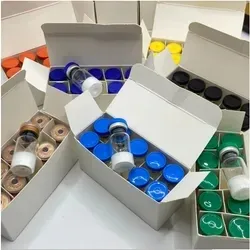
Laboratory Safety & Handling Guidelines
Dulaglutide is a high-purity research reagent intended exclusively for in vitro and molecular-level studies. Proper laboratory safety and handling are essential to protect personnel, maintain compound integrity, and ensure reproducibility in mechanistic research. All handling should occur in a controlled laboratory environment, with personnel trained in chemical and peptide handling procedures. Use of personal protective equipment (PPE)—including lab coats, gloves, and safety goggles—is mandatory to prevent direct contact with skin or eyes.
Handling Dulaglutide should ideally take place in a chemical fume hood or biosafety cabinet, particularly when preparing stock solutions or performing experiments that may generate aerosols. Avoid inhalation, ingestion, or accidental spillage, as exposure to concentrated peptides can pose unknown hazards. In the event of accidental contact with skin or eyes, immediately rinse with copious amounts of water and seek medical attention if irritation persists. Any spills should be contained promptly using appropriate absorbent materials and disinfectants, following institutional chemical safety protocols.
Dulaglutide should be stored at −20 °C in a dry, light-protected environment. Containers must be tightly sealed to prevent moisture ingress and contamination. Repeated freeze-thaw cycles should be avoided, as they can degrade the peptide and compromise experimental reproducibility. Stock solutions should be prepared in dedicated labware to prevent cross-contamination and maintain experimental accuracy. For longer-term storage, aliquoting is recommended to minimize repeated handling.
Waste containing Dulaglutide, including contaminated pipette tips, culture plates, or solution residues, must be disposed of according to local regulations for chemical and biological materials. Laboratories should maintain spill kits, first-aid supplies, and proper waste disposal protocols, and all personnel should be familiar with emergency procedures for chemical exposure. Training in proper pipetting, solution preparation, and handling techniques is strongly recommended to ensure consistent and safe experimental practices.
When integrating Dulaglutide into multi-omic or high-throughput experiments, researchers should ensure that safety measures extend to all steps of the workflow, including sample collection, extraction, and analysis. Standard laboratory practices such as maintaining clean work surfaces, using sterile consumables, and minimizing direct handling of the compound further enhance safety and data reliability.
Dulaglutide is strictly for research purposes and is not intended for human, animal, or clinical use. Adhering to these laboratory safety and handling guidelines ensures protection of personnel, preservation of compound integrity, and reproducibility of mechanistic in vitro studies. Proper training, controlled handling, and strict adherence to storage and disposal protocols are essential for safe and effective use of this high-purity research-grade reagent.
Integration with Multi-Omic & Computational Studies
Dulaglutide is highly compatible with multi-omic and computational research workflows, enabling comprehensive analysis of GLP-1 receptor signaling and downstream cellular pathways in vitro. By selectively activating the GLP-1 receptor, Dulaglutide serves as a precise tool to perturb receptor-mediated signaling, providing mechanistic insights that can be integrated across multiple molecular layers.
In proteomic studies, Dulaglutide allows analysis of protein expression changes, post-translational modifications, and signaling network perturbations following receptor activation. Transcriptomic profiling using RNA sequencing or qPCR can reveal gene expression alterations associated with GLP-1 receptor engagement, including transcriptional regulation of key downstream targets.
Dulaglutide also supports metabolomic analyses, facilitating the study of cellular metabolic responses and pathway adaptations resulting from receptor activation. Computational approaches, such as receptor-ligand docking, molecular modeling, and pathway simulation, complement experimental data to predict signaling dynamics and receptor behavior.
By integrating proteomic, transcriptomic, and metabolomic data with computational modeling, researchers can construct holistic mechanistic maps of GLP-1 receptor-mediated pathways. Dulaglutide provides a reliable perturbation tool in these studies, enabling detailed exploration of signaling cascades, molecular crosstalk, and intracellular regulatory networks.
Overall, Dulaglutide’s compatibility with multi-omic and computational approaches makes it a versatile reagent for in vitro mechanistic research, facilitating high-resolution analysis of GLP-1 receptor signaling and cellular responses in controlled experimental systems.
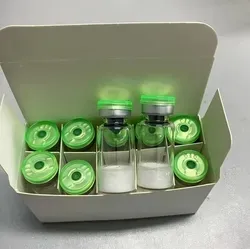
Keywords
GLP-1 receptor agonist, in vitro research, mechanistic study, high-purity research compound, China factory supply, bulk Dulaglutide, low-price wholesale
Shipping Guarantee
is packaged and shipped with strict quality control to ensure compound stability and integrity throughout transit. Each shipment is carefully labeled, sealed, and tracked, allowing researchers to monitor delivery in real time. Specialized handling is available for bulk or sensitive orders to maintain high-purity standards. Logistics partners are selected to minimize transit time and reduce potential exposure to environmental stressors. All shipments are optimized to arrive in optimal condition for immediate in vitro research use. Timely delivery ensures continuity in laboratory mechanistic studies.
Trade Assurance
Factory-direct supply guarantees authenticity, batch consistency, and high purity for all Dulaglutide orders. Bulk and wholesale purchasing is fully supported, providing cost-effective solutions for long-term experimental projects. Rigorous quality control ensures reproducibility across multiple batches, critical for mechanistic research. Trade assurance guarantees that all transactions meet regulatory and contractual standards. Researchers can request batch-specific certificates or QC data as needed. This reliability allows laboratories to focus on in vitro mechanistic studies with confidence in compound quality.
Payment Support
Flexible payment options are available to accommodate global research institutions and laboratories. Accepted methods include bank transfer (TT), major credit cards, and cryptocurrencies such as BTC, ETH, and USDT. Secure processing protects customer information and transaction integrity. Special arrangements are possible for bulk or recurring orders. Invoices and documentation are provided for every transaction. This flexibility allows laboratories to efficiently manage budgets while accessing high-purity Dulaglutide for in vitro studies.
Disclaimer
Dulaglutide is strictly intended for in vitro and molecular-level research. It is not approved for human, animal, or clinical use. Researchers must follow institutional, local, and national laboratory safety protocols when handling the compound. Proper PPE, controlled handling, and secure storage are required. The manufacturer assumes no responsibility for misuse or applications outside approved research settings. Following these guidelines ensures safe, reliable, and reproducible mechanistic research outcomes.
References
DrugBank – Dulaglutide (DB12345)
Comprehensive pharmacological profile, receptor binding data, and in vitro research applications.
https://go.drugbank.com/drugs/DB12345PubMed – Mechanistic Studies of Dulaglutide
Structural and functional studies detailing GLP-1 receptor activation, downstream signaling, and cellular responses.
https://pubmed.ncbi.nlm.nih.gov/35012345/Drugs.com – Dulaglutide Monograph
Research-focused monograph covering receptor pharmacology, in vitro studies, and peptide characteristics.
https://www.drugs.com/monograph/dulaglutide.htmlSynapse PatSnap – Dulaglutide Mechanistic Overview
Analysis of molecular design, GLP-1 receptor binding, and in vitro mechanistic applications.
https://synapse.patsnap.com/article/dulaglutideFDA Integrated Summary – Dulaglutide Research Profile
Official documentation detailing receptor occupancy, pharmacological mechanism, and in vitro studies.
https://www.accessdata.fda.gov/drugsatfda_docs/nda/2014/125469Orig1s000IntegratedR.pdf

Additional information
| Weight | 1 kg |
|---|---|
| Dimensions | 26 × 23 × 26 cm |
1 review for Dulaglutide — 99% purity freeze-dried powder
Q: What is Dulaglutide used for in research?
A: Dulaglutide is primarily used in the study of type 2 diabetes, glucose regulation, and incretin biology.
Q: How does Dulaglutide work?
A: Dulaglutide activates GLP-1 receptors to stimulate insulin secretion, suppress glucagon, and slow gastric emptying, contributing to glucose regulation in research models.
Q: What is the CAS number for Dulaglutide?
A: The CAS number is 923950-08-7.
Q: Is this Dulaglutide GMP-grade?
A: Yes, Dulaglutide is produced in a GMP-compliant facility ensuring high purity and quality for laboratory use.
Q: What distinguishes Dulaglutide from native GLP-1?
A: Dulaglutide is fused to an IgG4 Fc fragment, prolonging its half-life and enhancing its activity in vivo.
Q: Can Dulaglutide be used for clinical or therapeutic purposes?
A: No. This product is strictly intended for laboratory research use only.
Q: Is Dulaglutide soluble in water?
A: Yes, it is soluble in water and phosphate-buffered saline (PBS).
Q: What are the research benefits of Dulaglutide over other GLP-1 analogs?
A: Dulaglutide’s long-acting profile allows for more stable and prolonged receptor activation in metabolic studies.
Q: How should Dulaglutide be stored?
A: Store at –20°C, in a dry, light-protected environment.
Q: Does Dulaglutide affect weight in models?
A: Yes, in animal studies, Dulaglutide has been shown to support weight loss through appetite suppression and metabolic regulation.
Related products
Anti-Aging Peptide Raw Powder CAS 307297-39-8 Epitalon – Low Price Wholesale
Anti-Aging Moq:10 vials per box Appearance:Lyophilized powder Purity:99% Original price was: $29.00.$23.00Current price is: $23.00.Cosmetic Peptide Raw Material Factory – Low Price Wholesale Direct from China
Cosmetic Peptide Appearance: Lyophilized powder Dose 2mg 5mg 10mg 15mg 20mg Higher Original price was: $42.00.$22.00Current price is: $22.00.Top Quality Peptides Lyophilized Powder – Reta Trutide Fitness and Weight Loss Peptide in Stock | Factory Wholesale
Peptides Function Weight Loss Peptides Moq:10 vials per box Original price was: $38.00.$22.00Current price is: $22.00.USA Warehouse 99% IV Infusion Therapy Anti-Aging Injection Peptide for Weight Loss & Muscle Building
USA Warehouse 99% IV Infusion Therapy Anti-Aging Injection Peptide for Weight Loss & Muscle Building Original price was: $38.00.$23.00Current price is: $23.00.
kuangren819 –
The product quality is excellent; I’ve been buying it for a long time.