
No products in the cart.
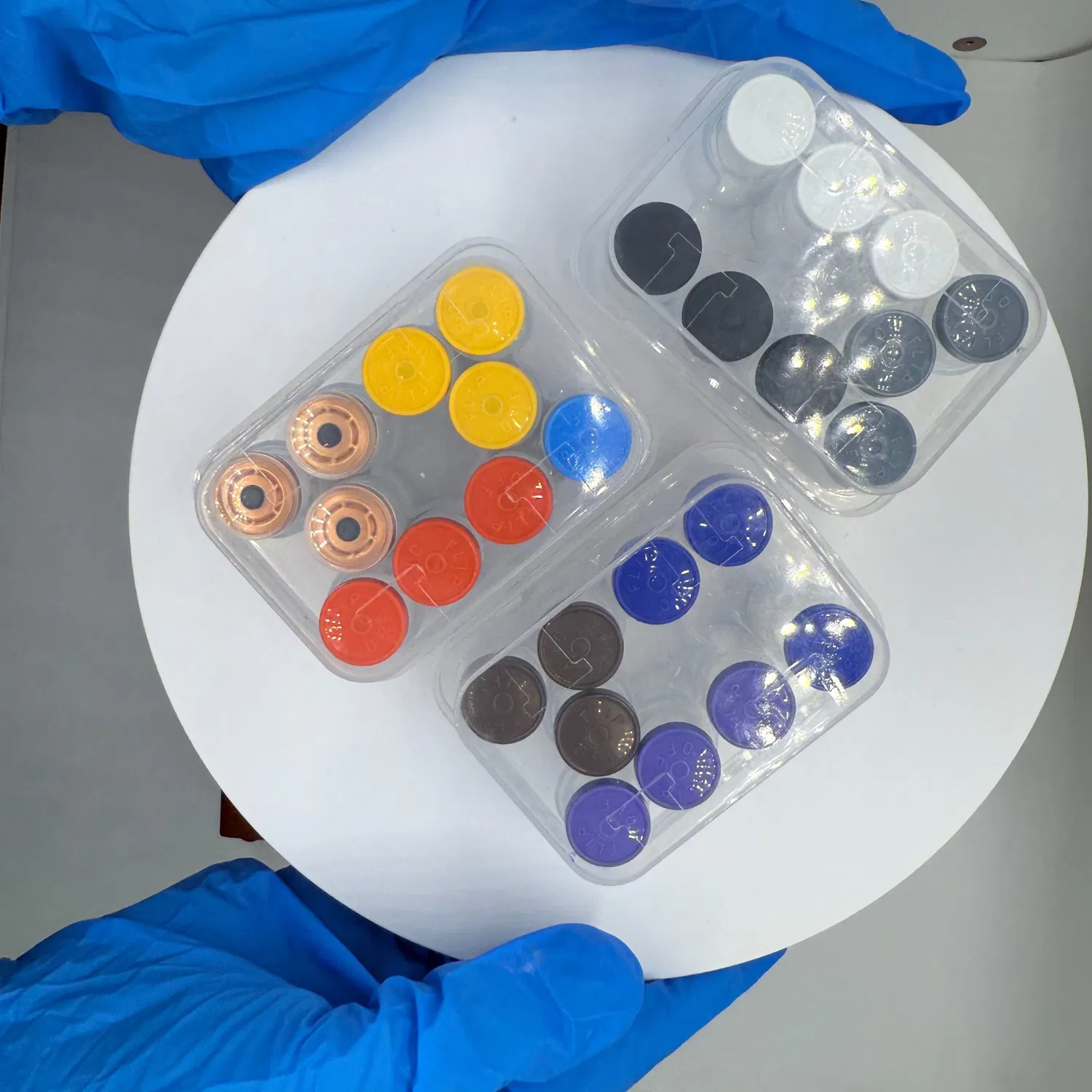

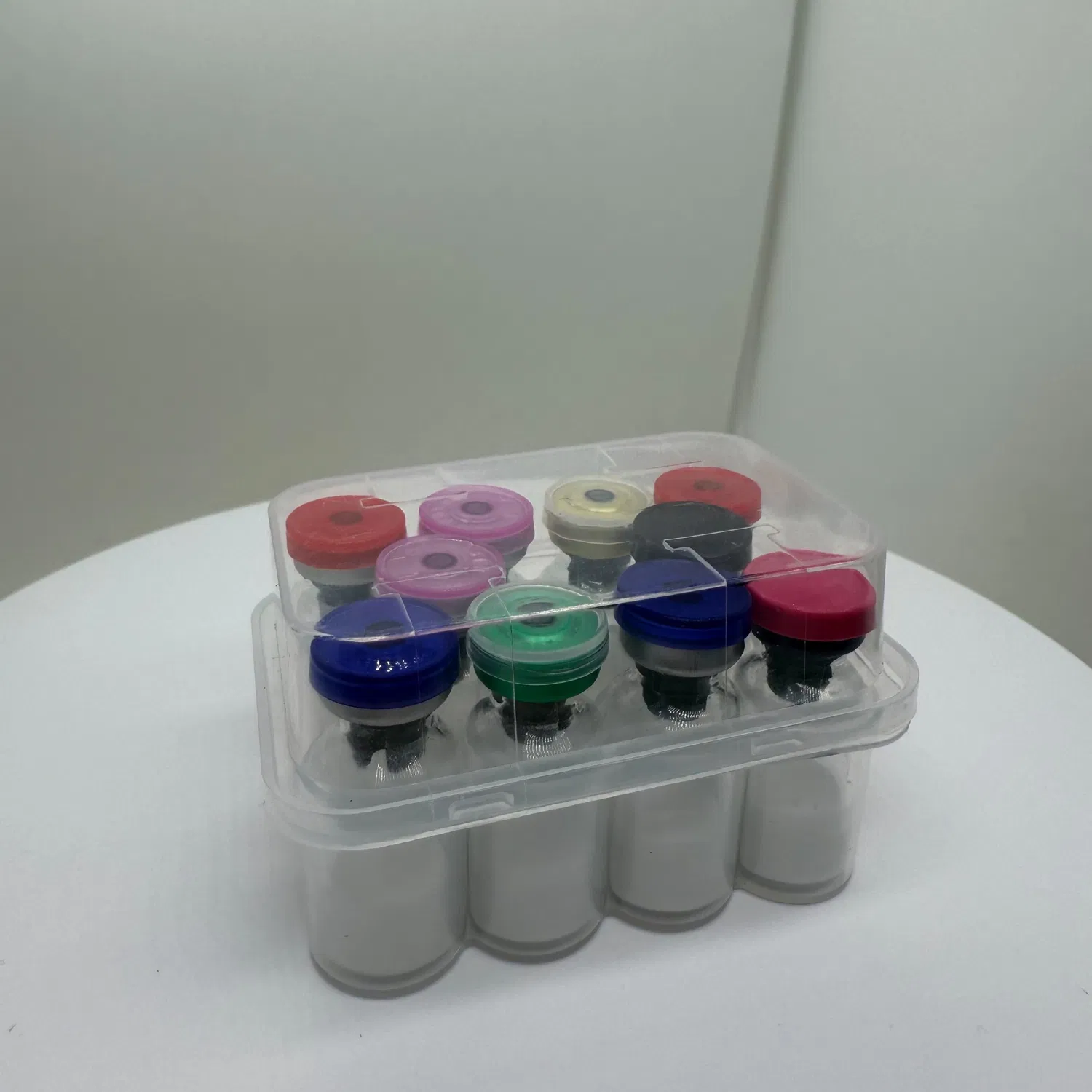
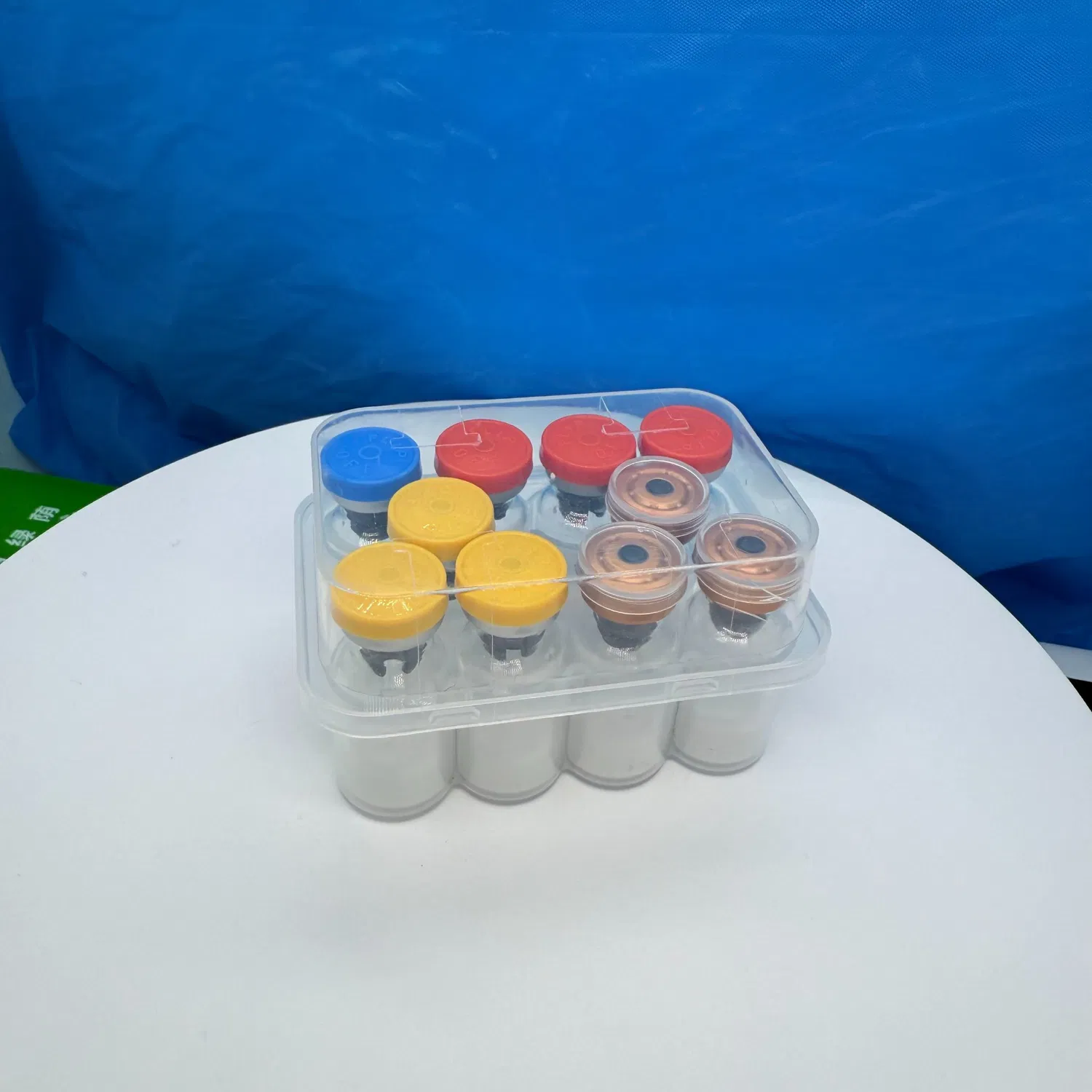
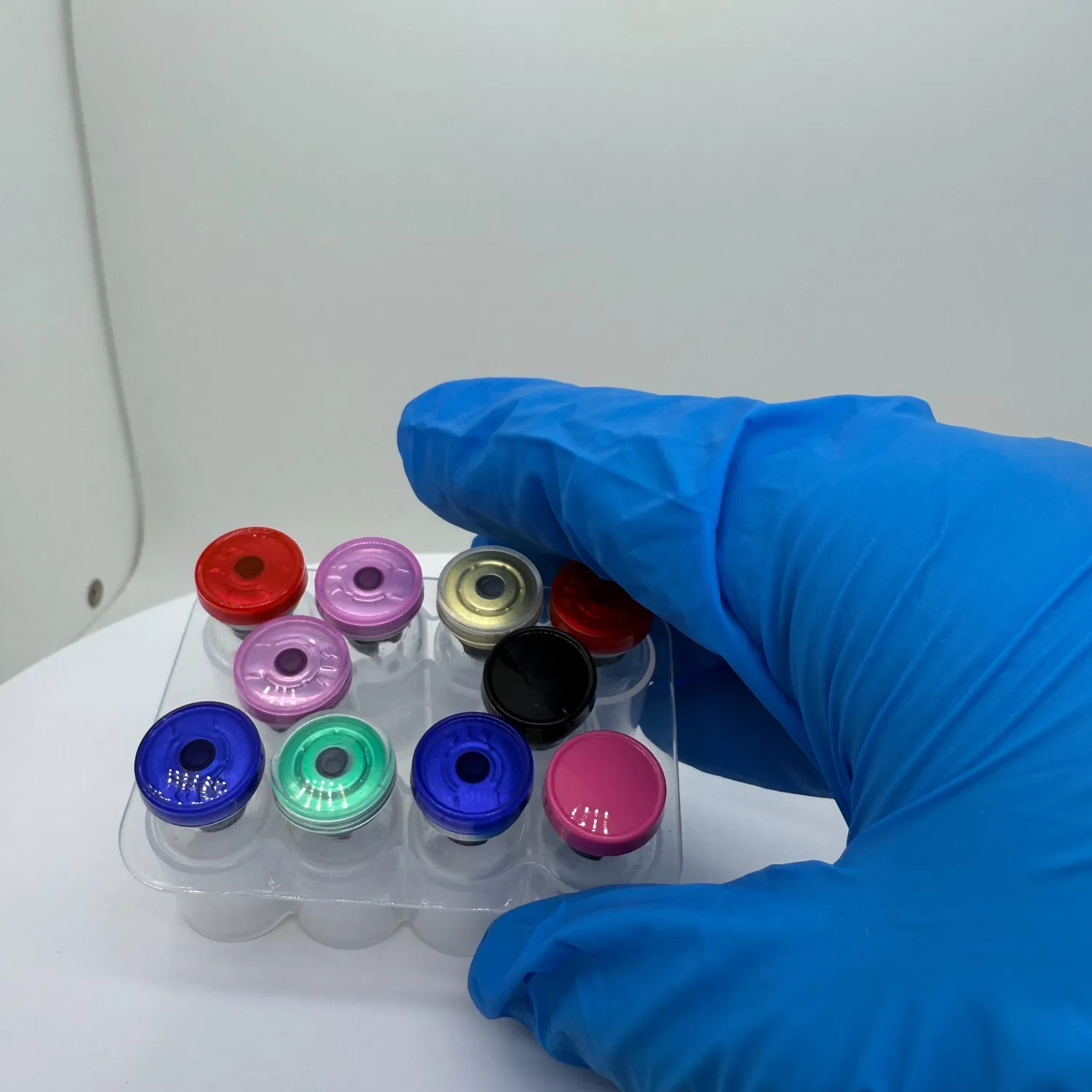
Cyclic Somatostatin (SRIF-14) | CAS 38916-34-6 | 99.27% Purity | GMP Grade
$2.00
Cyclic Somatostatin (SRIF-14) is a synthetic, cyclic 14-amino-acid peptide that replicates the biologically active somatostatin motif. Widely utilized in laboratory research, it serves as a molecular probe to study somatostatin receptor (SSTR) interactions, G protein–coupled receptor signaling, and peptide-mediated intracellular pathways. Offered as high-purity lyophilized powder, it supports bulk and wholesale procurement for research institutions, CROs, and industrial R&D.

Description
Contents
hide
Product Description
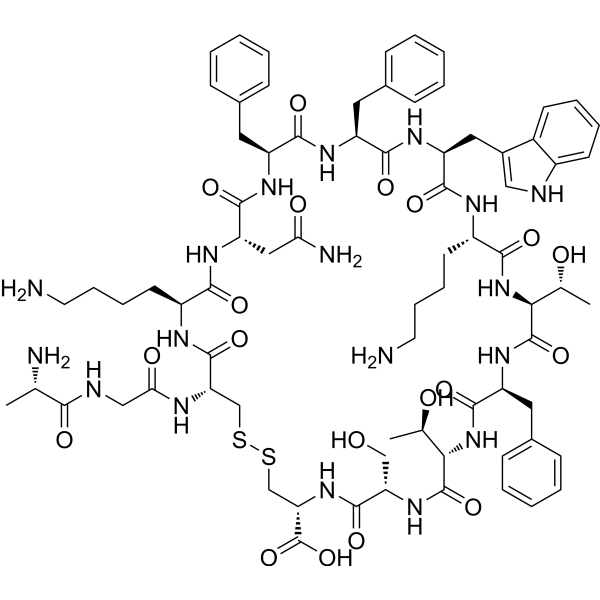
Cyclic Somatostatin (SRIF-14) is a synthetic, cyclic tetradecapeptide that mimics the endogenous somatostatin peptide motif, preserving its biologically active conformation. This high-purity peptide is widely utilized in laboratory research to study somatostatin receptor (SSTR) signaling, GPCR-mediated intracellular pathways, and receptor-ligand interaction mechanisms. Its defined cyclic structure ensures high receptor affinity and selectivity, making it a reliable molecular tool for mechanistic studies in controlled in vitro environments.
SRIF-14 engages somatostatin receptor subtypes SSTR1–5, triggering canonical G protein–coupled receptor (GPCR) signaling cascades. Binding to SSTRs induces conformational changes that couple the receptors with Gαi/o proteins, resulting in inhibition of adenylyl cyclase, reduced cAMP levels, and downstream modulation of intracellular signaling networks. Additionally, SRIF-14 influences calcium flux, MAPK/ERK activation, and β-arrestin recruitment, offering researchers a robust platform to examine multiple layers of receptor-mediated regulation.
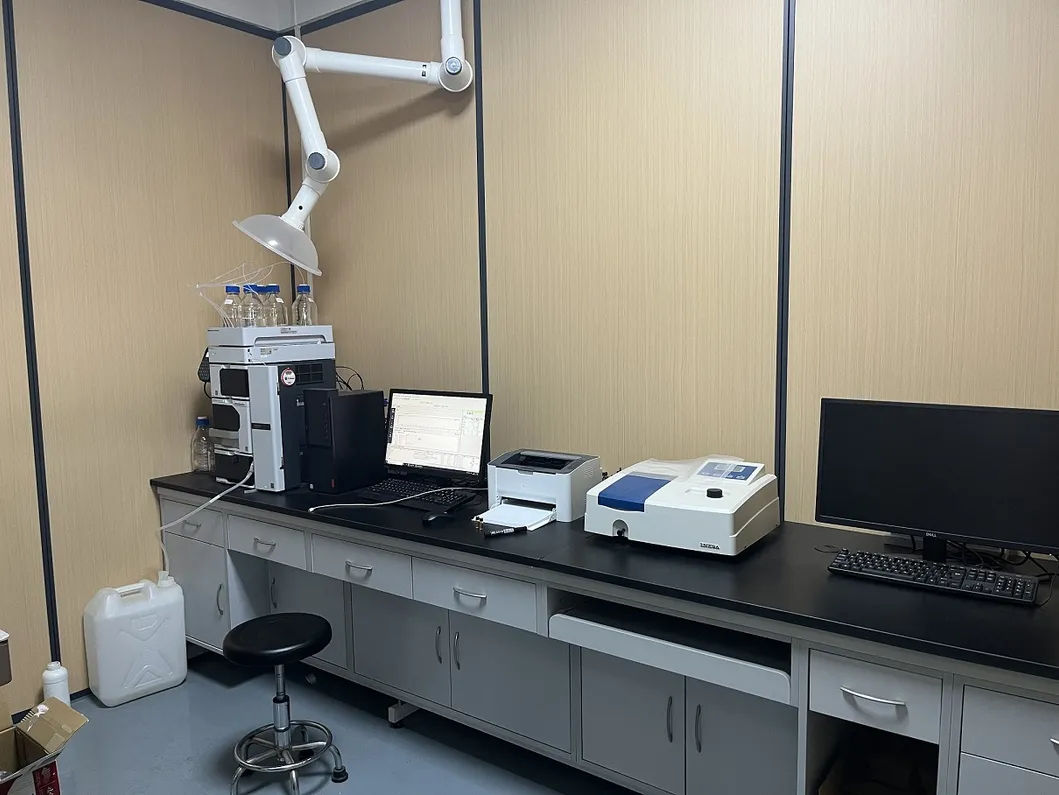
The peptide is produced using solid-phase peptide synthesis (SPPS) and is supplied as a lyophilized powder with ≥99% purity, verified by HPLC and mass spectrometry. These quality controls ensure reproducibility, minimal impurities, and structural integrity, which are essential for high-precision laboratory assays. SRIF-14 is readily soluble in water and standard laboratory buffers, enabling its integration into diverse experimental systems, including ligand-receptor binding studies, signal transduction assays, and multi-omic analyses.
SRIF-14 is also widely applied as a benchmark ligand in comparative studies of somatostatin analogs, receptor modulators, and peptide derivatives. Its reproducible activity supports quantitative evaluation of ligand potency, receptor subtype selectivity, and signaling bias, providing a standardized reference for mechanistic and functional studies.
Manufactured in China with factory-direct supply, SRIF-14 is available for bulk and wholesale procurement, supporting large-scale research programs and collaborative studies. Each batch includes complete analytical documentation and batch traceability, ensuring compliance with laboratory quality assurance standards. The peptide’s stability and high purity make it ideal for extended in vitro studies, receptor profiling, and advanced systems biology investigations.
Overall, Cyclic Somatostatin (SRIF-14) represents a highly reliable, research-grade peptide for exploring somatostatin receptor biology, intracellular signaling, and peptide-receptor interactions in laboratory environments.
Product Specifications
| Specification Item | Details |
|---|---|
| Product Name | Cyclic Somatostatin (SRIF-14) |
| Chemical Type | Synthetic Cyclic Peptide |
| Amino Acid Sequence | H-Ala-Gly-Cys-Lys-Asn-Phe-Phe-Trp-Lys-Thr-Phe-Thr-Ser-Cys-OH |
| Molecular Formula | C₇₀H₁₀₀N₁₆O₁₄S₂ |
| Molecular Weight | ~1637.9 g/mol |
| CAS Number | 861-74-3 |
| Appearance | White to off-white lyophilized powder |
| Purity | ≥99% (HPLC) |
| Identity Verification | Mass Spectrometry (MS) |
| Salt/Form | Free peptide, cyclic structure |
| Solubility | Soluble in water and standard aqueous buffers |
| Production Method | Solid-Phase Peptide Synthesis (SPPS) |
| Quality Control | HPLC purity, MS identity, batch traceability |
| Recommended Storage | −20 °C, protect from light and moisture |
| Stability | Stable under recommended storage conditions |
| Application Grade | Research Use Only (RUO) |
| Packaging Options | Vials, bulk quantities available |
| Customization | OEM labeling and documentation customization available |
Technical Notes
Cyclic Somatostatin (SRIF-14) is supplied as a high-purity lyophilized powder, enabling precise reconstitution for in vitro assays. The cyclic conformation is critical for maintaining high-affinity binding to somatostatin receptor subtypes (SSTR1–5), allowing reproducible receptor activation studies.
Purity verification by HPLC ≥99% ensures minimal peptide-related impurities, while MS confirmation guarantees accurate molecular identity and sequence fidelity, supporting robust and reproducible data collection.
Manufactured using SPPS, each batch undergoes rigorous quality control and batch traceability. The product is compatible with standard laboratory buffers and retains stability under proper storage, making it suitable for mechanistic signaling studies, receptor-ligand profiling, and multi-omic integration.
Factory-direct production in China supports bulk supply, competitive pricing, and wholesale procurement, enabling research institutions, CROs, and industrial R&D labs to maintain consistent peptide quality across large-scale studies.
Mechanism of Action
Cyclic Somatostatin (SRIF-14) functions as a high-affinity agonist for somatostatin receptors (SSTR1–5), which are members of the G protein–coupled receptor (GPCR) family. The peptide’s cyclic structure preserves the biologically active conformation necessary for optimal receptor recognition, enabling precise and reproducible activation of downstream signaling pathways in controlled in vitro experiments.
Upon receptor binding, SRIF-14 promotes conformational changes in SSTRs that facilitate coupling with Gαi/o proteins, leading to inhibition of adenylyl cyclase and subsequent reduction of cyclic AMP (cAMP) levels. This modulation of second messenger concentrations provides a robust system for investigating receptor-mediated inhibition of intracellular signaling cascades.
In addition to cAMP regulation, SRIF-14 induces calcium signaling modulation by affecting voltage-gated calcium channels and intracellular calcium release, which is critical for dissecting calcium-dependent cellular responses. The peptide also engages downstream pathways including MAPK/ERK phosphorylation, allowing exploration of transcriptional regulation, kinase activation, and post-translational modifications mediated by somatostatin receptor signaling.
SRIF-14 is widely employed to study receptor desensitization, internalization, and β-arrestin recruitment. Extended or repeated receptor stimulation in vitro triggers SSTR phosphorylation and receptor endocytosis, enabling mechanistic analysis of receptor trafficking and regulatory feedback loops.
Because of its defined structure and consistent receptor activity, SRIF-14 serves as a benchmark ligand in comparative studies involving somatostatin analogs, receptor modulators, or peptide derivatives. Its reproducible signaling profile supports quantitative evaluation of ligand efficacy, receptor subtype specificity, and pathway bias within standardized experimental frameworks.
The combination of high purity, verified sequence integrity, and structural stability ensures that SRIF-14 remains a reliable molecular probe for in-depth mechanistic studies, GPCR signaling research, and peptide-receptor interaction investigations in laboratory environments.

Applications
Cyclic Somatostatin (SRIF-14) is widely employed as a research-grade molecular probe in laboratory studies focused on somatostatin receptor (SSTR) biology, GPCR signaling mechanisms, and peptide-mediated intracellular pathways. Its cyclic structure and high receptor specificity enable reproducible activation of SSTR subtypes, making it a versatile tool for mechanistic investigations in controlled in vitro environments.
Receptor Binding and Pharmacological Profiling
SRIF-14 is frequently used in ligand–receptor binding assays to determine binding affinity, kinetics, and competitive displacement at somatostatin receptors. Fluorescence-based and radioligand-based assays utilize SRIF-14 as a reference peptide to benchmark novel analogs, small molecule modulators, or receptor-targeted peptides. These applications are critical for structure–activity relationship (SAR) studies and receptor subtype selectivity analysis.
Intracellular Signaling Studies
SRIF-14 effectively triggers SSTR-mediated intracellular signaling cascades, including inhibition of adenylyl cyclase, reduction of cAMP levels, modulation of intracellular calcium, and MAPK/ERK phosphorylation. These pathways provide a platform to study receptor-mediated regulation of kinase activity, transcriptional modulation, and secondary messenger dynamics in detail.
Receptor Regulation and Trafficking
Beyond signal initiation, SRIF-14 is applied to examine receptor desensitization, β-arrestin recruitment, and internalization dynamics. Imaging techniques, confocal microscopy, and biochemical approaches allow precise mapping of receptor trafficking and resensitization processes in response to peptide stimulation.
Gene Expression and Multi-Omic Integration
SRIF-14 can be integrated into transcriptomic and proteomic experiments to assess downstream gene and protein expression profiles. These studies help elucidate receptor-mediated regulatory networks and signaling cross-talk. Data derived from SRIF-14 stimulation are also suitable for computational modeling and systems biology applications, supporting predictive analyses of GPCR signaling behavior.
Comparative and Mechanistic Research
As a benchmark cyclic peptide, SRIF-14 enables comparison with novel somatostatin analogs, receptor modulators, or peptide derivatives. It is employed in assays measuring ligand efficacy, pathway bias, and receptor subtype selectivity, providing a standardized platform for quantitative, reproducible in vitro research.
Collectively, these applications demonstrate SRIF-14’s role as a robust and versatile molecular tool for studying somatostatin receptor pharmacology, intracellular signaling mechanisms, and peptide–receptor interactions in laboratory research settings.
Research Models
Cyclic Somatostatin (SRIF-14) is utilized across a variety of in vitro research models to investigate somatostatin receptor (SSTR) signaling, receptor-ligand dynamics, and intracellular regulatory pathways. Its well-defined cyclic structure ensures high receptor specificity and reproducible activity, making it an ideal tool for mechanistic studies in controlled laboratory settings.
SSTR-Expressing Cell Lines
A primary model involves cell lines engineered to express SSTR subtypes (SSTR1–5), either stably or transiently. These systems allow precise evaluation of ligand binding affinity, receptor activation, and downstream signal transduction, providing a controlled framework to study receptor-mediated responses at the molecular level.
Endogenous Receptor Cell Systems
SRIF-14 is also applied in cellular models expressing native SSTRs, enabling researchers to investigate peptide-mediated signaling under physiologically relevant receptor expression levels. These models are particularly useful for calcium flux assays, MAPK/ERK activation studies, and transcriptional profiling.
Reporter and Second Messenger Assays
Research models employing calcium-sensitive fluorescent dyes, cAMP reporters, and luciferase-based transcriptional reporters are commonly used with SRIF-14. These platforms provide quantitative, time-resolved measurements of SSTR-mediated signaling, facilitating studies of ligand potency, efficacy, and receptor subtype specificity.
Receptor Trafficking and Imaging Models
Advanced imaging-based models leverage SRIF-14 to study SSTR internalization, β-arrestin recruitment, and receptor recycling dynamics. Techniques such as live-cell confocal microscopy, fluorescent receptor tagging, and high-content imaging enable spatial and temporal analysis of receptor regulation following peptide engagement.
Comparative and Systems-Level Models
SRIF-14 is often employed as a benchmark ligand in comparative studies of novel somatostatin analogs, receptor modulators, or peptide derivatives. Data generated across multiple model systems can be integrated for systems biology analyses and computational modeling, providing insights into receptor-mediated network dynamics and signaling bias.
Overall, these research models position SRIF-14 as a robust and versatile molecular probe for dissecting SSTR function, GPCR signaling, and peptide-receptor interactions in laboratory research environments.
Experimental Design Considerations
When designing experiments with Cyclic Somatostatin (SRIF-14), it is essential to ensure reproducibility, mechanistic clarity, and precise receptor engagement. As a cyclic peptide with high affinity for somatostatin receptor subtypes (SSTR1–5), careful optimization of peptide concentration is critical to avoid receptor saturation or non-specific effects in signaling assays.
Selection of appropriate SSTR-expressing cell models is fundamental. Researchers should confirm receptor expression levels, signaling competence, and baseline activity prior to peptide application. Variability in receptor density can influence calcium mobilization, kinase activation, and transcriptional responses.
Temporal control is crucial because SSTR-mediated signaling exhibits rapid early events followed by receptor desensitization and internalization. Short-term exposures are recommended for studying immediate second messenger responses, whereas extended incubation protocols may be employed to investigate receptor trafficking and regulatory dynamics.
SRIF-14 is frequently used as a reference ligand in comparative studies. Inclusion of positive and negative controls, vehicle controls, and multiple replicates enhances data reliability and enables meaningful comparisons of receptor responses or ligand efficacy across experiments.
Finally, buffer composition, environmental conditions, and handling procedures should be standardized to minimize experimental variability. Documentation of batch numbers, storage conditions, and preparation protocols is strongly recommended to support reproducibility and quality assurance in multi-project or collaborative research studies.

Laboratory Safety & Handling Guidelines
Cyclic Somatostatin (SRIF-14) is a synthetic peptide for laboratory research use only and should be handled according to established chemical and peptide safety protocols. All personnel should be trained in laboratory handling procedures and work within controlled environments, such as chemical hoods or biosafety cabinets when appropriate.
Personal Protective Equipment (PPE), including gloves, lab coats, and protective eyewear, is required to minimize direct contact with the peptide. Although SRIF-14 is not classified as acutely toxic at research-scale quantities, inhalation, ingestion, or skin exposure should be strictly avoided. Handling of the lyophilized powder should be done in clean, dry areas to maintain peptide integrity.
SRIF-14 is typically supplied as a lyophilized powder and should be reconstituted with sterile, research-grade aqueous buffers. Reconstituted solutions should be prepared under aseptic conditions, aliquoted into single-use volumes, and stored at recommended temperatures to prevent degradation. Minimizing repeated freeze–thaw cycles is essential to preserve biological activity and receptor-binding properties.
Storage conditions are critical for maintaining stability. Lyophilized SRIF-14 should be stored at −20 °C or below, protected from light and moisture. Reconstituted solutions should be used promptly or stored at low temperatures according to stability data, and discarded if signs of precipitation, turbidity, or microbial contamination are observed.
Waste disposal must follow institutional and regulatory guidelines for peptide and chemical reagents. Contaminated consumables, vials, and residual solutions should be handled as laboratory chemical waste, ensuring environmental and personnel safety.
Detailed documentation of peptide batch numbers, preparation dates, and storage conditions is strongly recommended. Maintaining thorough records ensures traceability, supports reproducibility, and facilitates quality assurance, particularly in multi-project, collaborative, or multi-center laboratory studies.

Integration with Multi-Omic & Computational Studies
Cyclic Somatostatin (SRIF-14) serves as a versatile molecular probe for integration into multi-omic research frameworks, enabling detailed analysis of somatostatin receptor (SSTR)-mediated signaling and intracellular network modulation. Its defined cyclic structure and receptor specificity allow precise perturbation of SSTR pathways for mechanistic investigation.
In transcriptomic applications, SRIF-14 is used to stimulate cells in vitro, enabling profiling of downstream gene expression changes via RNA sequencing or quantitative PCR. This allows identification of SSTR-regulated genes, transcription factor activation signatures, and pathway enrichment patterns, providing insight into peptide-mediated transcriptional control.
Proteomic and phosphoproteomic analyses leverage SRIF-14 stimulation to map intracellular signaling events, protein phosphorylation, and protein–protein interactions. These studies elucidate receptor-mediated kinase activity, downstream effector engagement, and post-translational modifications in a time-resolved manner.
In metabolomic studies, controlled SRIF-14 treatment facilitates examination of metabolic pathway modulation, cellular energy flux, and secondary messenger dynamics. Integration with transcriptomic and proteomic datasets enables comprehensive cross-omic correlation and mechanistic modeling.
Computational approaches, including molecular docking, receptor-ligand interaction modeling, and molecular dynamics simulations, are employed to explore SSTR binding energetics and conformational dynamics. Additionally, systems biology tools and network-based modeling allow integration of multi-omic datasets, supporting hypothesis generation and predictive analyses of receptor-mediated signaling networks.
Overall, SRIF-14’s compatibility with multi-omic platforms and computational modeling establishes it as a robust molecular tool for systems-level studies of GPCR function, receptor-ligand interactions, and peptide-driven intracellular regulation in controlled laboratory research.
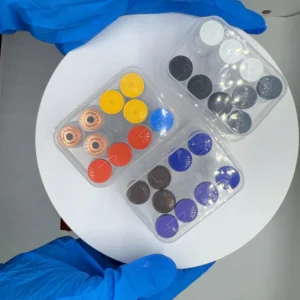
Shipping Guarantee
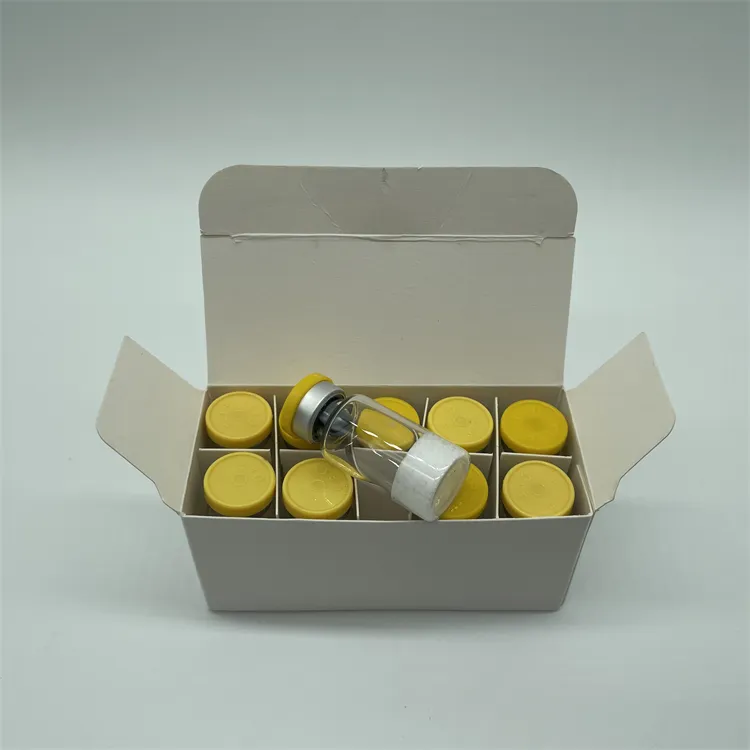
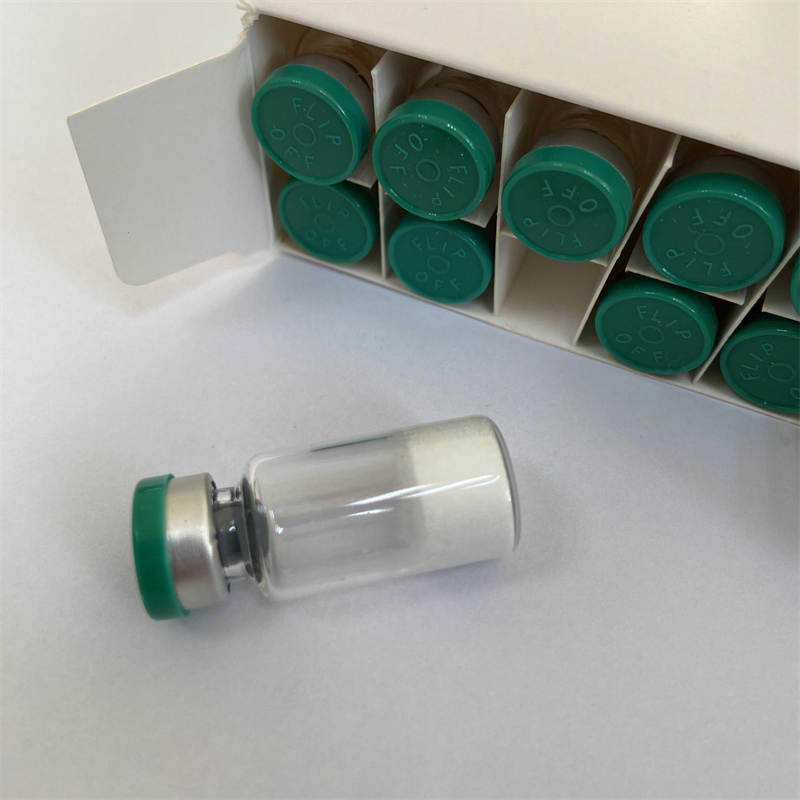
All shipments of Cyclic Somatostatin (SRIF-14) are packaged using secure, research-grade materials to maintain peptide integrity during international transit. Temperature-controlled logistics are applied when necessary to preserve structural stability and biological activity. Each shipment is inspected for completeness and documentation compliance. Global delivery channels are optimized for laboratories and research institutions. Customers receive tracking and verification details to ensure secure and timely arrival.
Trade Assurance
Factory-direct manufacturing ensures consistent high purity, batch traceability, and verified analytical documentation. Long-term bulk and wholesale arrangements are available for academic, industrial, and CRO research programs. OEM or customized packaging and documentation services can be provided to meet laboratory requirements. All production processes comply with quality control standards to ensure reproducibility. Verified export protocols guarantee secure, reliable international delivery.
Payment Support
Multiple secure payment methods are accepted to facilitate global procurement. Credit cards are available for standard orders. T/T (Telegraphic Transfer) is supported for bulk or recurring purchases. Encrypted cryptocurrency payments are also available for enhanced transaction security. All transactions follow established B2B trade practices and comply with financial regulations.
Disclaimer
Cyclic Somatostatin (SRIF-14) is strictly for laboratory research use only. It is not intended for diagnostic, therapeutic, or any in vivo applications. All information provided is intended solely for scientific, educational, and experimental reference in controlled laboratory environments. Users must adhere to institutional safety and handling protocols. The manufacturer disclaims any liability for misuse outside authorized laboratory settings.
References
International Union of Basic and Clinical Pharmacology (IUPHAR) – Somatostatin Receptors
Comprehensive review of somatostatin (SRIF) peptide forms and the five cloned somatostatin receptors (SSTR1–5), including structure, nomenclature, and signaling mechanisms. PMCSomatostatin Receptors – PubMed Overview
Historical and mechanistic summary of somatostatin (SRIF‑14) and its receptor family, including GPCR classification and signal transduction concepts relevant to receptor interaction studies. PubMedSomatostatin Receptors and GPCR Binding – Technical Overview
Technical article discussing somatostatin peptide isoforms (SRIF‑14 / SRIF‑28), receptor binding, and signaling pathway modulation via GPCR mechanisms. The International Peptide SocietyStructural Insights into Activation of Somatostatin Receptor 2 by Cyclic SST Analogues
Structural biology research detailing how cyclic somatostatin peptides (e.g., SST14) interact with somatostatin receptors at the molecular level, providing insight into peptide–receptor engagement. NatureSelective Effects of Somatostatin‑14 on Secretory Processes (Nature)
Peer‑reviewed study illustrating fundamental signaling characteristics and differential receptor engagement of SRIF‑14 compared to longer peptide forms, underscoring its role in molecular mechanism research. Nature

Additional information
| Weight | 1 kg |
|---|---|
| Dimensions | 26 × 23 × 26 cm |
2 reviews for Cyclic Somatostatin (SRIF-14) | CAS 38916-34-6 | 99.27% Purity | GMP Grade
What is Cyclic Somatostatin (SRIF-14) used for in research?
SRIF-14 is a synthetic cyclic peptide used as a reference ligand for studying somatostatin receptor (SSTR) signaling in vitro. It enables controlled investigation of GPCR-mediated intracellular pathways, including calcium flux and kinase activation. Researchers use it to benchmark receptor responses and evaluate analog efficacy.
Which receptors does SRIF-14 target?
SRIF-14 binds with high affinity to SSTR1–5, a subset of G protein–coupled receptors. Its cyclic structure preserves receptor recognition and ensures reproducible activation. This specificity is valuable for mechanistic and comparative studies.
Is SRIF-14 chemically synthesized?
Yes, SRIF-14 is produced via solid-phase peptide synthesis (SPPS). This guarantees consistent sequence fidelity and structural integrity. Analytical verification is performed using HPLC and mass spectrometry.
What is the purity of SRIF-14?
The peptide is supplied with ≥99% purity as verified by HPLC. High purity minimizes interference in receptor binding and signaling assays, supporting reproducible in vitro data.
Can SRIF-14 be used as a benchmark ligand?
Yes, it serves as a reference peptide for comparing ligand potency, receptor selectivity, and signaling efficacy. It is widely applied in assays evaluating novel analogs or receptor modulators.
Which experimental systems are compatible?
SRIF-14 is suitable for SSTR-expressing cell lines, including transfected and endogenous receptor models. It is compatible with calcium mobilization, kinase activity assays, and reporter gene studies.
Is it suitable for multi-omic studies?
Yes, SRIF-14 can be incorporated into transcriptomic, proteomic, and phosphoproteomic workflows. Data from these studies support systems biology analyses and computational modeling of SSTR signaling networks.
How should SRIF-14 be stored?
Lyophilized SRIF-14 should be stored at −20 °C, protected from light and moisture. Reconstituted solutions should be aliquoted to minimize freeze–thaw cycles.
Can it be used to study receptor internalization?
Yes, SRIF-14 effectively induces SSTR internalization and β-arrestin recruitment. Imaging and biochemical assays can be used to study receptor trafficking dynamics.
Is bulk supply available?
Yes, SRIF-14 is available in bulk quantities and supports custom packaging or OEM labeling for large-scale laboratory studies. Batch documentation is provided.
How is solubility ensured?
SRIF-14 is soluble in water and standard laboratory buffers. Proper reconstitution ensures consistent assay performance.
Is analytical documentation provided?
Yes, each batch includes a Certificate of Analysis (COA) with HPLC purity, MS verification, and batch traceability.
Can SRIF-14 be used in pathway bias studies?
Yes, it serves as a reference agonist to study ligand-dependent signaling bias and receptor pathway selectivity in vitro.
Are there handling precautions?
Standard lab safety practices should be followed, including use of PPE, controlled handling, and avoiding inhalation or skin contact. Lyophilized peptide should be handled under clean conditions.
Is SRIF-14 intended for non-research applications?
No, SRIF-14 is strictly for laboratory research use and not for diagnostic, therapeutic, or in vivo applications. All use should remain in controlled experimental environments.
Related products
Retatrutide Raw Material Factory: Low-Price Wholesale for High-Purity Peptides
Retatrutide MOQ 1 Box Source Dry Powder Original price was: $38.00.$22.00Current price is: $22.00.GLP-1 Retatrutide Weight Loss Slimming low price wholesale
GLP-1 peptide slimming product, 5mg 10mg 15mg vials, metabolic health- Application: Health Care Supplement
- Form: Disposable vials
- Dosages: 5mg, 10mg, 15mg
- Purity: >99%
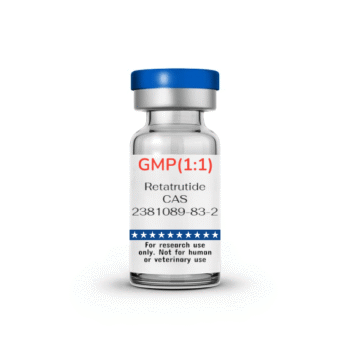
Retatrutide | CAS 2381089-83-2 | Dual GLP-1/GIP/Glucagon Receptor Agonist
Retatrutide (CAS 2381089-83-2) is a high-purity research-grade peptide optimized for in vitro mechanistic studies. It supports investigations into signal transduction, receptor interactions, and molecular pathway modulation. Supplied as a lyophilized powder, it ensures stability and reproducibility for laboratory research applications. Original price was: $14.00.$12.00Current price is: $12.00.Tirzepatide Raw Material Factory: Low-Price Wholesale for High-Purity Peptides
Tirzepatide Compound CID: 163285897 MF: C225H348N48O68 diabetes [9][13][14][15] and for weight loss Original price was: $38.00.$23.00Current price is: $23.00.

jamie –
Well packaged and professionally handled.
Goyce –
the full chain service is so good.