
No products in the cart.
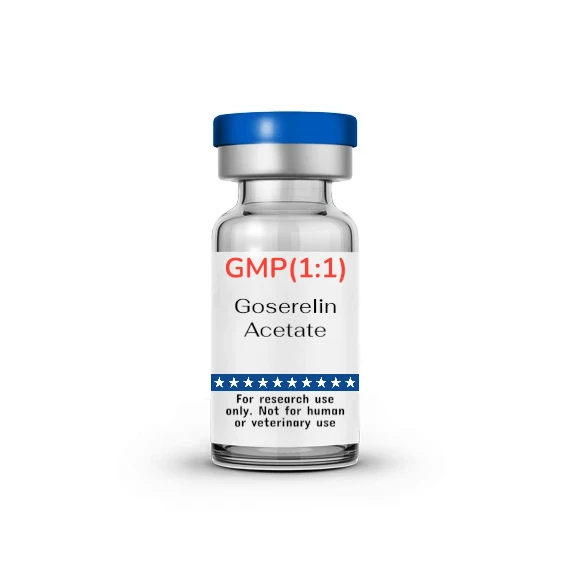
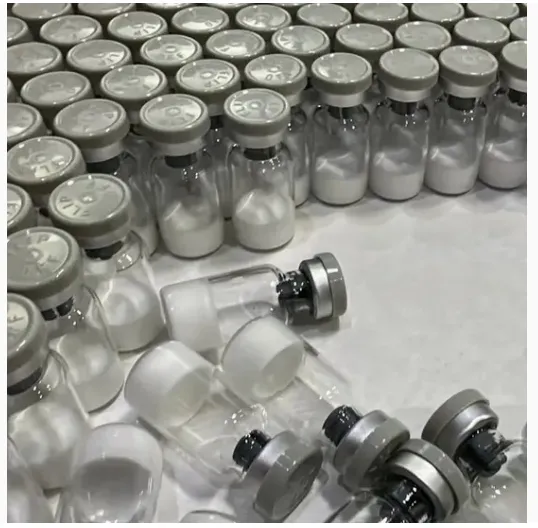

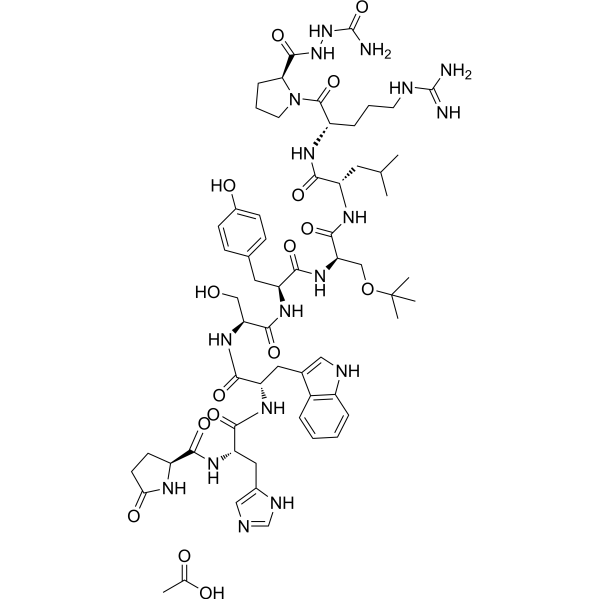
Goserelin Acetate – Purity 99.92%
$2.00
Goserelin Acetate is a synthetic peptide acetate salt supplied as a high-purity lyophilized powder for in vitro and molecular mechanism research. Factory-manufactured with rigorous quality control, it is suitable for receptor interaction studies, peptide signaling analysis, and structure–activity investigations. Bulk and wholesale supply is available for global laboratories and industrial R&D partners.

Description
Product Description
Goserelin Acetate is a synthetic decapeptide acetate salt developed and supplied as a high-purity lyophilized powder for advanced laboratory research and molecular mechanism investigations. Its precisely defined amino acid sequence and stable physicochemical properties make it a valuable research-grade peptide tool for controlled in vitro studies focusing on receptor recognition, peptide signaling behavior, and ligand–receptor interaction dynamics.
From a molecular design perspective, Goserelin Acetate exhibits a well-characterized peptide backbone combined with an acetate counter ion, contributing to consistent solubility behavior and reproducible experimental performance. The lyophilized formulation allows researchers to independently control reconstitution parameters such as solvent composition and concentration range, which is essential for quantitative mechanistic studies and comparative assay design.
In laboratory research environments, Goserelin Acetate is widely employed as a reference peptide for examining receptor engagement and signaling initiation processes. Its high purity minimizes background interference, enabling sensitive detection of molecular interactions in biochemical assays, receptor-binding studies, and peptide competition experiments. These properties support reliable interpretation of experimental data, particularly in studies that require high signal-to-noise ratios.
The product is manufactured in a certified peptide synthesis facility, utilizing standardized solid-phase synthesis, purification, and analytical verification workflows. Each batch undergoes rigorous quality control testing, including high-performance liquid chromatography (HPLC) for purity assessment and mass spectrometry (MS) for molecular identity confirmation. This ensures batch-to-batch consistency, traceability, and reproducibility, which are critical for both academic research and industrial R&D programs.
Factory-direct production in China enables scalable supply and cost-efficient bulk procurement, making Goserelin Acetate suitable for long-term research projects, high-throughput screening environments, and collaborative multi-site studies. Flexible packaging options support diverse laboratory needs, ranging from small exploratory studies to large-volume experimental campaigns.
Importantly, Goserelin Acetate provided here is positioned strictly as a laboratory research material. All associated documentation, specifications, and handling guidance are aligned with professional research standards and regulatory expectations for non-clinical materials. When integrated into well-designed experimental systems, Goserelin Acetate serves as a reliable molecular probe that supports detailed exploration of peptide structure–function relationships, receptor-level mechanisms, and signaling pathway architecture in modern in vitro research.
Product Specifications
| Specification Item | Details |
|---|---|
| Product Name | Goserelin Acetate |
| Chemical Type | Synthetic Decapeptide (Acetate Salt) |
| Molecular Formula | C₅₉H₈₄N₁₈O₁₄ · C₂H₄O₂ |
| Molecular Weight | ~1269.45 g/mol (peptide base, acetate salt included) |
| CAS Number | 145781-92-6 |
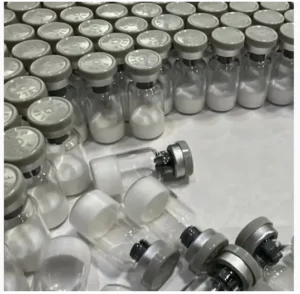
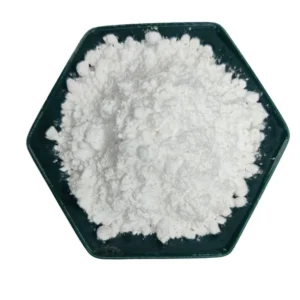
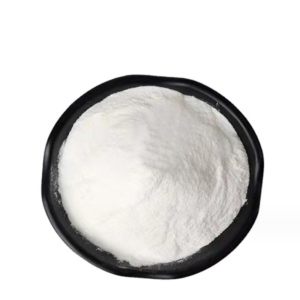
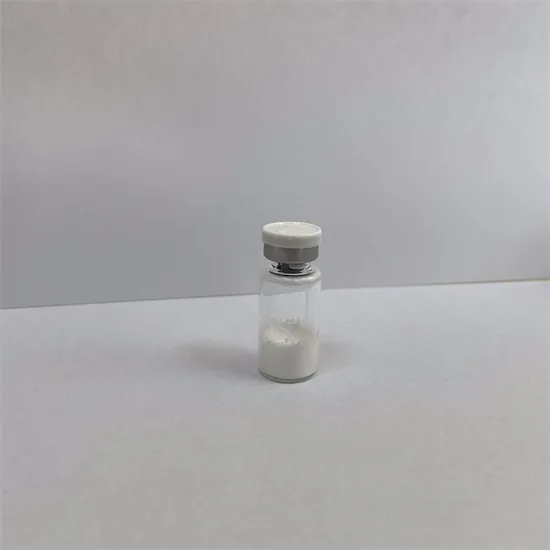
| Appearance | White to off-white lyophilized powder |
| Purity | ≥99% (HPLC) |
| Identity Verification | Mass Spectrometry (MS) |
| Salt Form | Acetate |
| Solubility | Soluble in water and common aqueous laboratory buffers |
| Recommended Storage | −20 °C (long-term), 2–8 °C (short-term) |
| Stability | Stable under recommended storage conditions |
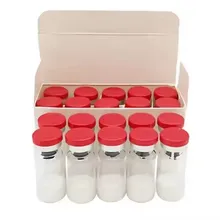
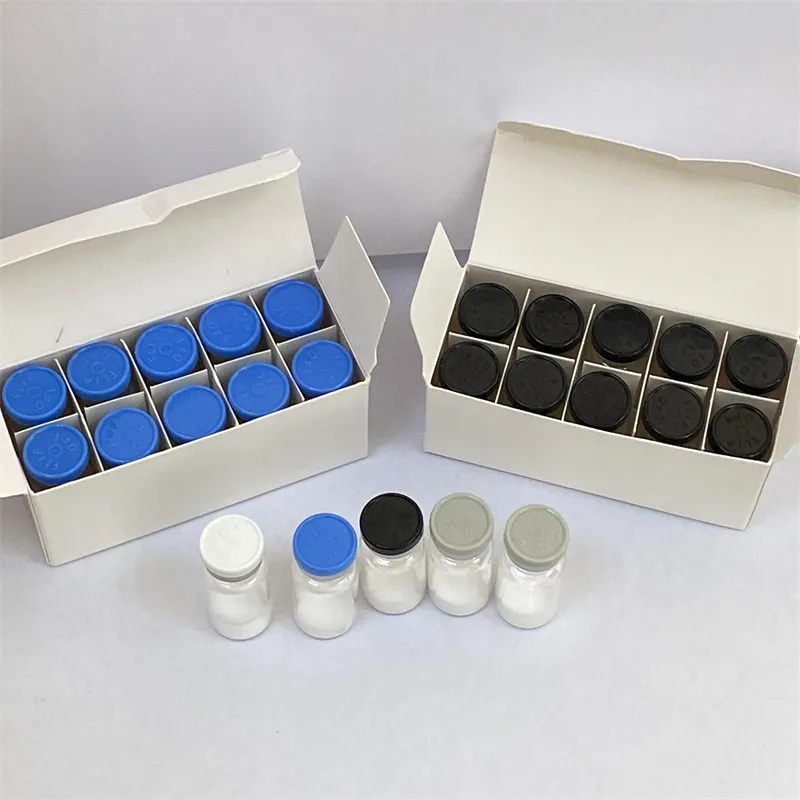
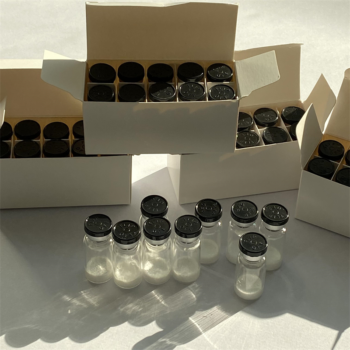
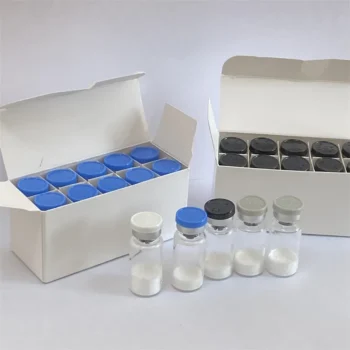
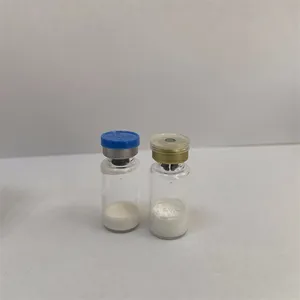
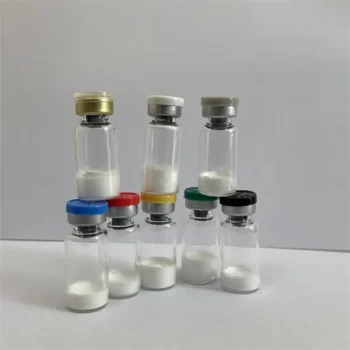
| Packaging Options | Vials (custom fill volumes available) |
| Production Method | Solid-Phase Peptide Synthesis (SPPS) |
| Quality Control | HPLC purity, MS identity, batch traceability |
| Application Grade | Research Use Only (RUO) |
| Customization | Bulk, OEM labeling, and specification customization available |
Goserelin Acetate Technical Notes
Goserelin Acetate is supplied as a lyophilized peptide powder, allowing precise experimental control during reconstitution and dilution steps. The acetate salt form enhances handling consistency and supports reproducible dissolution behavior in aqueous research systems.
Purity is confirmed at ≥99% by analytical HPLC, ensuring minimal peptide-related impurities that could interfere with sensitive biochemical or receptor-level assays. Molecular identity is verified by mass spectrometry, providing exact sequence confirmation and molecular weight accuracy required for high-confidence experimental work.
The product is synthesized using solid-phase peptide synthesis (SPPS) under controlled manufacturing conditions, followed by purification and rigorous quality control testing. Each batch is fully traceable, supporting longitudinal studies, cross-laboratory reproducibility, and regulated research documentation.
Flexible packaging and factory-direct bulk supply options make this specification suitable for both exploratory laboratory studies and large-scale research programs, including CRO and institutional research environments.
Mechanism of Action
Goserelin Acetate is a synthetic decapeptide analog of gonadotropin-releasing hormone (GnRH) designed to interact selectively with the GnRH receptor (GnRHR), a G protein–coupled receptor (GPCR) primarily associated with Gαq/11 signaling pathways. From a molecular research perspective, goserelin serves as a high-affinity receptor ligand widely used to interrogate GnRHR-mediated signal transduction, receptor regulation, and downstream transcriptional responses in controlled in vitro systems.
Upon receptor binding, goserelin mimics the native GnRH peptide and induces conformational changes in GnRHR, triggering activation of phospholipase C (PLC). This activation results in the hydrolysis of phosphatidylinositol 4,5-bisphosphate (PIP₂), generating the second messengers inositol trisphosphate (IP₃) and diacylglycerol (DAG). IP₃ mediates intracellular calcium mobilization from endoplasmic reticulum stores, while DAG activates protein kinase C (PKC), collectively initiating a cascade of intracellular signaling events.
Sustained or repeated exposure to goserelin at the receptor level has been shown, in mechanistic research contexts, to induce GnRHR desensitization and internalization. This process involves receptor phosphorylation, β-arrestin recruitment, and clathrin-mediated endocytosis, making goserelin a valuable molecular probe for studying GPCR regulatory dynamics, receptor trafficking, and signal attenuation mechanisms.
At the transcriptional level, GnRHR activation by goserelin modulates multiple downstream pathways, including MAPK/ERK signaling, calcium-dependent transcription factors, and immediate early gene expression. These signaling networks provide insight into how GnRH analogs influence gene regulatory programs in receptor-expressing cell models.
Because of its structural stability and predictable receptor engagement profile, Goserelin Acetate is extensively utilized as a reference ligand in comparative receptor-binding assays, signal bias studies, and pharmacodynamic modeling. Its well-characterized interaction with GnRHR supports reproducible investigations into GPCR signaling specificity, ligand-receptor kinetics, and intracellular pathway crosstalk under defined experimental conditions.
Applications
Goserelin Acetate is widely applied in laboratory-based research settings as a well-characterized synthetic GnRH analog for studying GnRH receptor (GnRHR)–mediated molecular and cellular mechanisms. Its high receptor affinity, defined peptide sequence, and reproducible signaling behavior make it a reliable tool compound in controlled experimental systems.
Receptor Binding and Signal Transduction Studies
In receptor pharmacology research, goserelin acetate is commonly used as a reference ligand to investigate GnRHR binding kinetics, ligand–receptor affinity, and competitive displacement in radioligand or fluorescence-based binding assays. These studies help define receptor activation thresholds, ligand selectivity, and structure–activity relationships (SAR) of GnRH analogs under standardized in vitro conditions.
Downstream signaling investigations frequently employ goserelin to probe PLC–IP₃–Ca²⁺ signaling cascades, PKC activation profiles, and MAPK/ERK pathway engagement. Such applications are essential for dissecting GPCR signaling topology, second messenger dynamics, and temporal signaling patterns following receptor engagement.
GPCR Desensitization and Trafficking Research
Due to its predictable interaction with GnRHR, goserelin acetate is extensively utilized in GPCR desensitization, internalization, and recycling studies. In cultured receptor-expressing cell models, the compound supports mechanistic evaluation of receptor phosphorylation, β-arrestin recruitment, and clathrin-mediated endocytosis. These applications are critical for understanding long-term receptor regulation and signal attenuation mechanisms at the molecular level.
Gene Expression and Transcriptional Regulation Studies
Goserelin acetate is applied in gene regulation research to assess how GnRHR activation influences transcriptional programs. Experimental models often examine immediate early gene induction, calcium-responsive transcription factors, and downstream gene networks using qPCR, RNA sequencing, or reporter assays. These studies provide insight into receptor-driven transcriptional modulation within defined cellular systems.
Comparative Ligand and Pathway Profiling
In comparative research frameworks, goserelin serves as a benchmark GnRH analog for evaluating novel peptide variants, biased ligands, or receptor modulators. Its established signaling profile allows researchers to quantify deviations in pathway activation, receptor bias, and intracellular signaling preference when testing new compounds.
Systems Biology and Mechanistic Modeling
Goserelin acetate is also incorporated into systems biology and computational modeling workflows, where experimental data generated from controlled in vitro assays are used to parameterize signaling network models. These applications support quantitative analysis of GPCR signaling behavior, receptor dynamics, and pathway integration across molecular scales.
Overall, the versatility and molecular definition of goserelin acetate make it a core research reagent for advanced studies of GnRH receptor biology, GPCR signaling regulation, and peptide–receptor interaction mechanisms in laboratory environments.
Research Models
Goserelin Acetate is extensively utilized across a variety of in vitro research models designed to investigate GnRH receptor (GnRHR)–mediated molecular mechanisms, receptor dynamics, and intracellular signaling networks. Its defined peptide structure and consistent receptor interaction profile enable reproducible data generation across multiple experimental platforms.
Receptor-Expressing Cell Line Models
One of the primary research models involves cultured cell lines engineered to express human or mammalian GnRHR, including transiently or stably transfected systems. These models allow controlled assessment of ligand–receptor binding affinity, signal initiation, and downstream pathway activation in isolation from complex physiological variables. Goserelin acetate is frequently used as a reference agonist in these systems to normalize signaling responses and evaluate receptor sensitivity.
Endogenous GnRHR-Positive Cell Systems
In addition to engineered models, goserelin acetate is applied in endogenously GnRHR-expressing cell lines, where it supports investigation of native receptor regulation, intracellular calcium signaling, and gene expression changes. These systems provide insight into receptor behavior within a more physiologically relevant cellular context while remaining strictly within in vitro research frameworks.
Second Messenger and Reporter Assay Platforms
Research models incorporating second messenger detection systems—such as calcium-sensitive fluorescent dyes, IP₃ assays, or luciferase-based reporter constructs—are commonly employed to quantify goserelin-induced signaling events. These platforms enable high-resolution temporal analysis of GPCR activation and are well suited for dose–response modeling and pathway bias studies.
Receptor Trafficking and Imaging Models
Advanced imaging-based research models utilize goserelin acetate to examine GnRHR internalization, intracellular trafficking, and recycling dynamics. Fluorescently tagged receptors, confocal microscopy, and live-cell imaging approaches provide spatial and temporal insight into receptor regulation following ligand engagement.
Comparative and Systems-Level Research Models
Goserelin acetate also serves as a benchmark compound in comparative modeling studies, where data generated across multiple cell-based platforms are integrated to assess signaling consistency and pathway convergence. These models support cross-validation of experimental findings and facilitate systems-level interpretation of GPCR signaling behavior.
Collectively, these research models highlight the versatility of goserelin acetate as a standardized molecular tool for probing GnRHR function, GPCR regulatory mechanisms, and intracellular signaling architecture in controlled laboratory environments.
Experimental Design Considerations
When incorporating Goserelin Acetate into in vitro experimental workflows, careful experimental design is essential to ensure data reproducibility, mechanistic clarity, and interpretability. As a synthetic GnRH analog with high receptor affinity, goserelin should be applied within well-defined concentration ranges appropriate for receptor binding and downstream signaling assays. Preliminary range-finding experiments are recommended to establish optimal working concentrations and avoid receptor saturation effects that may obscure subtle signaling differences.
Selection of appropriate GnRHR-expressing cell models is critical. Researchers should confirm receptor expression levels, signaling competence, and baseline activity prior to experimental use. Variability in receptor density or coupling efficiency can significantly influence observed signaling outcomes, particularly in calcium flux, MAPK activation, and transcriptional response assays.
Temporal parameters should be carefully controlled, as GnRHR signaling exhibits time-dependent dynamics, including rapid second messenger generation followed by receptor desensitization and internalization. Short-term exposure designs are well suited for studying early signaling events, whereas extended incubation protocols may be employed to examine receptor regulation and pathway attenuation mechanisms.
In comparative studies, goserelin acetate is frequently used as a reference ligand. Including appropriate positive and negative controls enables normalization across experimental runs and supports robust structure–activity or pathway bias analyses. Replicate measurements and independent experimental repeats are strongly recommended to ensure statistical reliability.
Finally, assay conditions such as buffer composition, temperature stability, and peptide handling procedures should be standardized. Proper experimental documentation and batch traceability further enhance data consistency, particularly in multi-laboratory or longitudinal research projects.
Laboratory Safety & Handling Guidelines
Goserelin Acetate is supplied as a high-purity lyophilized peptide powder intended exclusively for controlled laboratory research environments. All handling procedures should be conducted by trained personnel familiar with peptide materials and standard laboratory safety practices. Although no hazardous classification is assigned for research-grade use, appropriate precautions are required to maintain material integrity and operator safety.
Handling Precautions
All handling operations should be performed in a clean laboratory workspace, preferably within a laminar flow hood or designated clean bench to minimize contamination. Personal protective equipment (PPE), including laboratory gloves, protective eyewear, and lab coats, is recommended when handling the lyophilized material or prepared solutions. Direct contact with skin, eyes, or mucous membranes should be avoided as a general laboratory safety practice.
Reconstitution should be carried out using analytical-grade water or validated aqueous buffers, following aseptic techniques. Gentle mixing is recommended to ensure complete dissolution while minimizing mechanical stress that could affect peptide stability. Avoid vigorous agitation or repeated freeze–thaw cycles, as these may lead to peptide degradation or aggregation.
Storage and Stability Management
For long-term preservation, Goserelin Acetate should be stored at −20 °C or below in a tightly sealed container, protected from light and moisture. Short-term storage at 2–8 °C may be acceptable for working aliquots, provided stability has been validated under the specific experimental conditions.
Prepared solutions should be aliquoted into single-use volumes whenever possible to reduce degradation risk. Clearly label all containers with compound name, concentration, preparation date, and storage conditions to support traceability and experimental reproducibility.
Spill and Waste Handling
In the event of accidental spills, the affected area should be cleaned using standard laboratory cleaning procedures. Solid residues may be collected with absorbent materials and disposed of in accordance with institutional chemical waste guidelines. Liquid waste containing goserelin acetate should be treated as laboratory chemical waste and disposed of following local regulatory requirements.
Documentation and Compliance
Batch-specific documentation, including certificates of analysis (COA), purity reports, and storage records, should be retained for quality assurance purposes. Maintaining comprehensive handling records supports data integrity, cross-study comparability, and compliance with internal laboratory quality systems.
These guidelines help ensure safe handling, material stability, and reproducible research outcomes when working with Goserelin Acetate in advanced laboratory settings.
Integration with Multi-Omic & Computational Studies
Goserelin Acetate is increasingly incorporated into multi-omic research frameworks to support systematic investigation of GnRH receptor (GnRHR)–mediated signaling networks at multiple molecular layers. Its well-characterized receptor interaction profile and reproducible signaling behavior make it suitable for integration with high-throughput data generation and computational analysis pipelines.
Transcriptomic and Epigenomic Integration
In transcriptomic studies, goserelin acetate is used as a defined molecular stimulus in RNA sequencing (RNA-seq) or targeted gene expression analyses to characterize GnRHR-dependent transcriptional responses. Resulting datasets enable identification of differentially regulated gene clusters, signaling-responsive transcription factors, and pathway enrichment patterns. When combined with epigenomic assays, such as chromatin accessibility or promoter activity profiling, researchers can explore how receptor activation influences gene regulatory architecture in controlled cellular systems.
Proteomic and Phosphoproteomic Applications
Proteomic and phosphoproteomic approaches benefit from the predictable activation of downstream signaling cascades induced by goserelin acetate. Quantitative mass spectrometry workflows can be applied to map changes in protein abundance, post-translational modifications, and kinase activity signatures associated with GnRHR signaling. These datasets support network-level analysis of intracellular signal propagation and pathway crosstalk.
Systems Biology and Computational Modeling
Data generated from goserelin-based experiments are frequently integrated into systems biology models to describe GPCR signaling dynamics mathematically. Computational modeling approaches, including ordinary differential equation (ODE) models and network inference algorithms, utilize experimental parameters to simulate receptor activation, desensitization, and feedback regulation. Such models enhance mechanistic interpretation and hypothesis generation.
Data Integration and In Silico Analysis
Goserelin acetate serves as a reference ligand for aligning multi-omic datasets across experimental platforms. Its consistent signaling output facilitates cross-study normalization and supports machine learning–based analyses aimed at identifying signaling signatures, pathway biases, or regulatory motifs.
Overall, integration of goserelin acetate into multi-omic and computational studies enables quantitative, systems-level insight into GnRHR signaling mechanisms, advancing data-driven research within controlled laboratory environments.

Keywords
Goserelin Acetate, Goserelin peptide, Goserelin Acetate lyophilized powder, high purity Goserelin, peptide receptor research, in vitro peptide studies, factory manufactured peptide, wholesale peptide supplier, China B2B export
Shipping Guarantee
Research-grade protective packaging preserves peptide integrity during international transit. Logistics are optimized for global laboratory delivery with compliant documentation. Temperature and handling controls support consistent arrival condition. Suitable for both small orders and bulk shipments.
Trade Assurance
Factory-direct supply ensures batch traceability and consistent quality. Each batch includes analytical documentation and QC records. Long-term bulk and wholesale cooperation is available for CROs and industrial R&D partners. Stable supply supports ongoing research programs.
Payment Support
Flexible B2B payment options include Credit Card, T/T (Telegraphic Transfer), and Cryptocurrency (encrypted payment options available). Secure and efficient processing supports global procurement. Custom arrangements are available for long-term partners.
Disclaimer
This product is strictly for laboratory research use only.
Not for diagnostic, therapeutic, or any non-research applications.
Information provided is for scientific and experimental reference within controlled laboratory environments.
References
USP Goserelin Peptide Family – United States Pharmacopeia
Official peptide monograph and reference standard listing for Goserelin Acetate, confirming identity and standardized nomenclature. USPGoserelin Acetate Catalog Entry – GlpBio
Research-grade GnRH analog product data confirming peptide nature and intended research use only. GLPBioGonadotropin Releasing Hormone (GnRH) Analogues – PubMed Review
Peer‑reviewed overview of GnRH peptide analogs, including goserelin, as representative GnRH receptor agonists in research literature. PubMedGoserelin Receptor Kinetics – PubMed Study
Kinetic analysis of GnRH peptide analog binding to human GnRH receptors, providing mechanistic context relevant to receptor interaction studies. PubMedUNII Substance Descriptor – FDA Precision
U.S. FDA‑maintained unique identifier record for Goserelin Acetate, confirming chemical identity, CAS, and mapping to established chemical registries. precisionFDA

Additional information
| Weight | 0.6 kg |
|---|---|
| Dimensions | 26 × 23 × 26 cm |
1. What is Goserelin Acetate used for in laboratory research?
Goserelin Acetate is primarily used as a synthetic GnRH analog in molecular and cellular research. It serves as a reference ligand for studying GnRH receptor binding, signaling pathways, and receptor regulation. All applications are limited to controlled laboratory research environments.
2. Is this product suitable for in vitro experiments?
Yes. Goserelin Acetate is specifically manufactured and quality-controlled for in vitro experimental use, including receptor assays, signaling studies, and gene expression analysis. It is not intended for any non-research applications.
3. What purity level is provided for Goserelin Acetate?
The product is supplied with ≥99% purity, verified by analytical HPLC. High purity minimizes experimental variability and ensures reproducible molecular interaction data across studies.
4. How is the identity of Goserelin Acetate confirmed?
Identity is confirmed using mass spectrometry (MS) to verify molecular weight and peptide sequence. This ensures consistency and accuracy for mechanistic and comparative studies.
5. What form is Goserelin Acetate supplied in?
Goserelin Acetate is provided as a lyophilized powder, which supports long-term stability and precise experimental reconstitution. This format is standard for high-purity peptide research reagents.
6. Can this product be used as a reference compound?
Yes. Goserelin Acetate is widely used as a reference GnRH analog in receptor binding assays, signaling comparisons, and pathway profiling studies. Its well-characterized behavior supports cross-study normalization.
7. Is batch-to-batch consistency guaranteed?
Factory-direct manufacturing ensures strict batch traceability and quality documentation. Each batch undergoes standardized analytical testing to maintain consistency across research projects.
8. What storage conditions are recommended?
Long-term storage at −20 °C or below is recommended to preserve peptide integrity. Short-term handling should minimize exposure to moisture, light, and repeated temperature fluctuations.
9. Can Goserelin Acetate be integrated into multi-omic studies?
Yes. It is commonly integrated into transcriptomic, proteomic, and phosphoproteomic workflows to study GnRHR-driven signaling networks. Its reproducible signaling profile supports data integration and computational modeling.
10. Is this product suitable for GPCR signaling research?
Goserelin Acetate is highly suitable for GPCR signaling and regulatory studies, particularly those focused on GnRHR activation, desensitization, and internalization mechanisms in vitro.
11. Are bulk and wholesale options available?
Yes. Bulk supply, wholesale pricing, and long-term cooperation options are available directly from the manufacturing facility, supporting CROs and institutional research programs.
12. Can specifications be customized for research needs?
Customization options may include packaging size, labeling, and documentation formats, subject to manufacturing feasibility. This supports integration into diverse laboratory workflows.
13. Does the product include quality documentation?
Each shipment is accompanied by Certificates of Analysis (COA) and relevant analytical data, including purity and identity verification, supporting regulatory and internal QA requirements.
14. Is Goserelin Acetate suitable for comparative ligand studies?
Yes. It is frequently used in comparative and structure–activity relationship (SAR) studies to benchmark novel GnRH analogs or receptor modulators under standardized conditions.
15. Is this product intended for diagnostic or therapeutic use?
No. Goserelin Acetate is strictly for laboratory research use only. It is not intended for diagnostic, therapeutic, or any non-research applications.
Related products
USA-Peptide-Janoshik Lyophilized Peptide Raw Powder for Muscle Building & Weight Loss
Lyophilized peptide raw powder Moq:10 vials per box Appearance:Lyophilized powder Original price was: $32.00.$24.00Current price is: $24.00.High Purity 99.9% Weight Loss Peptide – Raw Material Factory Wholesale at Low Price
Weight Loss Peptide Appearance:Lyophilized powder Grade Standard:Top Quality Original price was: $12.00.$9.80Current price is: $9.80.High Purity Weight Loss Peptide Reta, Trutide, GHK-Cu, Epitalon Peptide – The Ultimate Solution for Effective Weight Loss and Anti-Aging
Weight Loss Peptide Function Dose 2mg 5mg 10mg 15mg 20mg Higher Original price was: $36.00.$25.00Current price is: $25.00.Factory Supply Peptide Healthcare 99% with Safe Delivery
Peptide Healthcare Usage Delta-Sleep Inducing Peptides Purity 99%Over Dose 2mg 5mg 10mg 15mg 20mg Highe Original price was: $28.00.$23.00Current price is: $23.00.

Reviews
There are no reviews yet.