
No products in the cart.
Sale

Vosoritide Acetate –NPR2 Agonist for Chondrocyte and Bone Growth Research
Original price was: $63.00.$60.00Current price is: $60.00.
Vosoritide acetate (BMN 111) is a synthetic analogue of C-type natriuretic peptide (CNP) that acts as a potent NPR2 receptor agonist. It enhances endochondral ossification, promotes chondrocyte proliferation, and supports skeletal growth studies in models of bone development and dwarfism.

Description
Product Description
Vosoritide acetate is a C-type natriuretic peptide (CNP) analogue engineered to selectively activate natriuretic peptide receptor B (NPR2), a key receptor involved in bone elongation and cartilage homeostasis. Through its high-affinity binding to NPR2, Vosoritide stimulates cyclic guanosine monophosphate (cGMP) production, which in turn promotes chondrocyte proliferation and differentiation in the growth plate cartilage, facilitating endochondral bone formation.
In physiological conditions, CNP is produced locally by chondrocytes and acts in an autocrine/paracrine manner to regulate the pace of bone growth. However, CNP is rapidly degraded by neutral endopeptidases (NEP), leading to limited biological availability. Vosoritide acetate incorporates amino acid substitutions that confer enhanced enzymatic stability and longer half-life, enabling sustained NPR2 activation and a prolonged anabolic effect on bone tissue in research models.
Vosoritide has been widely utilized to study achondroplasia, the most common form of genetic dwarfism caused by gain-of-function mutations in fibroblast growth factor receptor 3 (FGFR3). These mutations suppress chondrocyte proliferation and inhibit bone growth through excessive activation of the MAPK/ERK pathway. Vosoritide counteracts this suppression by enhancing cGMP-mediated signaling, which antagonizes FGFR3 downstream effects. Consequently, it restores chondrocyte proliferation, increases matrix synthesis, and promotes growth plate expansion, providing a valuable tool for skeletal dysplasia research.
Beyond bone growth, Vosoritide acetate has applications in broader cartilage biology, tissue regeneration, and cell signaling studies. It serves as a key reagent to explore NPR2-cGMP signaling networks, as well as cross-talk between FGFR3, PI3K/AKT, and ERK1/2 pathways. Research also suggests roles for Vosoritide in extracellular matrix remodeling and mechanotransduction during cartilage maintenance.
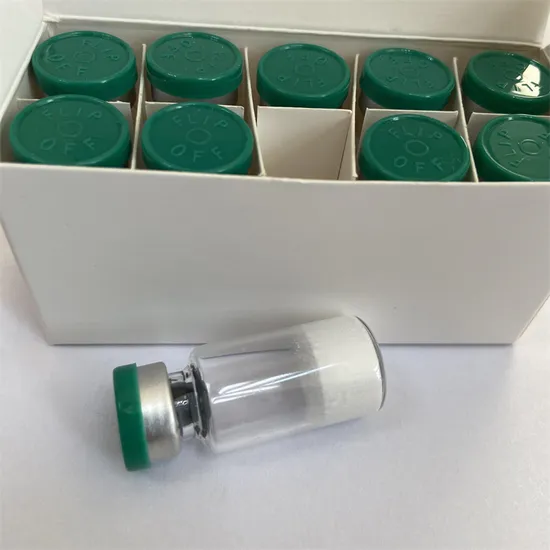
As a lyophilized acetate salt, Vosoritide acetate offers excellent solubility, high purity (≥99%), and reproducible bioactivity across in vitro and ex vivo systems. It remains stable under proper storage conditions and can be easily reconstituted for use in biochemical, cellular, or organoid-based studies related to chondrogenesis and skeletal development.
Product Specifications
| Property | Description |
|---|---|
| Product Name | Vosoritide Acetate |
| CAS Number | — |
| Synonyms | BMN 111; CNP analogue; NPR2 agonist peptide |
| Molecular Formula | C121H201N41O40S |
| Molecular Weight | ~2940.0 g/mol |
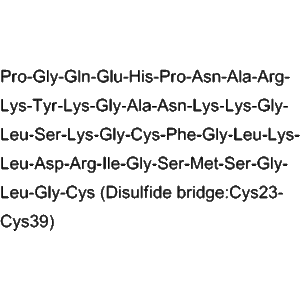
| Sequence | H-Gly-Ala-Gly-Ala-Ser-Gly-Gly-Cys-Phe-Gly-Leu-Met-Arg-Ile-Gly-Gly-Cys-Phe-Gly-NH₂ (acetate salt) |
| Purity | ≥99% |
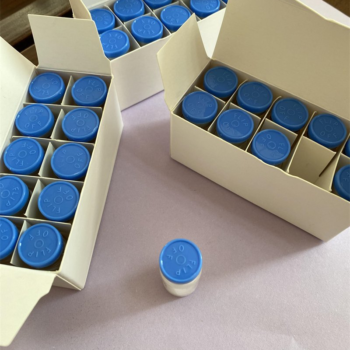
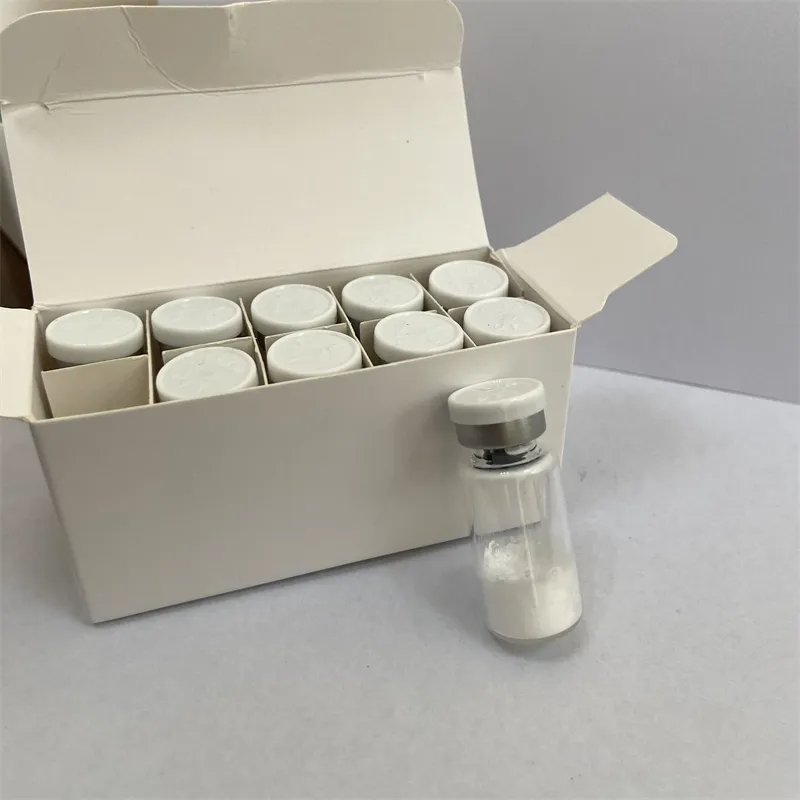
| Form | Lyophilized peptide (acetate salt) |
| Solubility | Soluble in sterile water or PBS |
| Storage | −20°C, desiccated, light-protected |
| Stability | Stable for ≥12 months under proper storage |
| Category | NPR2 receptor agonist; bone growth research peptide |
| Applications | Bone elongation, cartilage biology, chondrocyte differentiation research |
| Intended Use | For laboratory research use only |
Mechanism of Action
Vosoritide acetate exerts its biological activity through potent agonistic activation of NPR2, a transmembrane guanylyl cyclase receptor abundantly expressed in epiphyseal chondrocytes. Upon binding, NPR2 converts GTP to cGMP, which serves as a second messenger to activate protein kinase G (PKG). PKG phosphorylates a range of downstream targets that enhance matrix synthesis, cell proliferation, and cartilage differentiation.
The cGMP–PKG signaling axis induced by Vosoritide inhibits FGFR3–MAPK/ERK signaling, which is hyperactivated in achondroplasia and other skeletal dysplasias. By dampening FGFR3 signaling, Vosoritide rescues the repressed chondrocyte proliferation rate and prevents premature hypertrophic differentiation. This balance between cGMP and MAPK activity is crucial for normal endochondral ossification and longitudinal bone growth.
Vosoritide’s mechanism also influences the extracellular matrix (ECM) microenvironment. cGMP elevation enhances synthesis of collagen type II and aggrecan, vital components of cartilage structure and biomechanical integrity. Additionally, it reduces matrix metalloproteinase (MMP) expression, slowing ECM degradation and promoting regenerative remodeling.
Emerging research indicates Vosoritide may regulate mechanotransduction through TRPV4 and integrin-linked kinase (ILK) pathways, linking NPR2 activation to cytoskeletal dynamics and chondrocyte mechanosensitivity. Moreover, the peptide has been shown to promote angiogenic signaling at the chondro-osseous junction, facilitating the vascular invasion essential for bone elongation.
Overall, Vosoritide acetate represents a unique molecular probe for dissecting cGMP-dependent signaling in skeletal development and for identifying potential modulators of growth plate physiology, cartilage maintenance, and bone regeneration.
Side Effects
In preclinical research, Vosoritide acetate displays favorable safety and stability profiles. However, excessive activation of NPR2 can lead to transient hypotension or altered vascular tone due to systemic natriuretic signaling. In cell-based assays, high concentrations may induce off-target cGMP accumulation, influencing unrelated signaling cascades.
Proper handling and experimental calibration are essential to maintain physiologic relevance. Researchers should reconstitute the lyophilized peptide using sterile techniques and avoid repeated freeze–thaw cycles to preserve structural integrity and biological activity.
Vosoritide acetate is supplied strictly for laboratory research use only, and not for human administration or diagnostic purposes.
Disclaimer
This product is intended for research use only. Vosoritide acetate should not be used in humans or animals. All experiments must comply with institutional safety and biosafety regulations.
Keywords
Vosoritide acetate, BMN 111, NPR2 agonist, CNP analogue, chondrocyte proliferation peptide, bone growth regulator, endochondral ossification, FGFR3 pathway antagonist, skeletal dysplasia research, cartilage differentiation peptide
Shipping Guarantee
All peptide reagents are shipped under temperature-controlled conditions to ensure bioactivity retention. Each batch is validated by HPLC and MS analysis and accompanied by a Certificate of Analysis (COA) for traceability and reproducibility.
Trade Guarantee
We guarantee ≥99% purity, batch-to-batch consistency, and secure international transactions. All products meet global laboratory reagent standards and include technical data upon request.

Additional information
| Weight | 0.8 kg |
|---|---|
| Dimensions | 29 × 23 × 29 cm |
What is Vosoritide Acetate?
Vosoritide acetate is a synthetic CNP analog designed to activate NPR-B receptors and stimulate endochondral bone growth.
How does Vosoritide Acetate work?
It increases cGMP levels in chondrocytes, inhibiting FGFR3-mediated suppression of bone growth and promoting long bone development.
What are the research applications of Vosoritide Acetate?
Used in skeletal growth and achondroplasia models to study chondrocyte function, cGMP signaling, and FGFR3-related pathways.
Is Vosoritide Acetate a peptide?
Yes. It is a modified 39–amino-acid peptide structurally based on C-type natriuretic peptide.
Why is Vosoritide more stable than natural CNP?
It resists rapid degradation by endopeptidases due to its modified sequence, allowing effective experimental use.
What purity level is this Vosoritide Acetate?
This product has a high purity of 99.89%, ensuring experimental accuracy and minimal impurities.
Can Vosoritide Acetate be used clinically?
No. This formulation is for laboratory research use only and is not intended for therapy or clinical application.
Q1: What is Vosoritide acetate used for?
A1: It’s primarily used in research on endochondral bone formation, chondrocyte proliferation, and FGFR3-related skeletal dysplasia.
Q2: What receptor does it activate?
A2: Vosoritide is a selective NPR2 agonist, promoting cGMP synthesis and downstream PKG activation.
Q3: Is it a natural or synthetic peptide?
A3: It’s a synthetic analogue of the natural C-type natriuretic peptide (CNP).
Q4: How does it promote bone growth?
A4: By enhancing cGMP–PKG signaling and counteracting FGFR3-mediated inhibition of chondrocyte proliferation.
Q5: Can it be used in achondroplasia models?
A5: Yes, it is commonly used to study FGFR3 overactivation and its correction in dwarfism models.
Q6: Does Vosoritide influence vascular tone?
A6: At higher concentrations, NPR2 activation may transiently affect natriuretic signaling and vascular relaxation.
Q7: What form is it supplied in?
A7: Lyophilized acetate salt with ≥99% purity, ready for reconstitution in sterile water or PBS.
Q8: What are its solubility characteristics?
A8: Readily soluble in aqueous buffers, stable under −20°C storage conditions.
Q9: How does it affect extracellular matrix composition?
A9: It promotes collagen type II and aggrecan synthesis while reducing MMP expression.
Q10: Is it suitable for in vivo therapeutic testing?
A10: No, it’s for laboratory research only and not approved for clinical applications.
Related products
Retatrutide cost with insurance
Retatrutide cost with insurance Original price was: $38.00.$26.00Current price is: $26.00.Cosmetic Peptide Raw Material Factory – Low Price Wholesale Direct from China
Cosmetic Peptide Appearance: Lyophilized powder Dose 2mg 5mg 10mg 15mg 20mg Higher Original price was: $42.00.$22.00Current price is: $22.00.Retatrutide | CAS 2381089-83-2 | Dual GLP-1/GIP/Glucagon Receptor Agonist
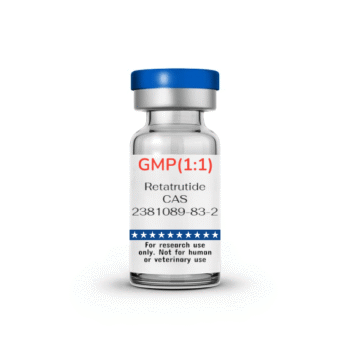
Retatrutide (CAS 2381089-83-2) is a high-purity research-grade peptide optimized for in vitro mechanistic studies. It supports investigations into signal transduction, receptor interactions, and molecular pathway modulation. Supplied as a lyophilized powder, it ensures stability and reproducibility for laboratory research applications. Original price was: $14.00.$12.00Current price is: $12.00.Retatrutide Raw Material Factory: Low-Price Wholesale for High-Purity Peptides
Retatrutide MOQ 1 Box Source Dry Powder Original price was: $38.00.$22.00Current price is: $22.00.
Reviews
There are no reviews yet.