
No products in the cart.
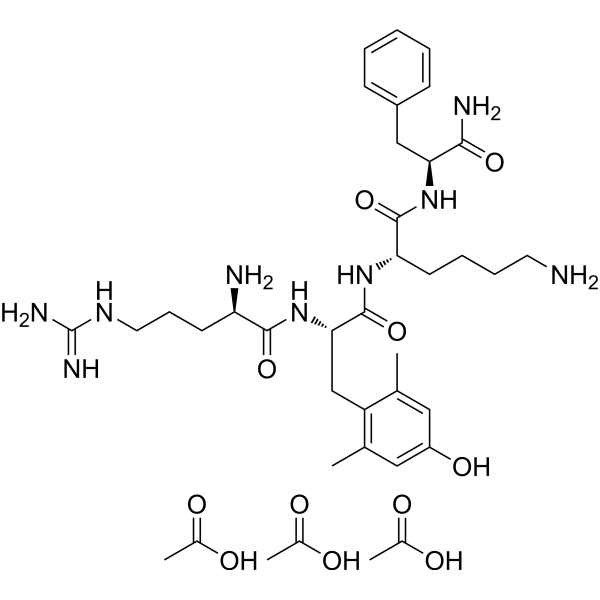
Elamipretide Triacetate – Purity 99.76% | GMP Factory
$2.00
Elamipretide Triacetate is a synthetic mitochondria-targeting peptide designed to improve mitochondrial function and reduce oxidative stress. With a purity of 99.76%, produced in a GMP-compliant facility, it is intended solely for laboratory research.?For wholesale prices, other specifications and uses, please consult our staff?

Description
Elamipretide Triacetate is a mitochondria-targeted tetrapeptide that selectively targets cardiolipin on the inner mitochondrial membrane. By stabilizing cardiolipin and improving mitochondrial bioenergetics, Elamipretide helps reduce mitochondrial dysfunction and oxidative damage. This compound is widely studied in experimental models of mitochondrial diseases, cardiovascular disorders, neurodegeneration, and metabolic syndromes.
Elamipretide Triacetate holds promise in research focused on improving mitochondrial health and mitigating the effects of mitochondrial-related cellular damage.
Product Specifications
| Parameter | Details |
|---|---|
| Product Name | Elamipretide Triacetate |
| CAS Number | 1849610-71-4 |
| Purity | 99.76% (HPLC) |
| Molecular Formula | C41H68N10O7 |
| Molecular Weight | Approx. 830.04 Da |
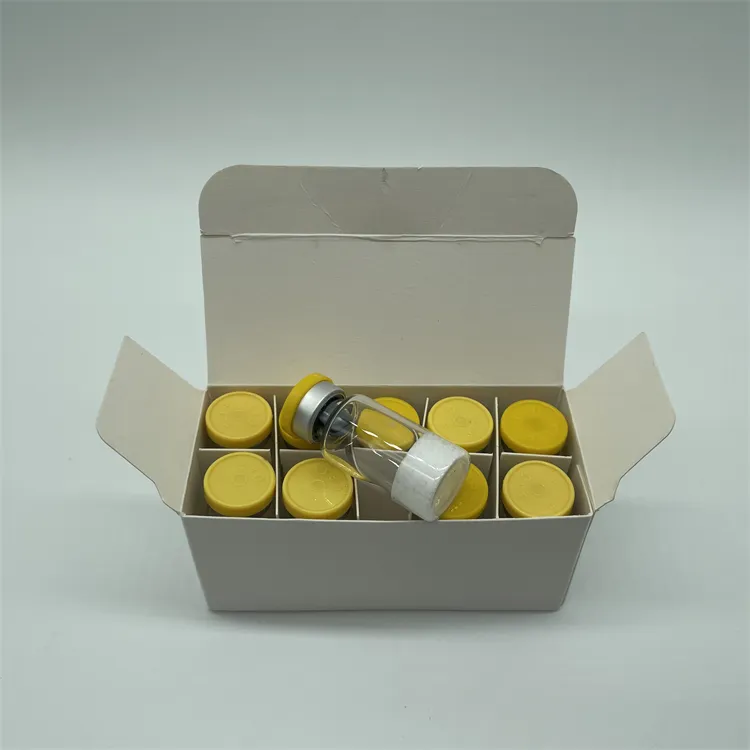
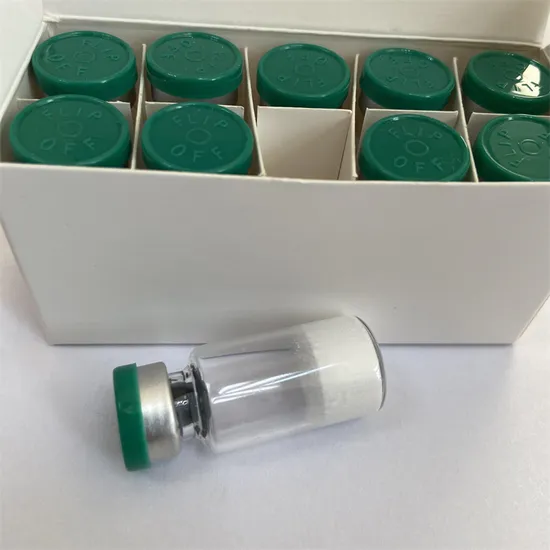
| Appearance | White to off-white lyophilized powder |
| Solubility | Soluble in water and aqueous buffers |
| Storage | Store at –20°C, protect from light and moisture |
| GMP Compliance | Yes |
| Intended Use | Laboratory research only |
Mechanism of Action & Research Applications
Elamipretide Triacetate selectively binds to cardiolipin in the inner mitochondrial membrane, stabilizing it and improving mitochondrial electron transport chain efficiency. This results in enhanced ATP production and reduced production of reactive oxygen species (ROS). Through this mechanism, Elamipretide helps prevent mitochondrial swelling, oxidative stress, and apoptosis in damaged cells.
Research applications include:
Studying mitochondrial dysfunction and bioenergetics
Investigating treatments for mitochondrial myopathies and cardiomyopathies
Exploring neurodegenerative disease mechanisms
Evaluating oxidative stress and cellular aging pathways
Side Effects (For Research Context Only)
In laboratory research, Elamipretide Triacetate has demonstrated low toxicity and good mitochondrial protective effects. Side effects in humans are not applicable as it is strictly for experimental use.
Disclaimer
Elamipretide Triacetate is intended solely for laboratory research use and is not approved for clinical or therapeutic applications.
Additional information
| Weight | 0.8 kg |
|---|---|
| Dimensions | 26 × 23 × 26 cm |
What is Elamipretide Triacetate?
Elamipretide Triacetate is a synthetic peptide that targets mitochondria to improve function and reduce oxidative stress in research.
What is the CAS number of Elamipretide Triacetate?
The CAS number is 1849610-71-4.
How does Elamipretide Triacetate work?
It binds cardiolipin in the mitochondrial membrane, stabilizing it and enhancing mitochondrial bioenergetics.
What research areas use Elamipretide Triacetate?
It is used in studies on mitochondrial diseases, neurodegeneration, oxidative stress, and cardiovascular disorders.
Is Elamipretide Triacetate produced under GMP standards?
Yes, it is manufactured in a GMP-compliant facility.
What purity level does Elamipretide Triacetate have?
The purity is 99.76%.
How should Elamipretide Triacetate be stored?
Store at –20°C, protected from light and moisture.
Can Elamipretide Triacetate be used clinically?
No, it is intended only for laboratory research use.
What makes Elamipretide Triacetate unique in mitochondrial research?
Its ability to specifically stabilize cardiolipin and improve mitochondrial energy production.
Why is Elamipretide Triacetate important in oxidative stress research?
Because it helps reduce mitochondrial ROS production and cell damage in experimental models.
Related products
GLP-1 Retatrutide Weight Loss Slimming low price wholesale
GLP-1 peptide slimming product, 5mg 10mg 15mg vials, metabolic health- Application: Health Care Supplement
- Form: Disposable vials
- Dosages: 5mg, 10mg, 15mg
- Purity: >99%
Tirzepatide Raw Material Factory: Low-Price Wholesale for High-Purity Peptides
Tirzepatide Compound CID: 163285897 MF: C225H348N48O68 diabetes [9][13][14][15] and for weight loss Original price was: $38.00.$23.00Current price is: $23.00.99.9% Effective Weight Loss Shaping Peptide – Beauty Peptide Factory Direct Low Price Wholesale
Peptide Purity 99% Specification 5mg/vial, 10mg/vial, 15mg/vial Original price was: $38.00.$23.00Current price is: $23.00.Retatrutide Raw Material Factory: Low-Price Wholesale for High-Purity Peptides
Retatrutide MOQ 1 Box Source Dry Powder Original price was: $38.00.$22.00Current price is: $22.00.






Reviews
There are no reviews yet.