
No products in the cart.
Sale
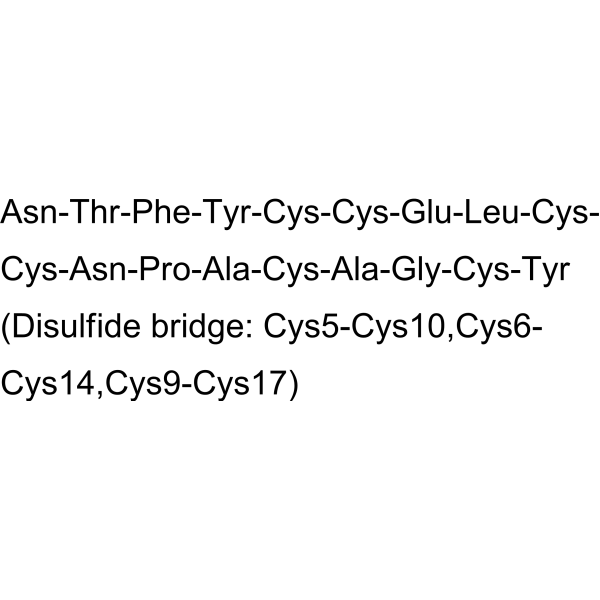
Enterotoxin STp (E. coli) – CAS 115474-04-9 – High-quality GMP supplier
Original price was: $18.00.$16.00Current price is: $16.00.
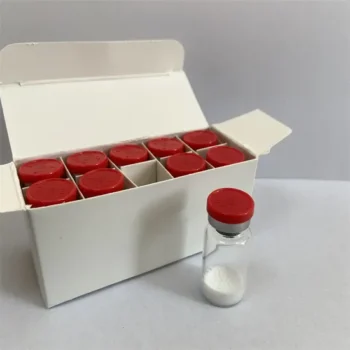
Enterotoxin STp (E. coli) is a heat-stable enterotoxin used in vaccine research and gastrointestinal studies. Offered with high purity from GMP facilities, supporting wholesale and retail supply. For research use only.?If you need to place an order or inquire about wholesale product prices, specifications and uses, please contact our staff?

Description
Enterotoxin STp (E. coli) is a heat-stable enterotoxin peptide secreted by certain strains of Escherichia coli (E. coli). With the CAS number 115474-04-9, this peptide has been extensively studied for its role in bacterial pathogenicity, gut immunology, and as a potential tool in vaccine development. Its biochemical properties make it highly resistant to denaturation, maintaining stability even under extreme heat, which is a hallmark of heat-stable toxins.
From a molecular perspective, Enterotoxin STp is a small peptide toxin that functions by binding to guanylate cyclase C (GC-C) receptors located on the surface of intestinal epithelial cells. This receptor-mediated interaction stimulates the production of cyclic guanosine monophosphate (cGMP), leading to altered ion transport and increased water secretion in the intestinal lumen. This process results in diarrhea when the peptide is expressed during bacterial infection.
However, in the context of controlled laboratory research, Enterotoxin STp (E. coli) serves as a powerful tool to study:
The pathophysiological mechanisms of bacterial diarrheal diseases.
The role of GC-C receptor signaling in gastrointestinal homeostasis.
The design of attenuated or modified toxins as candidate components for vaccine research.
The development of novel therapeutic strategies targeting enterotoxin-mediated pathways.
Produced under GMP-compliant manufacturing conditions, Enterotoxin STp (E. coli) is offered in high purity (?98%), making it suitable for advanced experimental protocols requiring consistency and reliability. It is available for both wholesale and retail supply, ensuring flexibility for academic institutions, pharmaceutical companies, and independent research laboratories.
It is important to emphasize that while Enterotoxin STp (E. coli) demonstrates clear biological activity, it is strictly intended for laboratory research use only and must not be used in humans, animals, or for diagnostic or therapeutic purposes.
Product Specifications
| Parameter | Details |
|---|---|
| Product Name | Enterotoxin STp (E. coli) |
| CAS Number | 115474-04-9 |
| Synonyms | Heat-Stable Enterotoxin STp, E. coli STp |
| Purity | ?98% |
| Molecular Type | Peptide (Heat-Stable Toxin) |
| Source | Escherichia coli |
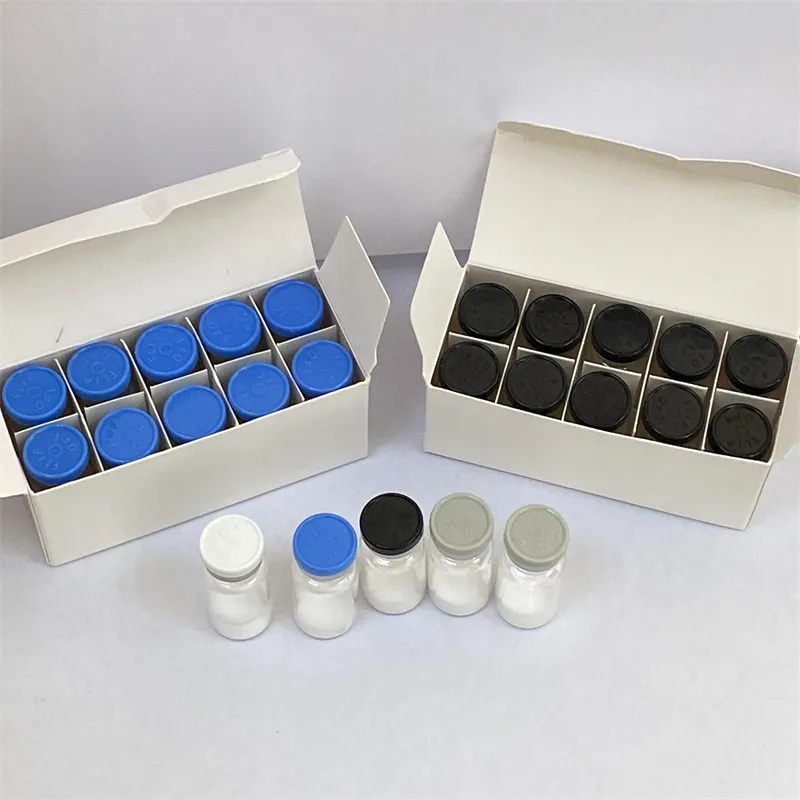
| Appearance | White to off-white lyophilized powder |
| Storage Conditions | Store at –20°C, protect from light |
| GMP Compliance | Manufactured under GMP standards |
| Applications | Immunology research, vaccine research, gastrointestinal studies |
| Intended Use | Laboratory research use only |
Mechanism of Action & Research Applications
Enterotoxin STp (E. coli) exerts its biological effects through high-affinity binding to guanylate cyclase C (GC-C) receptors located on the luminal surface of enterocytes in the small intestine. Upon binding, the toxin stimulates the catalytic domain of GC-C, increasing intracellular cGMP levels. Elevated cGMP activates protein kinase G II (PKG II) and protein kinase A (PKA), which in turn phosphorylate the cystic fibrosis transmembrane conductance regulator (CFTR) chloride channels.
The consequence of this cascade is:
Enhanced chloride and bicarbonate secretion.
Inhibition of sodium absorption.
Increased water flux into the intestinal lumen.
Manifestation of diarrheal symptoms in pathogenic infection.
While these physiological responses contribute to E. coli-related diarrheal diseases, researchers leverage Enterotoxin STp (E. coli) for controlled applications, including:
Vaccine Development: Modified or attenuated STp peptides serve as molecular models for designing novel vaccines against enterotoxin-producing bacterial infections.
Gastrointestinal Signaling Research: Studies on GC-C receptor pathways help elucidate mechanisms of intestinal homeostasis, fluid balance, and potential therapeutic targets for conditions like irritable bowel syndrome (IBS).
Cancer Research: GC-C receptors are also expressed in colorectal cancer cells, making STp derivatives useful tools for exploring receptor-targeted drug delivery systems.
Comparative Microbiology: STp offers insight into how bacterial pathogens evolve virulence factors that exploit host cellular signaling.
The stability of Enterotoxin STp under heat and acidic conditions makes it a robust experimental model, enabling reproducible results across diverse laboratory conditions.

Side Effects (For Reference Only in Models)
When studied in biological systems, Enterotoxin STp (E. coli) is associated with well-characterized physiological responses:
Diarrhea induction due to fluid imbalance in the gut.
Electrolyte disturbances as a result of altered chloride and sodium transport.
Intestinal inflammation following prolonged exposure.
Cellular stress in enterocytes through overactivation of GC-C receptors.
In animal or cell models, the severity of these effects depends on dosage, exposure time, and delivery route. It is crucial to underline that Enterotoxin STp (E. coli) is not intended for human or veterinary use. Any observed side effects are documented only within research models and should not be extrapolated to clinical contexts.
Disclaimer
Enterotoxin STp (E. coli) is supplied exclusively for laboratory research use. It is not intended for use in humans, animals, diagnostic procedures, or therapeutic applications. Handle under appropriate laboratory safety protocols.
Keywords
Heat-stable enterotoxin STp
E. coli toxin research peptide
GMP peptide supplier Enterotoxin STp
Enterotoxin STp vaccine research
Laboratory research peptide Enterotoxin STp
Enterotoxin STp wholesale supplier
Additional information
| Weight | 0.8 kg |
|---|---|
| Dimensions | 26 × 63 × 26 cm |
Related products
Best Price with Peptides 10mg Vials – High-Purity Weight Loss Peptide in Stock with Safe Delivery
Weight Loss Peptide Moq: 10 vials per box Package: plastic or paper box Purity:99% Original price was: $36.00.$24.00Current price is: $24.00.Factory Supply Peptide Healthcare 99% with Safe Delivery
Peptide Healthcare Usage Delta-Sleep Inducing Peptides Purity 99%Over Dose 2mg 5mg 10mg 15mg 20mg Highe Original price was: $28.00.$23.00Current price is: $23.00.Wholesale 99% Purity Epitalon Peptide Raw Powder for Skin Repair
Epitalon Peptide Raw Powder for Skin Repair Original price was: $33.00.$22.00Current price is: $22.00.USA-Peptide-Janoshik Lyophilized Peptide Raw Powder for Muscle Building & Weight Loss
Lyophilized peptide raw powder Moq:10 vials per box Appearance:Lyophilized powder Original price was: $32.00.$24.00Current price is: $24.00.


Reviews
There are no reviews yet.