
No products in the cart.
Sale

Capreomycin – Macrocyclic Peptide Antibiotic for Multidrug-Resistant Tuberculosis Research
Original price was: $26.00.$22.00Current price is: $22.00.
Capreomycin is a macrocyclic peptide antibiotic effective against multidrug-resistant Mycobacterium tuberculosis. It inhibits phenylalanine synthesis during ribosomal translation. For research purposes only.?If you need to place an order or inquire about wholesale product prices, specifications and uses, please contact our staff?

Description
Capreomycin is a clinically significant macrocyclic peptide antibiotic produced under GMP-certified conditions with high purity. In laboratory research, Capreomycin serves as a key reagent for studying multidrug-resistant tuberculosis (MDR-TB), offering insights into bacterial ribosome function, antibiotic resistance mechanisms, and potential therapeutic interventions.
Structurally, Capreomycin is a cyclic peptide comprising multiple amino acid residues, which contribute to its antibacterial activity. Its unique macrocyclic configuration allows it to bind selectively to the ribosomal complex of Mycobacterium tuberculosis, inhibiting protein synthesis. Specifically, Capreomycin interferes with phenylalanine incorporation during translation, disrupting bacterial ribosome function and leading to impaired cell viability. This makes it particularly effective against strains resistant to conventional anti-TB drugs, including isoniazid and rifampicin.
is extensively used in in vitro and in vivo models to investigate the molecular basis of drug resistance. By studying the binding interactions of Capreomycin with ribosomal RNA and proteins, researchers can elucidate structural mechanisms underlying bacterial tolerance and identify potential targets for novel antibiotics. Its application in experimental research extends to combinatorial studies with other anti-tuberculosis agents, enabling evaluation of synergistic effects and dose optimization for overcoming multidrug-resistant strains.
Additionally, Capreomycin facilitates the study of translational control mechanisms in mycobacteria. By selectively blocking phenylalanine synthesis, it allows researchers to examine how ribosomal stalling, translational fidelity, and protein folding are affected under antibiotic pressure. These investigations contribute to a deeper understanding of bacterial physiology, adaptive resistance, and the development of next-generation antimicrobial therapies.
is supplied as a lyophilized powder, stable under standard laboratory conditions, and can be dissolved in aqueous buffers for use in cell culture, bacterial culture, and in vivo models. Its high specificity, well-characterized mechanism, and reproducible activity profile make it an indispensable tool in tuberculosis research, antimicrobial pharmacology, and drug development pipelines.
Product Specifications
| Parameter | Details |
|---|---|
| Product Name | Capreomycin |
| Synonyms | Capreomycin sulfate, CMS, Capreomycin peptide antibiotic |
| CAS Number | 11003-38-6 |
| Molecular Type | Macrocyclic peptide |
| Purity | ? 98% (HPLC) |
| Appearance | White to off-white lyophilized powder |
| Stability | Stable at -20°C; avoid repeated freeze-thaw cycles |
| Storage | Store at -20°C under inert atmosphere |
| GMP Compliance | Produced in GMP-certified facility |
| Application | Laboratory research in anti-multidrug-resistant tuberculosis, ribosomal inhibition studies, antimicrobial research |
| Availability | Wholesale & retail supply |
Mechanism of Action & Research Applications
Capreomycin functions primarily as an inhibitor of protein synthesis in mycobacterial cells. It targets the 70S ribosome, binding to specific sites that interfere with the incorporation of phenylalanine into nascent polypeptide chains. By disrupting the translation process, Capreomycin causes ribosomal stalling, misfolded protein accumulation, and ultimately bacterial cell death.
Its macrocyclic structure enhances binding affinity and specificity, distinguishing it from linear peptide antibiotics. Capreomycin demonstrates potent activity against multidrug-resistant strains of Mycobacterium tuberculosis, making it a crucial tool for preclinical studies of MDR-TB therapeutics.
Research Applications:
Multidrug-Resistant Tuberculosis Studies: Capreomycin is widely used to model MDR-TB in vitro and in vivo, allowing researchers to study bacterial responses to peptide antibiotics and resistance mechanisms.
Ribosomal Function Analysis: Researchers utilize Capreomycin to investigate translational fidelity, protein synthesis dynamics, and phenylalanine incorporation in mycobacterial ribosomes.
Combination Therapy Evaluation: It enables studies of synergistic or antagonistic interactions with other anti-TB agents, guiding optimization of therapeutic regimens.
Structural Biology Studies: Capreomycin can be used in cryo-EM or X-ray crystallography to map ribosomal binding sites and elucidate antibiotic-ribosome interactions.
Drug Resistance Mechanism Investigation: Studying Capreomycin-resistant mutants allows researchers to understand genetic mutations and adaptive pathways conferring antibiotic resistance.
Antimicrobial Pharmacology: Capreomycin serves as a benchmark peptide antibiotic for evaluating new compounds targeting ribosomal translation in mycobacteria.
In Vivo Preclinical Models: It is used to assess pharmacodynamics, tissue distribution, and bactericidal efficacy in animal models of tuberculosis.
Peptide Modification Studies: Its macrocyclic scaffold provides a platform for designing analogs with enhanced activity, stability, or reduced toxicity.
Capreomycin’s dual utility in molecular biology and antimicrobial research makes it a versatile reagent for laboratory investigations, ranging from fundamental studies of bacterial translation to applied MDR-TB research. Its well-defined mechanism of action allows precise experimental control, making it a preferred choice for preclinical studies and translational research in infectious diseases.

Capreomycin Side Effects (For Reference in Models)
is intended exclusively for laboratory research. In experimental models, potential cytotoxic or off-target effects may occur at high concentrations, including non-specific inhibition of ribosomes in model organisms. Standard laboratory safety precautions, including handling with gloves, protective clothing, and proper disposal of bacterial cultures, should be observed. This product is not for human or veterinary use.
Disclaimer
is for laboratory research purposes only. It is not for human or veterinary use, clinical diagnosis, or treatment. All handling should follow institutional safety guidelines for antibiotics and peptide reagents.
Keywords
MDR-TB research, Mycobacterium tuberculosis inhibitor, peptide antibiotic, ribosomal inhibitor, phenylalanine synthesis inhibitor, preclinical TB research, GMP peptide supplier, antimicrobial peptide, laboratory tuberculosis research, multidrug-resistant TB peptide, peptide ribosome inhibitor, peptide research chemical, wholesale peptide supplier,CAS : 11003-38-6
Additional information
| Weight | 0.8 kg |
|---|---|
| Dimensions | 63 × 53 × 63 cm |
1 review for Capreomycin – Macrocyclic Peptide Antibiotic for Multidrug-Resistant Tuberculosis Research
Related products
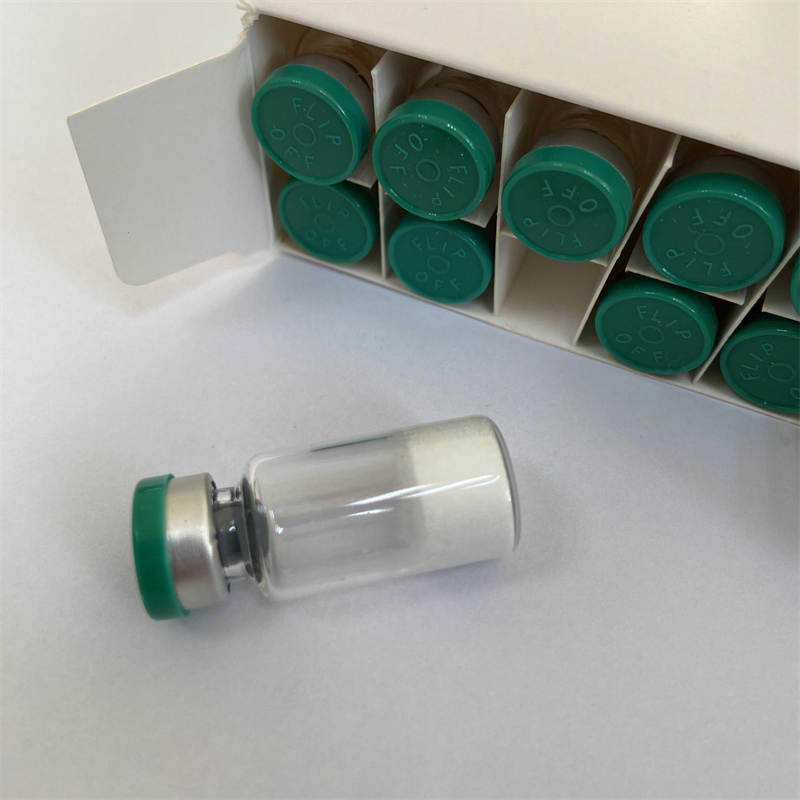
Top Quality Peptides Lyophilized Powder – Reta Trutide Fitness and Weight Loss Peptide in Stock | Factory Wholesale
Peptides Function Weight Loss Peptides Moq:10 vials per box Original price was: $38.00.$22.00Current price is: $22.00.GLP-1/GIP/glucagon combination therapy The Future of Metabolic Treatment (Wholesale Supplier Guide)
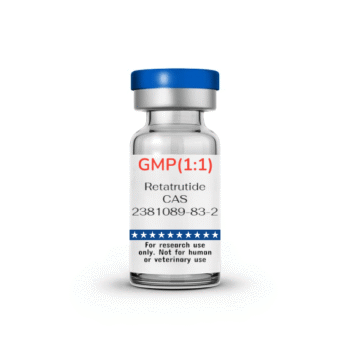
GLP-1/GIP/glucagon combination therapy Original price was: $38.00.$23.00Current price is: $23.00.Retatrutide | CAS 2381089-83-2 | Dual GLP-1/GIP/Glucagon Receptor Agonist
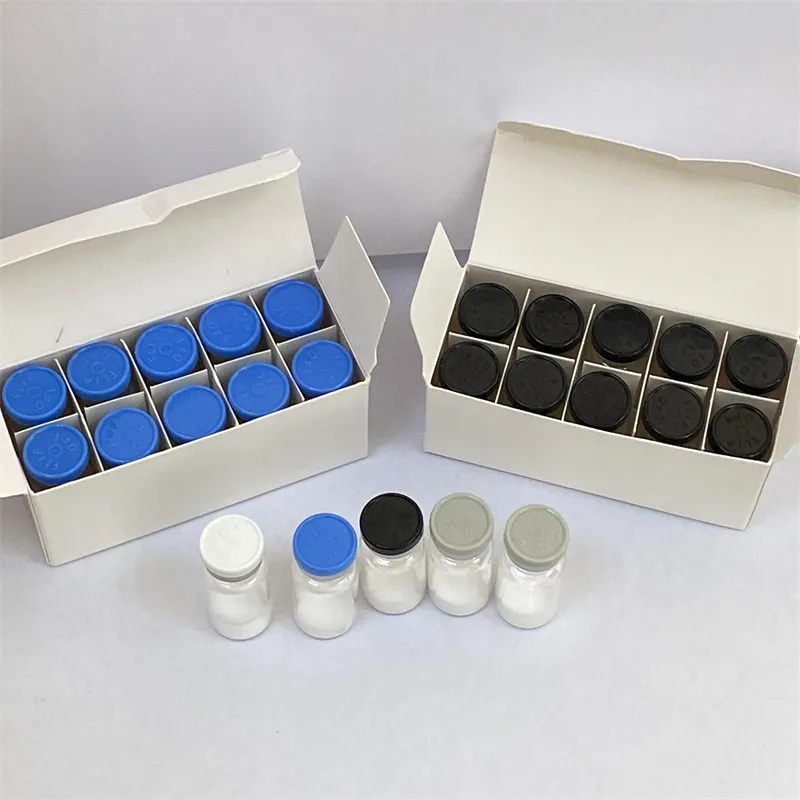
Retatrutide (CAS 2381089-83-2) is a high-purity research-grade peptide optimized for in vitro mechanistic studies. It supports investigations into signal transduction, receptor interactions, and molecular pathway modulation. Supplied as a lyophilized powder, it ensures stability and reproducibility for laboratory research applications. Original price was: $14.00.$12.00Current price is: $12.00.USA-Peptide-Janoshik Lyophilized Peptide Raw Powder for Muscle Building & Weight Loss
Lyophilized peptide raw powder Moq:10 vials per box Appearance:Lyophilized powder Original price was: $32.00.$24.00Current price is: $24.00.
matias –
Reliable delivery and good overall quality.