
No products in the cart.
Sale
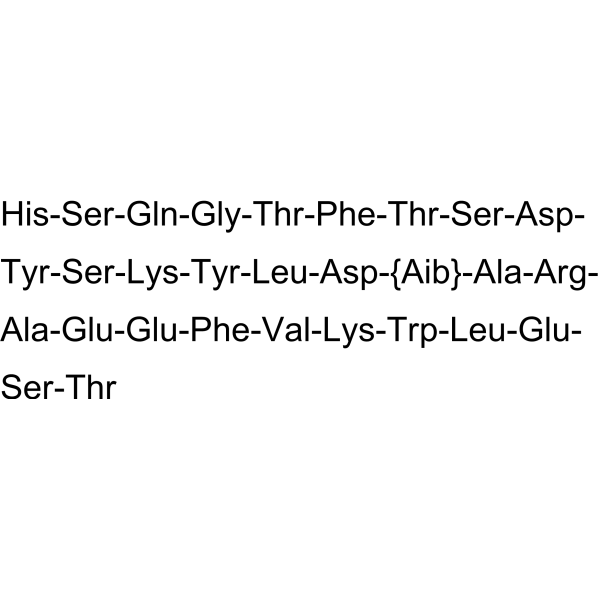
Dasiglucagon (CAS 1544300-84-6) | Human Glucagon Analog for Hypoglycemia Research | GMP Supplier
Original price was: $20.00.$18.00Current price is: $18.00.
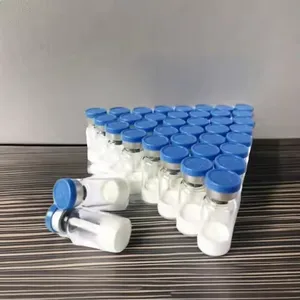
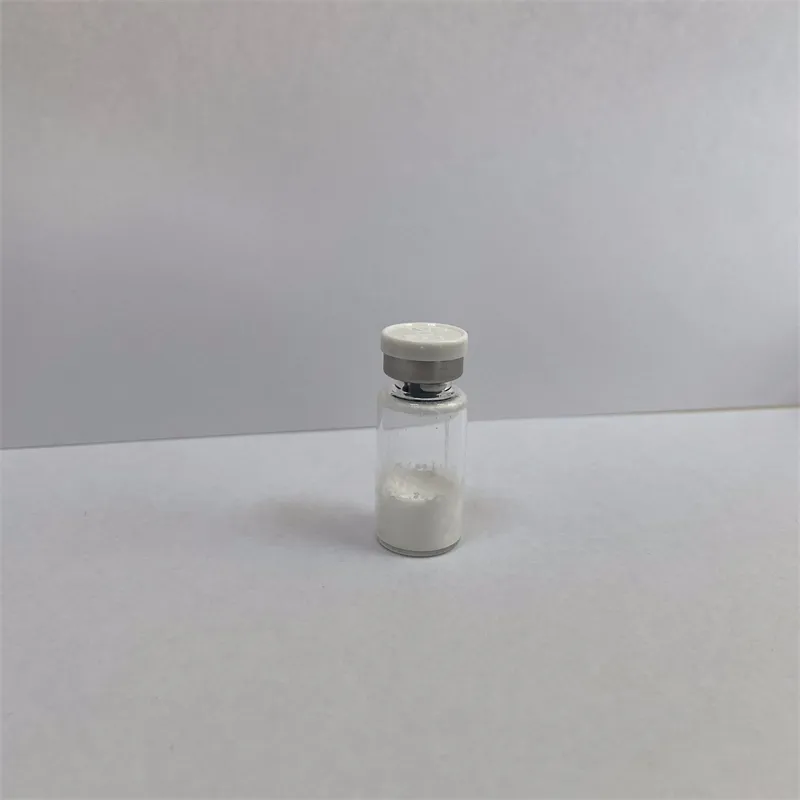
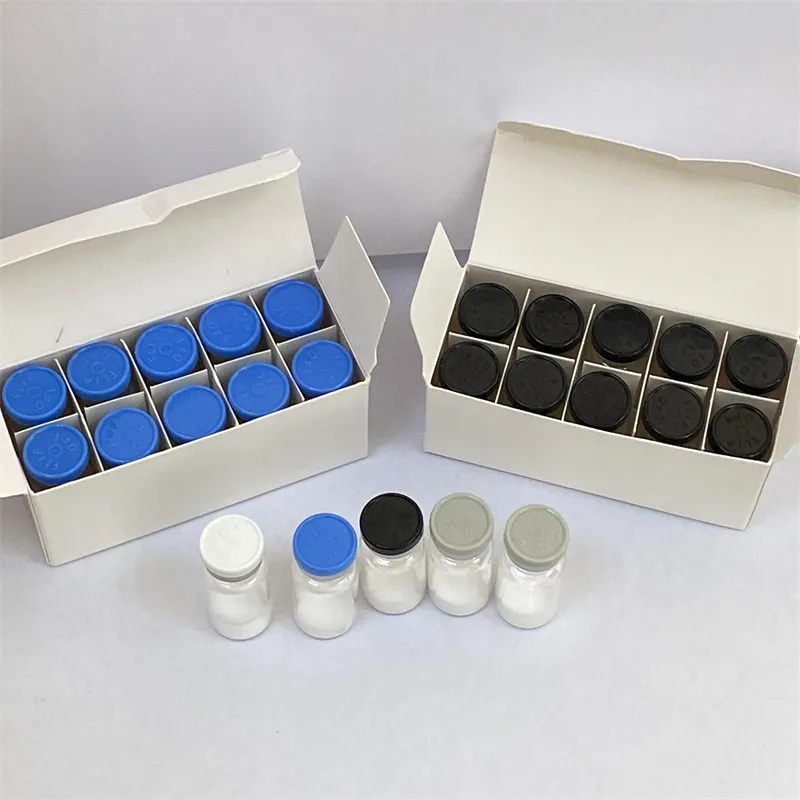
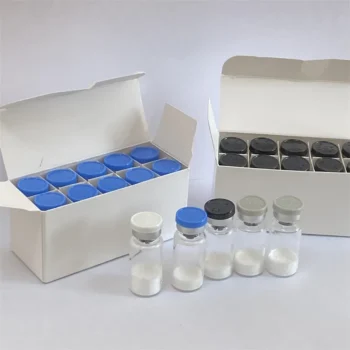
Dasiglucagon is a synthetic human glucagon analog designed to elevate plasma glucose levels. It is widely used in laboratory research models for hypoglycemia, offering precise control over glycemic modulation. Supplied in GMP-grade form for reproducible research, suitable for both wholesale and retail. For laboratory research use only.(Please contact our staff to place an order or learn about product wholesale prices, specifications, uses and lists)

Description
Product Description
Dasiglucagon is a synthetic human glucagon analog, engineered to mimic the biological activity of endogenous glucagon while offering enhanced stability for laboratory research applications. Glucagon, a key pancreatic hormone, plays a central role in glucose homeostasis by stimulating hepatic glucose production through glycogenolysis and gluconeogenesis. Dasiglucagon reproduces these effects in a controlled experimental context, allowing researchers to study hypoglycemia, glucose metabolism, and endocrine regulation with high precision.
In preclinical studies, Dasiglucagon effectively elevates plasma glucose in rodent and primate models, providing a reliable platform to evaluate glycemic responses, insulin-glucagon interplay, and counterregulatory mechanisms. The peptide is designed for high affinity binding to glucagon receptors (GCGR) in hepatic cells, triggering the cyclic AMP (cAMP) signaling cascade, activating protein kinase A (PKA), and promoting the mobilization of glucose from glycogen stores. This targeted mechanism allows investigators to study glucose kinetics, hormonal feedback loops, and pharmacodynamic effects in controlled laboratory environments.
Dasiglucagon’s GMP-grade production ensures reproducibility and batch consistency, critical for comparative studies and translational research. The lyophilized peptide maintains stability during storage, enabling researchers to conduct longitudinal experiments without compromising activity. It is suitable for in vitro, ex vivo, and in vivo studies, including cellular assays, isolated liver perfusion systems, and systemic hypoglycemia models.
The peptide is particularly valuable in research focused on hypoglycemia counterregulation, including investigations into the effects of insulin overdose, diabetes therapies, and hormonal feedback mechanisms. By selectively elevating glucose levels, Dasiglucagon allows laboratories to explore therapeutic interventions, receptor pharmacology, and signal transduction pathways in metabolic disorders.
Additionally, Dasiglucagon supports mechanistic studies on receptor-ligand interactions, downstream cAMP signaling, and cross-talk with other hormonal systems, such as insulin, GLP-1, and somatostatin. The peptide’s structure promotes high receptor selectivity and minimal off-target effects, which is essential for generating reproducible and interpretable results in preclinical research.
In summary, Dasiglucagon is an indispensable research tool for laboratories studying glucose homeostasis, hypoglycemia management, and endocrine physiology. Its combination of selective receptor activity, GMP-quality production, and robust pharmacodynamic effects provides a reliable foundation for translational metabolic research.
?? Disclaimer: For laboratory research use only. Not for human or veterinary use.
Product Specifications
| Parameter | Details |
|---|---|
| Product Name | Dasiglucagon |
| Synonyms | human glucagon analog |
| CAS Number | 1544300-84-6 |
| Molecular Type | Synthetic peptide |
| Purity | ? 98% (HPLC) |
| Appearance | White to off-white lyophilized powder |
| Solubility | Soluble in aqueous buffers and DMSO |
| Stability | Stable for ? 24 months in lyophilized form |
| Storage Conditions | Store at -20°C; avoid repeated freeze-thaw cycles |
| Mechanism | GCGR agonist; increases plasma glucose |
| GMP Compliance | Manufactured in GMP-certified facility |
| Application | Laboratory research on hypoglycemia, glucose metabolism, endocrine studies |
| Availability | Wholesale & retail supply |
| Experimental Models | Rodent, non-human primate, in vitro hepatic models |
| Safety Considerations | Handle with standard laboratory precautions; research-use only |
Dasiglucagon’s specifications provide researchers with comprehensive experimental confidence, ensuring reproducible peptide quality for hypoglycemia studies, receptor pharmacology, and metabolic research. Its GMP-certified production reinforces its reliability for both bulk and small-scale laboratory applications.
Mechanism of Action & Research Applications
Dasiglucagon exerts its biological activity primarily through glucagon receptor activation (GCGR), a G protein-coupled receptor expressed predominantly in hepatic tissues. Upon binding to GCGR, Dasiglucagon triggers cAMP-dependent signaling, activating PKA, and stimulating glycogenolysis and gluconeogenesis, which increase plasma glucose levels. This action mimics the natural counterregulatory response to hypoglycemia, making it an ideal tool for laboratory research.
Mechanism Overview:
Receptor Binding and Selectivity
Dasiglucagon exhibits high affinity for glucagon receptors, ensuring targeted hepatic glucose mobilization without significant interaction with other GPCRs. This specificity allows accurate modeling of glucagon-mediated pathways.cAMP-PKA Signaling Activation
The peptide induces cAMP accumulation, activating PKA. Activated PKA phosphorylates enzymes critical for glycogen breakdown, leading to rapid glucose release into circulation.Gluconeogenesis and Glycogenolysis
By activating both glycogenolysis and gluconeogenesis, Dasiglucagon provides sustained plasma glucose elevation, facilitating studies on glucose dynamics under hypoglycemic conditions.Counterregulatory Feedback Studies
Researchers can use Dasiglucagon to examine interactions between insulin and glucagon, elucidating feedback mechanisms in both normal and disease models, including diabetes and metabolic syndrome.
Research Applications:
Hypoglycemia Modeling
Dasiglucagon is used to simulate acute and chronic hypoglycemia, enabling pharmacological intervention studies and mechanistic investigations in rodent and primate models.Endocrine and Metabolic Research
Researchers can study the effects of glucagon analogs on glucose homeostasis, insulin secretion, and pancreatic feedback mechanisms.Translational Research Potential
The peptide facilitates preclinical evaluation of new therapies for hypoglycemia prevention and treatment, providing insights relevant to human physiology.In Vitro and Ex Vivo Studies
Dasiglucagon can be applied to hepatocyte cultures or perfused liver models to study glucose mobilization kinetics, receptor pharmacodynamics, and downstream signaling.Combination Therapy Investigations
The peptide serves as a tool for evaluating synergy with insulin, GLP-1 analogs, and other metabolic regulators, assisting in preclinical therapy optimization.Mechanistic Studies on Signal Transduction
Researchers can explore cAMP-mediated pathways, receptor desensitization, and intracellular cross-talk, deepening understanding of glucagon biology.Pharmacokinetics and Dose-Response Studies
Dasiglucagon enables precise measurement of dose-dependent glucose elevation, clearance rates, and systemic distribution, essential for translational modeling.
In summary, Dasiglucagon provides a robust, reproducible, and selective platform for investigating glucose regulation, hypoglycemia mechanisms, and endocrine physiology, supporting a wide array of laboratory research applications.
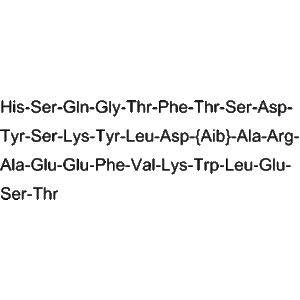
Side Effects (For Reference in Research Models)
Experimental observations in preclinical models indicate the following potential effects:
Hyperglycemia
Dose-dependent elevation of plasma glucose is expected; requires monitoring in experimental models.Hepatic Response
Increased hepatic glucose production may transiently affect liver metabolism markers; useful for mechanistic studies.Cardiovascular Parameters
Mild transient effects on heart rate or blood pressure may be observed in in vivo rodent models; monitor during systemic administration.Gastrointestinal Effects
Some studies report mild nausea-like behaviors in animal models, reflecting glucagon’s effect on gastric motility.Pharmacokinetic Considerations
Peptide stability is maintained in lyophilized form; avoid repeated freeze-thaw cycles to preserve experimental reproducibility.Experimental Model Observations
Variability in glucose elevation may occur depending on species, model, and experimental design.
?? These effects are strictly for laboratory research reference. Dasiglucagon is not intended for human or veterinary use. Researchers should adhere to institutional safety protocols when handling the peptide.
Disclaimer
For laboratory research use only. Not for human or veterinary use.
Keywords
Dasiglucagon
Human glucagon analog peptide
Hypoglycemia research compound
GMP supplier Dasiglucagon
Plasma glucose modulator
Endocrine research peptide
Laboratory metabolic peptide
Preclinical glucagon studies
Wholesale and retail research peptide
Additional information
| Weight | 0.8 kg |
|---|---|
| Dimensions | 53 × 42 × 53 cm |
2 reviews for Dasiglucagon (CAS 1544300-84-6) | Human Glucagon Analog for Hypoglycemia Research | GMP Supplier
Related products
GLP-1/GIP/glucagon combination therapy The Future of Metabolic Treatment (Wholesale Supplier Guide)
GLP-1/GIP/glucagon combination therapy Original price was: $38.00.$23.00Current price is: $23.00.Wholesale Cibinetide Peptide Sterile Solution
Cibinetide Sterile Solution is a synthetic, tissue-protective erythropoietin-derived peptide engineered for research use in inflammation, neuroprotection, and cellular stress-response models. Its high purity, GMP-compliant preparation, and ready-to-use sterile formulation make it ideal for laboratories requiring consistent, reproducible peptide performance in advanced mechanistic studies.(For research use only. Not for human or veterinary use) Original price was: $38.00.$22.00Current price is: $22.00.USA-Peptide-Janoshik Lyophilized Peptide Raw Powder for Muscle Building & Weight Loss
Lyophilized peptide raw powder Moq:10 vials per box Appearance:Lyophilized powder Original price was: $32.00.$24.00Current price is: $24.00.High Purity Weight Loss Peptide Reta, Trutide, GHK-Cu, Epitalon Peptide – The Ultimate Solution for Effective Weight Loss and Anti-Aging
Weight Loss Peptide Function Dose 2mg 5mg 10mg 15mg 20mg Higher Original price was: $36.00.$25.00Current price is: $25.00.
fredrickfuqua –
No problems encountered with this order.
Emily –
This platform is become increasingly mature.