
No products in the cart.
Sale

Dirucotide (CAS 152074-97-0) | Synthetic Peptide for Autoimmune Disorder Research
Original price was: $22.00.$18.00Current price is: $18.00.
Dirucotide (MBP8298) is a 17-amino acid synthetic peptide mimicking a sequence of human myelin basic protein (MBP). It is widely used in autoimmune research, particularly in studies related to multiple sclerosis (MS) and central nervous system immune tolerance mechanisms.(Please contact our staff to place an order or learn about product wholesale prices, specifications, uses and lists)

Description
Contents
hide
Product Description
Introduction
Dirucotide, also known as MBP8298, is a synthetic 17-amino acid peptide designed to replicate a specific segment of human myelin basic protein (MBP). MBP is an essential component of the myelin sheath that insulates nerve fibers within the central nervous system (CNS). Because autoimmune attacks against MBP are implicated in diseases such as multiple sclerosis (MS), Dirucotide has emerged as a valuable research compound for exploring immune tolerance, T-cell recognition, and peptide-based immunotherapy.
Structural & Biochemical Features
Peptide Class: Synthetic immunological peptide
Amino Acid Length: 17 residues
Sequence Identity: Identical to a portion of human MBP
Molecular Properties: Mimics natural myelin epitopes, enabling interaction with immune receptors
Biological Role: Experimental induction of immune tolerance
The structural fidelity of Dirucotide allows researchers to study autoimmune targeting mechanisms and explore potential therapeutic immunomodulation strategies.
Relevance in Autoimmune Research
Autoimmune diseases of the CNS, particularly multiple sclerosis, are characterized by autoreactive T-cells that recognize MBP and attack the myelin sheath. By mimicking MBP epitopes, Dirucotide can modulate T-cell activity, making it an essential tool for:
Investigating immune tolerance induction
Studying antigen-specific T-cell responses
Exploring peptide immunotherapy strategies for MS
Developing preclinical autoimmune models
Production & Purity
Dirucotide is manufactured under GMP-compliant peptide synthesis protocols and is available at ?98% purity (HPLC verified). It is supplied in a lyophilized, stable form suitable for long-term storage and reproducible laboratory studies.
Product Specifications
| Parameter | Details |
|---|---|
| Product Name | Dirucotide |
| Synonyms | MBP8298 |
| CAS Number | 152074-97-0 |
| Molecular Type | Synthetic peptide (17 amino acids) |
| Functional Role | Immunological agent for CNS autoimmune research |
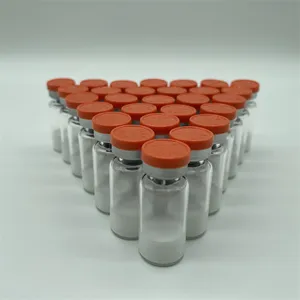
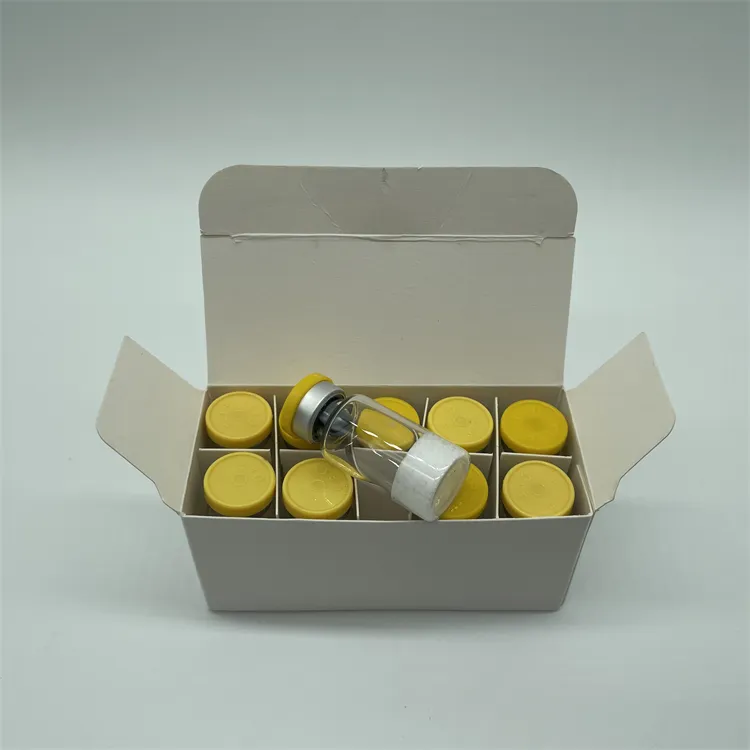
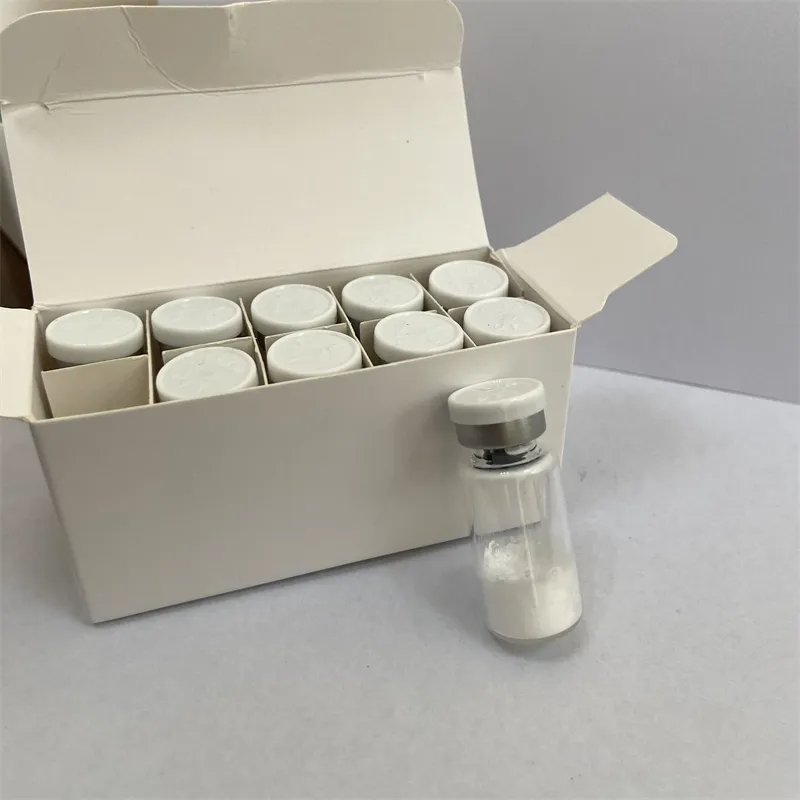
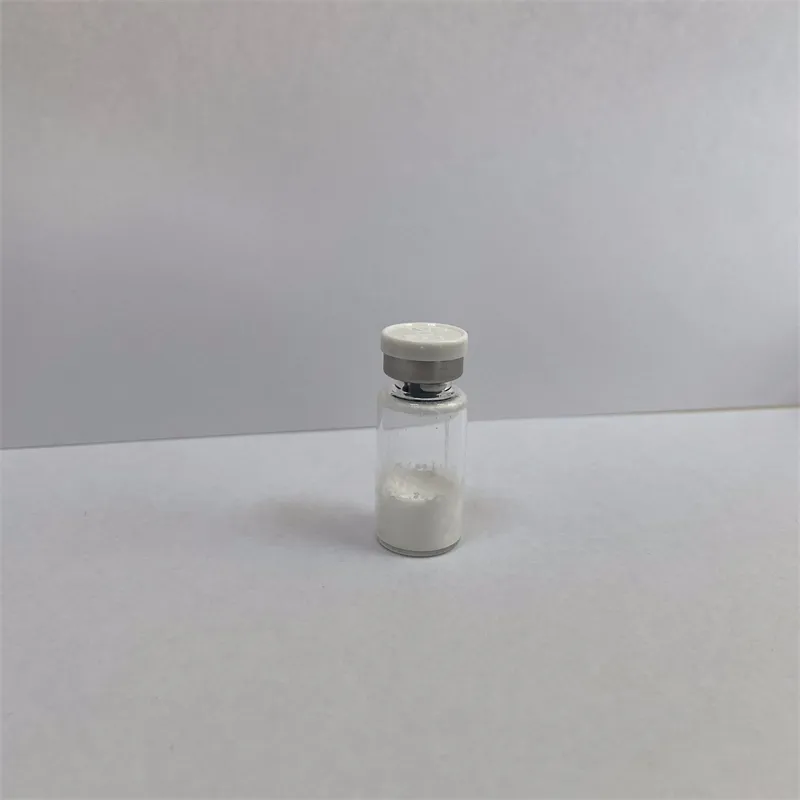
| Appearance | White to off-white lyophilized powder |
| Purity | ? 98% (HPLC verified) |
| Molecular Formula | Available upon request |
| Molecular Weight | Available upon request |
| Solubility | Soluble in water, PBS, and DMSO |
| Stability | Stable for ?24 months in lyophilized form |
| Storage Conditions | -20°C, dry, light-protected |
| Mechanism | Mimics MBP epitopes to study immune tolerance and T-cell recognition |
| Applications | Multiple sclerosis research, autoimmune tolerance studies, immunotherapy development |
| Experimental Models | In vitro lymphocyte assays, T-cell recognition assays, autoimmune mouse models |
| GMP Compliance | Manufactured under GMP conditions |
| Safety Note | For research use only; not for therapeutic or diagnostic use |
| Availability | Bulk & laboratory-scale packaging |
The high purity, sequence fidelity, and GMP manufacturing of Dirucotide provide reproducibility in sensitive immunological experiments.
Mechanism of Action & Research Applications
Mechanism of Action
Dirucotide acts by mimicking a natural MBP epitope, presenting immune cells with a synthetic yet biologically recognizable sequence. This has two primary effects in research contexts:
Immune Recognition Studies
Helps characterize how autoreactive T-cells bind and respond to MBP peptides.
Immune Tolerance Research
May induce an immune-tolerant state by repeatedly exposing the immune system to the MBP epitope without triggering destructive autoimmunity.
This dual role makes Dirucotide a powerful model compound in autoimmune research.
Research Applications
Multiple Sclerosis (MS) Models
Used to study autoreactive T-cell responses and test experimental immunotherapies.Peptide Immunotherapy Development
Provides a basis for antigen-specific treatments targeting autoimmunity.Mechanistic Immunology Studies
Explores the relationship between peptide antigens, MHC presentation, and T-cell activity.Tolerance Induction Models
Evaluates whether repeated peptide exposure can downregulate autoimmune responses.Biomarker Discovery
Identifies immunological signatures associated with peptide-induced tolerance.

Side Effects (For Reference in Research Models)
While Dirucotide is not a therapeutic agent, experimental studies in laboratory models have documented the following considerations:
Immune Response Variability: Depending on genotype, immune response to Dirucotide may vary significantly.
Autoimmune Activation: In some models, exposure may exacerbate immune reactivity instead of tolerance.
Solvent Sensitivity: Peptide solubility depends on proper dissolution (e.g., PBS or DMSO).
Dosage-Dependent Effects: Both tolerance induction and activation may occur depending on dosing.
Experimental Limitations: Observations in animal models may not fully extrapolate to human systems.
Researchers must carefully control dose, solvent, and experimental design to ensure reproducibility and minimize unwanted immunological variability.
Disclaimer
For research use only. Not intended for human or veterinary administration.
Keywords
MBP8298 synthetic peptide
Dirucotide autoimmune research
Dirucotide multiple sclerosis studies
Myelin basic protein peptide research
Synthetic peptide for CNS immunology
GMP peptide autoimmune tolerance
Dirucotide preclinical immunotherapy
Dirucotide peptide immunology
Autoimmune CNS research peptide
Additional information
| Weight | 0.8 kg |
|---|---|
| Dimensions | 36 × 52 × 36 cm |
Related products
GLP-1 Retatrutide Weight Loss Slimming low price wholesale
GLP-1 peptide slimming product, 5mg 10mg 15mg vials, metabolic health- Application: Health Care Supplement
- Form: Disposable vials
- Dosages: 5mg, 10mg, 15mg
- Purity: >99%
Retatrutide cost with insurance
Retatrutide cost with insurance Original price was: $38.00.$26.00Current price is: $26.00.Wholesale Cibinetide Peptide Sterile Solution
Cibinetide Sterile Solution is a synthetic, tissue-protective erythropoietin-derived peptide engineered for research use in inflammation, neuroprotection, and cellular stress-response models. Its high purity, GMP-compliant preparation, and ready-to-use sterile formulation make it ideal for laboratories requiring consistent, reproducible peptide performance in advanced mechanistic studies.(For research use only. Not for human or veterinary use) Original price was: $38.00.$22.00Current price is: $22.00.Retatrutide Raw Material Factory: Low-Price Wholesale for High-Purity Peptides
Retatrutide MOQ 1 Box Source Dry Powder Original price was: $38.00.$22.00Current price is: $22.00.

Reviews
There are no reviews yet.