
No products in the cart.
Sale
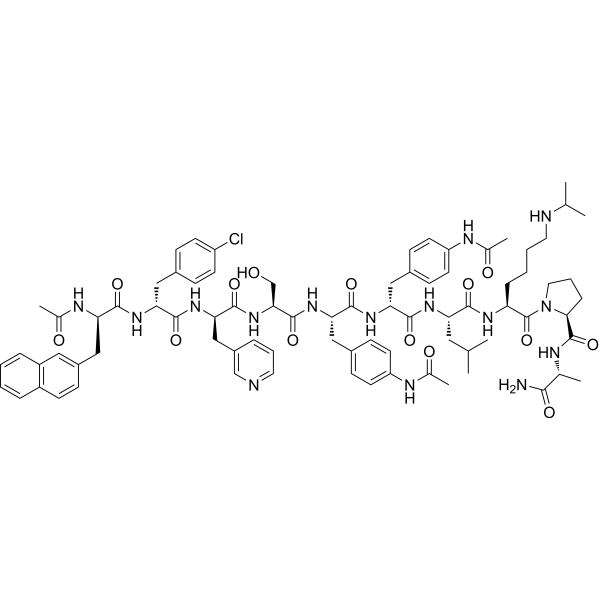
Acyline (CAS 170157-13-8) | GMP Supplier & Manufacturer for Research Use
Original price was: $17.00.$15.00Current price is: $15.00.
Acyline (CAS 170157-13-8) is a synthetic GnRH peptide analogue and antagonist that effectively inhibits gonadotropin and testosterone secretion. With its enhanced solubility in salt form (Acyline TFA), it is a valuable tool for endocrine and reproductive biology research.(Please contact our staff to place an order or learn about product wholesale prices, specifications, uses and lists)

Description
Product Description
Acyline is a decapeptide gonadotropin-releasing hormone (GnRH) antagonist designed to block pituitary secretion of luteinizing hormone (LH) and follicle-stimulating hormone (FSH), thereby reducing circulating testosterone levels in males. This compound has attracted attention as a research tool in endocrinology, reproductive biology, and prostate disease models, offering reversible chemical castration without the initial hormone surge commonly seen with GnRH agonists.
Chemically, Acyline belongs to a class of peptide antagonists that interact directly with GnRH receptors (GnRHR) on anterior pituitary gonadotrophs, preventing the binding of endogenous GnRH. Unlike agonists, which initially stimulate LH/FSH release before downregulating receptor activity, antagonists like Acyline provide an immediate and profound suppression of gonadotropin secretion. This property makes Acyline especially useful in animal models of androgen-dependent diseases, hormone-sensitive cancers, and reproductive regulation.
Acyline’s molecular design incorporates specific amino acid substitutions that confer high receptor affinity and resistance to enzymatic degradation, thereby enhancing its half-life and functional stability in experimental models. Preclinical studies demonstrate that Acyline effectively reduces serum testosterone levels within hours, maintaining suppression over 24–48 hours depending on dose and formulation. The TFA salt form improves solubility, allowing reliable in vitro and in vivo administration.
In comparative studies, Acyline exhibits several advantages over GnRH agonists and other peptide antagonists:
Rapid onset: Immediate gonadotropin suppression without initial flare.
Reversibility: Hormone levels return to baseline after discontinuation, allowing cyclic studies.
Improved solubility: TFA salt enhances experimental reproducibility.
GMP production: Ensures consistent purity and peptide integrity.
Acyline is increasingly utilized in preclinical research investigating reproductive endocrinology, androgen-dependent tumor models, and hormonal regulation pathways. Its potent and selective mechanism makes it a gold-standard chemical tool for dissecting HPG axis function, studying endocrine disorders, and evaluating combination therapies.
Product Specifications
| Parameter | Details |
|---|---|
| Product Name | Acyline |
| CAS Number | 170157-13-8 |
| Synonyms | GnRH antagonist decapeptide; Acyline TFA (salt form) |
| Molecular Type | Synthetic decapeptide |
| Functional Role | GnRH antagonist, endocrine modulator |
| Appearance | White to off-white lyophilized powder |
| Purity | ? 98% (HPLC verified) |
| Molecular Formula | Available upon request |
| Molecular Weight | Approx. 1269 Da (free base, estimated) |
| Solubility | Free base: moderate solubility; Salt form (TFA): improved solubility in water, PBS, DMSO |
| Stability | Stable ? 24 months (lyophilized, protected from light/moisture) |
| Storage Conditions | -20°C, desiccated, light-protected |
| Mechanism | Blocks GnRH receptor signaling, suppressing LH/FSH release and downstream testosterone |
| Applications | Endocrine research, reproductive biology, prostate cancer models, hormone regulation studies |
| GMP Compliance | Manufactured under GMP conditions for reproducibility |
| Availability | Wholesale & retail quantities available |
The high purity and GMP-compliant production process ensure reproducible experimental outcomes and reliability across endocrine assays and reproductive studies. Acyline TFA’s enhanced solubility ensures consistent dosing, particularly in aqueous-based delivery systems. The peptide remains stable under standard laboratory storage conditions and demonstrates minimal degradation across multiple freeze-thaw cycles.
Mechanism of Action & Research Applications
Acyline functions by competitively binding to GnRH receptors on anterior pituitary gonadotrophs, preventing endogenous GnRH from activating the receptor. This blockade inhibits intracellular signaling cascades, resulting in a rapid decrease of LH and FSH secretion. Consequently, downstream testosterone production in males and estradiol in females is suppressed.
Molecular Mechanism:
High-affinity binding to GnRHR prevents receptor activation.
Inhibition of Gq protein-coupled signaling prevents calcium mobilization and subsequent hormone exocytosis.
Peptide modifications confer resistance to proteolytic degradation, prolonging functional activity in research models.
Research Applications:
Endocrine & Reproductive Biology: Acyline is used to study the HPG axis, hormone feedback loops, and regulation of gametogenesis.
Prostate Cancer Models: Investigates androgen-dependent tumor progression and therapeutic interventions.
Hormone-Sensitive Breast Cancer Models: Suppression of estrogen and related pathways for mechanistic studies.
Fertility Studies: Evaluates reversible chemical castration in animal models.
Pharmacokinetic & Formulation Studies: Comparing free peptide and TFA salt solubility, stability, and bioavailability.
Translational Research: Provides insights into potential human applications for reversible hormone suppression.
Acyline’s rapid onset and reversibility make it ideal for longitudinal studies where cyclic or temporary hormone suppression is required. Its compatibility with other peptide modulators, small molecules, or hormone analogues enables combinatorial studies in preclinical research.
Side Effects (For Reference in Research Models)
Preclinical observations indicate Acyline’s suppression of gonadotropins and testosterone can result in:
Reproductive Effects: Testicular atrophy, reduced sperm production, and temporary infertility in male models.
Metabolic Impacts: Changes in serum lipid profiles, minor alterations in bone turnover markers.
Injection Site Reactions: Mild local inflammation or irritation depending on solvent and administration route.
Comparative Effects: Absence of initial hormone flare, unlike GnRH agonists, minimizes acute side effects.
Experimental Considerations:
Peptide stability is critical; repeated freeze-thaw cycles may reduce activity.
Dose titration ensures reproducible suppression without excessive toxicity.
Monitoring of endocrine biomarkers recommended during longitudinal studies.
Acyline’s effects are fully reversible, with hormone levels returning to baseline after discontinuation, making it suitable for multiple cycles of experimental interventions.
Disclaimer
For laboratory research use only. Not for human or veterinary use.
Keywords
peptide antagonist
GnRH antagonist
Buy Acyline powder
Acyline vs Acyline TFA solubility
reproductive biology research
prostate cancer model research
Synthetic GnRH antagonist peptide
Additional information
| Weight | 0.9 kg |
|---|---|
| Dimensions | 65 × 38 × 65 cm |
3 reviews for Acyline (CAS 170157-13-8) | GMP Supplier & Manufacturer for Research Use
Related products
Retatrutide cost with insurance
Retatrutide cost with insurance Original price was: $38.00.$26.00Current price is: $26.00.Best Price with Peptides 10mg Vials – High-Purity Weight Loss Peptide in Stock with Safe Delivery
Weight Loss Peptide Moq: 10 vials per box Package: plastic or paper box Purity:99% Original price was: $36.00.$24.00Current price is: $24.00.Semaglutide Raw Material Factory: Low-Price Wholesale for High-Purity Peptides
Semaglutide Compound CID: 56843331 MF: C187H291N45O59Purity: 99%
Form: Lyophilized powder
Dosage Options: 5mg, 10mg, 15mg per vial
Packaging: Secure box packaging
Shelf Life: 2 years (store in a cool, dry place)
MOQ: 1 box
99.9% Effective Weight Loss Shaping Peptide – Beauty Peptide Factory Direct Low Price Wholesale
Peptide Purity 99% Specification 5mg/vial, 10mg/vial, 15mg/vial Original price was: $38.00.$23.00Current price is: $23.00.


fortyninersnfl –
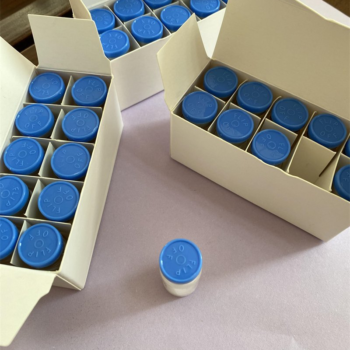
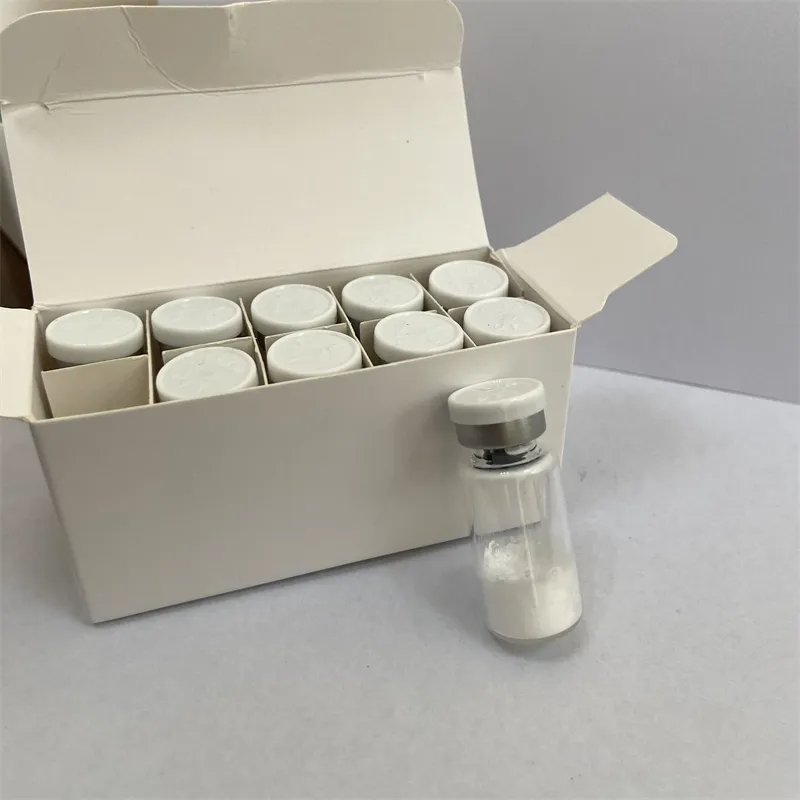
Overall, a positive purchasing experience. Reliable shipping, good packaging, and consistent product quality.
lindelldupree –
The product quality has been consistent across multiple orders, which is important for our procurement process. Packaging and labeling were clear and compliant with our requirements.
Jame –
Great deal!