
No products in the cart.
Sale
Retatrutide Acetate | LY3437943 | CAS TBD
Original price was: $32.00.$23.00Current price is: $23.00.
Retatrutide acetate (LY3437943) is a multi-receptor agonist peptide targeting GCGR, GIPR, and GLP-1R. With high potency, it is a valuable research tool for investigating obesity, diabetes, and metabolic regulation.

Description
Contents
hide
Product Description
Retatrutide acetate, also known as LY3437943 acetate, is a synthetic triple agonist peptide that simultaneously activates the glucagon receptor (GCGR), glucose-dependent insulinotropic polypeptide receptor (GIPR), and glucagon-like peptide-1 receptor (GLP-1R). This unique pharmacological profile makes it one of the most advanced poly-agonist candidates in metabolic research.
Background in Obesity and Metabolic Research
Obesity and type 2 diabetes mellitus (T2DM) are global health challenges associated with insulin resistance, impaired glucose metabolism, and excessive fat accumulation. Traditional therapeutic approaches targeting a single receptor pathway (e.g., GLP-1R agonists like semaglutide) have demonstrated clinical benefit, but their efficacy may plateau due to compensatory metabolic mechanisms.
Poly-agonist peptides like Retatrutide acetate are designed to engage multiple complementary metabolic pathways, thereby enhancing efficacy in weight reduction, glycemic control, and energy balance.
Receptor Targets and Potency
GCGR (Glucagon receptor): EC50 = 5.79 nM → stimulates energy expenditure and fat oxidation.
GIPR (Glucose-dependent insulinotropic polypeptide receptor): EC50 = 0.0643 nM → promotes insulin secretion and nutrient handling.
GLP-1R (Glucagon-like peptide-1 receptor): EC50 = 0.775 nM → enhances satiety, delays gastric emptying, and improves glycemic control.
Applications in Research
Obesity Research – evaluation of weight loss efficacy, energy expenditure, and fat metabolism.
Diabetes Research – studies on glycemic regulation, insulin secretion, and glucose tolerance.
Metabolic Syndrome Models – exploration of lipid metabolism, cardiovascular parameters, and hepatic function.
Poly-Agonist Peptide Development – model compound for next-generation anti-obesity peptides.
Comparative Pharmacology – studied alongside semaglutide, tirzepatide, and other incretin-based therapeutics.
Advantages of Retatrutide Acetate
Triple-receptor agonism for synergistic metabolic benefits.
Nanomolar potency ensures strong biological responses at low concentrations.
Research utility in both in vitro receptor signaling assays and in vivo obesity/diabetes models.
In summary, Retatrutide acetate represents a promising next-generation poly-agonist peptide, providing researchers with a unique tool to study the interplay of incretin and glucagon pathways in obesity and metabolic disorders.
Product Specifications
| Property | Details |
|---|---|
| Product Name | Retatrutide acetate |
| Synonyms | LY3437943 acetate |
| Compound Type | Synthetic peptide, triple agonist |
| Targets | GCGR, GIPR, GLP-1R |
| EC50 Values | GCGR: 5.79 nM, GIPR: 0.0643 nM, GLP-1R: 0.775 nM |
| Molecular Formula | (Exact formula may vary depending on acetate form) |
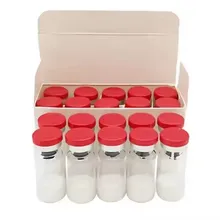
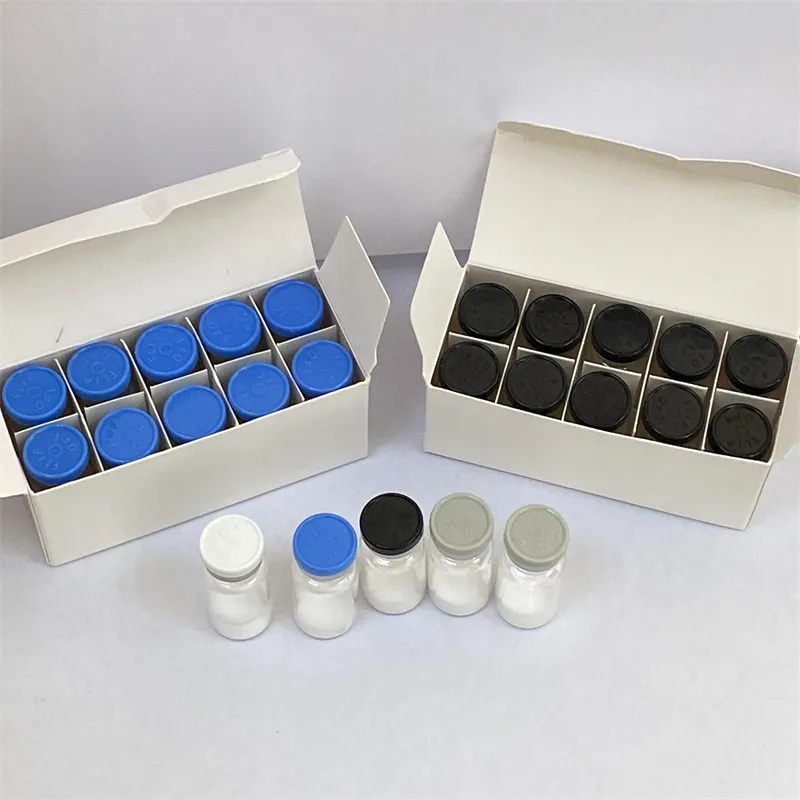
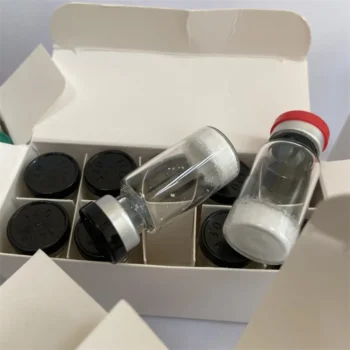
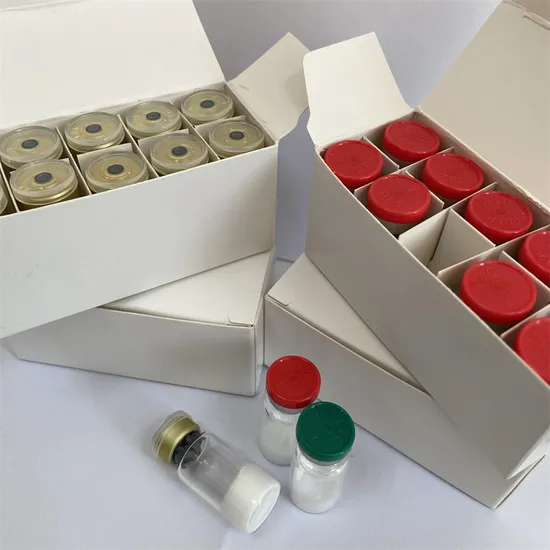
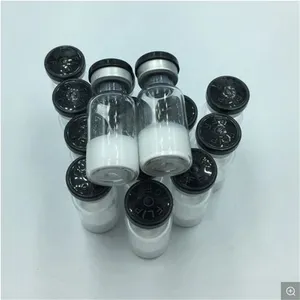
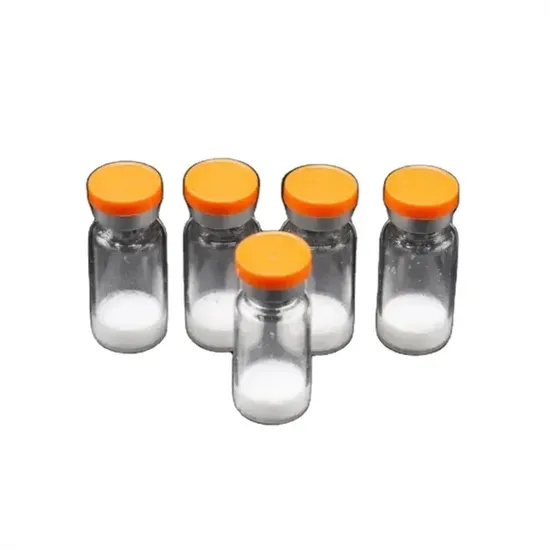
| Appearance | White to off-white lyophilized powder |
| Purity | ≥ 98% (HPLC) |
| Solubility | Soluble in water, PBS, and buffer solutions |
| Storage Conditions | -20°C, protect from light and moisture |
| Applications | Obesity research, diabetes studies, metabolic disorder research |
Extended Notes
Triple receptor agonism differentiates Retatrutide acetate from single-pathway incretin drugs.
Stability enhanced by acetate salt form for laboratory handling.
Applications include animal models of diet-induced obesity, insulin resistance, and glucose metabolism studies.
Mechanism of Action
Retatrutide acetate achieves its effects by simultaneously activating three metabolic receptors, producing a synergistic modulation of energy balance, glucose metabolism, and appetite regulation.
Stepwise Mechanism
Activation of GCGR (Glucagon Receptor):
Stimulates hepatic glucose output and lipid oxidation.
Enhances energy expenditure, contributing to weight loss.
Activation of GIPR (Glucose-Dependent Insulinotropic Polypeptide Receptor):
Increases glucose-dependent insulin secretion.
Improves postprandial glucose tolerance.
Activation of GLP-1R (Glucagon-Like Peptide-1 Receptor):
Enhances satiety and reduces food intake.
Slows gastric emptying, improving glycemic excursions.
Provides cardioprotective benefits in research models.
Synergistic Effects
By targeting three complementary pathways, Retatrutide acetate produces a greater weight reduction and metabolic improvement compared to GLP-1R agonists or dual agonists alone.
Research Implications
Model compound for poly-agonist drug design.
Valuable in studying energy balance and obesity pathophysiology.
Helps explore mechanistic differences between single, dual, and triple agonist peptides.

Side Effects (Research Context)
In preclinical and early clinical studies, the following observations have been made regarding peptides with Retatrutide’s mechanism:
Gastrointestinal Disturbances – nausea, vomiting, and diarrhea due to GLP-1R activation.
Transient Hypoglycemia – when combined with other insulinotropic compounds.
Increased Heart Rate – observed in some incretin/glucagon receptor agonists.
Injection Site Reactions – mild erythema or swelling.
Hepatic Enzyme Changes – related to GCGR activation in animal models.
Note for Research Use: These findings highlight the importance of dose optimization and receptor-specific profiling when studying Retatrutide acetate in experimental models.
Disclaimer
This product is intended for research use only. Not for human administration or therapeutic purposes. All information is provided for scientific and educational research.
Keywords
Retatrutide acetate, LY3437943 acetate, CAS Retatrutide, GCGR agonist, GIPR agonist, GLP-1R agonist, triple agonist peptide, obesity research peptide, diabetes research peptide, metabolic disorder research compound.
Additional information
| Weight | 0.8 kg |
|---|---|
| Dimensions | 53 × 26 × 53 cm |
Q1: What is Retatrutide acetate?
A: Retatrutide acetate (LY3437943) is a triple agonist peptide that activates GCGR, GIPR, and GLP-1R.
Q2: What receptors does Retatrutide acetate target?
A: GCGR, GIPR, and GLP-1R.
Q3: What are the EC50 values of Retatrutide acetate?
A: GCGR = 5.79 nM, GIPR = 0.0643 nM, GLP-1R = 0.775 nM.
Q4: What research applications does Retatrutide acetate have?
A: Obesity, diabetes, metabolic syndrome, and poly-agonist drug development.
Q5: How does Retatrutide acetate compare to GLP-1R agonists like semaglutide?
A: Retatrutide acetate provides triple receptor activation, potentially offering stronger metabolic effects.
Q6: What is the advantage of triple agonism in obesity research?
A: It synergistically increases energy expenditure, improves glucose control, and reduces food intake.
Q7: What form is Retatrutide acetate supplied in?
A: As a lyophilized powder, ≥98% purity.
Q8: How should Retatrutide acetate be stored?
A: At -20°C, away from light and moisture.
Q9: Is Retatrutide acetate safe for human use?
A: No, it is strictly for laboratory research only.
Q10: What side effects are observed in research studies?
A: GI disturbances, transient hypoglycemia, and mild hepatic effects.
Q11: Can Retatrutide acetate be used for comparative pharmacology?
A: Yes, it is often compared with semaglutide, tirzepatide, and other incretin-based therapeutics.
Related products
USA-Peptide-Janoshik Lyophilized Peptide Raw Powder for Muscle Building & Weight Loss
Lyophilized peptide raw powder Moq:10 vials per box Appearance:Lyophilized powder Original price was: $32.00.$24.00Current price is: $24.00.GLP-1/GIP/glucagon combination therapy The Future of Metabolic Treatment (Wholesale Supplier Guide)
GLP-1/GIP/glucagon combination therapy Original price was: $38.00.$23.00Current price is: $23.00.USA Warehouse 99% IV Infusion Therapy Anti-Aging Injection Peptide for Weight Loss & Muscle Building
USA Warehouse 99% IV Infusion Therapy Anti-Aging Injection Peptide for Weight Loss & Muscle Building Original price was: $38.00.$23.00Current price is: $23.00.Tesamorelin Raw Material Factory: Low-Price Wholesale for High-Purity Peptides
Tesamorelin Egrifta; Tesamorelin; 218949-48-5; 804475-66-9; TH9507; ... Compound CID: 16137828 MF: C221H366N72O67S Original price was: $38.00.$23.00Current price is: $23.00.

Reviews
There are no reviews yet.