
No products in the cart.
Sale
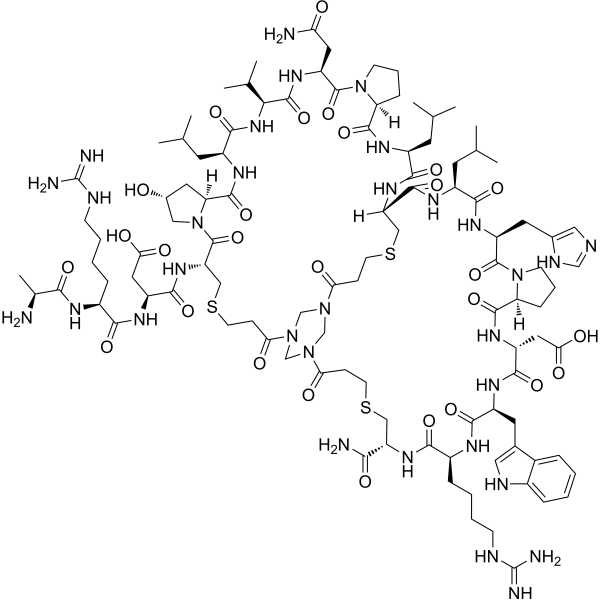
Nuzefatide | CAS No. 2598213-64-8
Original price was: $32.00.$23.00Current price is: $23.00.
Nuzefatide is a synthetic ephrin receptor binding peptide, widely used in research on cell adhesion, cancer progression, angiogenesis, and nervous system development.

Description
Product Description
The ephrin receptor (Eph) family represents the largest group of receptor tyrosine kinases (RTKs), which play pivotal roles in cell signaling, developmental biology, angiogenesis, tissue remodeling, immune response, and cancer progression. Dysregulation of Eph-ephrin signaling pathways has been strongly linked to pathological processes such as tumorigenesis, metastasis, and abnormal vascular growth.
Nuzefatide (CAS No. 2598213-64-8) is a synthetic peptide designed to bind ephrin receptors with high specificity, enabling researchers to investigate how Eph receptor interactions govern cellular communication and disease mechanisms.
Research Importance of Ephrin Receptors
Eph receptors are subdivided into EphA and EphB classes, each interacting with distinct ephrin ligands.
They regulate cell migration, axonal guidance, synaptic plasticity, and vascular development.
In cancer biology, Eph-ephrin dysregulation contributes to tumor initiation, angiogenesis, and metastatic spread.
Key Research Applications of Nuzefatide
Cancer Biology – Exploring how ephrin receptor signaling influences tumor cell migration, invasion, and metastasis.
Angiogenesis Studies – Understanding the role of Eph receptors in blood vessel formation and vascular remodeling.
Neurobiology – Investigating axonal guidance, synaptic development, and neuronal plasticity.
Cell Adhesion & Migration – Studying how cells organize within tissues via Eph-ephrin signaling.
Therapeutic Target Discovery – Providing a platform for novel peptide- or antibody-based therapies.
Advantages of Nuzefatide as a Research Tool
High receptor selectivity – Offers precise targeting of Eph receptor families.
Peptide stability – Optimized for consistent activity in laboratory experiments.
Versatility – Applicable to both in vitro assays and in vivo disease models.
Pathway exploration – Helps unravel downstream effects of Eph receptor activation or inhibition.
As a result, Nuzefatide provides researchers with an advanced molecular probe for uncovering the roles of Eph receptors in developmental biology, oncology, and vascular studies.
Product Specifications
| Parameter | Details |
|---|---|
| Product Name | Nuzefatide |
| CAS Number | 2598213-64-8 |
| Molecular Type | Synthetic peptide |
| Biological Target | Ephrin receptors (Eph family) |
| Mode of Action | Binds ephrin receptors to modulate signaling |
| Applications | Cancer, angiogenesis, neurobiology, tissue development research |
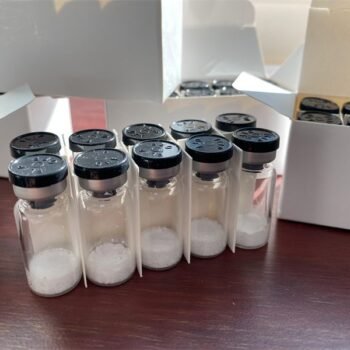
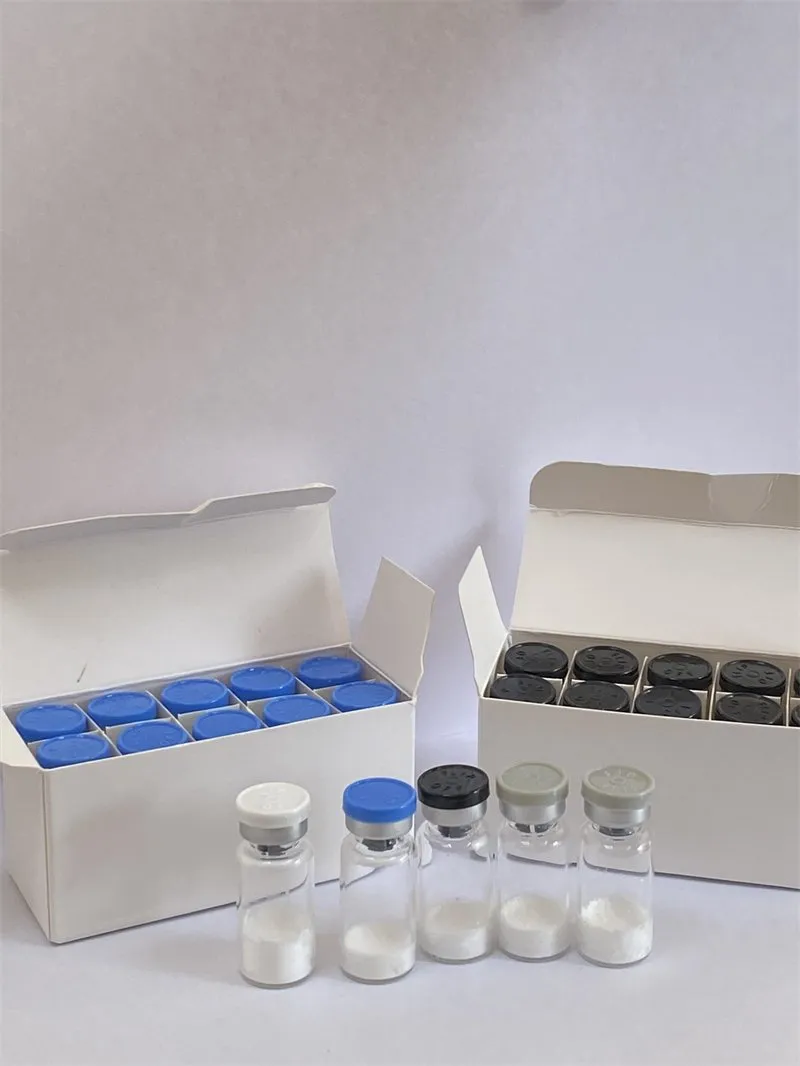
| Form | Lyophilized peptide powder |
| Purity | ≥98% (HPLC verified) |
| Solubility | Water, PBS, DMSO |
| Storage Conditions | -20°C, dry, protected from light |
| Stability | ≥12 months when properly stored |
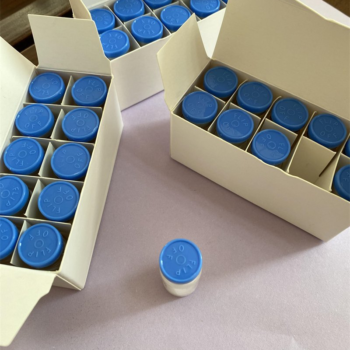
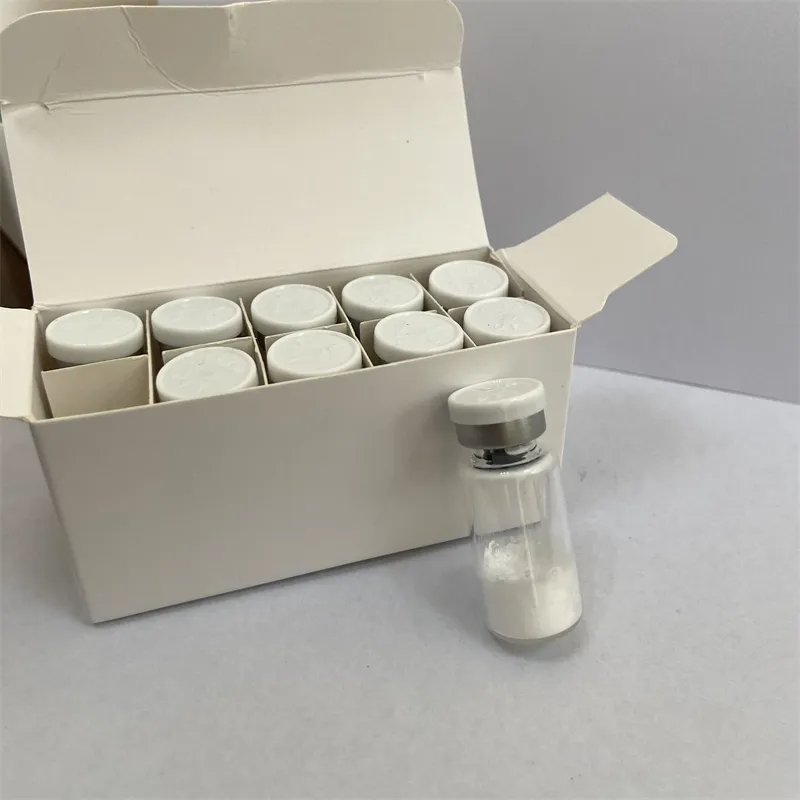
| Packaging | Sterile vials, research grade |
| QC Methods | HPLC, Mass Spectrometry, Binding Assays |
Extended Specifications Insights
Binding Affinity: Nuzefatide exhibits high selectivity for Eph receptors, minimizing off-target signaling.
Experimental Flexibility: Compatible with diverse cellular, biochemical, and animal models.
Batch-to-Batch Consistency: Ensures reproducibility in long-term studies.
This makes Nuzefatide a robust peptide research tool for signaling pathway studies.
Mechanism of Action
Nuzefatide works by binding to Ephrin receptors, thereby modulating key downstream signaling events that govern cellular communication, tissue organization, and disease progression.
1. Eph-Ephrin Interaction Basics
Eph receptors are receptor tyrosine kinases (RTKs) that interact with membrane-bound ephrin ligands.
These interactions trigger bidirectional signaling:
Forward signaling (into the Eph-expressing cell).
Reverse signaling (into the ephrin ligand-expressing cell).
2. Nuzefatide as a Binding Peptide
By mimicking or interfering with ephrin ligands, Nuzefatide activates or modulates Eph receptor signaling.
This makes it valuable for mapping receptor-ligand interactions and dissecting signaling pathways.
3. Key Downstream Effects
Cell Adhesion and Migration: Eph signaling regulates cell repulsion and boundary formation.
Angiogenesis: Influences endothelial cell movement and vascular network formation.
Neural Development: Guides axonal pathfinding, synaptic formation, and neuronal wiring.
Oncogenic Pathways: Dysregulated Eph signaling contributes to tumor growth, invasion, and metastasis.
4. Pathways Modulated by Nuzefatide
PI3K/Akt pathway – Governs cell survival and proliferation.
MAPK/ERK pathway – Controls migration and invasion.
Rho GTPases – Modulate cytoskeletal rearrangement and cell motility.
VEGF Crosstalk – Coordinates vascular development and remodeling.
5. Research Implications
Through these mechanisms, Nuzefatide provides a functional handle to modulate and analyze bidirectional ephrin signaling, making it highly relevant to oncology, neurology, and angiogenesis research.
Side Effects
Since Nuzefatide is intended exclusively for research use, clinical safety data is not available. However, based on its target pathways and peptide biology, researchers should consider potential experimental observations:
Potential Laboratory Observations
Cellular Stress – Overactivation of Eph receptors may trigger apoptosis in sensitive cell lines.
Cytoskeletal Rearrangement – Altered cell adhesion and migration due to cytoskeletal disruption.
Angiogenic Imbalance – Possible vascular overgrowth or regression in animal models.
Immune Responses – Mild peptide-related hypersensitivity in certain models.
Dose-dependent Variability – Effects may differ based on experimental dosage and receptor subtype engagement.
Safety Practices
Handle under BSL-2 laboratory conditions.
Use appropriate PPE (gloves, lab coat, protective eyewear).
Not intended for human or veterinary use.
Dispose of material following biosafety regulations.
These measures ensure that Nuzefatide research remains safe and reproducible.
Disclaimer
This product is intended for laboratory research only. Not approved for human or veterinary use.
Keywords
Nuzefatide, CAS 2598213-64-8, ephrin receptor peptide, Eph receptor binding, angiogenesis research, cancer signaling peptide, neurobiology peptide, cell adhesion peptide, vascular remodeling research, oncology peptides.
Shipping Guarantee
All shipments include customs clearance support and tax coverage.
Any damage or loss during transit is fully compensated.
Transaction Guarantee
Secure payments via T/T, PayPal, cryptocurrency, and other flexible options.
Dedicated staff support for transaction assistance.
Additional information
| Weight | 0.9 kg |
|---|---|
| Dimensions | 82 × 53 × 82 cm |
1. What is Nuzefatide?
Nuzefatide is a synthetic ephrin receptor binding peptide used in signaling pathway research.
2. What is the CAS number of Nuzefatide?
2598213-64-8.
3. What receptors does Nuzefatide bind?
It selectively binds Ephrin receptors (Eph family).
4. What are the main applications?
Cancer biology, angiogenesis, neurobiology, and tissue development studies.
5. How does Nuzefatide affect cell signaling?
It modulates bidirectional Eph-ephrin signaling to regulate cell adhesion, migration, and vascular growth.
6. What is its purity?
≥98% verified by HPLC and MS.
7. What form is it supplied in?
Lyophilized peptide powder.
8. How should it be stored?
At -20°C, dry, protected from light.
9. Is Nuzefatide approved for therapeutic use?
No, it is for research purposes only.
10. Can it be used in neuronal studies?
Yes, it helps analyze axonal guidance and synaptic development.
11. Does it influence angiogenesis?
Yes, Eph receptors are major regulators of vascular remodeling.
12. What precautions are necessary?
Handle under BSL-2 safety protocols with appropriate PPE.
Related products
Retatrutide | CAS 2381089-83-2 | Dual GLP-1/GIP/Glucagon Receptor Agonist
Retatrutide (CAS 2381089-83-2) is a high-purity research-grade peptide optimized for in vitro mechanistic studies. It supports investigations into signal transduction, receptor interactions, and molecular pathway modulation. Supplied as a lyophilized powder, it ensures stability and reproducibility for laboratory research applications. Original price was: $14.00.$12.00Current price is: $12.00.Retatrutide cost with insurance
Retatrutide cost with insurance Original price was: $38.00.$26.00Current price is: $26.00.Cosmetic Peptide Raw Material Factory – Low Price Wholesale Direct from China
Cosmetic Peptide Appearance: Lyophilized powder Dose 2mg 5mg 10mg 15mg 20mg Higher Original price was: $42.00.$22.00Current price is: $22.00.Best-Selling Weight Loss Peptide: Slimming Peptide Reta with Safe Delivery
Weight Loss Peptide Lab-Tested Purity (99%+) – Ensures maximum effectiveness Original price was: $56.00.$23.00Current price is: $23.00.
Reviews
There are no reviews yet.