
No products in the cart.
Sale
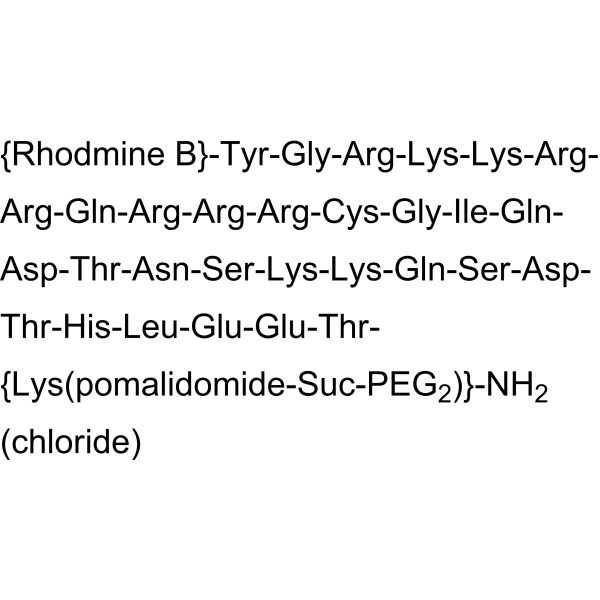
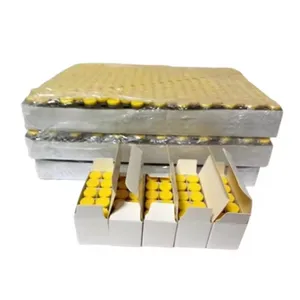
PCC16 Chloride Peptide Manufacturer-Wholesaler
Original price was: $28.00.$23.00Current price is: $23.00.
PCC16 chloride is a CRBN-based cp-PROTAC compound designed for selective degradation of DHHC3, with an IC₅₀ of 102 nM. It combines a DHHC3-targeting ligand (HY-169235), linker (HY-169236), and a CRBN E3 ligase ligand (HY-10984), providing a powerful research tool for cancer and targeted protein degradation studies.

Description
Product Description
PCC16 chloride represents a novel cereblon (CRBN)-based cp-PROTAC molecule specifically engineered to degrade DHHC3, a palmitoyltransferase enzyme involved in protein lipidation and oncogenic signaling. The molecule integrates three critical components—a target-binding ligand, a chemical linker, and a CRBN ligand—to induce selective ubiquitination and proteasomal degradation of the target protein.
In the field of targeted protein degradation (TPD), PCC16 chloride exemplifies the new generation of small-molecule degraders capable of modulating “undruggable” targets. By hijacking the ubiquitin-proteasome system, PCC16 chloride bypasses the traditional inhibition mechanism and instead eliminates the target protein entirely from the cell, resulting in durable biological responses.
Research Background
The DHHC family of palmitoyl acyltransferases (PATs) catalyzes protein S-palmitoylation—a post-translational lipid modification that regulates membrane localization, trafficking, and signal transduction of numerous oncogenic proteins such as Ras and Src. Dysregulation of DHHC3 has been implicated in cancer progression, metastasis, and chemoresistance.
PCC16 chloride provides a unique opportunity to study the biological function of DHHC3 and its therapeutic potential. Its CRBN-based cp-PROTAC design allows efficient recruitment of the E3 ubiquitin ligase cereblon (CRBN) to the DHHC3 complex, facilitating its ubiquitination and subsequent degradation by the 26S proteasome.
This approach offers several advantages over classical inhibitors:
High specificity: Degradation eliminates both catalytic and non-catalytic functions of DHHC3.
Sub-stoichiometric activity: A single degrader molecule can trigger multiple degradation cycles.
Broader biological impact: Modulation of DHHC3-dependent pathways can alter cancer cell proliferation, migration, and drug sensitivity.
Key Experimental Features
Mechanism: CRBN-mediated ubiquitination of DHHC3 via cp-PROTAC mechanism.
Potency: IC₅₀ = 102 nM for DHHC3 degradation.
E3 Ligase Ligand: Thalidomide-based CRBN binder (HY-10984).
Target Ligand: DHHC3-selective ligand (HY-169235).
Linker: HY-169236, optimized for cellular permeability and ternary complex stability.
Antitumor Effects: Demonstrated inhibition of tumor cell growth in vitro and in xenograft models.
Research Applications
PCC16 chloride serves as a chemical probe for:
Investigating DHHC3 biological function and substrate profiling.
Studying post-translational lipidation and signal transduction pathways.
Evaluating CRBN ligand efficiency in protein degradation platforms.
Designing next-generation PROTACs and molecular glues.
Exploring cancer therapeutic strategies targeting palmitoylation enzymes.
Product Specifications
| Parameter | Description |
|---|---|
| Product Name | PCC16 chloride |
| CAS Number | Not available |
| Chemical Class | CRBN-based cp-PROTAC compound |
| Molecular Targets | DHHC3, CRBN E3 ligase |
| Mechanism | Proteasomal degradation via CRBN-mediated ubiquitination |
| IC₅₀ Value | 102 nM for DHHC3 degradation |
| Biological Activity | Selective DHHC3 degradation and antitumor activity |
| Target Ligand | HY-169235 |
| Linker | HY-169236 |
| E3 Ligase Ligand | HY-10984 (CRBN-based) |
| Applications | Targeted protein degradation, oncology, cell signaling research |
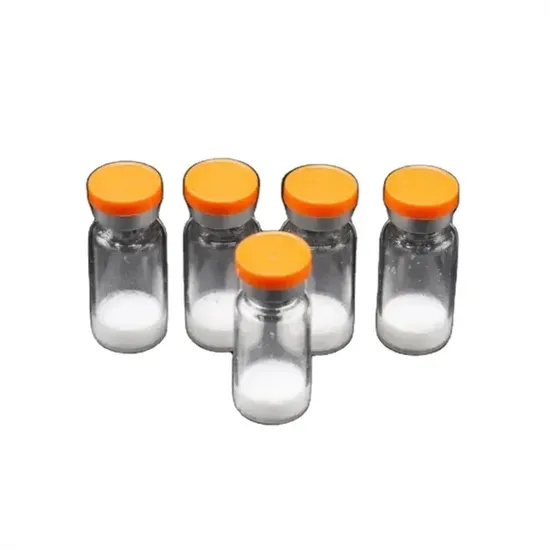
| Appearance | White to off-white powder |
| Purity | ≥98% (HPLC) |
| Solubility | Soluble in DMSO, ethanol |
| Storage Conditions | Store at -20°C, protect from light and moisture |
| Stability | Stable for ≥2 years under recommended storage |
| QC Tests | HPLC, MS, NMR verified |
| Formulation | Provided as lyophilized solid for research use only |
Mechanism of Action
PCC16 chloride operates through a heterobifunctional degradation mechanism characteristic of PROTACs (proteolysis-targeting chimeras). The molecule acts as a molecular bridge between DHHC3, the target protein, and CRBN, an E3 ubiquitin ligase.
Ternary Complex Formation
The DHHC3-targeting ligand (HY-169235) binds the substrate, while the CRBN ligand (HY-10984) engages the cereblon E3 ligase. The flexible linker (HY-169236) positions both proteins in close proximity, facilitating ternary complex formation.Ubiquitination
Once the complex forms, CRBN catalyzes the transfer of ubiquitin molecules from E2 enzymes to DHHC3, tagging it for proteasomal degradation.Proteasomal Degradation
The ubiquitinated DHHC3 is recognized and degraded by the 26S proteasome, effectively removing the target from the cell. This process resets the system, allowing PCC16 chloride to initiate multiple degradation cycles at substoichiometric concentrations.Downstream Effects
Depletion of DHHC3 impairs protein palmitoylation, disrupting oncogenic membrane signaling pathways (e.g., Ras-MAPK, Src, PI3K-AKT). Consequently, cancer cells exhibit reduced proliferation, migration, and survival.Selectivity
Structural optimization minimizes off-target degradation. The cp-PROTAC scaffold enhances cell permeability and CRBN recruitment efficiency.
Side Effects
Although PCC16 chloride is intended solely for research use, experimental data from related cp-PROTACs indicate potential biological effects that should be considered in preclinical evaluations:
Cellular Stress Response – Overactivation of the ubiquitin-proteasome pathway may lead to compensatory induction of heat shock proteins (HSP70, HSP90).
Metabolic Perturbations – Changes in lipid metabolism and mitochondrial function due to loss of DHHC3-regulated proteins.
Off-Target Protein Degradation – Though rare, non-specific CRBN substrate recruitment may occur in certain cell lines.
Cytotoxicity – Prolonged exposure can induce apoptosis in rapidly dividing cells.
Immunogenicity – Altered protein turnover may trigger immune modulation in in vivo systems.
Laboratory safety precautions should always be observed when handling this compound.
Disclaimer
For research use only. Not intended for human or veterinary use, diagnostic, or therapeutic applications.
Keywords
PCC16 chloride, CRBN-based cp-PROTAC, DHHC3 degrader, targeted protein degradation, cereblon ligand, HY-169235, HY-10984, HY-169236, oncology research, antitumor agent, ubiquitination, palmitoylation inhibitor, PROTAC compound.Peptide Manufacturer-Wholesaler
Shipping Guarantee
All products are shipped with tax-inclusive clearance and damage/loss insurance.
Transaction Guarantee
We accept T/T, PayPal, cryptocurrency, and other secure payment options. Contact our staff for details.
Additional information
| Weight | 0.8 kg |
|---|---|
| Dimensions | 56 × 23 × 56 cm |
What is PCC16 chloride?
PCC16 chloride is a CRBN-based cp-PROTAC molecule designed for selective degradation of DHHC3.
What is its IC₅₀ value?
The compound exhibits an IC₅₀ of 102 nM for DHHC3 degradation.
What is the mechanism of action?
It induces proteasomal degradation of DHHC3 through cereblon (CRBN)-mediated ubiquitination.
What are its main components?
Target ligand HY-169235, linker HY-169236, and E3 ligase ligand HY-10984.
What biological pathways does it affect?
It disrupts DHHC3-mediated palmitoylation, influencing Ras, Src, and PI3K-AKT signaling.
Does it have antitumor activity?
Yes, PCC16 chloride inhibits tumor cell growth and induces apoptosis in preclinical studies.
What are its primary research applications?
Targeted protein degradation, CRBN ligand optimization, and oncogenic signaling studies.
What precautions should be taken?
Handle under protective conditions; for laboratory research only.
How should PCC16 chloride be stored?
Store at -20°C, away from moisture and light.
What methods confirm its purity?
Verified by HPLC, mass spectrometry, and NMR.
Can it be used in human trials?
No, PCC16 chloride is strictly for in vitro and in vivo research purposes only.
What payment methods are available?
T/T, PayPal, cryptocurrency, and additional methods upon request.
Related products
Retatrutide Raw Material Factory: Low-Price Wholesale for High-Purity Peptides
Retatrutide MOQ 1 Box Source Dry Powder Original price was: $38.00.$22.00Current price is: $22.00.High Purity Weight Loss Peptide Reta, Trutide, GHK-Cu, Epitalon Peptide – The Ultimate Solution for Effective Weight Loss and Anti-Aging
Weight Loss Peptide Function Dose 2mg 5mg 10mg 15mg 20mg Higher Original price was: $36.00.$25.00Current price is: $25.00.USA-Peptide-Janoshik Lyophilized Peptide Raw Powder for Muscle Building & Weight Loss
Lyophilized peptide raw powder Moq:10 vials per box Appearance:Lyophilized powder Original price was: $32.00.$24.00Current price is: $24.00.Tesamorelin Raw Material Factory: Low-Price Wholesale for High-Purity Peptides
Tesamorelin Egrifta; Tesamorelin; 218949-48-5; 804475-66-9; TH9507; ... Compound CID: 16137828 MF: C221H366N72O67S Original price was: $38.00.$23.00Current price is: $23.00.
Reviews
There are no reviews yet.