
No products in the cart.
Sale

KRES Peptide
Original price was: $26.00.$22.00Current price is: $22.00.
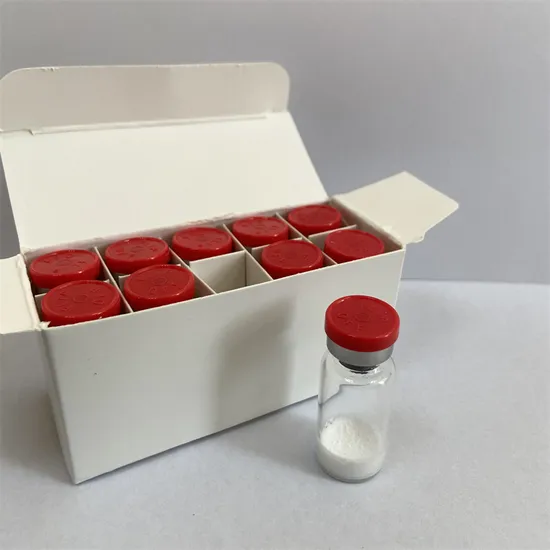
KRES peptide is a bioactive apolipoprotein-mimetic peptide with lipid-binding and antioxidant functions. It reduces lipid hydroperoxides, activates HDL-related enzymes, and displays oral bioavailability, offering great potential in cardiovascular and inflammation research.

Description
Product Description
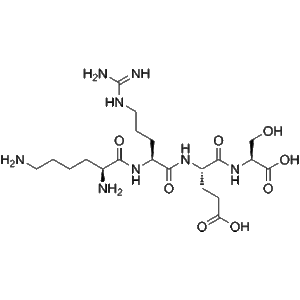
KRES peptide is a synthetic apolipoprotein-mimetic peptide composed of four amino acid residues (Lys-Arg-Glu-Ser). Despite its short sequence, KRES peptide demonstrates remarkable biological activity, mimicking certain structural and functional features of apolipoprotein A-I (apoA-I)—the major protein component of high-density lipoprotein (HDL).
Through specific interactions with phospholipids and lipoprotein particles, KRES peptide modulates oxidative lipid metabolism and enhances antioxidant defenses. It effectively reduces lipid hydroperoxide (LOOH) accumulation, which is a key contributor to oxidative stress and atherosclerosis progression.
Unlike many bioactive peptides that require parenteral administration, KRES peptide is orally active, making it particularly attractive for translational studies targeting lipid metabolism, vascular inflammation, and cardiovascular protection.
Scientific Background
Apolipoproteins play central roles in lipid transport, metabolism, and antioxidative regulation. ApoA-I, the principal component of HDL, exerts anti-atherogenic effects by promoting cholesterol efflux, inhibiting oxidation of low-density lipoproteins (LDL), and activating HDL-associated enzymes such as paraoxonase-1 (PON1) and lecithin-cholesterol acyltransferase (LCAT).
KRES peptide, designed to emulate the amphipathic α-helical segments of apoA-I, binds lipid molecules and exerts HDL-like antioxidant and anti-inflammatory activities. Its structure enables interaction with lipid bilayers and facilitates the neutralization of reactive oxygen species (ROS) generated during lipid peroxidation.
Product Specifications
| Parameter | Description |
|---|---|
| Product Name | KRES peptide |
| CAS Number | 867376-23-6 |
| Synonyms | Apolipoprotein-mimetic tetrapeptide; Lys-Arg-Glu-Ser peptide |
| Molecular Formula | C₁₈H₃₄N₈O₈ (approx.) |
| Sequence | Lys–Arg–Glu–Ser |
| Peptide Type | Apolipoprotein-mimetic peptide |
| Mechanism of Action | Lipid interaction, LOOH reduction, activation of antioxidant enzymes |
| Biological Function | Antioxidant, anti-inflammatory, anti-atherogenic |
| Applications | Cardiovascular research, oxidative stress, lipid metabolism studies |
| Purity | ≥98% (HPLC) |
| Solubility | Soluble in water and physiological buffers |
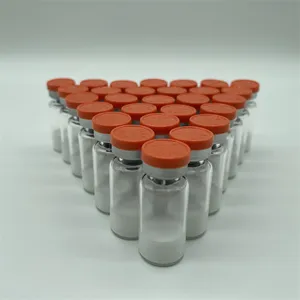
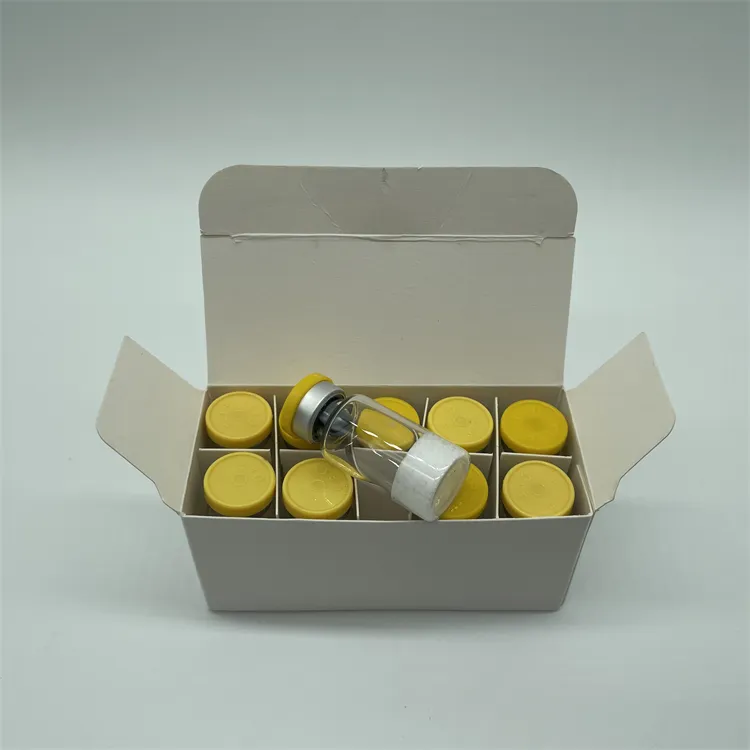
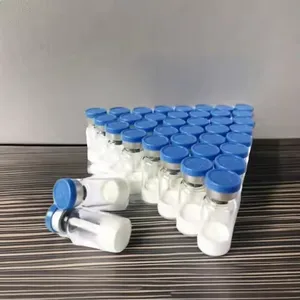
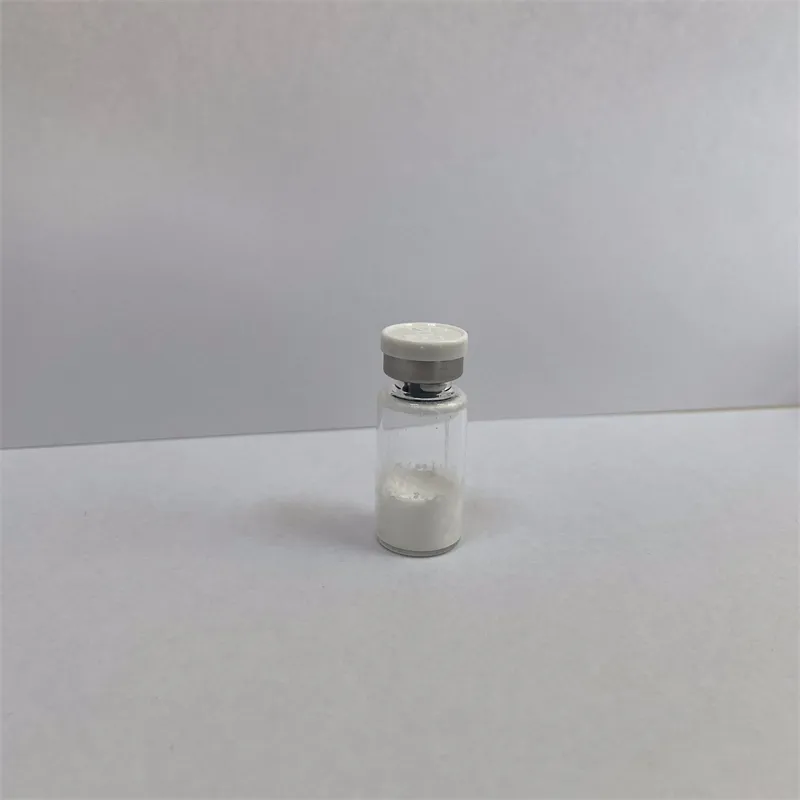
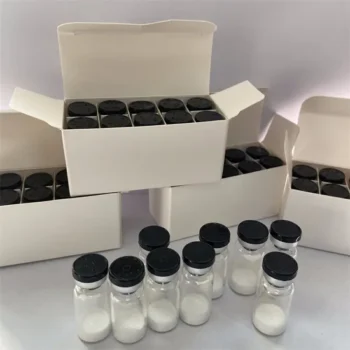
| Appearance | White to off-white lyophilized powder |
| Storage Conditions | -20°C, desiccated, protected from light |
| Stability | Stable for ≥2 years under recommended storage |
| Formulation | Lyophilized solid peptide |
| Analytical Methods | HPLC, Mass Spectrometry, Peptide Mapping |
Mechanism of Action
The KRES peptide exerts its biological effects primarily through lipid–protein interactions and activation of HDL-associated antioxidant pathways:
Lipid Binding and Membrane Interaction
The amphipathic structure of KRES allows it to integrate with lipid bilayers and lipoprotein particles, mimicking apoA-I’s lipid-binding function.Reduction of Lipid Hydroperoxides (LOOH)
KRES peptide scavenges peroxyl radicals and reduces existing lipid hydroperoxides, preventing the propagation of lipid oxidation and oxidative stress.Activation of HDL-Associated Antioxidant Enzymes
The peptide enhances the activity of paraoxonase-1 (PON1) and LCAT, both key enzymes in HDL-mediated lipid detoxification.Anti-inflammatory Effects
By limiting oxidative lipid damage, KRES peptide downregulates vascular adhesion molecules (VCAM-1, ICAM-1) and inflammatory cytokines (TNF-α, IL-6).Anti-atherogenic Action
Through its combined antioxidant and anti-inflammatory properties, KRES peptide prevents endothelial dysfunction, lipid deposition, and plaque progression.Oral Bioavailability
Unlike most peptides degraded by gastrointestinal enzymes, KRES peptide remains partially intact after oral administration, retaining biological activity—a rare and valuable feature in peptide therapeutics.
Side Effects
KRES peptide has shown an excellent safety profile in preclinical studies. Nonetheless, potential laboratory observations include:
Mild Gastrointestinal Disturbances — Due to oral bioavailability testing.
Transient Blood Pressure Changes — Resulting from vasodilatory HDL activation.
Minor Metabolic Adjustments — Modulation of lipid and glucose metabolism in prolonged exposure.
Allergic Reactions — Rare peptide hypersensitivity events in sensitive animal models.
All experimental use should follow standard laboratory safety and peptide-handling procedures.
Disclaimer
For research use only. Not intended for human or veterinary use, diagnosis, or therapeutic applications.
Keywords
KRES peptide, apolipoprotein peptide, HDL mimetic, antioxidant peptide, lipid hydroperoxide reduction, paraoxonase activator, anti-atherogenic peptide, cardiovascular research peptide, orally active peptide, HDL antioxidant modulator.
Shipping Guarantee
All KRES peptide orders are shipped with full tax clearance, professional temperature control, and insurance covering damage or loss during transport.
Transaction Guarantee
We provide secure global payment options including T/T, PayPal, and cryptocurrency. For high-volume research orders, please contact our sales team for bulk pricing and logistics support.
Additional information
| Weight | 0.9 kg |
|---|---|
| Dimensions | 56 × 28 × 56 cm |
What is KRES peptide?
KRES peptide is a short apolipoprotein-mimetic peptide that binds lipids, reduces lipid hydroperoxides, and activates HDL-associated antioxidant enzymes.
What is the CAS number of KRES peptide?
CAS No. 867376-23-6.
What makes KRES peptide unique?
Its oral bioactivity and ability to mimic HDL’s antioxidant and anti-inflammatory functions.
How does KRES peptide reduce oxidative stress?
It scavenges peroxyl radicals and lowers LOOH levels within lipoproteins and vascular tissues.
Which enzymes are activated by KRES peptide?
Mainly paraoxonase-1 (PON1) and lecithin-cholesterol acyltransferase (LCAT).
What are the main research applications?
Cardiovascular protection, oxidative stress modulation, and lipid metabolism studies.
Is KRES peptide anti-atherogenic?
Yes, it prevents endothelial dysfunction and plaque formation in preclinical studies.
Can KRES peptide be used orally?
Yes, it exhibits partial oral bioavailability, making it suitable for oral research administration models.
Is it safe for long-term experiments?
KRES peptide shows high stability and low toxicity at research concentrations.
What is the purity of this peptide?
≥98% verified by HPLC and MS.
Is KRES peptide suitable for in vivo use?
Is KRES peptide suitable for in vivo use?
How should KRES peptide be stored?
At -20°C in a dry, dark environment.
Does it affect lipid metabolism?
Yes, it improves lipid oxidation balance and HDL functionality.
Can I order KRES peptide in bulk quantities?
Yes, bulk and OEM customization are available upon request.
Related products
GLP-1 Retatrutide Weight Loss Slimming low price wholesale
GLP-1 peptide slimming product, 5mg 10mg 15mg vials, metabolic health- Application: Health Care Supplement
- Form: Disposable vials
- Dosages: 5mg, 10mg, 15mg
- Purity: >99%
Wholesale Cibinetide Peptide Sterile Solution
Cibinetide Sterile Solution is a synthetic, tissue-protective erythropoietin-derived peptide engineered for research use in inflammation, neuroprotection, and cellular stress-response models. Its high purity, GMP-compliant preparation, and ready-to-use sterile formulation make it ideal for laboratories requiring consistent, reproducible peptide performance in advanced mechanistic studies.(For research use only. Not for human or veterinary use) Original price was: $38.00.$22.00Current price is: $22.00.Anti-Aging Peptide Raw Powder CAS 307297-39-8 Epitalon – Low Price Wholesale
Anti-Aging Moq:10 vials per box Appearance:Lyophilized powder Purity:99% Original price was: $29.00.$23.00Current price is: $23.00.99% Pure Peptide Reta Trutide Epitalon in Stock Factory wholesale
Peptide Reta Purity 99%Over Original price was: $39.00.$26.00Current price is: $26.00.
Reviews
There are no reviews yet.