
No products in the cart.
Sale
SHLP-4 | CAS 1191923-94-0 | Mitochondrial-Derived Peptide for Diabetes and Cardiovascular Research
Original price was: $28.00.$16.00Current price is: $16.00.
SHLP-4 is a biologically active mitochondrial microprotein that enhances cell proliferation and mitochondrial performance. It serves as a key molecule in diabetes and cardiovascular research by modulating bioenergetic and cytoprotective pathways.

Description
Contents
hide
Product Description
SHLP-4 (Small Humanin-Like Peptide 4) is a mitochondrial-derived peptide (MDP) encoded by the 16S ribosomal RNA gene (MT-RNR2). It belongs to a class of microproteins produced from mitochondrial transcripts that function as signaling peptides regulating metabolism, apoptosis, and mitochondrial bioenergetics.
Discovered as part of the Humanin-like peptide family (SHLP1–6), SHLP-4 has been identified as a bioactive peptide that promotes cell proliferation, enhances mitochondrial activity, and contributes to systemic energy regulation. Unlike traditional nuclear-encoded proteins, SHLP-4 is translated from mitochondrial RNA, emphasizing the dynamic role of mitochondrial genomes in controlling cellular physiology.
Biological Context
Mitochondria are central regulators of cellular homeostasis and play crucial roles in energy metabolism, apoptosis, and reactive oxygen species (ROS) production. The discovery of mitochondrial-derived peptides (MDPs) such as Humanin, MOTS-c, and SHLPs revealed that mitochondria actively communicate with the nucleus and cytoplasm through peptide signaling.
SHLP-4, specifically, has demonstrated cell-protective and proliferative properties in pancreatic β-cell and cardiovascular models. In murine insulinoma NIT-1 cells, SHLP-4 increases cell viability and proliferation, suggesting a role in pancreatic cell regeneration. Its expression and activity patterns also link it to cardiovascular protection, where mitochondrial peptides modulate oxidative stress, cell survival, and energy metabolism in cardiac tissues.
Research Applications
SHLP-4 is a key molecule for exploring the interface between mitochondrial signaling and metabolic diseases:
Diabetes Research: Supports pancreatic β-cell proliferation and insulin secretion under stress conditions.
Cardiovascular Studies: Investigates mitochondrial signaling in cardiac protection and endothelial function.
Metabolic Regulation: Examines mitochondrial peptides’ role in energy expenditure and glucose metabolism.
Aging and Cellular Homeostasis: Studies mitochondrial-nuclear crosstalk in maintaining cellular vitality.
Key Biological Features
Increases mitochondrial oxygen consumption rate (OCR) and ATP production.
Stimulates cell proliferation in insulinoma and cardiovascular models.
Protects against oxidative stress-induced apoptosis.
Regulates mitochondrial dynamics (fission and fusion balance).
Modulates intracellular calcium levels, contributing to improved cellular resilience.
Through these mechanisms, SHLP-4 represents a new class of endogenous mitochondrial signals that maintain energy balance, metabolic flexibility, and tissue integrity.
Product Specifications
| Attribute | Description |
|---|---|
| Product Name | SHLP-4 |
| CAS Number | 1191923-94-0 |
| Synonyms | Small Humanin-Like Peptide 4, Mitochondrial Peptide SHLP4 |
| Chemical Class | Mitochondrial-derived peptide (MDP) |
| Source Gene | MT-RNR2 (16S rRNA gene) |
| Molecular Formula | Peptide (sequence-dependent) |
| Molecular Weight | Approx. 2–3 kDa |
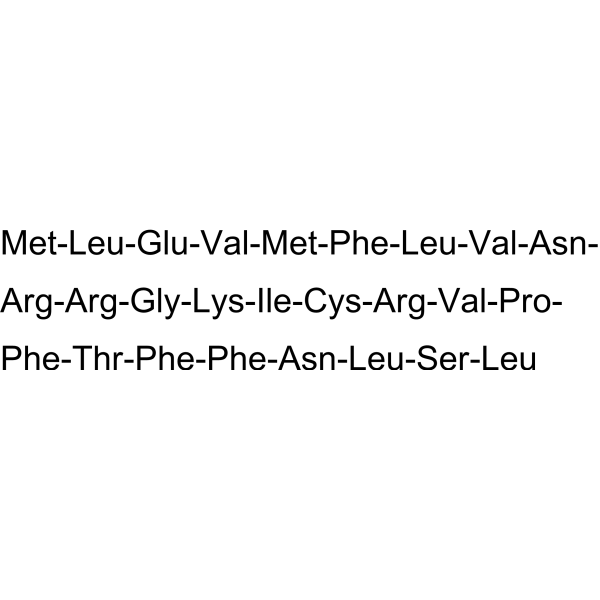
| Sequence | SHLP-4 |
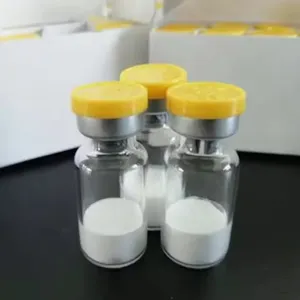
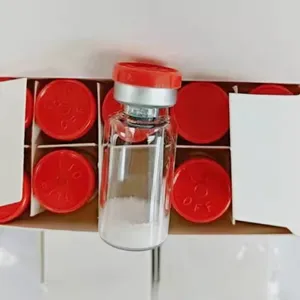
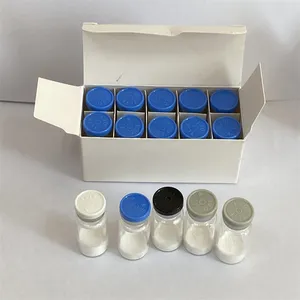
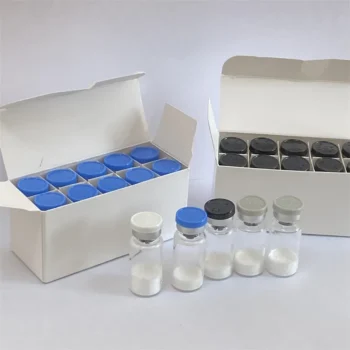
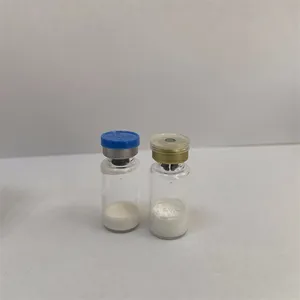
| Appearance | White to off-white lyophilized powder |
| Purity | ≥98% (HPLC) |
| Solubility | Water, PBS, DMSO |
| Storage Conditions | –20°C, desiccated, light-protected |
| Stability | Stable ≥2 years under recommended storage |
| Applications | Diabetes, cardiovascular, mitochondrial biology, energy metabolism |
| Safety Level | For research use only |
| QC Tests | HPLC, Mass spectrometry, peptide sequencing |
Mechanism of Action
1. Regulation of Mitochondrial Function
SHLP-4 enhances mitochondrial respiration efficiency, increasing oxygen consumption rate (OCR) and ATP generation. By activating mitochondrial complexes I and IV, it improves oxidative phosphorylation, thereby sustaining cellular energy demands under stress.
2. Cytoprotection and Cell Proliferation
In pancreatic β-cells (NIT-1) and cardiovascular tissues, SHLP-4 promotes proliferation by activating PI3K/AKT and AMPK signaling pathways. These pathways are key regulators of energy sensing and cell growth. The peptide also helps preserve mitochondrial integrity, stabilizing the mitochondrial membrane potential (ΔΨm).
3. Oxidative Stress Reduction
SHLP-4 mitigates oxidative stress by upregulating antioxidant enzymes such as superoxide dismutase (SOD) and glutathione peroxidase (GPx). It limits ROS accumulation, preventing oxidative damage to mitochondrial DNA and cellular membranes.
4. Mitochondrial-Nuclear Crosstalk
By acting as a signaling molecule, SHLP-4 bridges mitochondrial metabolic status and nuclear gene expression. It may upregulate genes involved in metabolic adaptation, antioxidant response, and cellular longevity, contributing to overall metabolic resilience.
5. Cardiovascular Protection
In cardiac models, SHLP-4 improves mitochondrial efficiency, reduces ischemia-induced ROS, and preserves cardiomyocyte viability. These effects point to its potential role as a mitochondrial cardioprotective peptide, balancing energy and redox homeostasis during oxidative or metabolic stress.
Collectively, SHLP-4 functions as a metabolic enhancer and cytoprotective factor, orchestrating a balance between energy production, redox regulation, and cellular proliferation.
Side Effects
SHLP-4 is a research peptide, and no toxicological data for clinical use exist. However, experimental and theoretical observations suggest possible effects:
Excessive Mitochondrial Activation: May lead to overproduction of ATP or mild ROS imbalance in high concentrations.
Altered Cell Cycle Regulation: Continuous proliferation signals could affect non-target tissues in vitro.
Insulin Signaling Modulation: Could influence glucose uptake beyond intended levels.
Metabolic Overcompensation: Long-term exposure may alter cellular energy equilibrium.
Immune Response Sensitivity: Possible modulation of inflammatory cytokine levels in tissue studies.
Researchers are advised to use appropriate dosage control and to interpret results within physiological relevance.
Disclaimer
For research use only. Not intended for human or veterinary use, diagnosis, or treatment.
Keywords
SHLP-4, CAS 1191923-94-0,Small Humanin-Like Peptide 4, mitochondrial-derived peptide, MT-RNR2, mitochondrial bioenergetics, cell proliferation, oxidative stress, ATP production, diabetes research, cardiovascular research, mitochondrial signaling.
Shipping Guarantee
All products are shipped with tax-inclusive clearance and damage/loss insurance.
Transaction Guarantee
We accept T/T, PayPal, cryptocurrency, and other secure payment options. Contact staff for details.
Additional information
| Weight | 0.8 kg |
|---|---|
| Dimensions | 56 × 28 × 56 cm |
What is SHLP-4?
A mitochondrial-derived peptide (MDP) encoded by the MT-RNR2 gene that enhances cell proliferation and mitochondrial function.
What is its CAS number?
CAS No. 1191923-94-0.
What does SHLP-4 do in cells?
Increases mitochondrial oxygen consumption, ATP production, and cell viability while reducing oxidative stress.
Which research areas use SHLP-4?
Diabetes, cardiovascular disease, metabolic regulation, and mitochondrial biology.
Is SHLP-4 similar to Humanin?
Yes, it is part of the Humanin-like peptide family, sharing structural and functional similarities.
Does SHLP-4 protect cells from oxidative stress?
Yes, it reduces ROS accumulation and supports antioxidant defenses.
How is SHLP-4 linked to cardiovascular health?
It enhances cardiomyocyte mitochondrial efficiency and reduces ischemic oxidative stress.
Can SHLP-4 affect insulin secretion?
Yes, it supports pancreatic β-cell proliferation and may enhance insulin signaling.
How should SHLP-4 be stored?
At –20°C, desiccated, and protected from light.
What solvents can dissolve SHLP-4?
Water, PBS, and DMSO are suitable.
Is SHLP-4 safe for clinical use?
No, it is strictly for laboratory research only.
Can SHLP-4 be combined with other peptides?
Yes, it can be co-applied with mitochondrial activators in metabolic and stress-response research.
Related products
Cosmetic Peptide Raw Material Factory – Low Price Wholesale Direct from China
Cosmetic Peptide Appearance: Lyophilized powder Dose 2mg 5mg 10mg 15mg 20mg Higher Original price was: $42.00.$22.00Current price is: $22.00.99.9% Effective Weight Loss Shaping Peptide – Beauty Peptide Factory Direct Low Price Wholesale
Peptide Purity 99% Specification 5mg/vial, 10mg/vial, 15mg/vial Original price was: $38.00.$23.00Current price is: $23.00.Semaglutide finished product (lyophilized powder) wholesale Supplier
Semaglutide finished product (lyophilized powder) wholesale $1.00High Purity Weight Loss Peptide Reta, Trutide, GHK-Cu, Epitalon Peptide – The Ultimate Solution for Effective Weight Loss and Anti-Aging
Weight Loss Peptide Function Dose 2mg 5mg 10mg 15mg 20mg Higher Original price was: $36.00.$25.00Current price is: $25.00.


Reviews
There are no reviews yet.