
No products in the cart.
Sale
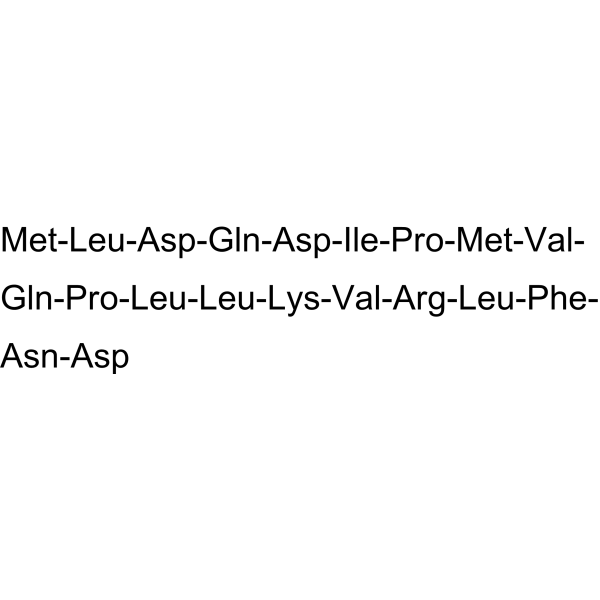
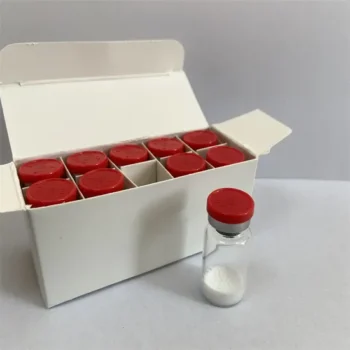
SHLP-6 | CAS 368431-25-8 | Mitochondrial-Derived Peptide low price wholesaler
Original price was: $86.00.$36.00Current price is: $36.00.
SHLP-6 (Small Humanin-Like Peptide 6) is a mitochondrial microprotein that modulates apoptosis and cellular metabolism. It serves as a novel mitochondrial-derived signaling peptide for studies involving diabetes, cancer, and mitochondrial stress.

Description
Product Description
SHLP-6 (Small Humanin-Like Peptide 6) is a mitochondrial-derived peptide (MDP) encoded within the 16S ribosomal RNA (MT-RNR2) gene. As part of the mitochondrial signaling peptide family, SHLP-6 represents a new class of bioactive microproteins that mediate crosstalk between mitochondria and the nucleus, regulating metabolic adaptation, apoptosis, and cell survival.
Among all six SHLPs (SHLP1–6), SHLP-6 is particularly notable for its pro-apoptotic function. Unlike SHLP-2 or SHLP-3, which promote cell survival and antioxidant defense, SHLP-6 activates cell death signaling in specific cellular environments. This duality within the SHLP family underscores the complexity of mitochondrial communication and its crucial role in cellular fate decisions.
Biological Overview
SHLP-6 is expressed in multiple tissues, including pancreas, brain, muscle, and reproductive organs. It acts as a signaling peptide capable of influencing mitochondrial membrane potential, cytochrome c release, and caspase activation — hallmarks of programmed cell death.
Through these functions, SHLP-6 plays a balancing role in regulating cellular turnover, energy metabolism, and oxidative stress. It is considered an essential peptide for understanding mitochondrial quality control mechanisms and stress-induced apoptosis.
Research Applications
SHLP-6 has become a highly relevant research molecule in the following fields:
Diabetes Research: Regulates pancreatic β-cell apoptosis and mitochondrial bioenergetics under oxidative stress.
Oncology Studies: Induces mitochondrial-dependent apoptosis in cancer models, including prostate carcinoma 22Rv1.
Mitochondrial Biology: Serves as a model peptide for studying mitochondrial-derived apoptotic signals.
Cellular Aging & Stress Response: Links mitochondrial function to senescence and redox balance.
Structural and Functional Characteristics
SHLP-6 is a small peptide (2–3 kDa) produced by translation of a short open reading frame within mitochondrial 16S rRNA. Despite its miniature size, SHLP-6 exhibits precise regulation of intracellular processes.
Key biochemical properties include:
Promotion of apoptosis in insulinoma and cancer cells.
Reduction of mitochondrial oxygen consumption rate (OCR).
Alteration of ATP levels and mitochondrial membrane potential (Δψm).
Activation of caspase-3 and -9, initiating mitochondrial-dependent apoptosis.
Together, these features make SHLP-6 a mitochondrial pro-apoptotic signal peptide, complementing the survival-promoting functions of other MDPs like Humanin, MOTS-c, and SHLP-2.
Product Specifications
| Attribute | Description |
|---|---|
| Product Name | SHLP-6 |
| CAS Number | 368431-25-8 |
| Synonyms | Small Humanin-Like Peptide 6, Mitochondrial Peptide SHLP6 |
| Chemical Class | Mitochondrial-derived peptide (MDP) |
| Source Gene | MT-RNR2 (16S rRNA gene) |
| Molecular Formula | Peptide (sequence-specific) |
| Molecular Weight | Approx. 2–3 kDa |
| Sequence | SHLP-6 |
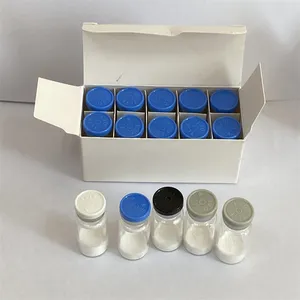
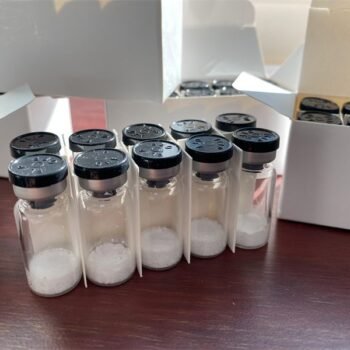
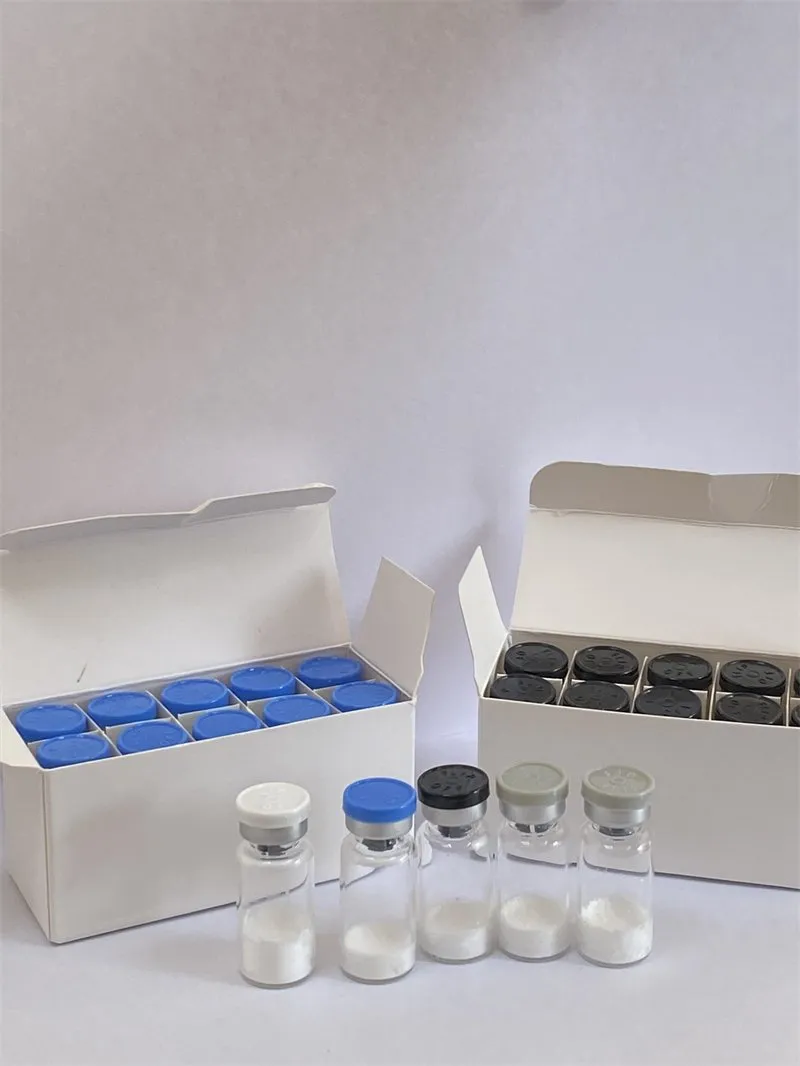
| Appearance | White lyophilized powder |
| Purity | ≥98% (HPLC) |
| Solubility | Water, PBS, DMSO |
| Storage Conditions | –20°C, desiccated and light-protected |
| Stability | Stable ≥2 years under recommended storage |
| Applications | Diabetes, mitochondrial dysfunction, cancer research |
| Safety Level | For research use only |
| QC Verification | HPLC, Mass spectrometry, peptide sequencing |
Mechanism of Action
1. Mitochondrial Apoptosis Induction
SHLP-6 acts as a pro-apoptotic peptide that triggers mitochondrial outer membrane permeabilization (MOMP). This process facilitates cytochrome c release into the cytosol, which then activates caspase-9 and subsequently caspase-3, executing programmed cell death.
The selective pro-apoptotic function of SHLP-6 is critical for cellular homeostasis, ensuring removal of damaged or dysfunctional cells under oxidative or metabolic stress.
2. Mitochondrial Bioenergetic Modulation
SHLP-6 suppresses mitochondrial respiration and ATP synthesis, shifting the energy balance towards cell cycle arrest and apoptosis. This is achieved through partial inhibition of complex I and IV activities within the electron transport chain. Reduced mitochondrial oxygen consumption rate (OCR) is a hallmark of SHLP-6 action.
3. Regulation of Reactive Oxygen Species (ROS)
SHLP-6 promotes the transient accumulation of ROS within mitochondria, which serves as a redox signal initiating apoptosis. The peptide fine-tunes mitochondrial ROS levels, maintaining a balance between signaling and cytotoxic thresholds.
4. β-Cell Regulation and Diabetes Models
In pancreatic β-cell models (NIT-1), SHLP-6 increases apoptotic signaling under glucotoxic and lipotoxic conditions. It thereby serves as a research tool for understanding mitochondrial stress-related β-cell failure in diabetes.
5. Cancer Cell Selectivity
Interestingly, SHLP-6 exhibits tumor-selective cytotoxicity in cancer cell lines such as 22Rv1 prostate carcinoma cells. This property arises from its preferential targeting of metabolically active cells with altered mitochondrial potential. It is being explored for anticancer mechanism research and mitochondrial-targeted therapy development.
6. Crosstalk with Other MDPs
represents the pro-apoptotic counterpart to peptides like SHLP-2 and SHLP-3, which enhance survival and mitochondrial biogenesis. Together, these peptides create a mitochondrial signaling network balancing cell survival and death.

Side Effects
Since SHLP-6 is used exclusively in laboratory settings, no clinical adverse events have been reported. However, due to its mitochondrial-activating and apoptotic nature, several theoretical side effects may be considered in vitro:
Excessive ROS Production: Overstimulation may cause oxidative imbalance.
Mitochondrial Depolarization: Can induce loss of membrane potential in non-target cells.
Caspase Overactivation: May lead to unwanted apoptosis in control cell lines.
Energy Depletion: Reduced ATP synthesis could affect overall cellular metabolism.
Cell Viability Reduction: Prolonged exposure may lower viability in primary cell cultures.
Researchers should use physiologically relevant concentrations and confirm specific cellular responses before extrapolating results.
Disclaimer
For research use only. Not for human or veterinary use, diagnosis, or therapeutic purposes.
Keywords
CAS 368431-25-8, Small Humanin-Like Peptide 6, mitochondrial-derived peptide, MT-RNR2, mitochondrial apoptosis, ROS signaling, cytochrome c release, caspase activation, diabetes, prostate cancer research, mitochondrial dysfunction.
Shipping Guarantee
All products are shipped with full insurance coverage against damage or loss, with international customs support included.
Transaction Guarantee
We provide secure payment options including T/T, PayPal, and cryptocurrency. Contact our support team for details.
Additional information
| Weight | 0.8 kg |
|---|---|
| Dimensions | 56 × 29 × 56 cm |
What is SHLP-6?
A mitochondrial-derived peptide encoded by MT-RNR2, functioning as a pro-apoptotic microprotein.
What is the CAS number for SHLP-6?
CAS No. 368431-25-8.
What are SHLP-6’s main functions?
Induction of apoptosis, regulation of mitochondrial function, and modulation of ROS levels.
What cell types respond to SHLP-6?
Insulinoma NIT-1 β-cells and human prostate cancer 22Rv1 cells.
How does SHLP-6 differ from SHLP-2 or SHLP-3?
SHLP-6 promotes apoptosis, whereas SHLP-2 and SHLP-3 promote survival.
What are its research applications?
Studies on diabetes, cancer, mitochondrial signaling, and cellular apoptosis.
Is SHLP-6 used clinically?
No, SHLP-6 is strictly for laboratory research use.
What is the solubility of SHLP-6?
Soluble in water, PBS, and DMSO.
What storage conditions are recommended?
Store at –20°C, away from light and moisture.
Does SHLP-6 influence ROS levels?
Yes, it transiently increases mitochondrial ROS to trigger apoptotic signaling.
Can SHLP-6 affect normal cells?
High doses may induce apoptosis in non-cancerous cells; careful dose titration is advised.
What analytical methods are used for quality control?
HPLC and mass spectrometry confirmation of purity and identity.
Related products
Semaglutide finished product (lyophilized powder) wholesale Supplier
Semaglutide finished product (lyophilized powder) wholesale $1.00Semaglutide Raw Material Factory: Low-Price Wholesale for High-Purity Peptides
Semaglutide Compound CID: 56843331 MF: C187H291N45O59Purity: 99%
Form: Lyophilized powder
Dosage Options: 5mg, 10mg, 15mg per vial
Packaging: Secure box packaging
Shelf Life: 2 years (store in a cool, dry place)
MOQ: 1 box
Best-Selling Weight Loss Peptide: Slimming Peptide Reta with Safe Delivery
Weight Loss Peptide Lab-Tested Purity (99%+) – Ensures maximum effectiveness Original price was: $56.00.$23.00Current price is: $23.00.Wholesale 99% Purity Epitalon Peptide Raw Powder for Skin Repair
Epitalon Peptide Raw Powder for Skin Repair Original price was: $33.00.$22.00Current price is: $22.00.




Reviews
There are no reviews yet.