
No products in the cart.
Sale

Osteocalcin (37-49), human | CAS 89458-24-2 | Peptide Fragment for Bone Metabolism and Biomarker Research
Original price was: $63.00.$42.00Current price is: $42.00.
Osteocalcin (37-49), human is a peptide fragment derived from human Osteocalcin, widely used in research related to bone metabolism, osteoporosis, and kidney function. It serves as a valuable biomarker for bone turnover and metabolic activity.

Description
Product Description
Osteocalcin (37-49), human is a synthetic peptide fragment corresponding to amino acid residues 37–49 of human Osteocalcin, a non-collagenous protein secreted predominantly by osteoblasts in bone tissue. Osteocalcin plays a crucial role in bone mineralization and calcium homeostasis, acting as one of the most abundant matrix proteins in bone. This fragment has been utilized in analytical and biomedical research to study the function, regulation, and diagnostic potential of Osteocalcin in various physiological and pathological contexts.
Biological Background
Osteocalcin, also known as bone gamma-carboxyglutamic acid-containing protein (BGLAP), is a small peptide that binds strongly to hydroxyapatite in bone. It is synthesized by osteoblasts under the regulation of vitamin D and acts as a biochemical marker of bone formation. The (37–49) fragment is particularly valuable because it contains regions associated with receptor interaction and post-translational modifications that reflect metabolic activity in skeletal tissue.
In clinical research, Osteocalcin (37-49), human has been applied in HPLC-based assays to detect intact Osteocalcin and its fragments in biological fluids, such as plasma and peritoneal dialysate from patients with terminal renal insufficiency. This application has allowed scientists to assess bone turnover and mineral metabolism in individuals with compromised renal function, where calcium and phosphate homeostasis are altered.
Scientific Significance
The (37-49) region of Osteocalcin represents a functional peptide sequence critical for binding calcium and interacting with bone mineral components. Studies suggest that circulating Osteocalcin fragments may act as signaling molecules linking bone metabolism to energy metabolism, glucose regulation, and male fertility. Consequently, Osteocalcin (37-49), human serves not only as a biochemical marker but also as a model for understanding endocrine functions of bone.
Osteocalcin’s role extends to the regulation of insulin secretion and sensitivity, indicating a cross-talk between bone and energy metabolism. The (37-49) peptide fragment provides a stable and quantifiable means to explore these interactions under experimental conditions. Its use in biomedical research has expanded to include applications in metabolic disorders, osteoporosis, and chronic kidney disease.
Research Applications
Bone Metabolism Studies:
Used to investigate osteoblast activity, bone mineralization processes, and the effects of vitamin D and parathyroid hormone on bone remodeling.Biomarker Development:
Employed as a standard for calibrating Osteocalcin assays in plasma and serum; useful for tracking bone turnover in metabolic bone diseases.Renal Insufficiency Research:
Applied in clinical studies assessing how impaired kidney function affects calcium and phosphate balance through altered Osteocalcin metabolism.Metabolic and Endocrine Crosstalk Studies:
Supports exploration of Osteocalcin’s endocrine role in glucose metabolism, insulin secretion, and energy regulation.Pharmacological Evaluation:
Assists in preclinical evaluation of drugs targeting bone anabolic or anti-resorptive mechanisms.
Through its multifunctional utility, Osteocalcin (37-49), human remains an indispensable peptide tool for molecular, clinical, and biochemical research, providing insights into the complex interactions between bone, kidney, and metabolic systems.
Product Specifications
| Parameter | Details |
|---|---|
| Product Name | Osteocalcin (37-49), human |
| CAS Number | 89458-24-2 |
| Synonyms | Human Osteocalcin Fragment (37-49); Osteocalcin Peptide (37-49) |
| Sequence | Human Osteocalcin residues 37–49 |
| Molecular Formula | C₆₄H₉₆N₁₆O₂₀ (approx.) |
| Molecular Weight | 1400–1600 Da (estimated) |
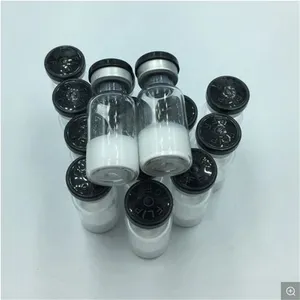
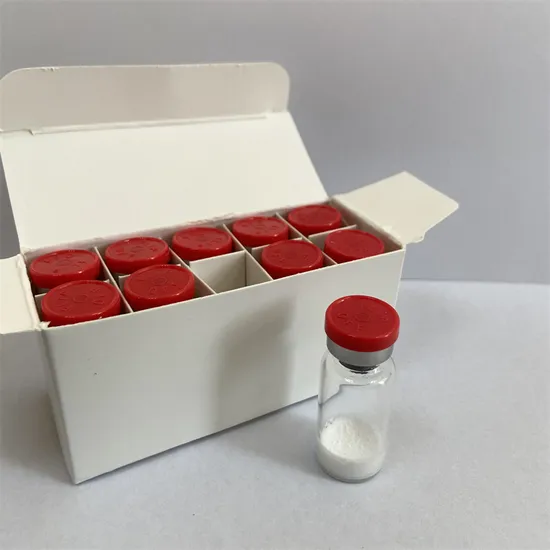
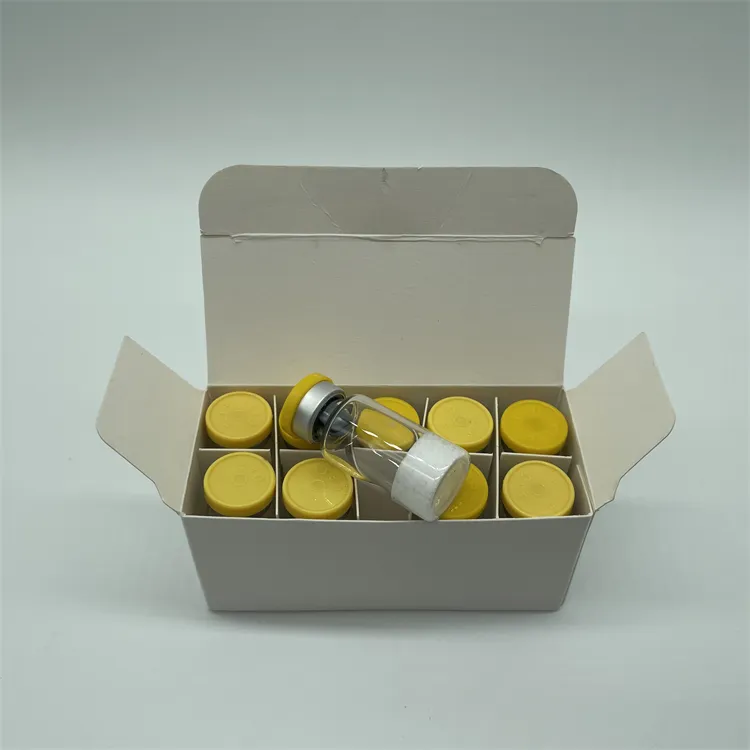
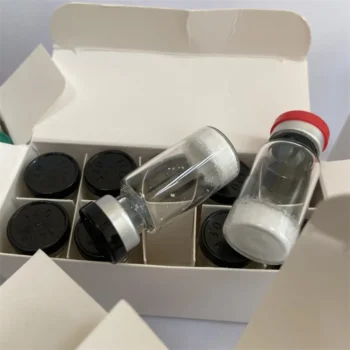
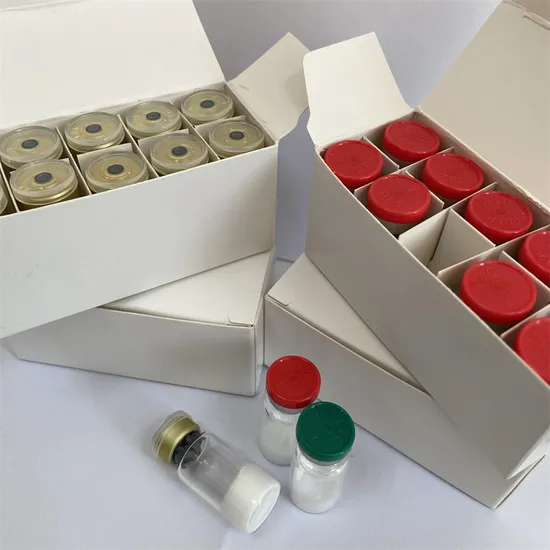
| Appearance | White to off-white lyophilized powder |
| Purity | ≥98% (HPLC) |
| Solubility | Soluble in water, PBS, and DMSO |
| Storage Conditions | –20°C, desiccated, protected from light |
| Stability | Stable under recommended storage for 2 years |
| Formulation | Supplied as lyophilized powder |
| Applications | Bone metabolism, biomarker research, renal function studies |
| QC Tests | HPLC, Mass spectrometry, Peptide sequencing |
Mechanism of Action
Osteocalcin (37-49), human functions as a biologically active fragment that represents the calcium-binding domain of the full-length Osteocalcin protein. It mediates multiple interactions central to bone mineralization and energy metabolism regulation.
1. Calcium Binding and Bone Matrix Interaction
The Osteocalcin protein contains gamma-carboxyglutamic acid (Gla) residues that enable high-affinity binding to hydroxyapatite, the mineral component of bone. The (37–49) fragment preserves these functional motifs, allowing it to mimic the native Osteocalcin’s role in facilitating mineral deposition and maintaining bone density.
2. Biomarker Function
As a cleavage fragment of Osteocalcin, this peptide reflects the metabolic activity of osteoblasts. It serves as a measurable indicator of bone formation rate, often used alongside other biomarkers like PINP and CTX in diagnostic assays.
3. Endocrine and Metabolic Signaling
Emerging evidence supports that Osteocalcin fragments act as endocrine mediators influencing glucose metabolism and insulin secretion. By engaging GPRC6A and other receptors in pancreatic β-cells and adipocytes, the peptide helps regulate energy utilization and metabolic homeostasis.
4. Pathophysiological Implications
In conditions such as chronic kidney disease or osteoporosis, altered Osteocalcin levels signal disruptions in bone remodeling and mineral balance. The (37–49) fragment enables researchers to study these dysregulations at the molecular level.
5. Diagnostic and Therapeutic Potential
Osteocalcin (37-49), human can serve as a biomarker standard for HPLC or immunoassay calibration, and its biological relevance has prompted exploration into synthetic analogues as potential modulators of bone and metabolic health.

Side Effects
Osteocalcin (37-49), human is intended for research use only. Based on in vitro and in vivo data:
Low Cytotoxicity: Exhibits minimal cellular toxicity under standard experimental concentrations.
Possible Calcium Ion Flux Alteration: May modulate intracellular calcium signaling in osteoblasts.
Immunogenic Potential: As a peptide fragment, immunogenicity should be considered in long-term or animal exposure studies.
Handling Precautions: Use gloves, masks, and protective eyewear. Avoid inhalation or direct contact.
Disclaimer
For research use only. Not intended for human or veterinary use, drug, diagnostic, or therapeutic applications.
Keywords
Human Osteocalcin Fragment; Bone metabolism peptide; Osteocalcin biomarker; Osteoblast activity; CAS 89458-24-2; Bone formation marker; Metabolic bone disease research; Peptide for HPLC assay; Renal insufficiency biomarker.
Shipping Guarantee
All products are shipped with tax-inclusive clearance and damage/loss insurance.
Transaction Guarantee
We accept T/T, PayPal, cryptocurrency, and other secure payment options. Contact our team for details.
Additional information
| Weight | 0.8 kg |
|---|---|
| Dimensions | 62 × 53 × 62 cm |
What is Osteocalcin (37-49), human?
It is a peptide fragment derived from the human Osteocalcin protein, used for bone metabolism and biomarker research.
What is its CAS number?
CAS No. 89458-24-2.
What are the main applications?
Used in bone metabolism studies, renal insufficiency research, and biomarker assay development.
How does it function biologically?
It mimics the calcium-binding domain of Osteocalcin, reflecting bone formation activity.
Is it suitable for clinical use?
No. Research use only.
What assays use this peptide?
HPLC and ELISA-based Osteocalcin detection assays.
Can it serve as a biomarker reference?
Yes, it is widely used as a standard in bone turnover biomarker studies.
What are the storage recommendations?
Store at –20°C, desiccated, and protected from light.
What is its purity?
≥98% (HPLC).
Does it influence metabolic activity?
It is involved in calcium and glucose metabolism signaling studies.
Related products
USA Warehouse 99% IV Infusion Therapy Anti-Aging Injection Peptide for Weight Loss & Muscle Building
USA Warehouse 99% IV Infusion Therapy Anti-Aging Injection Peptide for Weight Loss & Muscle Building Original price was: $38.00.$23.00Current price is: $23.00.99% Pure Peptide Reta Trutide Epitalon in Stock Factory wholesale
Peptide Reta Purity 99%Over Original price was: $39.00.$26.00Current price is: $26.00.GLP-1 Retatrutide Weight Loss Slimming low price wholesale
GLP-1 peptide slimming product, 5mg 10mg 15mg vials, metabolic health- Application: Health Care Supplement
- Form: Disposable vials
- Dosages: 5mg, 10mg, 15mg
- Purity: >99%
GLP-1/GIP/glucagon combination therapy The Future of Metabolic Treatment (Wholesale Supplier Guide)
GLP-1/GIP/glucagon combination therapy Original price was: $38.00.$23.00Current price is: $23.00.


Reviews
There are no reviews yet.