
No products in the cart.
Sale

Osteocalcin (30-43) Fragment | Bone Turnover Biomarker Peptide for Osteogenesis and Metabolic Research
Original price was: $56.00.$32.00Current price is: $32.00.
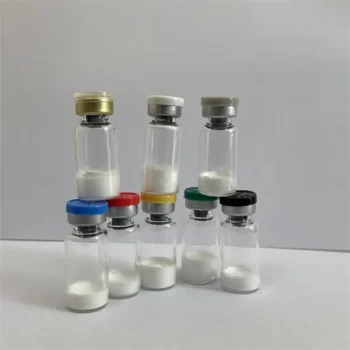
Osteocalcin (30-43) Fragment is a peptide derived from human Osteocalcin, functioning as a serum biomarker of bone formation and turnover. It plays a key role in studies related to bone remodeling, osteogenesis, and metabolic disorders.

Description
Contents
hide
Product Description
Osteocalcin (30-43) Fragment is a biologically active peptide corresponding to amino acid residues 30 to 43 of the human Osteocalcin protein, a non-collagenous protein secreted by osteoblasts. Osteocalcin is one of the most abundant and functionally significant proteins in bone matrix, involved in calcium binding and regulation of bone mineralization. The 30–43 fragment represents a key domain often detected in human serum as a biochemical indicator of bone turnover and osteoblastic activity.
Scientific Background
Osteocalcin, also known as Bone Gla Protein (BGLAP), is synthesized by osteoblasts during bone formation and is regulated by vitamin D and vitamin K–dependent carboxylation. Its fragments, such as the Osteocalcin (30-43) Fragment, are released into circulation during bone remodeling processes, providing a measurable indicator of bone turnover. This makes it particularly useful in monitoring metabolic bone diseases, including osteoporosis, osteopenia, and renal osteodystrophy.
The (30-43) peptide region corresponds to a segment that retains calcium-binding and bone-matrix-association characteristics. Studies have demonstrated that this peptide fragment correlates with bone resorption and formation rates, serving as a reliable marker of skeletal metabolic activity. It is commonly used in clinical research for the evaluation of therapeutic interventions aimed at improving bone health or preventing bone loss.
Biological Relevance
The Osteocalcin (30-43) Fragment is an important circulating biomarker of bone metabolism and osteoblast activity. It reflects both the synthesis of new bone tissue and the resorption of old bone, thus providing a comprehensive picture of skeletal remodeling. Elevated or diminished levels of Osteocalcin fragments in serum are associated with metabolic bone disorders and can be modulated by hormonal changes, physical activity, or pharmacological treatments.
In experimental research, this peptide fragment has been used to:
Quantify osteoblastic activity through immunoassays and HPLC analysis.
Investigate vitamin D– and parathyroid hormone–regulated bone remodeling.
Evaluate drug efficacy in osteoporosis treatment models.
Study bone–metabolism–endocrine cross-talk involving energy regulation and insulin signaling.
By mimicking the endogenous Osteocalcin fragment, Osteocalcin (30-43) Fragment serves as a valuable reference molecule for both in vitro and in vivo experiments investigating bone health, mineral balance, and systemic energy metabolism.
Product Specifications
| Parameter | Details |
|---|---|
| Product Name | Osteocalcin (30-43) Fragment |
| CAS Number | — |
| Synonyms | Bone Gla Protein Fragment (30-43); Human Osteocalcin Peptide (30-43) |
| Sequence | Corresponds to human Osteocalcin residues 30–43 |
| Molecular Formula | Approx. C₆₈H₁₀₀N₁₈O₂₀ |
| Molecular Weight | 1450–1550 Da (estimated) |
| Purity | ≥98% (HPLC) |
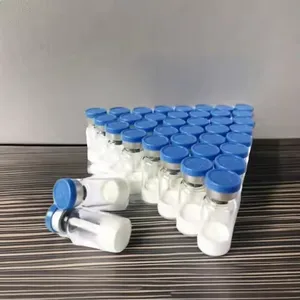
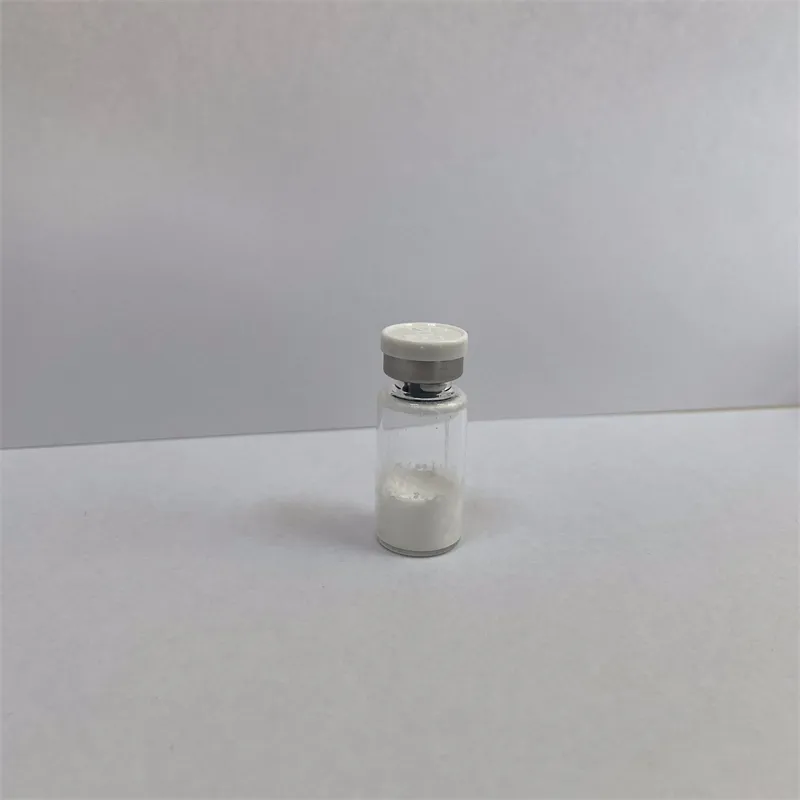
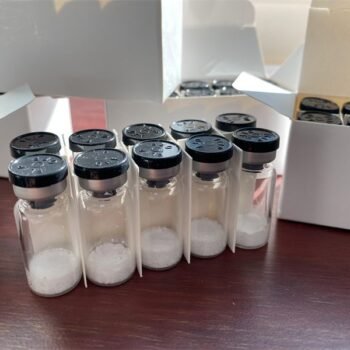
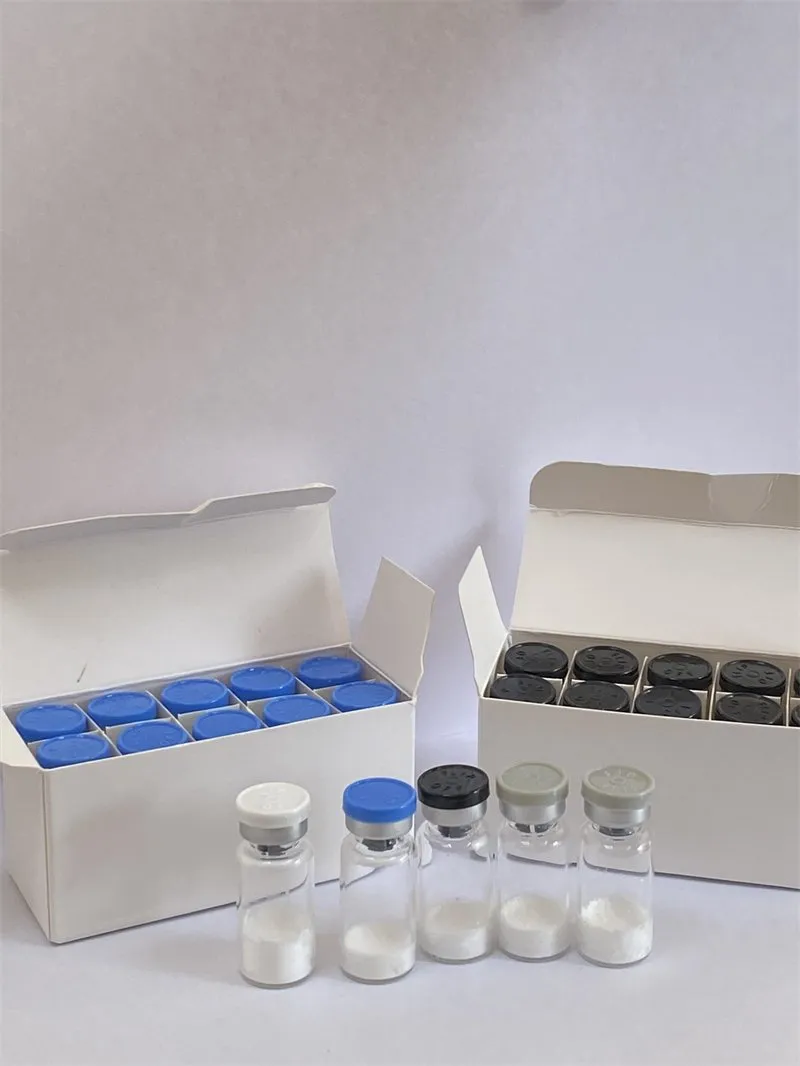
| Form | Lyophilized powder |
| Solubility | Soluble in water, PBS, and DMSO |
| Appearance | White to off-white powder |
| Storage Temperature | –20°C, desiccated |
| Stability | Stable for 24 months at recommended conditions |
| Applications | Bone metabolism, osteoporosis research, biomarker calibration |
| Quality Control | HPLC, MS, peptide sequencing verified |
Mechanism of Action
1. Indicator of Bone Remodeling
Osteocalcin (30-43) Fragment originates from the cleavage of Osteocalcin during bone matrix turnover. This peptide fragment is released into circulation when osteoblasts and osteoclasts are active, thereby reflecting both bone formation and resorption rates. Measurement of this fragment provides a direct biochemical insight into skeletal metabolism.
2. Calcium and Hydroxyapatite Interaction
The Osteocalcin protein, rich in γ-carboxyglutamic acid residues, binds tightly to calcium and hydroxyapatite. Although the (30-43) fragment lacks the full Gla region, it retains partial calcium affinity, influencing its ability to reflect bone matrix association and release kinetics.
3. Endocrine Role in Energy Metabolism
Recent research suggests Osteocalcin fragments act as hormones, regulating insulin secretion and energy expenditure. The 30–43 fragment serves as a model molecule to study these effects and may reveal how skeletal-derived peptides influence systemic metabolism.
4. Diagnostic Biomarker
Osteocalcin (30-43) Fragment is a widely recognized biomarker in bone research. Its serum concentration correlates with bone mineral density, physical activity, and response to anabolic or antiresorptive drugs. It can be measured using ELISA or mass spectrometry-based assays for evaluating bone turnover.
5. Pharmacological and Clinical Research Utility
This peptide fragment is used to standardize biomarker assays, study osteoanabolic pathways, and assess bone metabolism in aging and postmenopausal populations. It also contributes to pharmacodynamic evaluations in the development of bone-forming agents.

Side Effects
Osteocalcin (30-43) Fragment is a research-use-only peptide with no reported cytotoxicity under laboratory conditions.
However, as a peptide material, the following should be noted:
Low toxicity: Safe for in vitro and ex vivo applications.
Possible peptide aggregation: May occur if improperly solubilized.
Potential immunogenicity: Should be considered when using in animal studies.
Laboratory handling: Use gloves, lab coats, and eye protection.
Disclaimer
This product is for research use only and not for human or veterinary administration.
Not intended for therapeutic, diagnostic, or food applications. Handle in accordance with good laboratory practices.
Keywords
Osteocalcin (30-43) Fragment; Bone turnover marker peptide; Bone Gla Protein fragment; Osteoblast biomarker; Osteocalcin-derived peptide; Bone metabolism research; Osteoporosis peptide standard; Human bone metabolism marker; Peptide biomarker for osteogenesis; Osteocalcin fragment analysis.
Shipping Guarantee
All peptides are shipped globally under temperature-controlled logistics with full insurance and customs clearance support.
Transaction Guarantee
We support T/T, PayPal, and cryptocurrency transactions with transparent invoicing and export documentation.

Additional information
| Weight | 0.8 kg |
|---|---|
| Dimensions | 65 × 28 × 65 cm |
What is Osteocalcin (30-43) Fragment?
A biologically active fragment of human Osteocalcin used as a biomarker of bone turnover.
What are its primary applications?
It is used in osteoporosis, bone metabolism, and osteogenesis research.
Is it a serum marker?
Yes. It serves as a circulating biomarker reflecting bone formation and resorption.
What is its purity?
≥98% (HPLC).
How should it be stored?
Store at –20°C in a desiccated environment, away from light.
Can it be used in humans?
No. For research purposes only.
Does it interact with calcium or hydroxyapatite?
It partially retains calcium-binding capacity, relevant to bone matrix research.
How is it detected experimentally?
Commonly quantified via ELISA or HPLC in serum samples.
What are the advantages of using this fragment in research?
It provides a stable and specific marker for evaluating osteoblastic activity and bone turnover.
What is its relation to full-length Osteocalcin?
It represents residues 30–43 of the native protein, maintaining its biomarker properties but lacking full-length structure.
Related products
Wholesale Cibinetide Peptide Sterile Solution
Cibinetide Sterile Solution is a synthetic, tissue-protective erythropoietin-derived peptide engineered for research use in inflammation, neuroprotection, and cellular stress-response models. Its high purity, GMP-compliant preparation, and ready-to-use sterile formulation make it ideal for laboratories requiring consistent, reproducible peptide performance in advanced mechanistic studies.(For research use only. Not for human or veterinary use) Original price was: $38.00.$22.00Current price is: $22.00.GLP-1/GIP/glucagon combination therapy The Future of Metabolic Treatment (Wholesale Supplier Guide)
GLP-1/GIP/glucagon combination therapy Original price was: $38.00.$23.00Current price is: $23.00.Factory Supply Peptide Healthcare 99% with Safe Delivery
Peptide Healthcare Usage Delta-Sleep Inducing Peptides Purity 99%Over Dose 2mg 5mg 10mg 15mg 20mg Highe Original price was: $28.00.$23.00Current price is: $23.00.Best-Selling Weight Loss Peptide: Slimming Peptide Reta with Safe Delivery
Weight Loss Peptide Lab-Tested Purity (99%+) – Ensures maximum effectiveness Original price was: $56.00.$23.00Current price is: $23.00.

Reviews
There are no reviews yet.