
No products in the cart.
Sale
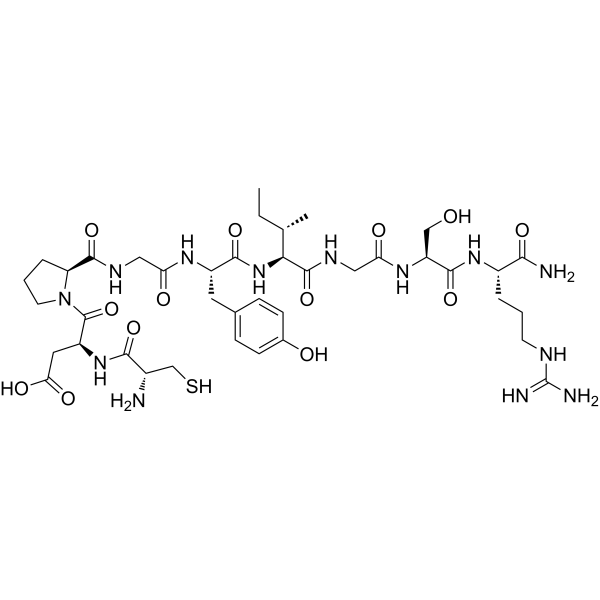
Cys-Asp-Pro-Gly-Tyr-Ile-Gly-Ser-Arg-NH2 | CAS 110590-61-9 | Laminin-Derived Peptide with Anti-Angiogenic and Anti-Tumor Activity
Original price was: $42.00.$36.00Current price is: $36.00.
Cys-Asp-Pro-Gly-Tyr-Ile-Gly-Ser-Arg-NH2 is a laminin-derived peptide that interferes with tumor cell attachment to the basement membrane. It exhibits anti-tumor and anti-angiogenic effects, suppressing invasion and new vessel formation in cancer research models.

Description
Product Description
Cys-Asp-Pro-Gly-Tyr-Ile-Gly-Ser-Arg-NH2 (CAS 110590-61-9) is a bioactive nonapeptide derived from the laminin B1 chain, an essential component of the extracellular matrix (ECM). Laminins are large glycoproteins that form the structural foundation of basement membranes and play a pivotal role in cell adhesion, differentiation, migration, and signaling. This peptide sequence, corresponding to a specific biologically active domain within laminin, has been identified as a modulator of tumor cell adhesion and angiogenesis.
In tumor progression, the interaction between cancer cells and the ECM is critical for invasion and metastasis. Laminin-binding peptides derived from specific motifs can act as competitive inhibitors that block cancer cells from adhering to or degrading the basement membrane. The peptide Cys-Asp-Pro-Gly-Tyr-Ile-Gly-Ser-Arg-NH2 specifically inhibits the binding of tumor cells to laminin substrates and consequently reduces their invasive potential.
Experimental data suggest that this peptide suppresses endothelial cell migration and capillary-like tube formation, thereby inhibiting angiogenesis — a process indispensable for tumor growth and metastasis. Through this dual inhibitory action on both cancer cell adhesion and neovascularization, Cys-Asp-Pro-Gly-Tyr-Ile-Gly-Ser-Arg-NH2 has emerged as a valuable molecular tool for exploring tumor microenvironment dynamics and anti-metastatic therapies.
Its structural simplicity and high biological selectivity make it suitable for in vitro and in vivo studies aiming to delineate the complex network of ECM-tumor interactions. The presence of cysteine at the N-terminus may facilitate disulfide bond formation or conjugation for targeted delivery or labeling applications.
Applications include:
Studying tumor invasion and metastasis mechanisms
Evaluating angiogenesis inhibition in cancer models
Investigating laminin–cell receptor interactions
Designing novel anti-metastatic therapeutics
Exploring ECM modulation and vascular biology
This peptide offers a precise and reproducible model to analyze how cancer cells respond to ECM-derived signals and provides a foundation for developing new anti-angiogenic and anti-metastatic strategies.
Product Specifications
| Item | Details |
|---|---|
| Product Name | Cys-Asp-Pro-Gly-Tyr-Ile-Gly-Ser-Arg-NH2 |
| CAS Number | 110590-61-9 |
| Sequence | Cys-Asp-Pro-Gly-Tyr-Ile-Gly-Ser-Arg-NH2 |
| Synonyms | Laminin B1 fragment peptide, CAPGIGSR-NH2 |
| Molecular Formula | C₄₂H₆₄N₁₄O₁₄S |
| Molecular Weight | 1041.1 g/mol |
| Purity | ≥ 95% (HPLC) |
| Appearance | White to off-white lyophilized powder |
| Solubility | Soluble in water or PBS |
| Storage | -20°C, protected from light and moisture |
| Application Area | Cancer biology, angiogenesis inhibition, ECM signaling |
| Target | Laminin receptor / Tumor-endothelial interface |
Synonyms
Laminin B1 chain fragment peptide
CDPGYIGSR-NH2 peptide
Laminin-derived anti-angiogenic peptide
ECM-binding inhibitory peptide
Mechanism of Action
Cys-Asp-Pro-Gly-Tyr-Ile-Gly-Ser-Arg-NH2 functions as a competitive inhibitor of laminin receptor–mediated cell adhesion. Laminin, a major basement membrane glycoprotein, provides anchorage and signaling support for endothelial and epithelial cells. Cancer cells frequently exploit laminin–receptor interactions to adhere to the extracellular matrix, degrade its structure, and invade neighboring tissues.
This peptide, derived from the laminin B1 chain, binds to laminin receptor sites or mimics its binding motif, preventing tumor cells from attaching to native laminin substrates. As a result, it interferes with the initiation of invasion and metastatic spread.
Additionally, the peptide demonstrates anti-angiogenic properties by disrupting endothelial cell adhesion and migration, both essential steps in new capillary formation. In vitro and in vivo studies have shown that treatment with this peptide reduces neovascularization, microvessel density, and tumor vascularization, leading to restricted tumor growth.
At the molecular level, Cys-Asp-Pro-Gly-Tyr-Ile-Gly-Ser-Arg-NH2 modulates integrin-mediated signaling pathways, particularly those involving β1 and α6 integrins, thereby attenuating focal adhesion kinase (FAK) activation and downstream MAPK/ERK signaling. This leads to reduced motility and proliferation in endothelial and tumor cells.
Thus, this peptide represents a dual-function molecule with both anti-metastatic and anti-angiogenic activity — providing a potent research probe for tumor microenvironment modulation and ECM biology.
Side Effects / Safety Notes
Cys-Asp-Pro-Gly-Tyr-Ile-Gly-Ser-Arg-NH2 is designed for research use only and not intended for human or veterinary use. To date, no toxicological data in humans are available. Laboratory handling should be performed under appropriate biosafety conditions. Avoid inhalation, ingestion, or skin contact. Dispose of waste according to institutional safety protocols.
Disclaimer
All peptides and related reagents are supplied exclusively for laboratory research use. They are not intended for diagnostic, therapeutic, or clinical use. Product data are provided for informational purposes and may vary depending on research conditions.
Keywords
laminin-derived peptide, anti-angiogenic peptide, tumor invasion inhibitor, cancer metastasis peptide, ECM adhesion blocker, peptide supplier, custom peptide synthesis, research chemicals manufacturer, peptide for angiogenesis inhibition, peptide for tumor microenvironment studies
Shipping Guarantee
We provide worldwide shipping through DHL, FedEx, and UPS with cold-chain handling to maintain peptide stability. Each order is carefully packaged with moisture protection, tracked in real time, and includes full documentation (COA, MSDS, and HPLC data). Our logistics partners ensure fast and reliable delivery to research institutions, universities, and biotech companies globally.
Transaction Guarantee
We guarantee secure payment channels, transparent order tracking, and complete post-sale support. All transactions are protected by our quality assurance policy. In the rare case of product deviation or damage during shipment, replacements or refunds are issued promptly after verification.
Additional information
| Weight | 0.7 kg |
|---|---|
| Dimensions | 56 × 26 × 56 cm |
1 review for Cys-Asp-Pro-Gly-Tyr-Ile-Gly-Ser-Arg-NH2 | CAS 110590-61-9 | Laminin-Derived Peptide with Anti-Angiogenic and Anti-Tumor Activity
Q1: What is the main biological activity of Cys-Asp-Pro-Gly-Tyr-Ile-Gly-Ser-Arg-NH2?
A1: It inhibits tumor cell adhesion and invasion into the basement membrane and exerts anti-angiogenic effects.
Q2: Is this peptide suitable for in vivo studies?
A2: It can be used for in vivo tumor angiogenesis and metastasis models under proper research protocols.
Q3: What purity grade is available?
A3: The peptide is available at ≥95% purity, confirmed by analytical HPLC and MS data.
Q4: Can the peptide be used to study laminin–receptor interactions?
A4: Yes, it’s ideal for investigating laminin-dependent adhesion and integrin signaling.
Q5: What are the recommended solvents for dissolution?
A5: Sterile water, PBS, or aqueous buffers adjusted for pH stability.
Q6: Does this peptide affect normal endothelial cells?
A6: It inhibits angiogenic signaling but does not exhibit cytotoxicity at research concentrations.
Q7: Can modifications be made for labeling or conjugation?
A7: Yes, we offer biotinylated, fluorescently labeled, or disulfide-linked derivatives upon request.
Q8: How stable is the peptide after reconstitution?
A8: Stable for up to two weeks at 4°C; for long-term storage, aliquot and freeze at -20°C.
Q9: What is the peptide’s relevance in anti-cancer therapy research?
A9: It serves as a prototype for anti-angiogenic and anti-metastatic drug development.
Q10: Do you provide bulk synthesis for institutional orders?
A10: Yes, bulk synthesis and GMP-grade production can be arranged for large-scale research projects.
Related products
Retatrutide cost with insurance
Retatrutide cost with insurance Original price was: $38.00.$26.00Current price is: $26.00.Retatrutide Raw Material Factory: Low-Price Wholesale for High-Purity Peptides
Retatrutide MOQ 1 Box Source Dry Powder Original price was: $38.00.$22.00Current price is: $22.00.Best-Selling Weight Loss Peptide: Slimming Peptide Reta with Safe Delivery
Weight Loss Peptide Lab-Tested Purity (99%+) – Ensures maximum effectiveness Original price was: $56.00.$23.00Current price is: $23.00.USA-Peptide-Janoshik Lyophilized Peptide Raw Powder for Muscle Building & Weight Loss
Lyophilized peptide raw powder Moq:10 vials per box Appearance:Lyophilized powder Original price was: $32.00.$24.00Current price is: $24.00.
djwalker –
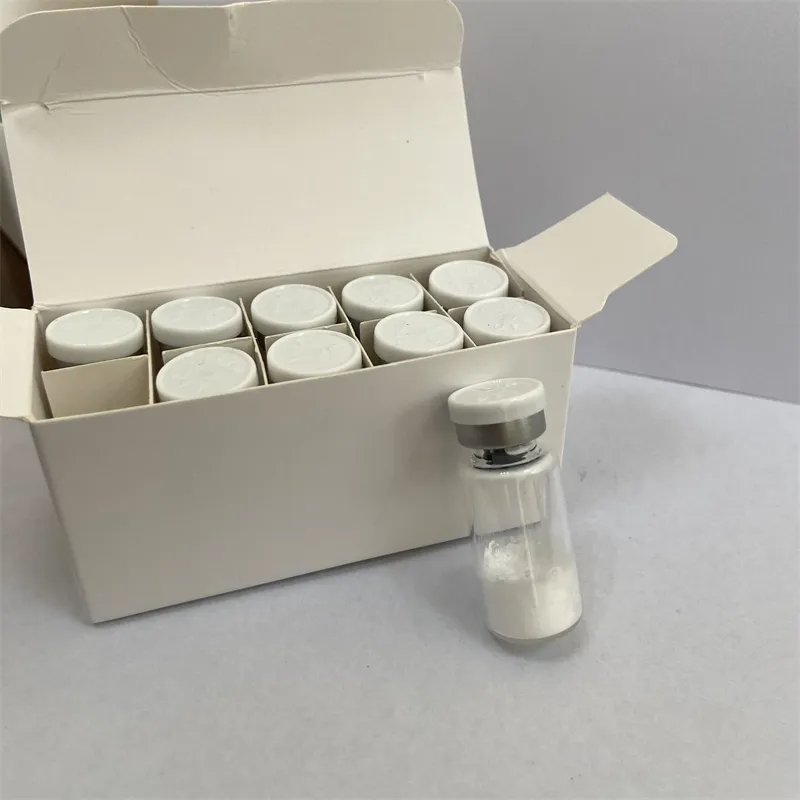
The shipment arrived earlier than expected.