
No products in the cart.
Sale
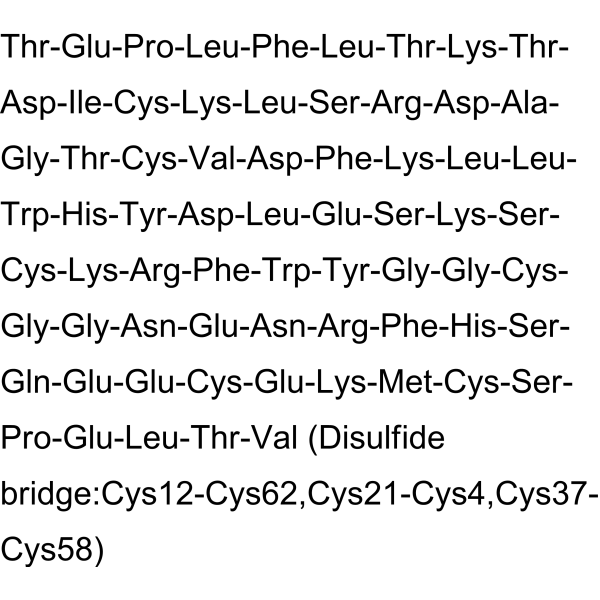
Endotrophin (Mus musculus) | CAS 1678414-54-4 | Collagen VI-Derived Peptide
Original price was: $43.00.$35.00Current price is: $35.00.
Endotrophin (Mus musculus) (CAS 1678414-54-4) is a bioactive peptide fragment derived from the α3 chain of collagen VI (COL6A3). It functions as a potent regulator of fibrosis, inflammation, adipose tissue remodeling, and tumor progression. Endotrophin upregulates profibrotic and proinflammatory genes, promoting fibroblast activation, macrophage infiltration, and extracellular matrix (ECM) expansion. This peptide serves as a valuable research tool in metabolic disease, cancer, and fibrotic disorder studies.

Description
Contents
hide
Product Description
Endotrophin (Mus musculus) (CAS 1678414-54-4) is a cleavage product of collagen type VI (COL6), specifically derived from the C-terminal C5 domain of the α3(VI) chain (COL6A3). This bioactive peptide fragment plays a crucial role as a fibrosis-inducing and inflammation-promoting signaling molecule in various pathological contexts, including adipose tissue dysfunction, liver fibrosis, cancer progression, and metabolic syndromes.
Collagen VI is a key extracellular matrix (ECM) protein found in most connective tissues, where it provides structural integrity and mechanical support. During tissue remodeling, proteolytic cleavage of COL6A3 releases endotrophin, which acts as a signaling mediator between the ECM and surrounding cells. Unlike structural collagen domains, endotrophin functions as a paracrine signaling peptide, actively modulating cellular communication and inflammatory pathways.
Origin and Molecular Nature
Endotrophin was first identified as a biologically active cleavage product released during ECM remodeling in adipose tissue. Its discovery linked ECM dynamics to inflammation and fibrosis, especially in the context of obesity-induced metabolic dysfunction. Endotrophin originates from the C-terminal Kunitz-like domain of COL6A3 and retains distinct structural motifs responsible for binding to integrins and growth factor receptors.
In mouse models, endotrophin expression increases in response to tissue stress, hypoxia, and metabolic dysregulation, particularly in adipocytes and fibroblasts. It has been shown to accumulate in fibrotic lesions, tumor stroma, and adipose depots, indicating its involvement in microenvironmental reprogramming.
Biological Functions and Pathophysiological Role
Endotrophin is not merely a degradation product; it is an active matricryptin — a bioactive ECM fragment that regulates cell signaling. It serves as a molecular link between ECM remodeling and cellular activation, participating in the following biological processes:
Fibrosis Induction: Endotrophin triggers fibroblast-to-myofibroblast transition, promoting excessive collagen synthesis and tissue stiffening.
Inflammation Enhancement: It induces cytokine and chemokine expression, leading to macrophage infiltration and sustained inflammatory signaling.
Epithelial-Mesenchymal Transition (EMT): Endotrophin promotes EMT in epithelial and cancer cells, facilitating migration and invasion.
Angiogenesis Modulation: It enhances endothelial proliferation and capillary formation through pro-angiogenic signaling.
Metabolic Dysregulation: In adipose tissue, it contributes to insulin resistance, adipocyte dysfunction, and fibrosis under obesity-related conditions.
The pleiotropic effects of endotrophin make it a central mediator of tissue pathology, linking metabolic imbalance to chronic inflamma.
Role in Adipose Tissue and Metabolic Diseases
Endotrophin has been extensively studied in obesity and type 2 diabetes models. Elevated endotrophin levels in adipose tissue correlate with insulin resistance, macrophage accumulation, and ECM deposition. It acts through TGF-β signaling pathways to upregulate collagen I, fibr, promoting fibrosis and tissue rigidity.
Adipocyte-derived endotrophin exerts para on immune cells, enhancing macrophage polarization toward a pro-inflammatory (M1-like) phenotype. These events contribute to chronic low-gr characteristic of metabolic disorders. Neutralization of endotrophin via antibodies or genetic suppression has been shown to improve glucose tolerance, reduce fibrosis, and restore insulin sensitivity in animal models, positioning endotrophin as a therapeutic target in metabolic research.
Endotrophin and Cancer Microenvironment
In oncology, endotrophin plays a dual role as both a tumor-promoting factor and a stromal remodeling agent. Tumors often display elevated endotrophin levels, particularly in hypoxic regions rich in fibrotic stroma. Endotrophin enhances tumor cell motility, angiogenesis, and chemoresistance, facilitating metastasis. It stimulates TGF-β and PDGF signaling, which activate stromal fibroblasts and support tumor growth.
Additionally, endotrophin enhances epithelial-to-mesenchymal transition (EMT) in carcinoma cells, promoting invasiveness. Studies show that blocking endotrophin can reduce tumor growth and metastasis, making it a potential anti-cancer target in tumor stroma research.
Endotrophin as a Biomarker
Circulating endotrophin levels are emerging as a non-invasive biomarker for several diseases:
Metabolic syndrome and insulin resistance
Liver and kidney fibrosis
Cardiac remodeling
Cancer prognosis
Serum endotrophin concentrations correlate with disease severity and response to antifibrotic therapies, providing diagnostic and prognostic insights in both preclinical and clinical studies.
Research Applications
Fibrosis and ECM remodeling studies
Adipose tissue and obesity research
Inflammatory and immune cell interaction assays
Cancer stroma and EMT analysis
Biomarker validation in metabolic or fibrotic diseases
Product Specifications
| Item | Details |
|---|---|
| Product Name | Endotrophin (Mus musculus) |
| CAS Number | 1678414-54-4 |
| Synonyms | COL6A3 C5 domain fragment, Collagen VI α3-derived peptide, ECM-derived signaling peptide |
| Origin | Mouse (Mus musculus) |
| Source | Cleavage product of Collagen VI |
| Function | Upregulates pro-fibrotic and pro-inflammatory genes |
| Molecular Type | Peptide fragment |
| Purity | ≥ 99% (HPLC) |
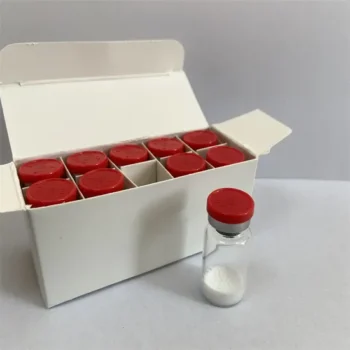
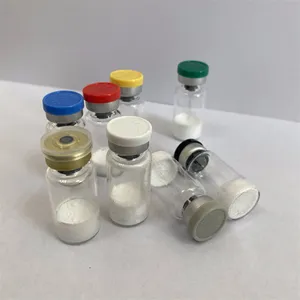
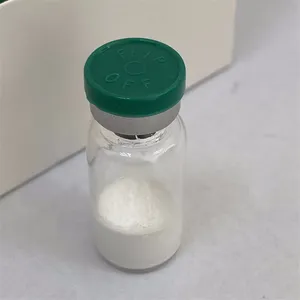
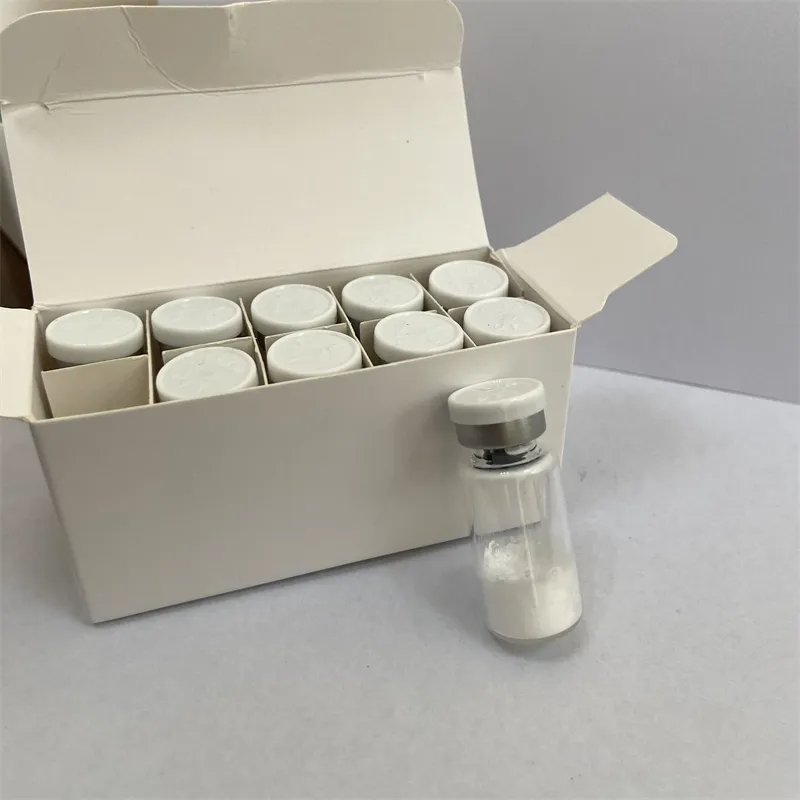
| Appearance | White lyophilized powder |
| Solubility | Soluble in PBS, water, or mild buffer |
| Storage Conditions | -20°C, desiccated and protected from light |
| Stability | Stable for 24 months under recommended conditions |
| Applications | Fibrosis, metabolic disease, and inflammation research |
| Formulation | Lyophilized peptide |
| Molecular Weight | Varies by sequence region (~8–10 kDa) |
Synonyms
Collagen VI α3 chain cleavage fragment
Endotrophin peptide
COL6A3-derived matricryptin
Collagen VI C5 domain peptide
Mechanism of Action
Endotrophin acts as a matricryptin, a bioactive ECM-derived signaling fragment released from collagen VI during tissue remodeling. It binds to cell surface receptors such as integrins (αvβ3, αvβ5) and growth factor receptors (TGF-βR, PDGFR) to trigger downstream fibrotic and inflammatory signaling pathways.
Upon receptor engagement, endotrophin activates:
TGF-β/SMAD pathway → induction of fibrotic gene expression (COL1A1, FN1, ACTA2).
NF-κB pathway → upregulation of pro-inflammatory cytokines (IL-6, TNF-α, MCP-1).
PI3K/AKT and MAPK signaling → promotion of fibroblast proliferation and migration.
In adipose tissue, endotrophin drives a feed-forward loop between fibroblast activation and macrophage recruitment. It enhances local ECM deposition and inflammatory infiltration, exacerbating tissue dysfunction. In tumors, it supports angiogenesis, immune evasion, and stromal expansion, thereby reshaping the tumor microenvironment.
Endotrophin’s biological activity illustrates the concept of ECM fragments as signaling molecules—not passive degradation products, but potent modulators of cellular crosstalk and disease progression.
Side Effects / Safety Notes
is provided strictly for research use only. It has no approved therapeutic application. In laboratory models, endotrophin overexpression can induce fibrosis and inflammatory responses; researchers should handle it with standard biosafety practices (BSL-2 or equivalent). Avoid inhalation or contact with skin and eyes.
There are no known toxic effects associated with in vitro use under normal research concentrations. However, due to its bioactivity, care should be taken to prevent unintended biological exposure.
Disclaimer
This product is intended for laboratory research purposes only. It must not be used in human or veterinary medicine, clinical diagnostics, or food processing. The information provided is for scientific communication and educational use. Compliance with institutional biosafety regulations is required when handling bioactive peptides.
Keywords
collagen VI peptide, COL6A3 fragment, fibrosis biomarker, ECM-derived peptide, adipose fibrosis, tumor stroma regulator, inflammatory peptide, metabolic dysfunction, collagen-derived signaling peptide, TGF-β activator, ECM remodeling peptide,CAS 1678414-54-4
Shipping Guarantee
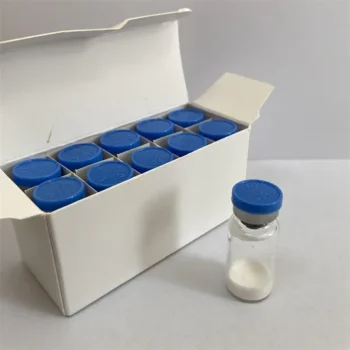
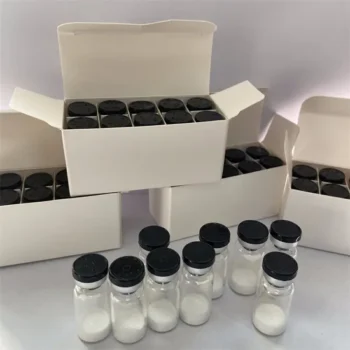
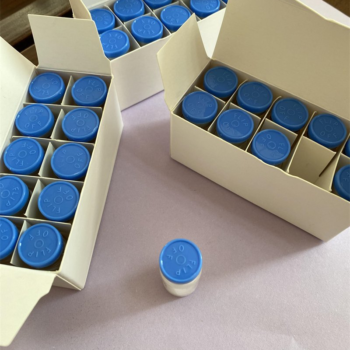
All products are shipped under cold-chain logistics to ensure stability and purity. Each lot is accompanied by a Certificate of Analysis (COA), HPLC and MS data, and quality documentation verifying identity and integrity. Peptides are packed in sterile, sealed vials with desiccant protection.
Transaction Guarantee
All purchases are processed securely with encrypted payment gateways. Orders are covered by a delivery assurance policy, ensuring full replacement or refund for any damaged or non-conforming products upon verified claim.

Additional information
| Weight | 0.8 kg |
|---|---|
| Dimensions | 56 × 28 × 56 cm |
What is Endotrophin (Mus musculus)?
Endotrophin is a bioactive peptide fragment derived from collagen VI, acting as a mediator of fibrosis and inflammation in mouse models.
What biological pathways does it influence?
It activates TGF-β, NF-κB, and PI3K/AKT pathways, driving fibrosis and pro-inflammatory gene expression.
Is Endotrophin used clinically?
No, it is strictly for research use and not approved for therapeutic or diagnostic purposes.
How is Endotrophin relevant to fibrosis research?
It serves as a key regulator of fibroblast activation and ECM deposition, useful for studying mechanisms of fibrotic diseases.
What is its link to cancer?
Endotrophin contributes to tumor microenvironment remodeling, promoting angiogenesis and metastasis.
Can Endotrophin serve as a biomarker?
Yes, circulating endotrophin levels correlate with fibrotic and metabolic disease severity.
How should it be stored?
Store at -20°C, protected from moisture and light.
What purity is provided?
≥99% (HPLC confirmed).
What is the source of Endotrophin?
It is a synthetic peptide corresponding to the mouse (Mus musculus) COL6A3 cleavage fragment.
What are typical research applications?
Fibrosis, ECM remodeling, adipose inflammation, and cancer microenvironment studies.
Related products
Wholesale 99% Purity Epitalon Peptide Raw Powder for Skin Repair
Epitalon Peptide Raw Powder for Skin Repair Original price was: $33.00.$22.00Current price is: $22.00.Wholesales Weight Loss Peptides Raw Powder CAS 129954-34-3 with Safe Delivery
$2.00Function Weight Loss Peptides Color White Purity 99%OverAnti-Aging Peptide Raw Powder CAS 307297-39-8 Epitalon – Low Price Wholesale
Anti-Aging Moq:10 vials per box Appearance:Lyophilized powder Purity:99% Original price was: $29.00.$23.00Current price is: $23.00.Retatrutide cost with insurance
Retatrutide cost with insurance Original price was: $38.00.$26.00Current price is: $26.00.

Reviews
There are no reviews yet.