
No products in the cart.
Sale
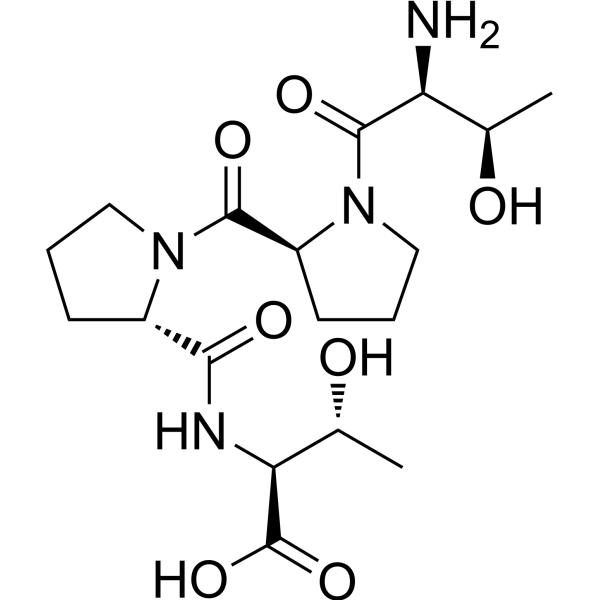
NT 13 | CAS 117928-93-5 | Partial NMDA Receptor Agonist for Depression and Anxiety Research
Original price was: $26.00.$23.00Current price is: $23.00.
NT 13 (TPPT) is a synthetic tetrapeptide functioning as a partial NMDA receptor agonist. It exhibits neuromodulatory and neuroprotective properties, making it an essential research tool for investigating mood disorders, synaptic plasticity, and NMDA receptor-mediated signaling.

Description
Product Description
NT 13 (TPPT) is a short-chain peptide composed of the amino acid sequence L-threonyl-L-prolyl-L-prolyl-L-threonine amide, designed to act as a partial agonist of the N-methyl-D-aspartate receptor (NMDAR). Unlike full agonists that may induce excitotoxicity, NT 13 modulates receptor activity in a controlled manner, providing a fine-tuned approach to studying glutamatergic neurotransmission and its impact on mood regulation, learning, and memory.
In the field of neuroscience research, NMDA receptors are well known for their central role in synaptic plasticity, neurodevelopment, and long-term potentiation (LTP), which underlie cognitive processes such as learning and memory formation. Dysregulation of NMDA receptor activity has been strongly associated with neuropsychiatric conditions including depression, schizophrenia, and anxiety disorders. NT 13, as a partial NMDAR agonist, provides researchers with a valuable molecular probe for modulating receptor activity without the risk of overactivation that typically accompanies full agonists.
Studies have shown that NT 13 (TPPT) enhances glutamatergic signaling while maintaining receptor homeostasis, resulting in beneficial effects on synaptic balance and neuronal communication. This unique pharmacological profile makes NT 13 an effective experimental tool for evaluating NMDA receptor dynamics in depression models, as well as for exploring mechanisms of antidepressant response involving glutamate modulation.
Furthermore, NT 13’s short peptide structure allows for better stability and receptor selectivity compared to larger protein-based ligands. Its amide-capped terminus (–NH₂) confers improved resistance to enzymatic degradation, making it suitable for in vitro and in vivo investigations. Researchers often utilize NT 13 to explore the intersection of glutamatergic and monoaminergic systems, examining how NMDA receptor activation can influence serotonin and dopamine pathways involved in emotional regulation.
Because of its balanced agonistic behavior, NT 13 is also being studied for potential roles in neuroprotection and synaptic resilience. Excessive NMDA receptor activation can lead to calcium overload and excitotoxic neuronal death—a major factor in neurodegenerative diseases such as Alzheimer’s and Huntington’s disease. NT 13’s partial agonism limits this excitotoxic cascade while still promoting beneficial receptor-mediated signaling, positioning it as a unique experimental agent in neurodegeneration research.
In summary, NT 13 (TPPT) is a high-purity synthetic tetrapeptide that serves as an invaluable research compound for investigating NMDA receptor pharmacology, depression mechanisms, anxiety pathophysiology, and cognitive modulation. Its biochemical precision, stability, and safety profile make it a preferred reagent for advanced neurobiological studies.
Product Specifications
| Property | Description |
|---|---|
| Product Name | NT 13 (TPPT) |
| CAS Number | 117928-93-5 |
| Molecular Formula | C₁₆H₂₆N₄O₆ |
| Molecular Weight | 370.40 g/mol |
| Sequence | L-Thr-L-Pro-L-Pro-L-Thr-NH₂ |
| Purity | ≥99% |
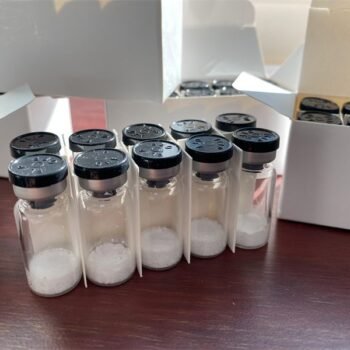
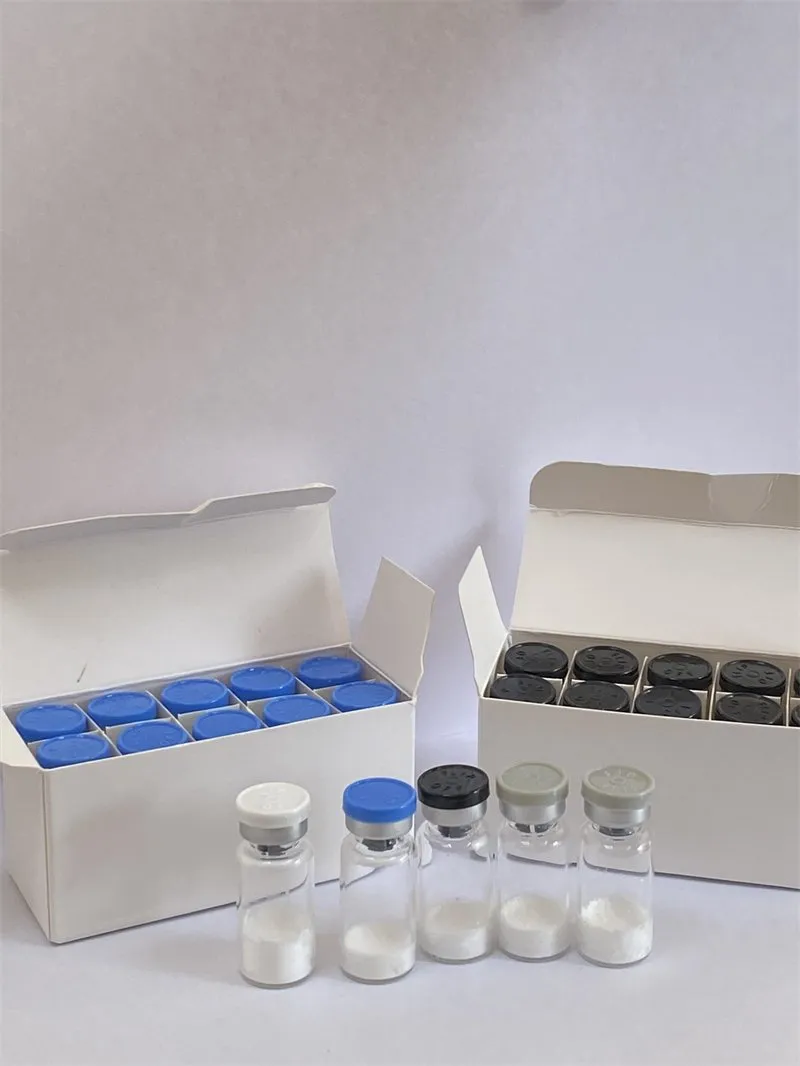
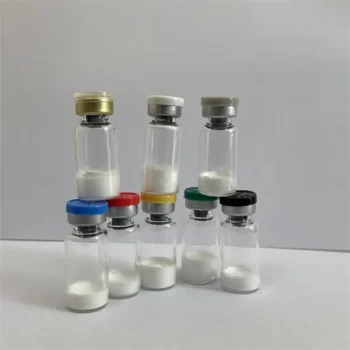
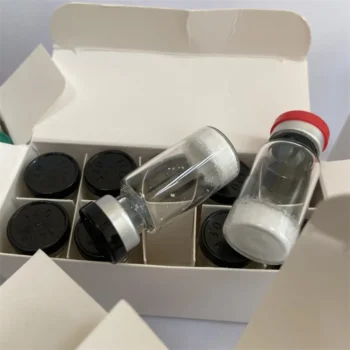
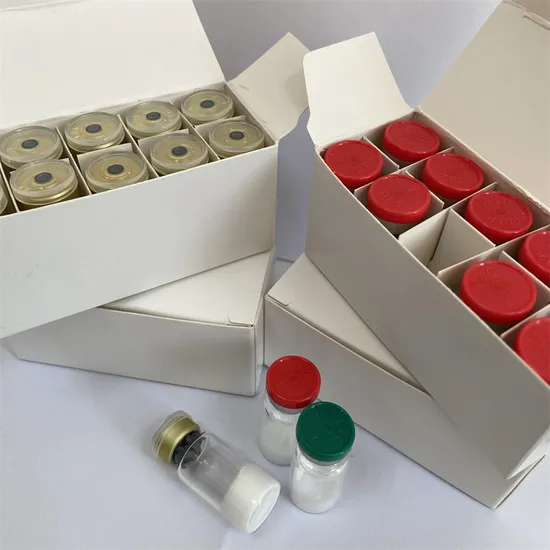
| Form | Lyophilized powder |
| Solubility | Soluble in water or PBS |
| Storage | −20°C, protected from light and moisture |
| Appearance | White to off-white solid |
| Category | Partial NMDA receptor agonist peptide |
| Applications | Depression research, anxiety models, NMDAR signaling studies |
| Intended Use | For laboratory research use only |
Mechanism of Action
NT 13 (TPPT) functions as a partial agonist at NMDA receptors, which are ligand-gated ion channels activated by glutamate and glycine. Unlike full agonists such as NMDA or glutamate, NT 13 binds to the receptor’s glutamate-binding site but elicits a submaximal response, effectively regulating calcium ion influx while minimizing excitotoxicity.
This modulated receptor activation maintains calcium-dependent signaling cascades required for neuronal survival and plasticity, including activation of CaMKII, CREB, and BDNF pathways—all of which are implicated in antidepressant efficacy and synaptic strengthening. By avoiding overactivation, NT 13 helps preserve mitochondrial function and neuronal integrity, offering a more physiologically balanced model for studying NMDAR function in stress and depression paradigms.
Furthermore, the peptide’s interaction with the NR1 subunit of the NMDA receptor allows partial channel opening, enhancing neural communication efficiency. This unique pharmacodynamic behavior provides insight into receptor desensitization, downstream signaling regulation, and neurotransmitter balance. NT 13’s modulation of glutamatergic homeostasis has been linked to improved mood stabilization, reduced anxiety, and enhanced cognitive flexibility in experimental systems.
Side Effects
As a laboratory research compound, NT 13 has no reported clinical adverse effects, since it is not intended for human or veterinary use. However, experimental studies highlight that excessive NMDA receptor activation may lead to excitotoxicity, oxidative stress, and mitochondrial dysfunction. Researchers should apply NT 13 at controlled concentrations and follow proper experimental design to avoid overexposure.
When handling NT 13, laboratory safety measures—such as gloves, protective eyewear, and fume hood use—are strongly recommended. The compound is stable under standard laboratory conditions but should be stored properly to prevent hydrolysis or degradation.
Disclaimer
All products are for laboratory research use only. NT 13 (CAS 117928-93-5) is not approved for human or animal consumption. Researchers are responsible for ensuring proper handling, storage, and disposal in accordance with institutional safety guidelines.
Keywords
TPPT, NMDA receptor agonist, partial agonist peptide, depression research, anxiety studies, neuropharmacology, synaptic plasticity, NMDA signaling, glutamatergic modulation, cognitive neuroscience, antidepressant mechanisms
Shipping Guarantee
All peptide products are shipped in temperature-controlled, sealed containers to preserve purity and structural integrity. Global express delivery with tracking is available, and products are packaged with desiccant and thermal protection to ensure stability during transit.
Trade Guarantee
We ensure secure international trade, providing transparent documentation (COA, MSDS, HPLC report) and compliance with import/export standards. Payments are processed through verified channels for customer confidence and regulatory assurance.

Additional information
| Weight | 0.8 kg |
|---|---|
| Dimensions | 62 × 53 × 62 cm |
Q1: What is the function of NT 13 (TPPT)?
A1: NT 13 is a partial NMDA receptor agonist used to study glutamatergic neurotransmission, depression, and anxiety.
Q2: How does NT 13 differ from a full NMDA agonist?
A2: It activates NMDA receptors partially, avoiding excitotoxicity while preserving signaling balance.
Q3: What is the purity of NT 13?
A3: Each batch is ≥99% pure, confirmed by HPLC and MS analysis.
Q4: What form is NT 13 provided in?
A4: NT 13 is supplied as a lyophilized white powder for reconstitution in sterile water or PBS.
Q5: What are the storage conditions?
A5: Store at −20°C, protected from moisture and light for long-term stability.
Q6: Can NT 13 be used in animal models?
A6: It may be used for approved research purposes under institutional laboratory guidelines.
Q7: What research fields commonly use NT 13?
A7: Neuropharmacology, depression and anxiety modeling, and NMDA receptor signaling research.
Q8: Does NT 13 show neuroprotective effects?
A8: Yes, its partial agonism helps prevent excitotoxic neuronal damage while maintaining synaptic function.
Q9: Is NT 13 soluble in aqueous solutions?
A9: Yes, it dissolves readily in water or phosphate-buffered saline (PBS).
Q10: Does NT 13 interact with other neurotransmitter systems?
A10: It can indirectly influence serotonin and dopamine systems through NMDA receptor modulation.
Related products
Best-Selling Weight Loss Peptide: Slimming Peptide Reta with Safe Delivery
Weight Loss Peptide Lab-Tested Purity (99%+) – Ensures maximum effectiveness Original price was: $56.00.$23.00Current price is: $23.00.Semaglutide Raw Material Factory: Low-Price Wholesale for High-Purity Peptides
Semaglutide Compound CID: 56843331 MF: C187H291N45O59Purity: 99%
Form: Lyophilized powder
Dosage Options: 5mg, 10mg, 15mg per vial
Packaging: Secure box packaging
Shelf Life: 2 years (store in a cool, dry place)
MOQ: 1 box
Factory Supply Peptide Healthcare 99% with Safe Delivery
Peptide Healthcare Usage Delta-Sleep Inducing Peptides Purity 99%Over Dose 2mg 5mg 10mg 15mg 20mg Highe Original price was: $28.00.$23.00Current price is: $23.00.GLP-1/GIP/glucagon combination therapy The Future of Metabolic Treatment (Wholesale Supplier Guide)
GLP-1/GIP/glucagon combination therapy Original price was: $38.00.$23.00Current price is: $23.00.



Reviews
There are no reviews yet.