
No products in the cart.
Sale

Liraglutide Acetate | CAS 1997361-86-0 | GLP-1 Receptor Agonist for Metabolic and Endocrine Research
Original price was: $18.00.$15.00Current price is: $15.00.
Liraglutide acetate is a synthetic GLP-1 receptor agonist peptide used in endocrine and metabolic research. It promotes glucose-dependent insulin secretion, delays gastric emptying, and supports studies on glucose homeostasis, obesity, and energy metabolism.

Description
Product Description
Liraglutide acetate is a glucagon-like peptide-1 (GLP-1) receptor agonist, derived from a modified form of native human GLP-1 with enhanced stability and prolonged half-life. It mimics the action of endogenous GLP-1, a key incretin hormone that regulates postprandial glucose levels by stimulating insulin secretion and suppressing glucagon release. Through chemical modification with a C16 fatty acid (palmitoyl) side chain, Liraglutide exhibits strong albumin binding, reducing renal clearance and extending its duration of action compared to natural GLP-1.
In research applications, Liraglutide acetate provides a powerful model for studying glucose metabolism, insulin signaling, and energy balance. Its mechanism involves activation of the GLP-1 receptor (GLP1R), a G protein-coupled receptor expressed in pancreatic β-cells, gastrointestinal tissue, and the central nervous system. GLP1R activation leads to increased intracellular cAMP levels, stimulating insulin biosynthesis and exocytosis while reducing glucagon secretion. This dual modulation maintains euglycemia and reduces postprandial glucose spikes, making Liraglutide a valuable tool for understanding endocrine regulatory pathways.
Liraglutide acetate is widely used in experimental research exploring obesity, insulin resistance, metabolic syndrome, and cardiovascular risk modulation. It has been shown to affect satiety centers in the hypothalamus, reducing food intake through neuronal GLP-1 receptor signaling. Moreover, its effects on gastric motility and lipid metabolism contribute to broader studies of energy utilization and adipose regulation.
Recent research also investigates Liraglutide’s neuroprotective and anti-inflammatory properties. Studies indicate that GLP-1 receptor agonism may enhance neuronal survival, reduce oxidative stress, and improve mitochondrial function in central nervous system models, supporting its role as a neuroendocrine modulator.
Liraglutide acetate (CAS 1997361-86-0) is available as a high-purity lyophilized peptide with ≥99% purity, designed for in vitro and in vivo research applications requiring precise GLP-1 receptor engagement and metabolic pathway activation. Its stable acetate salt form ensures optimal solubility and bioactivity retention under standard storage conditions.
Product Specifications
| Property | Description |
|---|---|
| Product Name | Liraglutide Acetate |
| CAS Number | 1997361-86-0 |
| Synonyms | NN2211; GLP-1 analogue; GLP-1 receptor agonist |
| Molecular Formula | C172H265N43O51 |
| Molecular Weight | ~3751.2 g/mol |
| Purity | ≥99% |
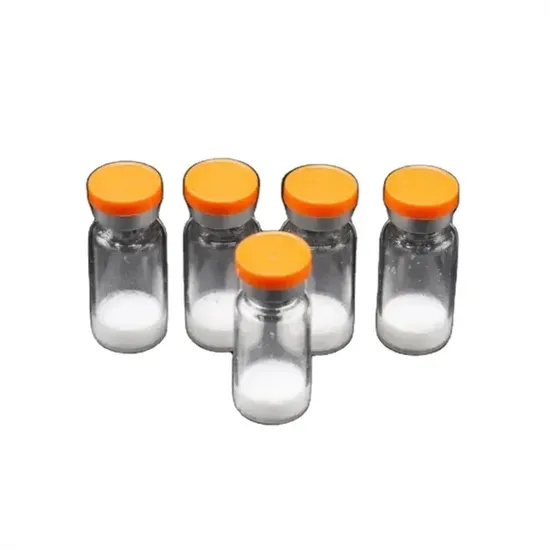
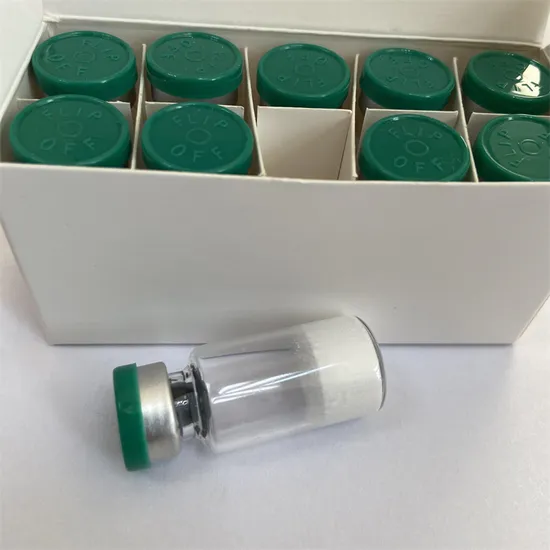
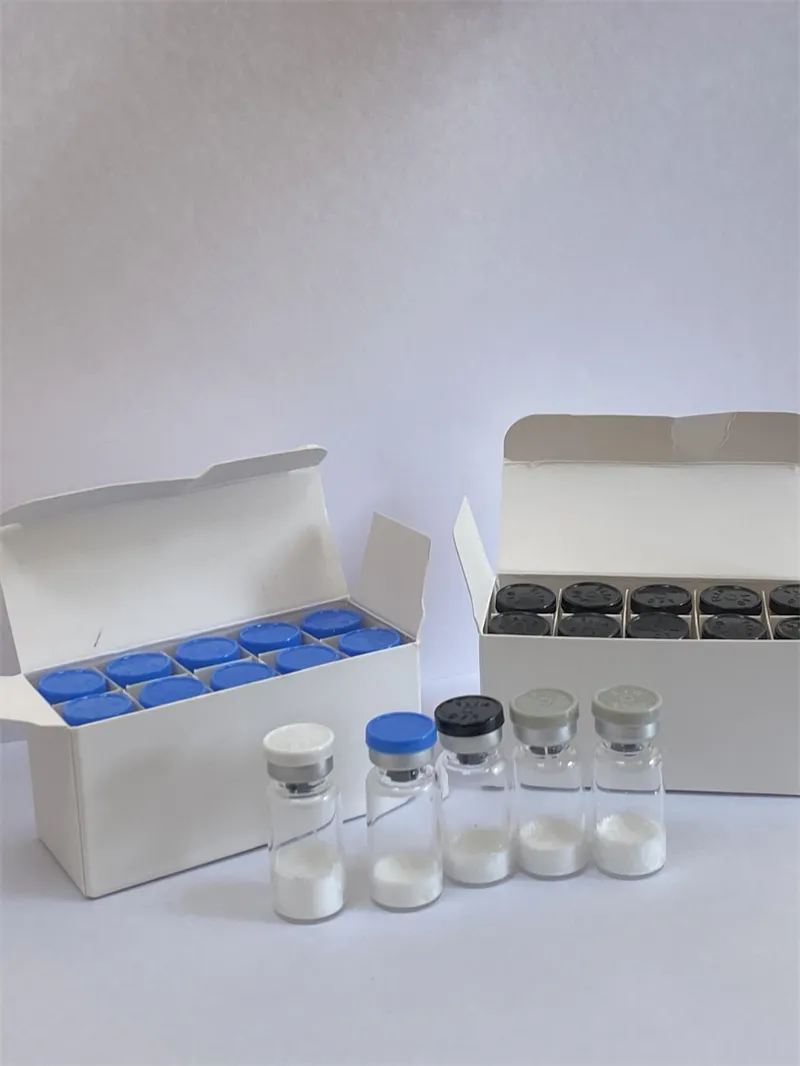
| Form | Lyophilized powder (acetate salt) |
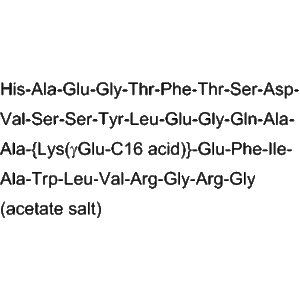
| Sequence | HAEGTFTSDVSSYLEGQAAKEFIAWLVKGRG (C16-acylated modification) |
| Solubility | Soluble in sterile water or phosphate-buffered saline (PBS) |
| Storage | −20°C, desiccated and light-protected |
| Stability | Stable for ≥12 months when stored properly |
| Category | GLP-1 receptor agonist; metabolic research peptide |
| Applications | Studies on insulin regulation, glucose metabolism, energy homeostasis, and obesity |
| Intended Use | For laboratory research use only |
Mechanism of Action
Liraglutide acetate acts as a selective GLP-1 receptor (GLP1R) agonist, mimicking the effects of endogenous GLP-1. Upon receptor activation, adenylate cyclase is stimulated, increasing intracellular cAMP levels. This rise in cAMP activates protein kinase A (PKA) and Epac2, enhancing calcium influx and insulin granule exocytosis in pancreatic β-cells.
In parallel, GLP1R activation suppresses glucagon secretion from pancreatic α-cells, leading to decreased hepatic glucose output. This dual effect—stimulating insulin while inhibiting glucagon—helps maintain glucose homeostasis in research models of diabetes and metabolic dysregulation.
Liraglutide’s long-acting profile arises from its C16 fatty acid chain, which facilitates reversible albumin binding. This modification not only protects the peptide from enzymatic degradation by dipeptidyl peptidase IV (DPP-IV) but also ensures gradual systemic release, mimicking sustained GLP-1 signaling.
Beyond pancreatic effects, Liraglutide acetate modulates central nervous system (CNS) pathways involved in appetite control. It interacts with GLP-1 receptors in the hypothalamus, particularly within the arcuate nucleus, to activate pro-opiomelanocortin (POMC) neurons and inhibit neuropeptide Y/agouti-related peptide (NPY/AgRP) neurons. This reduces food intake and enhances satiety signaling in animal models.
Additionally, GLP1R activation in cardiovascular tissues has been shown to improve endothelial function, enhance nitric oxide production, and reduce oxidative stress, which are important parameters in the study of atherosclerosis and vascular biology.
Liraglutide acetate is therefore a versatile research compound that bridges endocrine regulation, metabolic control, and neurobiology, serving as a cornerstone for investigating incretin biology and peptide-based signaling systems.
Side Effects
In laboratory and preclinical studies, Liraglutide acetate demonstrates a well-characterized pharmacological profile with minimal cytotoxicity under standard concentrations. However, exaggerated GLP-1 receptor stimulation may lead to transient effects such as reduced gastric motility, mild nausea, or altered glucose tolerance in animal models.
At supraphysiological concentrations, GLP-1 analogues can cause β-cell desensitization or overstimulation of cAMP pathways, leading to metabolic adaptation responses. Appropriate dose calibration and experimental design are therefore essential to ensure physiological relevance.
Liraglutide acetate is intended strictly for research purposes. It is not approved for human administration, clinical diagnosis, or therapeutic use.
Disclaimer
This product is provided for laboratory research use only. It should not be used in humans or animals. All experiments must comply with institutional safety and ethical standards.
Keywords
Liraglutide acetate, CAS 1997361-86-0, GLP-1 receptor agonist, GLP-1 analogue, incretin research peptide, glucose metabolism, insulin signaling, obesity model peptide, metabolic research compound, endocrine peptide
Shipping Guarantee
All peptides are shipped under temperature-controlled and moisture-protected conditions to preserve purity and biological activity. Each batch is validated via HPLC and MS and includes a Certificate of Analysis (COA).
Trade Guarantee
We ensure ≥99% purity, secure global shipping, and batch-to-batch reproducibility. Every order is traceable and supported by complete analytical documentation.

Additional information
| Weight | 0.8 kg |
|---|---|
| Dimensions | 56 × 42 × 56 cm |
Q1: What is Liraglutide acetate?
A1: It is a GLP-1 receptor agonist peptide analogue used to study glucose metabolism, insulin secretion, and metabolic control.
Q2: What is the main receptor target?
A2: Liraglutide activates the GLP-1 receptor (GLP1R), a G protein-coupled receptor regulating insulin and glucagon balance.
Q3: How does it differ from native GLP-1?
A3: It includes a C16 fatty acid modification for prolonged half-life and enhanced resistance to DPP-IV degradation.
Q4: What research fields use Liraglutide acetate?
A4: It’s widely used in endocrinology, metabolic disorder, diabetes, and neuroendocrine signaling studies.
Q5: What are its storage conditions?
A5: Store at −20°C in a desiccated environment away from light and moisture.
Q6: Does it cross the blood-brain barrier?
A6: It exhibits partial CNS penetration and exerts central appetite-suppressing effects through hypothalamic GLP1R activation.
Q7: Is it suitable for cell culture work?
A7: Yes, it can be used in cell-based assays investigating GLP-1 signaling and insulin pathway regulation.
Q8: Can it be used for cardiovascular studies?
A8: Yes, it helps explore endothelial function, oxidative stress, and vascular responses related to GLP-1 signaling.
Q9: What purity level is guaranteed?
A9: Every batch is synthesized at ≥99% purity and verified by analytical testing.
Q10: Is this product for clinical use?
A10: No, it is for research use only, not for human or veterinary application.
Related products
Semaglutide Raw Material Factory: Low-Price Wholesale for High-Purity Peptides
Semaglutide Compound CID: 56843331 MF: C187H291N45O59Purity: 99%
Form: Lyophilized powder
Dosage Options: 5mg, 10mg, 15mg per vial
Packaging: Secure box packaging
Shelf Life: 2 years (store in a cool, dry place)
MOQ: 1 box
Tesamorelin Raw Material Factory: Low-Price Wholesale for High-Purity Peptides
Tesamorelin Egrifta; Tesamorelin; 218949-48-5; 804475-66-9; TH9507; ... Compound CID: 16137828 MF: C221H366N72O67S Original price was: $38.00.$23.00Current price is: $23.00.Retatrutide Raw Material Factory: Low-Price Wholesale for High-Purity Peptides
Retatrutide MOQ 1 Box Source Dry Powder Original price was: $38.00.$22.00Current price is: $22.00.Top Quality Peptides Lyophilized Powder – Reta Trutide Fitness and Weight Loss Peptide in Stock | Factory Wholesale
Peptides Function Weight Loss Peptides Moq:10 vials per box Original price was: $38.00.$22.00Current price is: $22.00.


Reviews
There are no reviews yet.