
No products in the cart.
Sale
Relsipatide | CAS 2843676-09-3 | Dual GIP and GLP-1 Receptor Agonist for Antidiabetic Research
Original price was: $46.00.$41.00Current price is: $41.00.
Relsipatide (BG128) is a potent dual GIP and GLP-1 receptor agonist that regulates glucose homeostasis and insulin signaling. It is widely used in type 2 diabetes and metabolic disorder research to investigate incretin-based pathways.

Description
Product Description
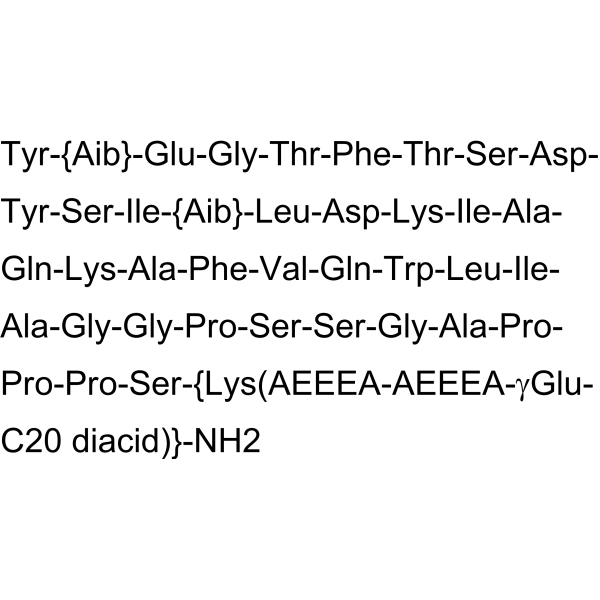
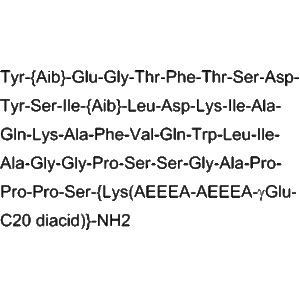
Relsipatide (CAS 2843676-09-3), also known as BG128, is a synthetic peptide that functions as a dual receptor agonist for gastric inhibitory polypeptide (GIP) and glucagon-like peptide-1 (GLP-1) receptors. Both GIP and GLP-1 belong to the incretin hormone family, which plays a crucial role in postprandial glucose regulation, insulin secretion, and energy metabolism.
As a research-grade incretin mimetic, Relsipatide has emerged as a valuable molecular tool for exploring metabolic homeostasis, pancreatic β-cell physiology, and insulin sensitivity enhancement in preclinical studies. Its dual receptor activation mechanism differentiates it from traditional single-pathway incretin agents, allowing researchers to evaluate synergistic signaling and improved glucose-lowering effects.
Relsipatide exerts its biological activity by binding to GLP-1R and GIPR, both of which are G protein–coupled receptors (GPCRs) expressed on pancreatic β-cells, adipocytes, hepatocytes, and neuronal tissues. Upon receptor engagement, Relsipatide activates adenylyl cyclase, leading to elevated cyclic AMP (cAMP) levels and subsequent activation of protein kinase A (PKA) and Epac2 pathways. These signaling cascades facilitate glucose-stimulated insulin secretion (GSIS), β-cell proliferation, and enhanced mitochondrial metabolism.
In metabolic and obesity research, Relsipatide is instrumental for studying the incretin effect, energy expenditure, and body weight regulation. Dual incretin receptor activation has shown potential to improve insulin sensitivity, reduce hepatic steatosis, and modulate appetite signaling through hypothalamic control centers.
Relsipatide’s dual-target mechanism provides a unique platform for investigating next-generation antidiabetic strategies, including combined incretin therapies and metabolic modulators. It also enables comparative studies with GLP-1–only agonists such as Liraglutide, Semaglutide, and Dulaglutide, thereby elucidating the additive benefits of dual receptor pharmacology in glucose and lipid metabolism.
In cell-based assays and animal models, Relsipatide demonstrates strong receptor-binding affinity, enzyme resistance, and enhanced plasma stability, making it ideal for extended in vitro and in vivo experimentation. Researchers have reported that Relsipatide enhances β-cell survival under glucotoxic conditions, promotes adiponectin expression, and reduces inflammatory cytokine production, indicating broad metabolic benefits beyond insulin secretion.
Overall, Relsipatide serves as a powerful research peptide for elucidating incretin physiology, diabetic pathophysiology, and pharmacodynamic receptor interactions, providing valuable insights for drug discovery in metabolic disease research.
Product Specifications
| Property | Description |
|---|---|
| Product Name | Relsipatide |
| CAS Number | 2843676-09-3 |
| Synonyms | BG128; Dual GIP/GLP-1 receptor agonist |
| Molecular Formula | CₓHᵧNᵧOᵧ (available upon request) |
| Purity | ≥99% |
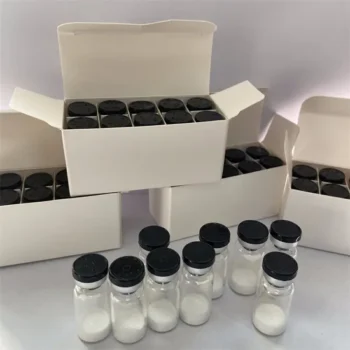
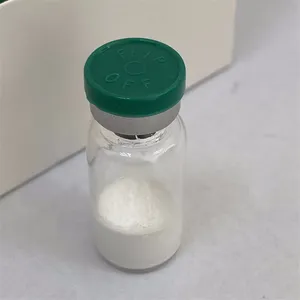
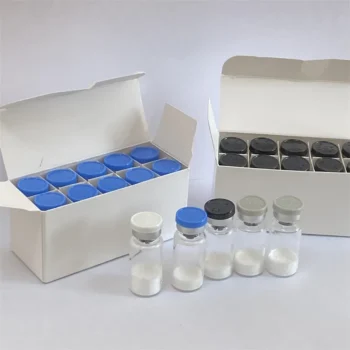
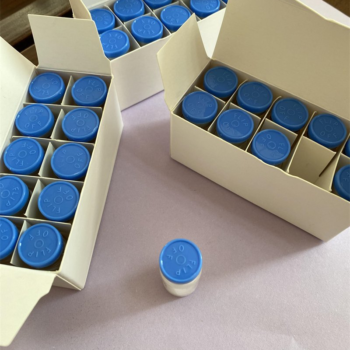
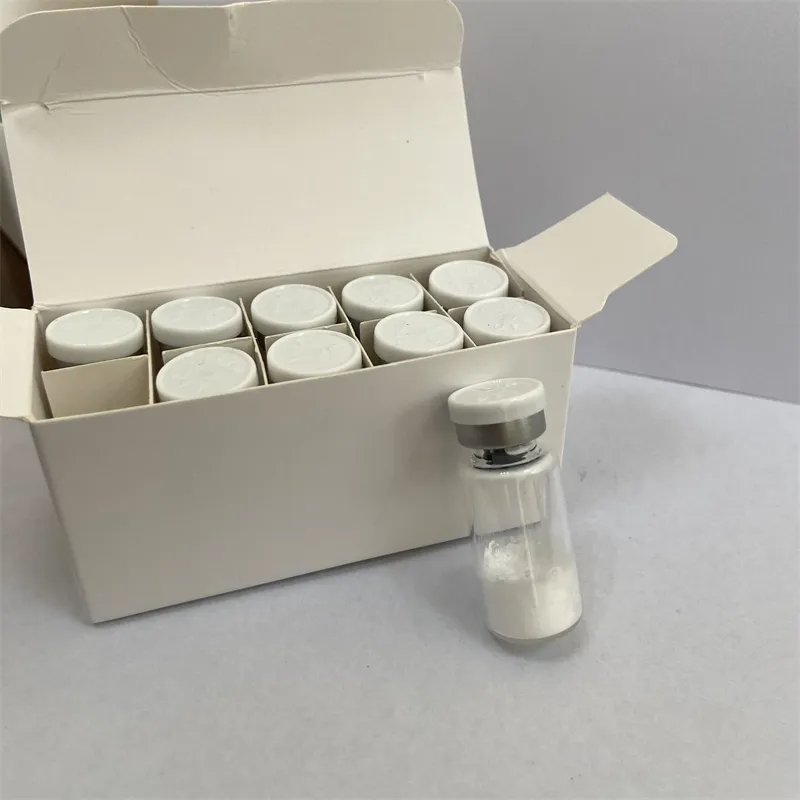
| Form | Lyophilized peptide powder |
| Storage | −20°C, protected from light and moisture |
| Solubility | Soluble in water, PBS, or DMSO |
| Stability | Stable for ≥12 months under recommended conditions |
| Category | Incretin mimetic peptide; GPCR agonist |
| Applications | Diabetes research, insulin signaling studies, metabolic disease modeling |
| Research Area | Endocrinology, Metabolism, Pharmacology, Biochemistry |
| Intended Use | For laboratory research use only |
Mechanism of Action
Relsipatide acts as a dual agonist of GIPR (Gastric Inhibitory Polypeptide Receptor) and GLP-1R (Glucagon-Like Peptide-1 Receptor), both of which are G protein–coupled receptors that regulate glucose metabolism.
Upon binding to these receptors, Relsipatide activates adenylyl cyclase, elevating intracellular cAMP levels. This leads to activation of PKA and Epac2, which in turn trigger exocytosis of insulin granules from pancreatic β-cells. The result is enhanced glucose-dependent insulin secretion, improved glucose tolerance, and reduced plasma glucose concentration in experimental systems.
Beyond insulinotropic effects, Relsipatide influences lipid metabolism and energy balance. GIPR activation promotes lipid storage regulation and adipocyte insulin sensitivity, while GLP-1R activation reduces gastric emptying, appetite, and food intake through central nervous system pathways.
Relsipatide’s dual action achieves a balanced metabolic modulation by combining GIP’s anabolic support with GLP-1’s catabolic and appetite-suppressing functions. This synergy makes it a potent tool for studying energy metabolism, obesity mechanisms, and insulin resistance.
Moreover, preclinical studies have demonstrated that Relsipatide enhances mitochondrial function, improves β-cell survival under oxidative stress, and reduces proinflammatory cytokine release. These multifaceted actions position it as an ideal peptide for studying incretin-based pharmacology and next-generation diabetes therapeutics.
Side Effects
In research environments, Relsipatide exhibits a low toxicity profile and a favorable safety margin. However, due to its potent incretin-mimetic activity, experimental overdosing may transiently affect glucose and lipid metabolism, leading to mild hypoglycemic responses in animal models.
Other potential laboratory-observed effects include mild gastrointestinal slowing, transient reduction in food intake, or metabolic adaptation due to incretin receptor overstimulation.
These effects are generally reversible and dose-dependent. No cytotoxicity or genotoxicity has been reported in in vitro studies. Relsipatide should be handled under appropriate research protocols and is not intended for clinical or therapeutic use.
Disclaimer
All data are provided for laboratory research use only. Relsipatide is not approved for human administration or clinical diagnosis.
Keywords
CAS no 2843676-09-3, BG128, dual GIP GLP-1 agonist, incretin peptide, antidiabetic research, insulin secretion modulator, metabolic regulation, GLP-1 analog, GIP receptor activator
Shipping Guarantee
All shipments are handled under temperature-controlled logistics with vacuum-sealed and desiccated packaging to preserve peptide integrity. Each lot includes a Certificate of Analysis (COA) verifying ≥99% purity and mass spectrometry validation.
Trade Guarantee
Our production process adheres to GLP and ISO standards, ensuring reproducibility, traceability, and analytical transparency. We provide secure international shipping and quality assurance for every research batch.

Additional information
| Weight | 0.85 kg |
|---|---|
| Dimensions | 68 × 53 × 68 cm |
Q: What is Relsipatide?
A: Relsipatide is a dual GIP and GLP-1 receptor agonist peptide used for studying glucose metabolism and insulin signaling.
Q: What are its main receptors?
A: It activates both GIPR and GLP-1R, key components of the incretin hormone system.
Q: What is its purity?
A: Relsipatide is synthesized with ≥99% purity, validated via HPLC and MS.
Q: How does it affect glucose metabolism?
A: It enhances insulin secretion and improves glucose tolerance through cAMP-dependent signaling.
Q: What are its main research applications?
A: Diabetes, obesity, lipid metabolism, and pancreatic β-cell biology.
Q: Is Relsipatide stable in solution?
A: Yes, it is stable under standard laboratory storage and buffer conditions.
Q: How should it be stored?
A: Store at −20°C, desiccated and away from light.
Q: Can it be used in vivo studies?
A: Yes, under ethical research conditions for metabolic modeling.
Q: Does it affect body weight in animal studies?
A: Yes, dual incretin agonism may lead to reduced appetite and body weight.
Q: Is it for human use?
A: No. Relsipatide is strictly for laboratory research use only.
Related products
Semaglutide Raw Material Factory: Low-Price Wholesale for High-Purity Peptides
Semaglutide Compound CID: 56843331 MF: C187H291N45O59Purity: 99%
Form: Lyophilized powder
Dosage Options: 5mg, 10mg, 15mg per vial
Packaging: Secure box packaging
Shelf Life: 2 years (store in a cool, dry place)
MOQ: 1 box
Anti-Aging Peptide Raw Powder CAS 307297-39-8 Epitalon – Low Price Wholesale
Anti-Aging Moq:10 vials per box Appearance:Lyophilized powder Purity:99% Original price was: $29.00.$23.00Current price is: $23.00.High Purity Weight Loss Peptide Reta, Trutide, GHK-Cu, Epitalon Peptide – The Ultimate Solution for Effective Weight Loss and Anti-Aging
Weight Loss Peptide Function Dose 2mg 5mg 10mg 15mg 20mg Higher Original price was: $36.00.$25.00Current price is: $25.00.Retatrutide cost with insurance
Retatrutide cost with insurance Original price was: $38.00.$26.00Current price is: $26.00.


Reviews
There are no reviews yet.