
No products in the cart.
Sale
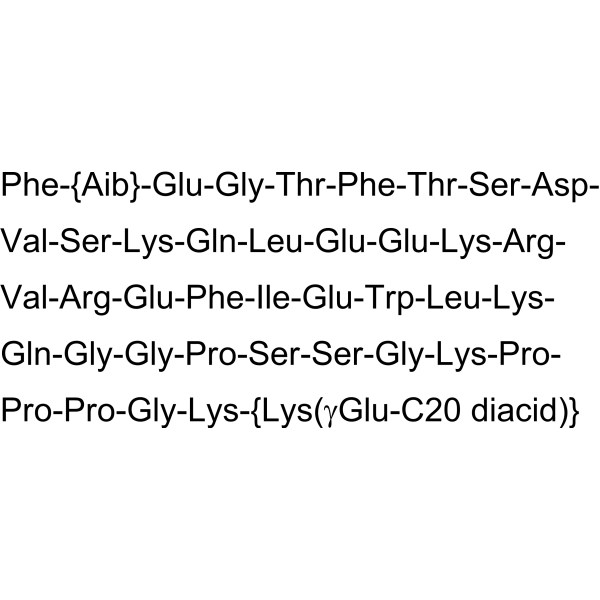
Berobenatide | CAS 3028974-74-2 | GLP-1 Receptor Agonist for Metabolic and Endocrine Research
Original price was: $50.00.$36.00Current price is: $36.00.
Berobenatide (CAS 3028974-74-2) is a novel glucagon-like peptide-1 (GLP-1) receptor agonist designed for scientific studies in endocrinology and metabolic regulation. It serves as a stable and bioactive analog that stimulates GLP-1–mediated pathways involved in insulin secretion, appetite control, and energy homeostasis. Berobenatide is a valuable peptide tool for studying incretin signaling and metabolic disorders.

Description
Product Description
Berobenatide is a synthetic peptide analog of glucagon-like peptide-1 (GLP-1), designed to selectively activate GLP-1 receptors with enhanced metabolic stability and receptor affinity. As a GLP-1 receptor agonist, Berobenatide exerts its activity through the incretin hormone pathway, playing a central role in glucose homeostasis and insulin regulation.
The compound’s design incorporates strategic amino acid modifications that confer resistance to enzymatic degradation by dipeptidyl peptidase-IV (DPP-IV), thus extending its biological half-life compared with native GLP-1. This increased stability allows for prolonged receptor activation and sustained downstream signaling in experimental models.
Berobenatide functions by binding to the GLP-1 receptor (GLP1R), a G protein–coupled receptor predominantly expressed in pancreatic β-cells, the gastrointestinal tract, and certain regions of the central nervous system. Upon activation, GLP1R initiates cAMP-dependent signaling cascades that promote insulin synthesis, enhance insulin secretion in a glucose-dependent manner, and suppress glucagon release.
In laboratory research, Berobenatide is used to investigate glucose-stimulated insulin secretion (GSIS), pancreatic β-cell protection, appetite regulation, and lipid metabolism. It is also employed in in vitro cell-based assays and in vivo rodent models to study incretin receptor dynamics, receptor internalization, and downstream metabolic adaptations.
Studies suggest that GLP-1 receptor activation enhances mitochondrial function, reduces oxidative stress, and promotes cellular survival under metabolic stress conditions. These findings make Berobenatide a valuable research peptide for exploring metabolic disease mechanisms such as insulin resistance, obesity, and β-cell dysfunction.
In addition to its endocrine effects, Berobenatide is relevant for neuroscience research, given GLP-1 receptor expression in the brainstem and hypothalamus. Experimental data indicate that GLP-1 analogs can influence feeding behavior, energy expenditure, and neuroprotection in models of neurodegeneration.
Structurally, Berobenatide retains key residues essential for receptor recognition, while minor modifications improve its pharmacokinetic properties and receptor residence time. These enhancements enable consistent receptor engagement and reproducible assay outcomes in controlled research environments.
With high peptide purity (≥99%), Berobenatide ensures precision in biochemical, pharmacological, and molecular investigations. Its stability under standard laboratory storage conditions allows for long-term usability without degradation, supporting extended experimental workflows.
Overall, Berobenatide represents a versatile GLP-1 receptor agonist optimized for reproducible metabolic research, enabling scientists to better understand incretin biology and glucose regulatory networks.
Product Specifications
| Property | Description |
|---|---|
| Product Name | Berobenatide |
| CAS Number | 3028974-74-2 |
| Synonyms | GLP-1 receptor agonist peptide; Incretin analog |
| Molecular Formula | CₓHᵧNᵧOᵧ (available upon request) |
| Purity | ≥99% |
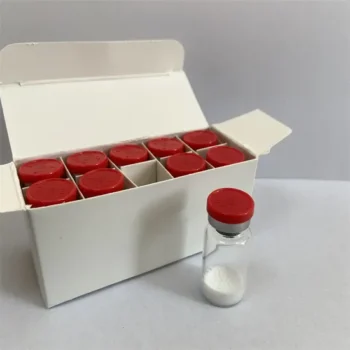
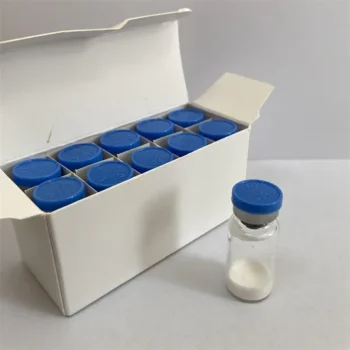
| Form | Lyophilized peptide powder |
| Storage | −20°C, protected from light and moisture |
| Solubility | Soluble in water, PBS, or DMSO |
| Stability | Stable for ≥12 months under recommended conditions |
| Category | GLP-1 receptor agonist; Incretin mimetic peptide |
| Applications | Insulin signaling research, glucose metabolism studies, β-cell protection, incretin biology |
| Research Area | Endocrinology, Metabolism, Diabetes Research, Pharmacology |
| Intended Use | For laboratory research use only |
Mechanism of Action
Berobenatide acts as an agonist at the GLP-1 receptor, a key regulator of insulin and glucagon secretion. When bound to GLP1R on pancreatic β-cells, Berobenatide activates adenylate cyclase, leading to increased cyclic AMP (cAMP) production. The elevated cAMP levels trigger protein kinase A (PKA) and Epac2 signaling cascades, enhancing insulin granule exocytosis and gene transcription related to insulin synthesis.
Simultaneously, GLP-1 receptor activation inhibits glucagon release from pancreatic α-cells, reducing hepatic glucose output. This dual regulatory effect helps maintain glucose homeostasis and supports studies on glucose-dependent insulinotropic mechanisms.
In preclinical models, Berobenatide’s mechanism extends beyond the pancreas. It enhances insulin sensitivity in peripheral tissues, promotes glucose uptake, and modulates lipid metabolism. The peptide also exhibits cytoprotective effects by activating anti-apoptotic pathways in β-cells and suppressing oxidative stress–related gene expression.
At the neuronal level, GLP-1 receptor activation influences hypothalamic signaling pathways involved in appetite suppression and energy expenditure. Berobenatide can therefore be used to investigate the neuroendocrine control of feeding behavior and metabolic rate.
The peptide’s resistance to enzymatic degradation, due to substitution of labile residues at DPP-IV cleavage sites, results in longer receptor occupancy and sustained signaling. This stability allows for consistent pharmacodynamic responses during extended assays.
Berobenatide also engages β-arrestin–mediated pathways, contributing to receptor internalization and signaling desensitization kinetics, providing a comprehensive model for studying biased GPCR agonism.
Overall, Berobenatide functions as a stable and specific GLP-1 receptor agonist, ideal for dissecting incretin-dependent signal transduction, insulin regulation, and metabolic modulation in laboratory systems.
Side Effects
In experimental studies, Berobenatide has demonstrated high receptor specificity and minimal off-target activity. Reported side effects in animal models or cell assays are generally limited to transient responses related to its pharmacodynamic activity.
Potential laboratory-observed effects include mild reduction of food intake, delayed gastric emptying, and moderate alterations in glucose levels—all consistent with GLP-1 receptor activation. These physiological effects are reversible upon compound clearance.
No cytotoxic or mutagenic properties have been identified under standard research conditions. The peptide does not exhibit significant inflammatory or oxidative stress responses in cultured cells.
For optimal results, Berobenatide should be handled in accordance with peptide laboratory safety protocols. Researchers are advised to prepare fresh working solutions and avoid repeated freeze-thaw cycles to preserve peptide integrity.
All findings support Berobenatide as a safe and reliable research reagent for in vitro and in vivo studies of metabolic regulation.
Disclaimer
is provided strictly for laboratory research use only. It is not intended for human or veterinary administration, clinical testing, or therapeutic use of any kind.
Keywords
CAS 3028974-74-2, GLP-1 receptor agonist, incretin analog, diabetes research peptide, insulin regulation compound, metabolic research reagent, peptide hormone mimic, glucose metabolism peptide
Shipping Guarantee
All peptides are shipped in insulated containers with validated cold-chain logistics. Each batch is sealed under inert conditions to maintain chemical stability and peptide purity during transit.
Trade Assurance
Berobenatide is verified by HPLC and mass spectrometry. A Certificate of Analysis (CoA) is provided upon request to confirm identity, purity, and structural integrity.

Additional information
| Weight | 0.8 kg |
|---|---|
| Dimensions | 65 × 48 × 65 cm |
1 review for Berobenatide | CAS 3028974-74-2 | GLP-1 Receptor Agonist for Metabolic and Endocrine Research
What is Berobenatide?
Berobenatide is a synthetic GLP-1 receptor agonist used to study glucose metabolism and insulin signaling.
What is the CAS number of Berobenatide?
The CAS number is 3028974-74-2.
How does Berobenatide work?
It activates the GLP-1 receptor, stimulating insulin secretion and suppressing glucagon release in a glucose-dependent manner.
What are the primary applications?
It is used for research in endocrinology, diabetes, β-cell biology, and metabolic signaling.
What form is Berobenatide supplied in?
It is supplied as a lyophilized peptide powder of ≥99% purity.
How should it be stored?
Store at −20°C, protected from moisture and light.
Is Berobenatide suitable for in vivo studies?
Yes, under approved laboratory research protocols only.
What is its solubility?
Berobenatide dissolves in water, PBS, or DMSO for experimental use.
Does it affect appetite or weight?
In models, GLP-1 agonists can reduce appetite and promote energy expenditure, depending on experimental conditions.
Is it for therapeutic use?
No. Berobenatide is strictly intended for laboratory research use only.
Related products
Wholesale 99% Purity Epitalon Peptide Raw Powder for Skin Repair
Epitalon Peptide Raw Powder for Skin Repair Original price was: $33.00.$22.00Current price is: $22.00.Wholesales Weight Loss Peptides Raw Powder CAS 129954-34-3 with Safe Delivery
$2.00Function Weight Loss Peptides Color White Purity 99%OverRetatrutide Raw Material Factory: Low-Price Wholesale for High-Purity Peptides
Retatrutide MOQ 1 Box Source Dry Powder Original price was: $38.00.$22.00Current price is: $22.00.Factory Supply Peptide Healthcare 99% with Safe Delivery
Peptide Healthcare Usage Delta-Sleep Inducing Peptides Purity 99%Over Dose 2mg 5mg 10mg 15mg 20mg Highe Original price was: $28.00.$23.00Current price is: $23.00.


Jahn –
Experimental data is amazing!