
No products in the cart.
Sale
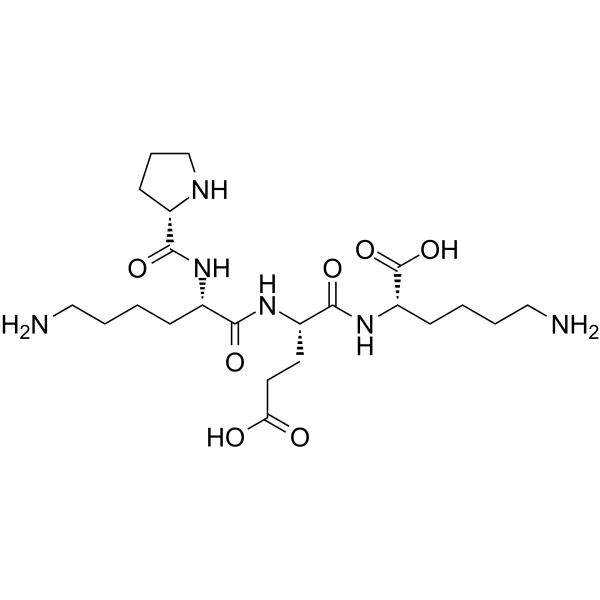
Tetrapeptide-30 | CAS 1036207-61-0 | Skin-Brightening Cosmetic Peptide for Melanin Inhibition Research
Original price was: $3.00.$2.00Current price is: $2.00.
Tetrapeptide-30 is a synthetic cosmetic peptide composed of four amino acids, designed for skin-brightening research. It functions as a tyrosinase inhibitor, helping reduce hyperpigmentation and even out skin tone in laboratory studies.

Description
Product Description
Tetrapeptide-30 is a bioactive peptide composed of four amino acids arranged in a specific sequence, engineered for laboratory research focusing on skin pigmentation, melanin inhibition, and skin-brightening applications. The peptide’s relatively small molecular size facilitates deep epidermal penetration, enabling effective modulation of melanocyte activity and intracellular signaling pathways responsible for pigmentation regulation. Its design draws inspiration from naturally occurring skin peptides and enzymatic regulators of melanogenesis, making it a valuable research tool for cosmetic science.
In vitro studies have demonstrated that Tetrapeptide-30 can inhibit tyrosinase, a key enzyme in melanin biosynthesis, effectively reducing melanin accumulation in melanocytes. By targeting both enzymatic activity and melanocyte activation pathways, this peptide provides a dual mechanism for controlling hyperpigmentation. Its action has been observed in primary human melanocyte cultures, as well as in reconstructed skin tissue models used to simulate pigmentation disorders.
The peptide’s stability under standard laboratory conditions ensures that it maintains its bioactivity during experimental manipulation. It is soluble in aqueous buffers, allowing incorporation into various experimental formulations, including serums, creams, and hydrogel-based delivery systems. Researchers often explore Tetrapeptide-30 in combination with other bioactive peptides, antioxidants, or skin-brightening agents such as Niacinamide, Ascorbic Acid derivatives, or Palmitoyl Tetrapeptide-7 to investigate potential synergistic effects on pigmentation suppression and epidermal health.
Mechanistically, Tetrapeptide-30 is involved in multiple cellular pathways. By inhibiting tyrosinase, it prevents the oxidation of L-DOPA to melanin, a critical step in melanogenesis. Additionally, the peptide has been associated with downregulation of microphthalmia-associated transcription factor (MITF), which further suppresses melanogenic gene expression. These combined effects result in reduced melanin synthesis, diminished melanocyte dendricity, and overall lightening of hyperpigmented areas in controlled experimental settings.
Beyond its direct melanogenesis inhibition, Tetrapeptide-30 has been studied for its potential antioxidant properties. Melanocytes are highly susceptible to oxidative stress, which can exacerbate hyperpigmentation and accelerate skin aging. Tetrapeptide-30 may provide indirect protection by mitigating reactive oxygen species (ROS)-induced melanogenic signaling, contributing to more uniform and resilient skin in research models.
In cosmetic peptide research, Tetrapeptide-30 has become a benchmark molecule for exploring novel strategies to treat age spots, post-inflammatory hyperpigmentation, and melasma. It offers researchers a stable, reproducible, and biochemically relevant tool to evaluate the efficacy of skin-brightening interventions and to understand the molecular regulation of melanocyte function.
Product Specifications
| Property | Description |
|---|---|
| Product Name | Tetrapeptide-30 |
| CAS Number | 1036207-61-0 |
| Purity | ≥99% |
| Synonyms | Tetrapeptide 30, Skin Brightening Peptide |
| Molecular Formula | Not available |
| Molecular Weight | Not available |
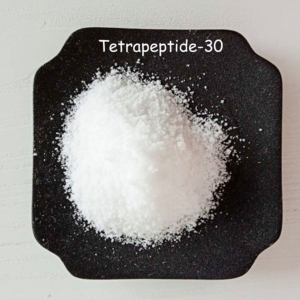
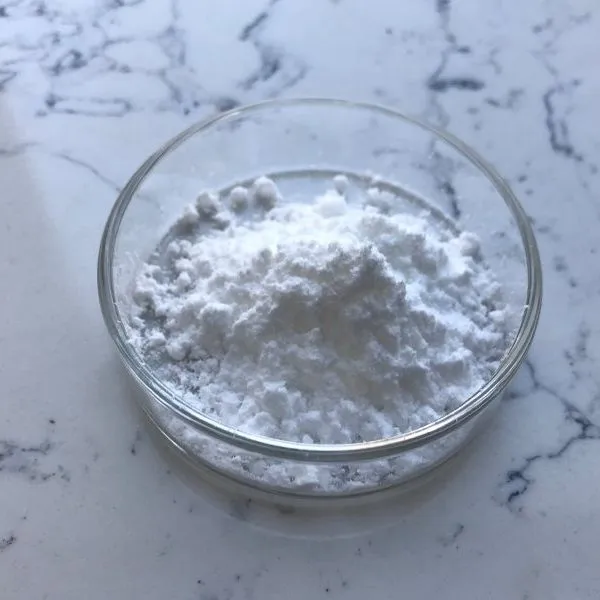
| Appearance | White to off-white powder |
| Solubility | Soluble in water and aqueous buffers |
| Category | Cosmetic Peptide / Skin Brightening Peptide |
| Storage | Store at -20°C, protected from light and moisture |
| Shelf Life | 3 years under proper storage conditions |
| Stability | Stable under standard laboratory conditions, compatible with aqueous and lipid-based formulations |
| Skin Penetration | Small molecular size allows efficient epidermal absorption in experimental models |
| Compatibility | Compatible with other cosmetic peptides and active ingredients such as Niacinamide, Palmitoyl Tetrapeptide-7, and antioxidants |
| Research Applications | Skin pigmentation regulation, melanin inhibition, tyrosinase suppression, cosmetic formulation studies, anti-hyperpigmentation research |
Mechanism of Action
Tetrapeptide-30 operates via a multifaceted mechanism that targets melanogenesis and melanocyte activation. The peptide primarily acts as a tyrosinase inhibitor, preventing the critical enzymatic step where L-DOPA is oxidized into melanin. By reducing tyrosinase activity, Tetrapeptide-30 directly lowers melanin production within melanocytes, which is a fundamental mechanism for its skin-brightening effects.
In addition to direct enzyme inhibition, Tetrapeptide-30 has been demonstrated to modulate melanocyte signaling pathways. It reduces the expression of MITF, a transcription factor essential for the expression of genes involved in melanogenesis, including tyrosinase, TRP-1, and TRP-2. This results in a downstream decrease in melanin synthesis and dendrite formation in melanocytes, which further limits pigment transfer to keratinocytes.
Tetrapeptide-30 may also exhibit antioxidant-like effects by indirectly mitigating oxidative stress-induced melanogenic signaling. ROS can activate MAPK and cAMP pathways that enhance melanogenesis. By counteracting these oxidative triggers, Tetrapeptide-30 helps maintain cellular homeostasis and prevent hyperpigmentation caused by environmental or metabolic stressors.
Laboratory research has explored synergistic combinations of Tetrapeptide-30 with other cosmetic peptides. For example, co-administration with Palmitoyl Tetrapeptide-7 has been reported to not only reduce melanogenesis but also enhance extracellular matrix remodeling, thereby improving overall skin tone and resilience. Incorporating antioxidants like Vitamin C derivatives can further amplify melanin suppression by reducing ROS-mediated stimulation of melanocytes.
Tetrapeptide-30’s small molecular size facilitates efficient skin penetration in topical experimental models, allowing it to reach melanocytes in the basal layer of the epidermis. Once inside the cells, it interacts with intracellular signaling molecules and modulates enzymatic activity, contributing to effective reduction of hyperpigmentation in vitro and ex vivo studies.
Overall, Tetrapeptide-30 provides a robust experimental model to study pigmentation regulation, melanin inhibition, and peptide-based cosmetic interventions. Its dual activity—tyrosinase inhibition and melanocyte signaling modulation—makes it an essential peptide for researchers investigating skin-lightening strategies, pigmentation disorders, and synergistic cosmetic formulations.
Side Effects
Tetrapeptide-30 has demonstrated excellent tolerability in in vitro and ex vivo skin models. Laboratory assessments have shown no significant cytotoxicity or adverse cellular effects at experimental concentrations used for pigmentation research.
Key considerations for researchers include:
Concentration dependency: While Tetrapeptide-30 is generally non-toxic, optimal concentration ranges should be maintained to prevent any potential cellular stress in melanocyte cultures.
Formulation effects: Its compatibility with other peptides and cosmetic ingredients ensures stable bioactivity, but formulation pH and buffer composition can influence peptide stability and solubility.
Handling precautions: Tetrapeptide-30 is strictly for laboratory research use. Protective gloves, lab coats, and safety goggles should be worn during handling. Avoid ingestion, inhalation, or contact with eyes.
Storage recommendations: Long-term storage at -20°C, protected from light and moisture, is essential to maintain stability and bioactivity.
No adverse systemic effects have been reported in experimental models, and Tetrapeptide-30 is considered safe for use in cosmetic peptide research under controlled laboratory conditions. It is not intended for clinical use or human administration.
Keywords
Tetrapeptide-30, skin-brightening peptide, tyrosinase inhibitor, melanin suppression peptide, cosmetic peptide, peptide supplier China, high-purity cosmetic peptides, peptide wholesale, factory peptide supplier, cosmetic raw material manufacturer.
Shipping Guarantee
All shipments are handled using validated cold-chain logistics to preserve peptide integrity. Each package is sealed in moisture-proof containers with secondary protective wrapping and continuous temperature monitoring. Products are shipped via express international couriers with full tracking and insurance coverage.
Trade Assurance
We ensure product authenticity, verified ≥99% purity, and compliance with analytical standards (HPLC, MS, and NMR). Each batch is supplied with a Certificate of Analysis (CoA). Our trade assurance policy guarantees replacement or refund for any deviation from listed specifications.
Payment Support
We provide flexible and secure global payment options to support international research transactions. Accepted payment methods include PayPal, major credit cards (Visa, MasterCard, American Express), telegraphic transfer (T/T), and cryptocurrencies (USDT, Bitcoin, Ethereum). All transactions are protected by industry-standard encryption and verified payment gateways to ensure confidentiality and fund security.
Disclaimer
All products listed are intended for laboratory research use only and not for human or veterinary use. They are not drugs, medical devices, or diagnostics and should not be administered to humans or animals. Researchers must handle all materials in accordance with institutional biosafety and chemical safety guidelines. The information provided is for scientific reference only and does not imply therapeutic efficacy, safety, or regulatory approval.

Additional information
| Weight | 1.5 kg |
|---|---|
| Dimensions | 53 × 42 × 53 cm |
What is Tetrapeptide-30 used for in cosmetic research?
It is used for skin-brightening, melanin inhibition, and evening out skin tone in laboratory studies.
How does Tetrapeptide-30 work?
It acts as a tyrosinase inhibitor and suppresses melanocyte activation, reducing melanin production.
Is it suitable for topical cosmetic formulations?
Yes, it is compatible with serums, creams, and peptide-based cosmetic formulations.
What purity is provided?
Each batch is ≥99% pure, verified by HPLC and MS.
Can Tetrapeptide-30 be combined with other peptides?
Yes, it can be used with peptides such as Palmitoyl Tetrapeptide-7 or Acetyl Hexapeptide-8 for synergistic skin benefits.
Do you provide bulk peptide supply?
Yes, we are a factory peptide supplier offering low-price peptide wholesale for cosmetic research.
Is Tetrapeptide-30 stable in formulations?
Yes, it is chemically stable and suitable for long-term cosmetic research.
Can you customize peptide synthesis?
Yes, we provide OEM & custom synthesis for cosmetic peptides.
Are you a cosmetic raw material supplier?
Yes, we are a verified cosmetic raw material manufacturer in China, specializing in high-purity peptides.
How should Tetrapeptide-30 be stored?
Store at -20°C, protected from light and moisture.
Do you provide Certificates of Analysis (CoA)?
Yes, every batch comes with CoA verification for purity and identity.
What are the advantages of using Tetrapeptide-30?
It efficiently inhibits melanin synthesis, reduces hyperpigmentation, and is compatible with modern cosmetic formulations.
Can it improve uneven skin tone?
Yes, laboratory research confirms its effectiveness in evening out pigmentation and brightening skin.
Is it suitable for anti-aging formulations?
Yes, by regulating melanogenesis, it complements anti-aging cosmetic research studies.
Do you offer international shipping?
Yes, with full cold-chain logistics, tracking, and insurance coverage.
Related products
Palmitoyl pentapeptide-4 | CAS 214047-00-4 | Anti-Aging Cosmetic Peptide for Skin Regeneration and Wrinkle Reduction Research
Palmitoyl pentapeptide-4 (Matrixyl) is a synthetic cosmetic peptide widely recognized for its anti-aging, collagen-stimulating, and wrinkle-reducing properties. It is commonly utilized in research for dermal regeneration, skin elasticity enhancement, and anti-wrinkle cosmetic formulations. Original price was: $32.00.$26.00Current price is: $26.00.Biotinoyl Tripeptide-1 | CAS 299157-54-3 | Bioactive Peptide for Hair Strengthening
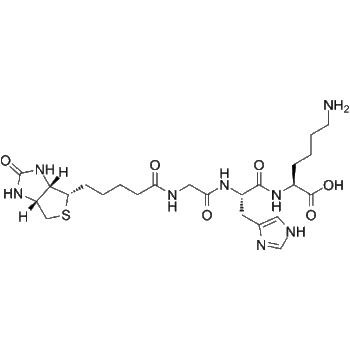
Biotinoyl Tripeptide-1 (Biotinyl-GHK) is a cosmetic bioactive peptide combining biotin and the tripeptide GHK. It enhances hair anchoring, reduces follicle miniaturization, and promotes antioxidant defense in scalp and skin research applications. Original price was: $3.00.$1.00Current price is: $1.00.Dipeptide-2 | CAS 24587-37-9 | Bioactive Cosmetic Peptide for Anti-Aging and Skin Firming Research
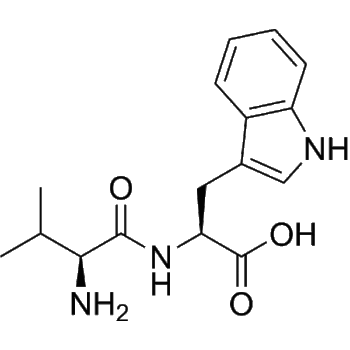
Dipeptide-2 (N-Valyltryptophan; Val-Trp) is a synthetic bioactive peptide widely studied for its anti-aging and skin-rejuvenating properties. It supports lymphatic drainage and skin firmness, making it a valuable ingredient in cosmetic research focused on reducing puffiness and under-eye bags. Original price was: $3.00.$2.00Current price is: $2.00.Hexapeptide-9 | CAS 885024-94-2 | Collagen-Stimulating Peptide for Anti-Aging and Skin Repair
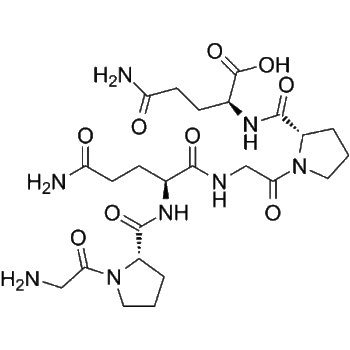
Hexapeptide-9 is a bioactive signaling peptide known for its collagen-stimulating and anti-aging properties. It supports dermal repair, smooths wrinkles, and improves overall skin firmness and elasticity in cosmetic research. Original price was: $3.00.$1.00Current price is: $1.00.



Reviews
There are no reviews yet.